
5 Practical Ways Acetate Cloth Tape Makes Everyday Life Easier
Have you ever struggled to find a tape that’s both strong and gentle? Something that doesn’t melt in heat, doesn’t leave sticky messes, and still looks neat after months of use? Well, that’s exactly where Acetate Cloth Tape shines.
You might not realize it, but this simple-looking tape quietly supports our daily lives — from home electronics to office setups and even DIY repairs. Let’s look at five real-life ways Acetate Cloth Tape makes things easier and more reliable.
1. Keeping Your Electronics Safe and Sound
Think about your phone charger or your laptop power adapter. Those tiny cables face stress, bending, and heat every single day. Acetate cloth tape provides excellent electrical insulation and heat resistance, helping to wrap and protect cables safely.
It’s commonly used inside appliances like hairdryers, TVs, or speakers, where insulation and temperature resistance are essential. Because it can handle heat up to 130°C, it’s way more dependable than ordinary plastic tapes.
And guess what? It doesn’t get brittle over time — a huge plus for long-lasting performance.
2. A DIY Hero for Home Repairs
Let’s be honest — sometimes you just need something quick and tough to fix things around the house. Acetate cloth tape sticks firmly on plastic, metal, or even fabric surfaces, making it a go-to helper for light electrical repairs, bundling wires, or even reinforcing broken cables.
Unlike cheap tapes that peel or leave residue, acetate tape removes cleanly and looks neat. It’s that kind of “small tool” you’ll wish you had discovered sooner!
3. Giving Office Equipment a Longer Life
Office machines like printers, copiers, and projectors often have internal heat sources. Many manufacturers use acetate cloth tape inside to ensure insulation and secure internal wiring. So yes — every time your printer runs smoothly, part of the credit goes to this reliable tape.
Its non-corrosive adhesive and clean appearance make it ideal for professional environments where neatness and safety both matter.
4. Perfect for Handcrafts and DIY Art Projects
Here’s something fun — many creative DIY lovers use acetate cloth tape for custom craftwork. Its smooth texture, flexible surface, and availability in different colors make it perfect for labeling, decoration, and even bookbinding.
It tears easily by hand (no scissors needed!), making your crafting time simpler and more enjoyable. Oh, and it looks surprisingly good — that’s something you won’t say about most industrial tapes!
5. Long-Term Durability You Can Trust
One thing that really sets acetate cloth tape apart is its durability. It doesn’t shrink, doesn’t crack, and doesn’t lose its adhesive power over time. Whether used in your car dashboard, your refrigerator wiring, or even your sound system, it stands strong for years.
That’s why many electronics manufacturers and automotive companies prefer this eco-friendly tape — it performs well, lasts long, and keeps devices safe.
Wrapping It All Up
So yeah, acetate cloth tape may not be something you think about every day, but it quietly makes modern life smoother, safer, and easier. From DIY fixes to protecting your favorite gadgets, it’s one of those “small things that make a big difference.”
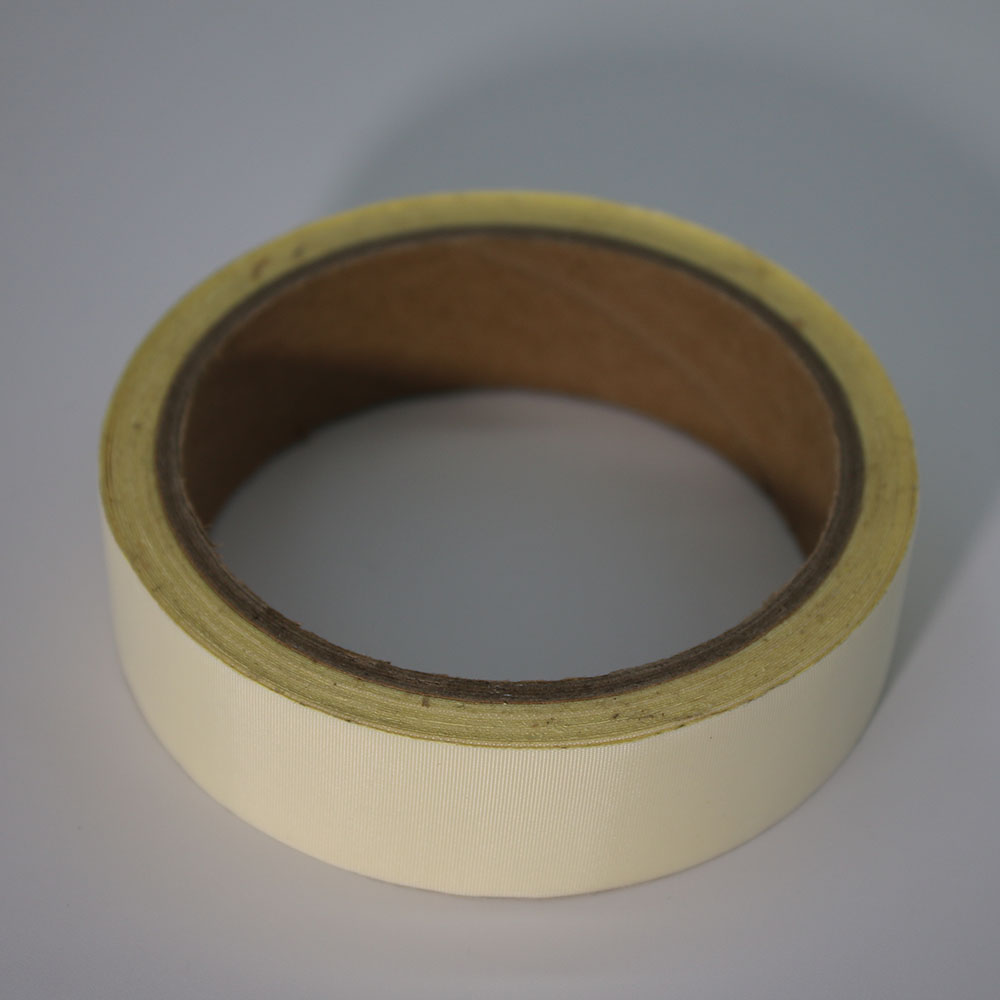 Can a Multi-Layer Nylon Cloth Tape with Optional Aluminum Foil Backing Really Bundle Hot-Engine Wiring and Absorb Minor Vibration in One Wrap
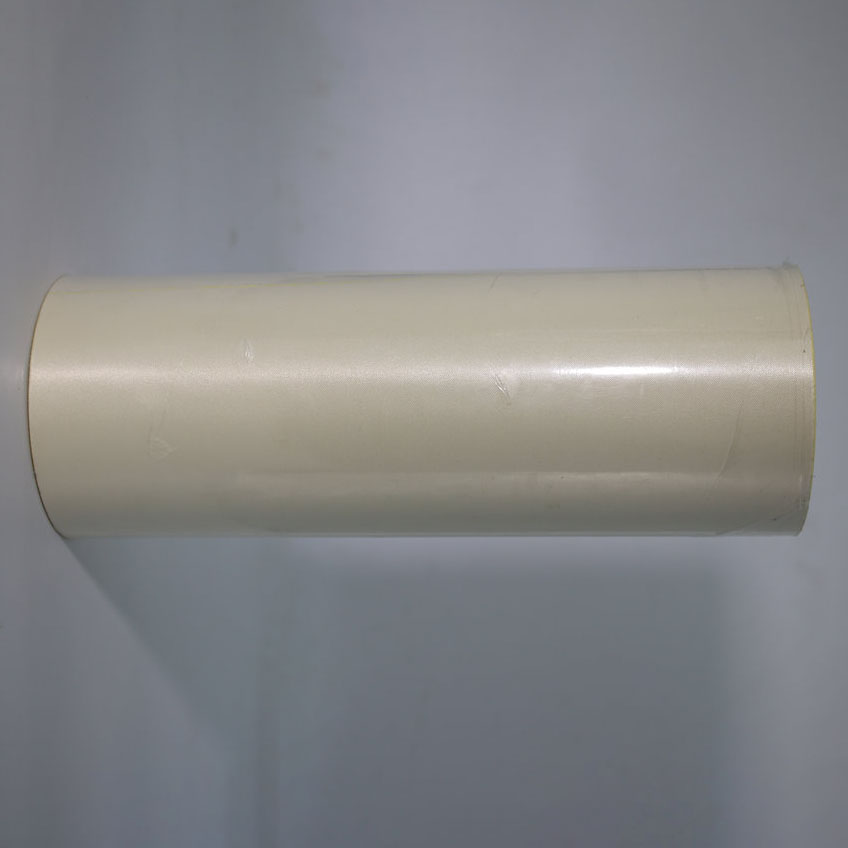 Can a Laser Inkjet and Thermal Transfer Compatible Printable Adhesive Label Tape Really Survive Warehouse Scuffs and Freezer Storage While Staying Scannable
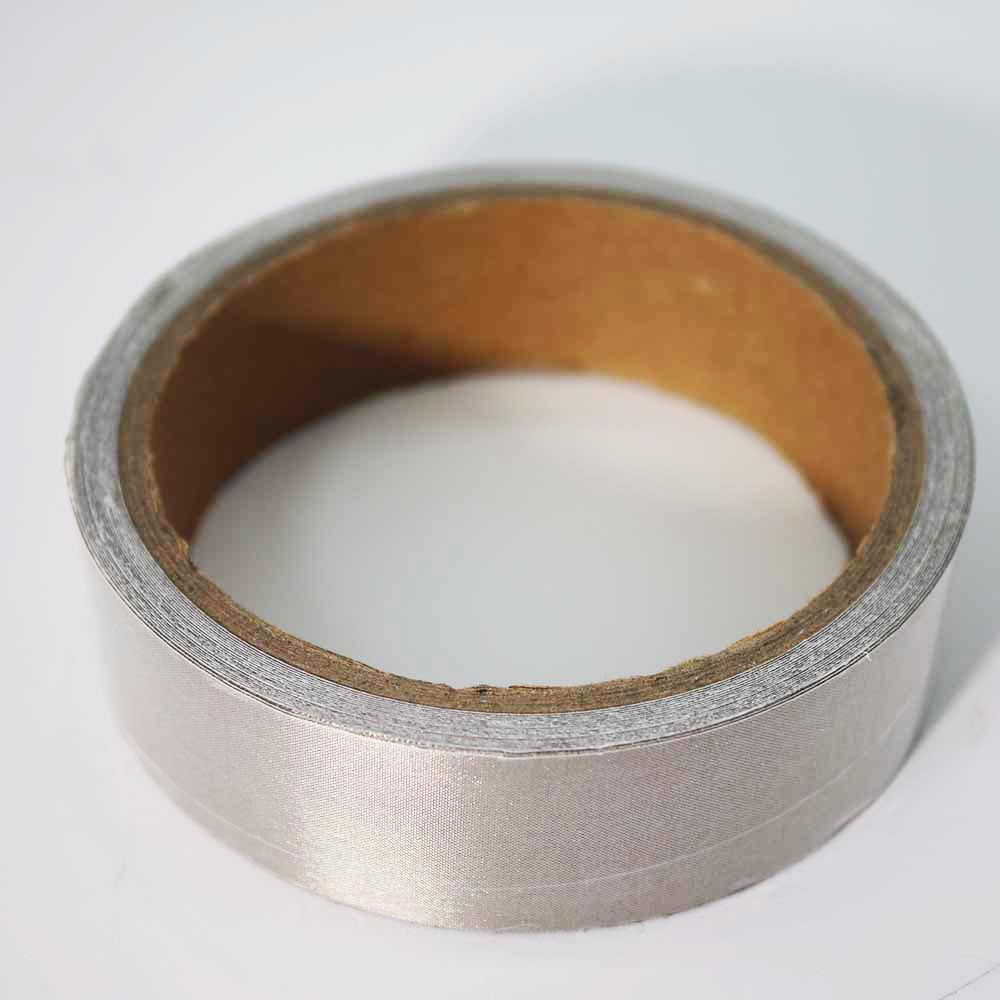 Does Double-Sided Conductive Fabric Tape Actually Replace Traditional EMI Gaskets in Compact Electronics?
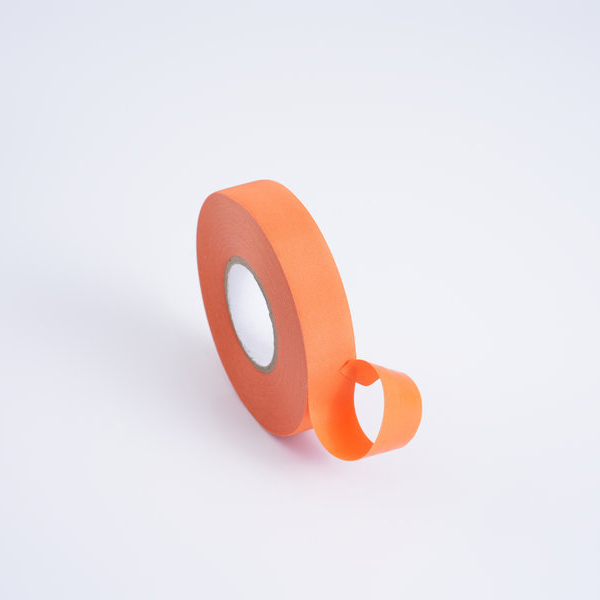 Will a Flame-Retardant Orange Fabric Wire Harness Tape Withstand 150 degrees Under the Hood Without Leaving Residue?
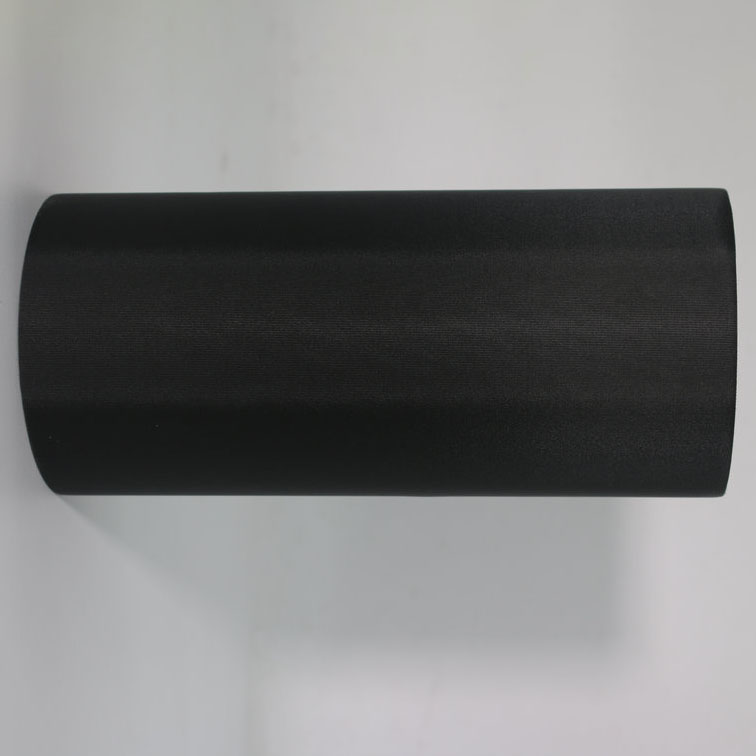 Can a Single Light-Blocking Tape Replace Multiple Shielding Layers in Display Assembly?
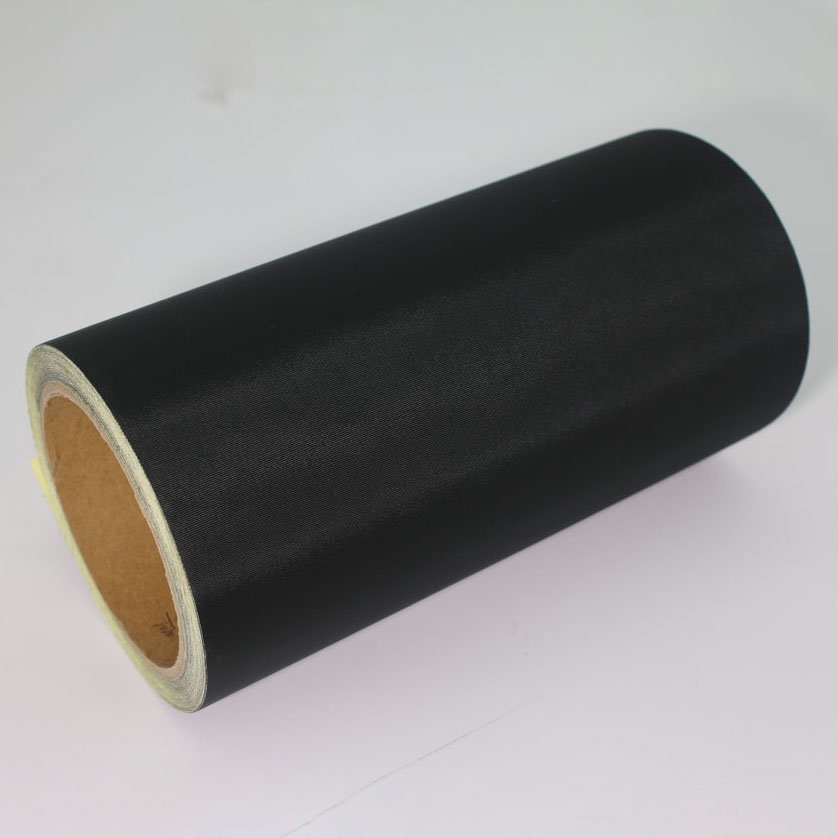 Can a 0.05mm Light Blocking Tape Really Deliver 99.9 percent Blackout for Sensitive Optics?
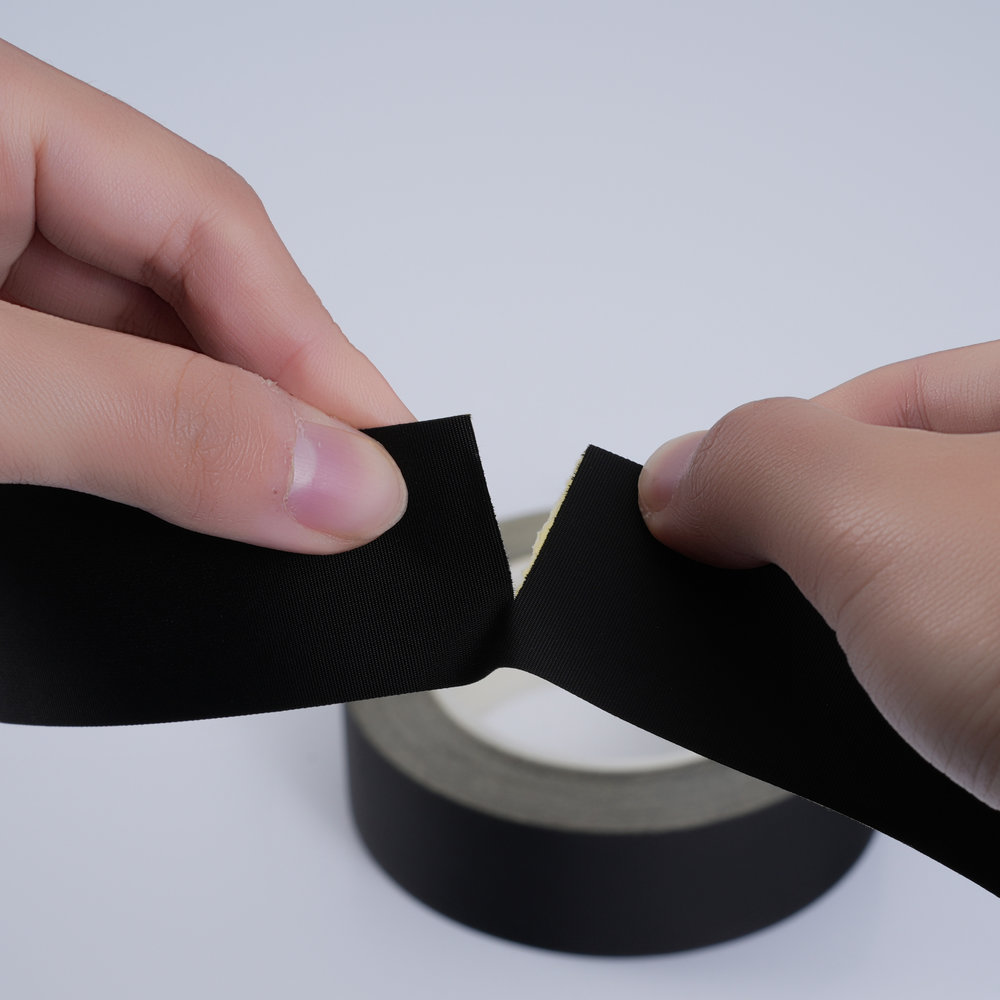 Is Acetate Cloth Tape the Ultimate Flame-Retardant Solution for Electrical Insulation?
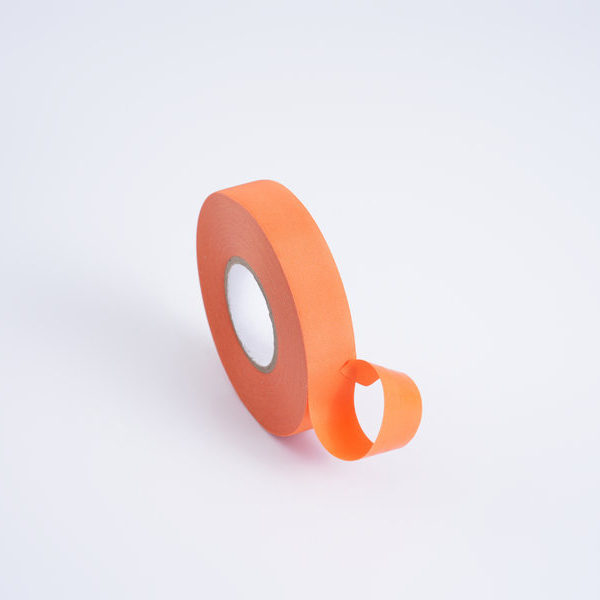 Why High-Temperature Orange Automotive Wire Harness Tape is the Smart Choice for High-Heat Engine Bays
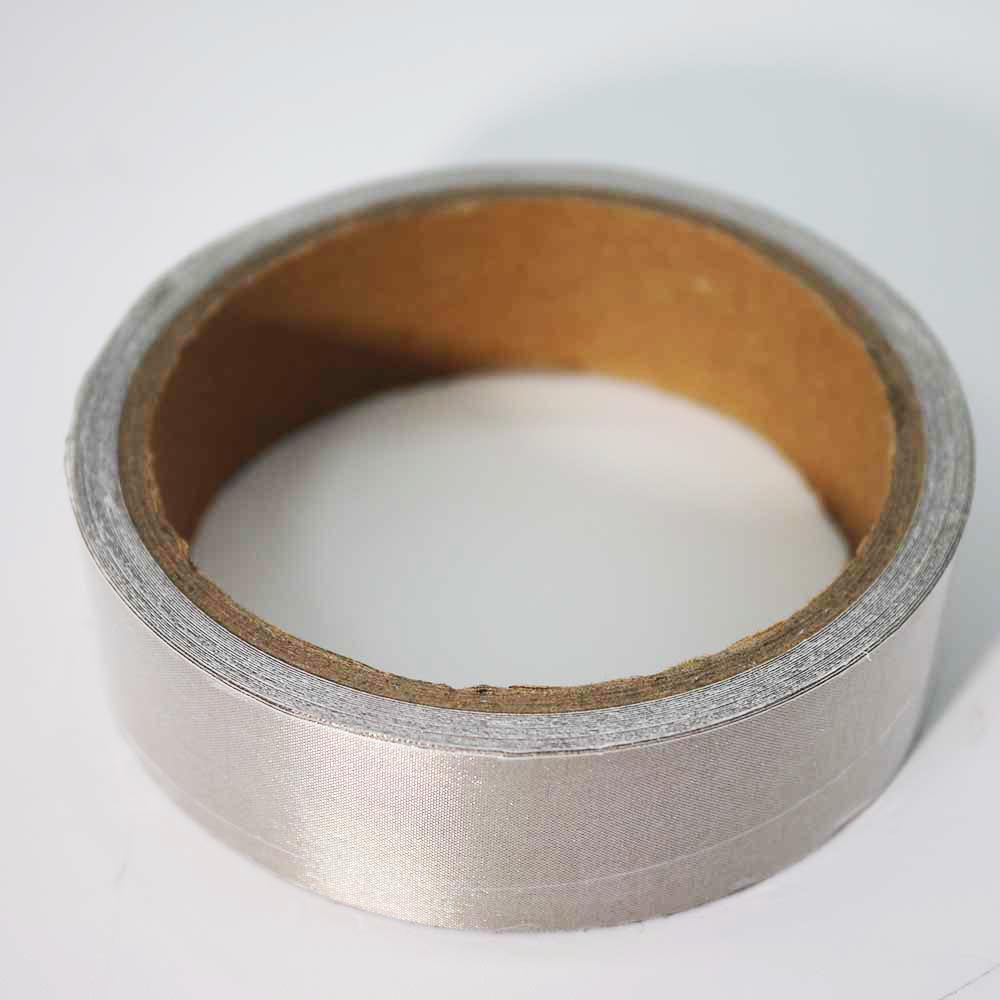 Can Double-Sided Conductive Fabric Tape Replace Traditional EMI Gaskets?
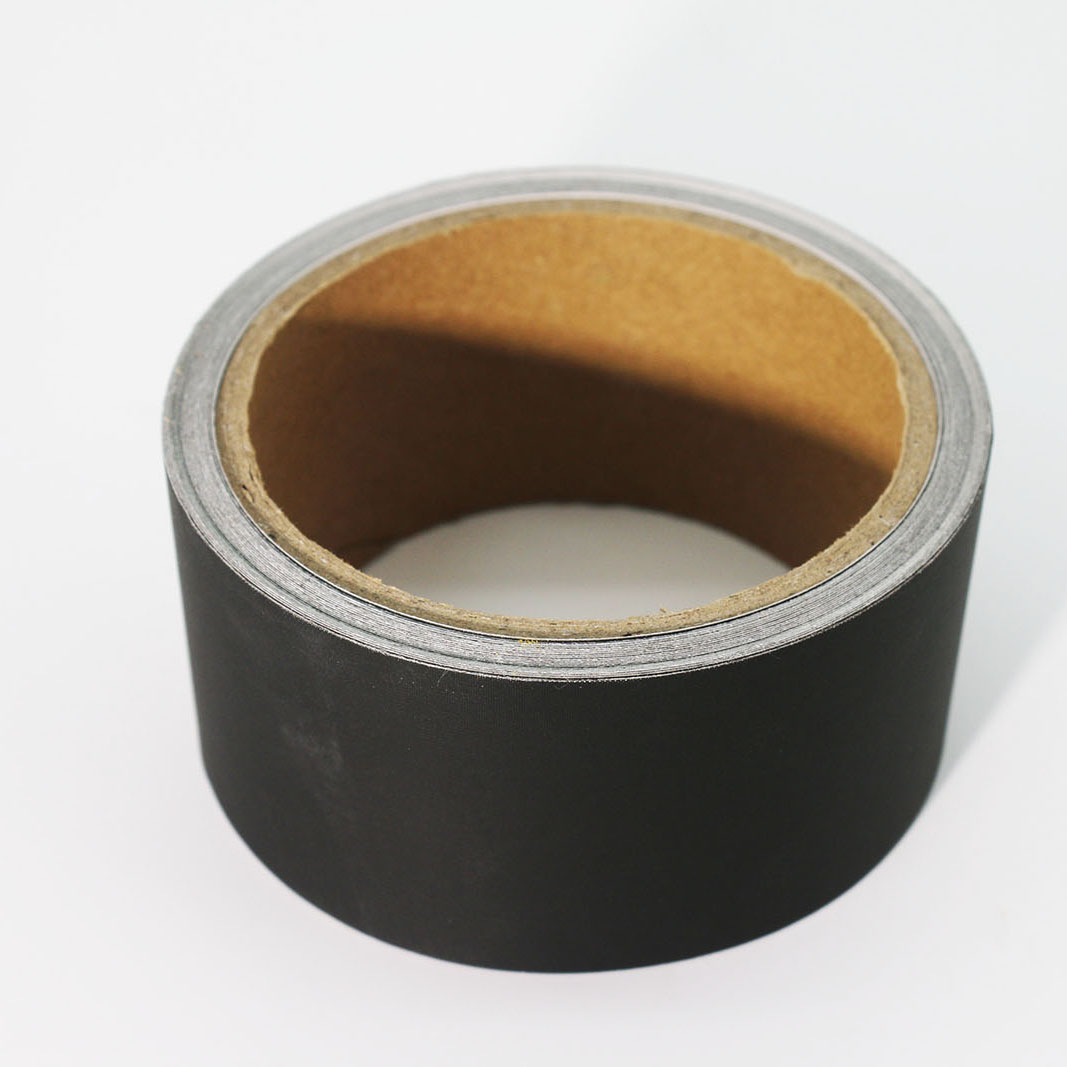 Why Black Conductive Fabric Tape is the Go-To for Light-Sensitive Electronics