
6 Common Mistakes When Sourcing Die-Cut Tape - and How U.S. Buyers Can Avoid Them
If you're sourcing die-cut tape for your product line—whether it’s electronics, automotive, packaging, or industrial applications—there's a good chance you've faced one (or more!) of the common pitfalls that trip up even seasoned procurement teams. Don't worry though, you’re not alone.
In this guide, we'll break down six typical mistakes U.S. buyers make when ordering custom die-cut tape from Chinese suppliers—and more importantly, how to avoid them.
1. Not Providing a Detailed Drawing or Spec Sheet
This one happens all the time: a buyer submits only a rough sketch or general idea. The result? Miscommunication, incorrect shape, wrong tolerances.
✅ How to avoid it:
Always provide CAD/DXF/AI files with exact measurements, shape dimensions, and tolerances. If you're not sure, ask the supplier to help generate one based on your application.
2. Ignoring Adhesive Type Compatibility
Not all adhesives work in all environments. Ordering die-cut tape with a rubber adhesive when your product faces 100°C heat? It’s gonna melt, unfortunately.
✅ How to avoid it:
Understand your use-case. For high temp, go with acrylic or silicone adhesives. For short-term or indoor, rubber works fine. Your supplier should help you match performance with adhesive chemistry.
3. Skipping the Material Testing Phase
Sometimes folks jump straight to bulk order without validating the tape’s tack, peel strength, or aging resistance. That’s risky.
✅ How to avoid it:
Request material test reports (ASTM/UL/RoHS) or ask for samples. Most reliable die-cut tape suppliers from China are happy to provide them before production.
4. Overlooking Die-Cutting Method Precision
There’s a big difference between flat-bed, rotary, and laser cutting. Some buyers don’t specify the required precision, and get die-cuts with rough edges or adhesive bleed.
✅ How to avoid it:
For mass production with simple shapes, flatbed die-cutting works great. For high-volume and roll-to-roll processing, rotary die-cutting is best. For ultra-fine detail, laser die-cutting is your go-to.
5. Choosing the Wrong Format or Packaging
Do you need individual pieces, kiss-cut on liner, or roll format? Some buyers forget to specify, and their production line slows down because the tape format wasn’t right.
✅ How to avoid it:
Think about how you’ll apply the tape—by hand, machine, or automated dispenser—and request a matching format (sheets, rolls, or custom packed kits).
6. Only Comparing Price – Not Total Value
This one’s huge. Chasing the cheapest quote often means poor-quality adhesives, inconsistent cutting, or long lead times.
✅ How to avoid it:
Ask about total value: in-house production, QC process, sample support, delivery time, custom services. A China-based die-cut tape manufacturer that controls the full supply chain often offers far better value than low-end converters.
Bonus Tip: Ask for OEM/ODM Capabilities
If you're planning to scale, don’t just ask for tape. Ask for a partner. Some die-cut tape suppliers (like us!) offer logo printing, private labeling, or custom shapes made for your brand’s unique application.
Conclusion
Sourcing the right die-cut tape doesn't have to be complicated—if you know what to avoid. By taking a little extra time to clarify your needs, provide the right files, and communicate with a capable China-based manufacturer, you’ll end up with better tape and way fewer headaches.
Ready to order? Or just wanna get a free prototype? Let’s chat!
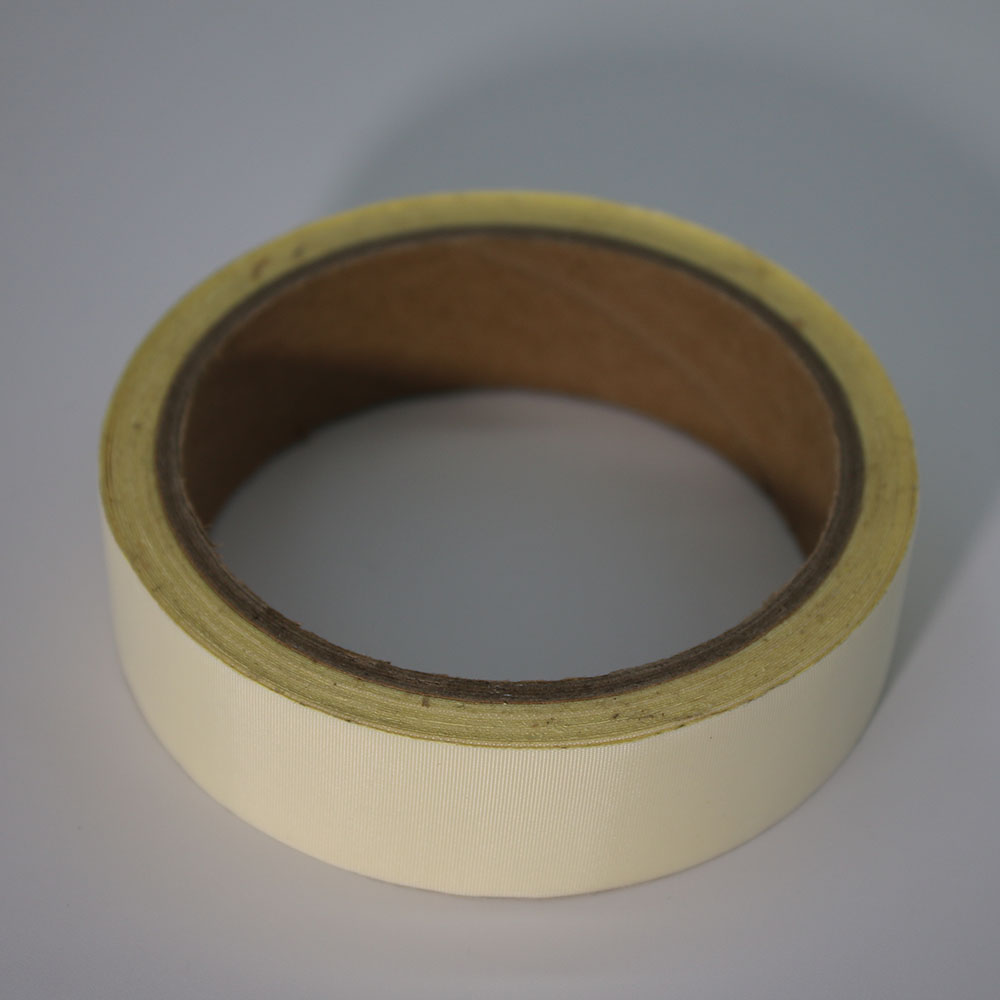 Can a Multi-Layer Nylon Cloth Tape with Optional Aluminum Foil Backing Really Bundle Hot-Engine Wiring and Absorb Minor Vibration in One Wrap
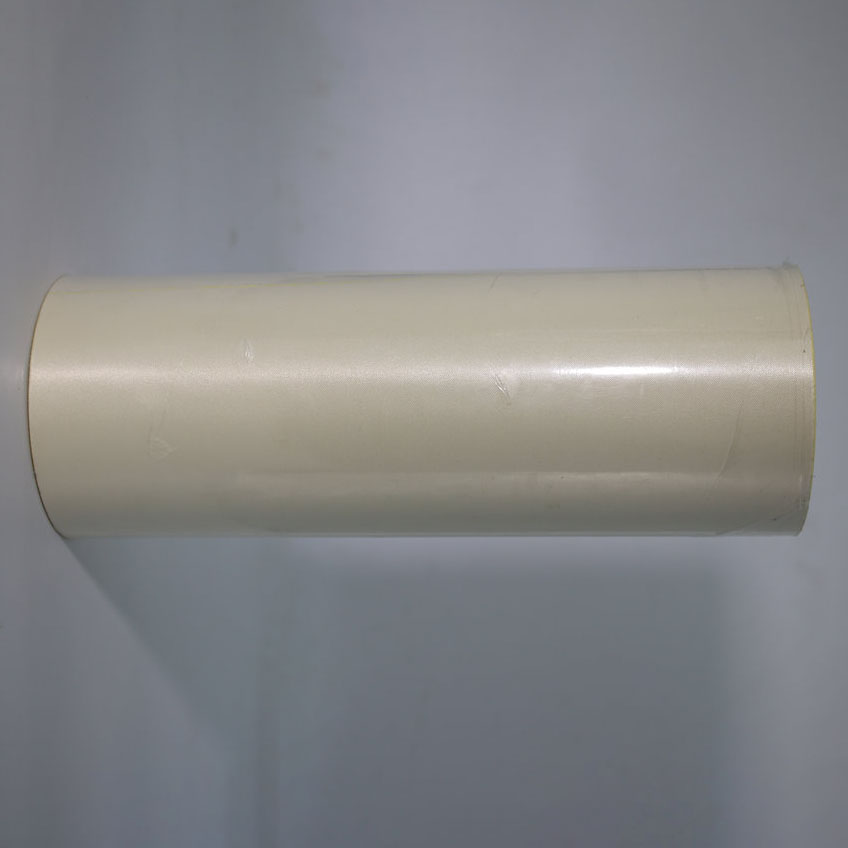 Can a Laser Inkjet and Thermal Transfer Compatible Printable Adhesive Label Tape Really Survive Warehouse Scuffs and Freezer Storage While Staying Scannable
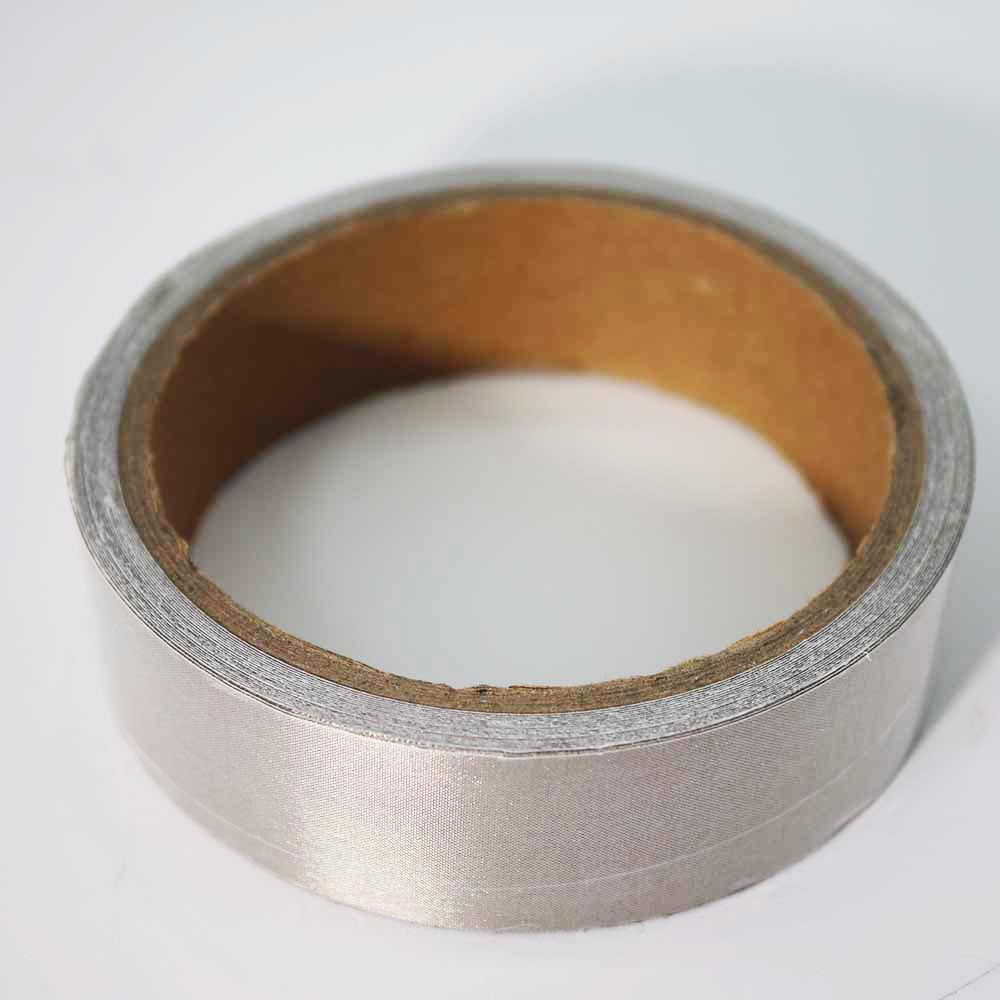 Does Double-Sided Conductive Fabric Tape Actually Replace Traditional EMI Gaskets in Compact Electronics?
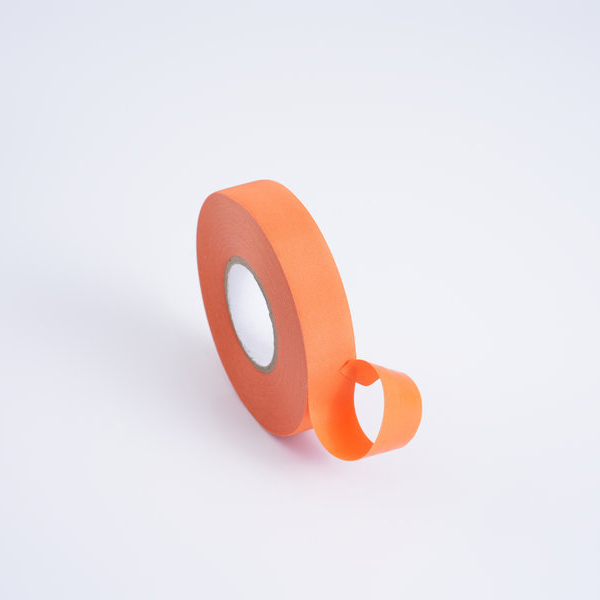 Will a Flame-Retardant Orange Fabric Wire Harness Tape Withstand 150 degrees Under the Hood Without Leaving Residue?
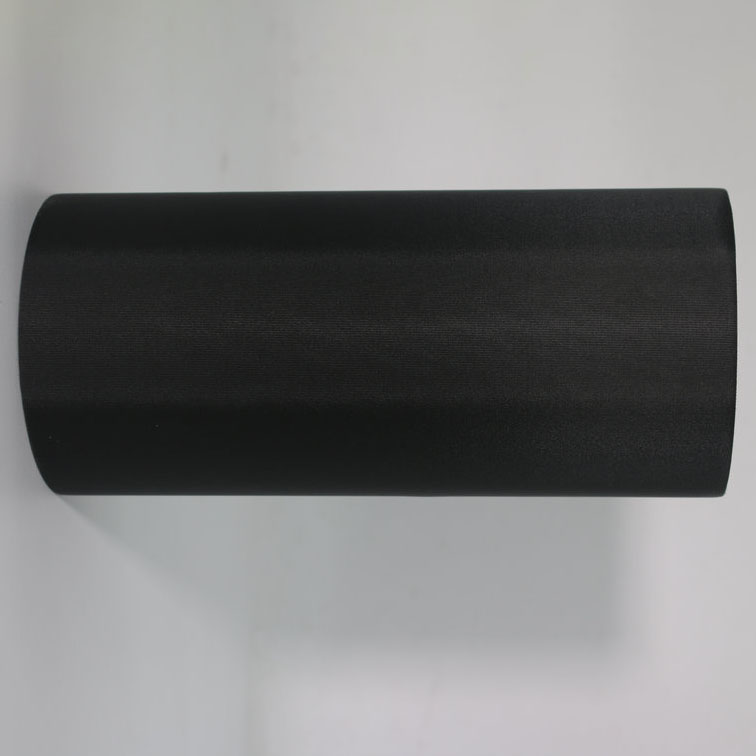 Can a Single Light-Blocking Tape Replace Multiple Shielding Layers in Display Assembly?
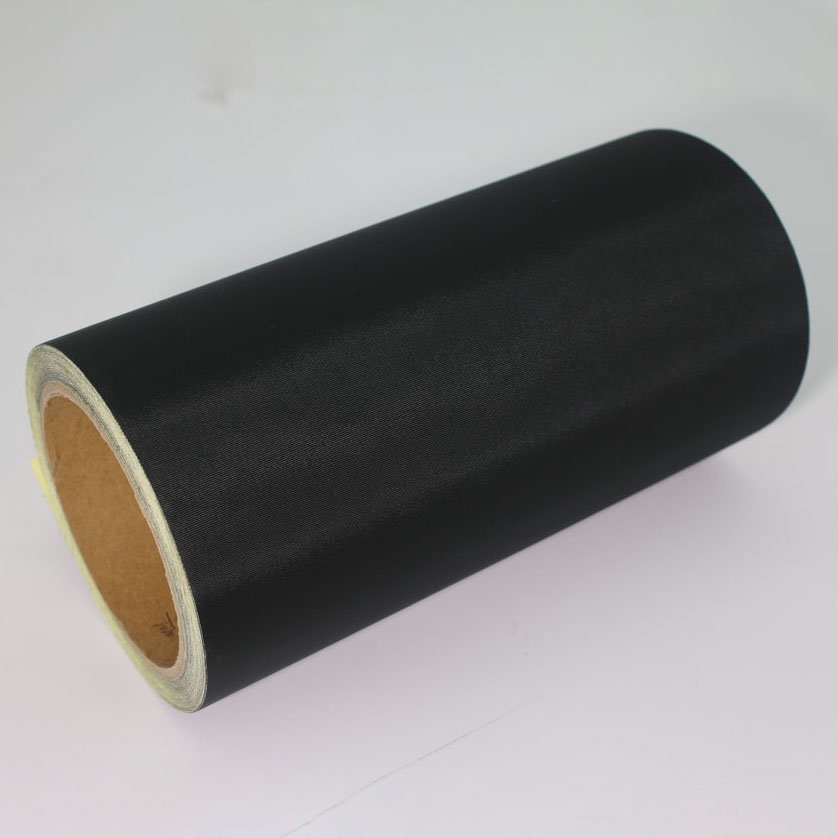 Can a 0.05mm Light Blocking Tape Really Deliver 99.9 percent Blackout for Sensitive Optics?
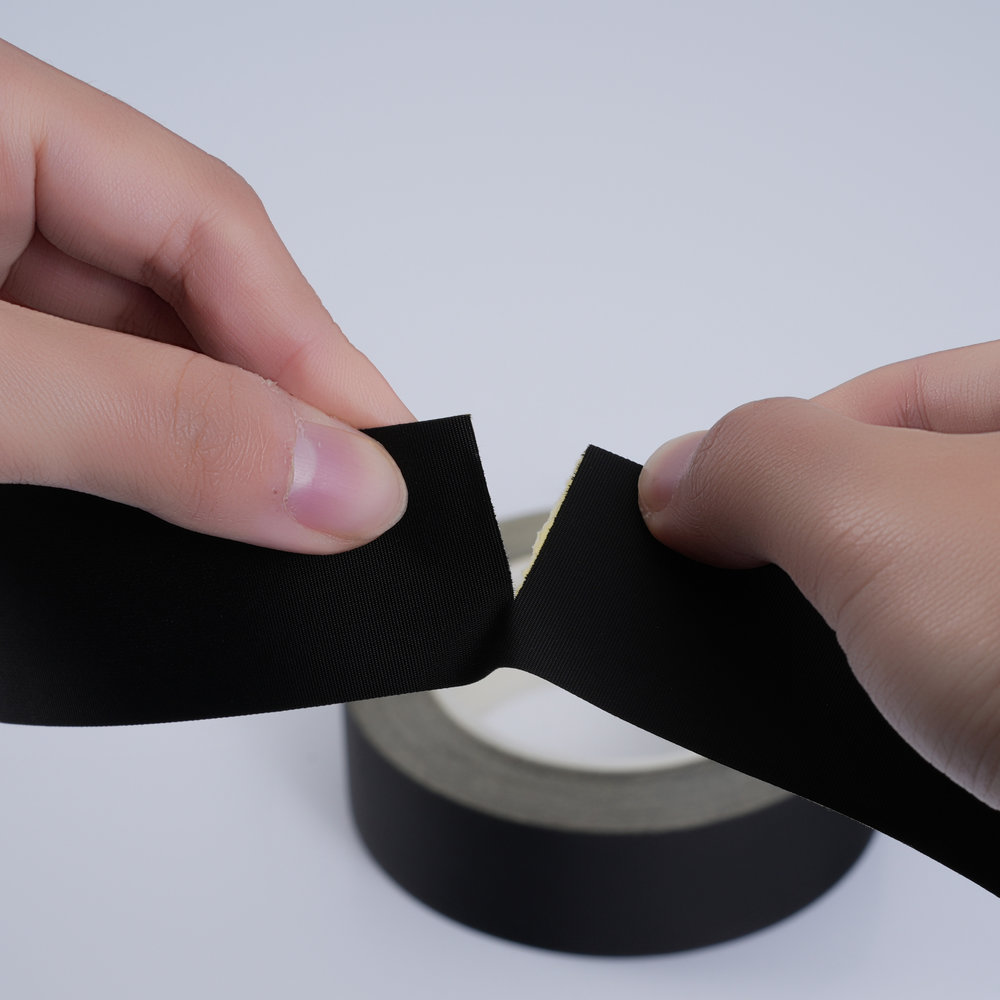 Is Acetate Cloth Tape the Ultimate Flame-Retardant Solution for Electrical Insulation?
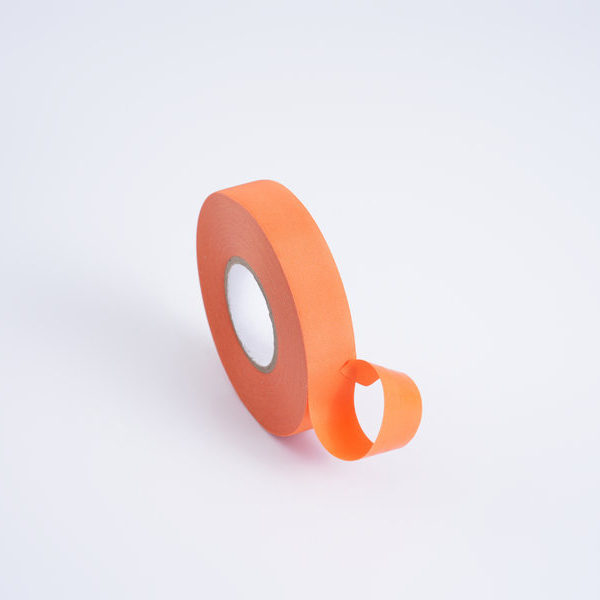 Why High-Temperature Orange Automotive Wire Harness Tape is the Smart Choice for High-Heat Engine Bays
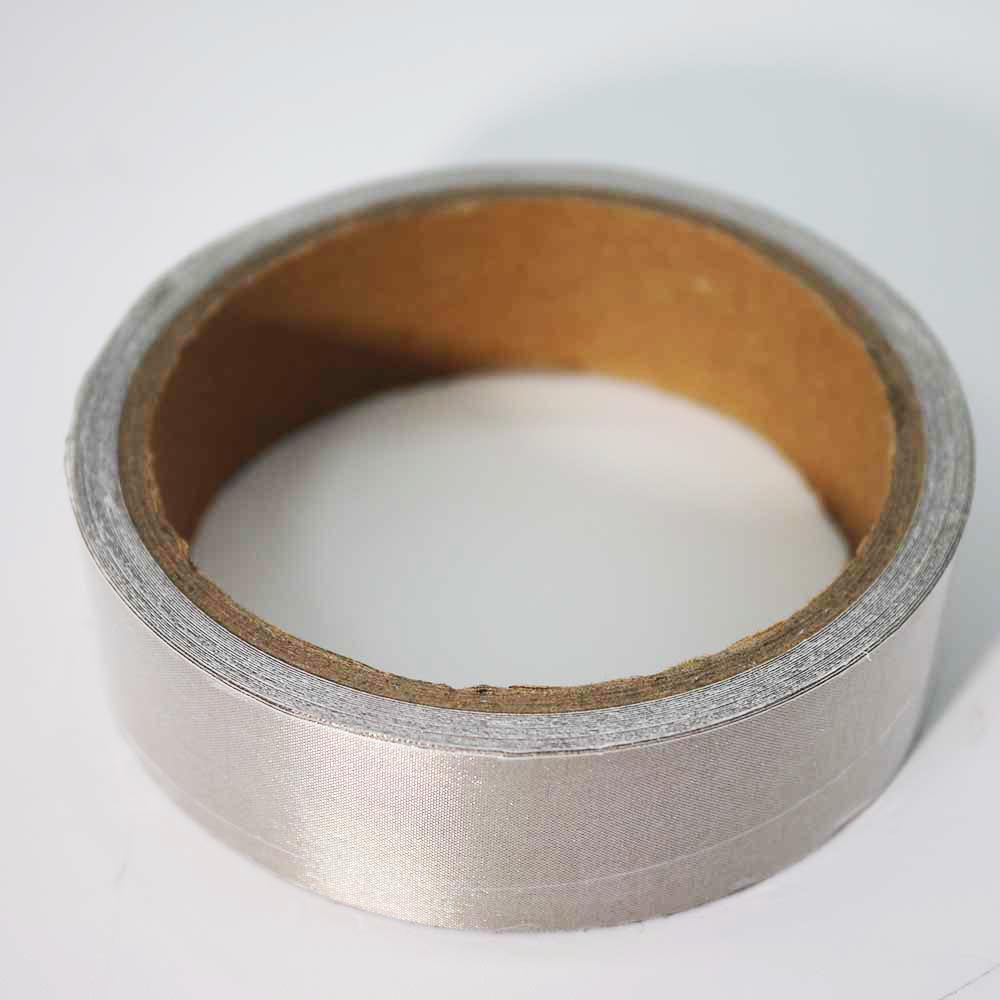 Can Double-Sided Conductive Fabric Tape Replace Traditional EMI Gaskets?
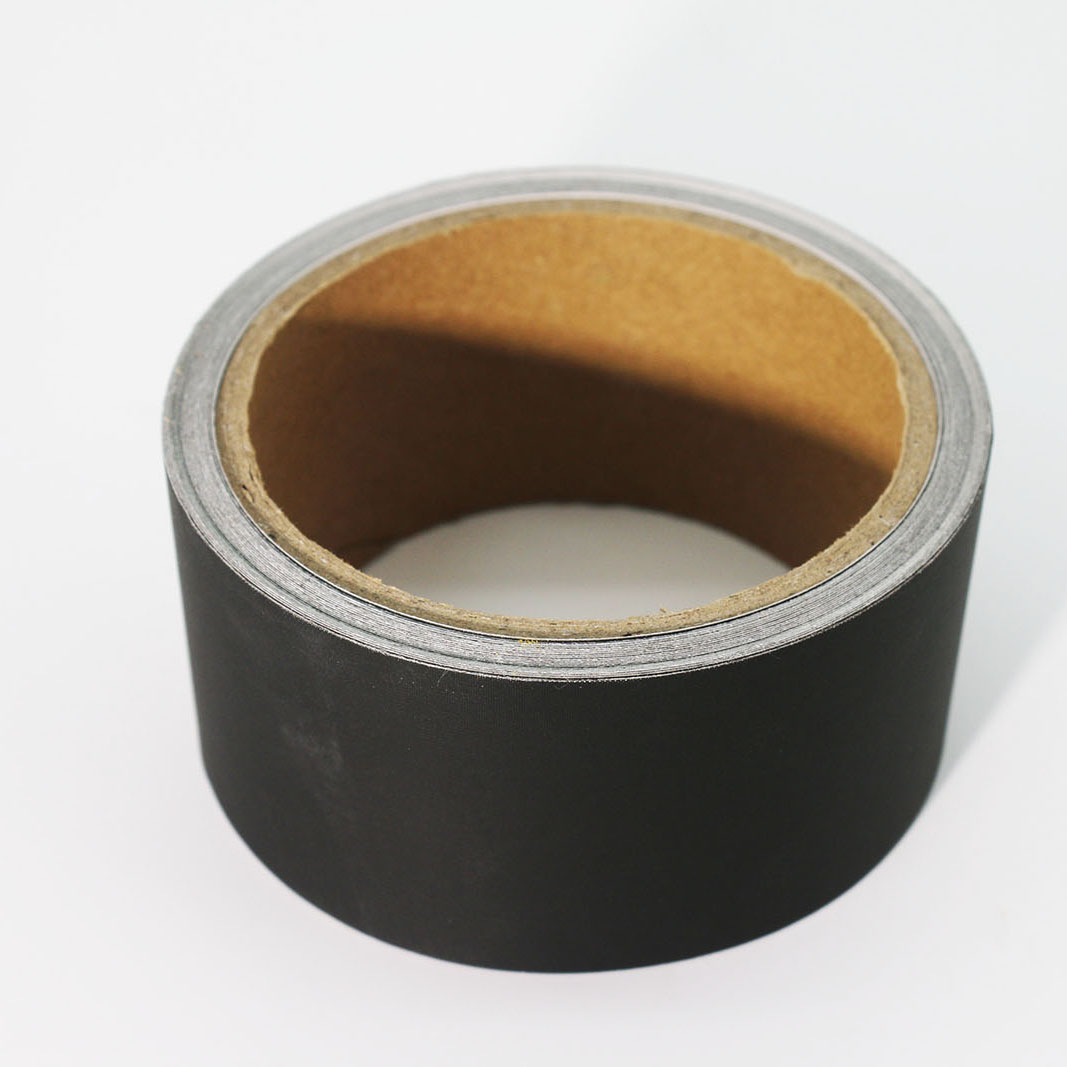 Why Black Conductive Fabric Tape is the Go-To for Light-Sensitive Electronics