
Comparing Adhesive Types Used in Industrial Cloth Electrical Tapes
When selecting industrial cloth electrical tape, most buyers focus on the backing material—nylon or acetate.
However, the adhesive system is just as important, especially in high-temperature control cabinets and industrial environments.
Understanding different adhesive types can help engineers and procurement teams choose the right tape for long-term performance.
Let’s compare the most common adhesive systems used in industrial cloth electrical tapes.
1. Rubber-Based Adhesives
Characteristics
-
Strong initial tack
-
Good bonding on irregular surfaces
-
Cost-effective
Limitations
-
Lower heat resistance
-
Faster aging under continuous high temperature
-
Higher risk of residue
Rubber-based adhesives are common in general-purpose cloth tapes but may not be ideal for high-temperature industrial cabinets.
2. Synthetic Rubber Adhesives
Characteristics
-
Improved thermal stability compared to natural rubber
-
Balanced adhesion and cost
-
Suitable for moderate industrial use
Performance
Synthetic rubber adhesives are widely used in mid-range industrial cloth tapes. They perform better under controlled cabinet temperatures but still have limits under prolonged heat exposure.
3. Acrylic Adhesives
Characteristics
-
Excellent heat resistance
-
Superior aging performance
-
Low residue after long-term use
Advantages
Acrylic adhesive systems offer:
-
Strong long-term bonding
-
Stable performance under continuous temperature
-
Better resistance to oxidation
For high-performance industrial control panels, acrylic-based cloth tapes are often preferred.
4. Pressure-Sensitive Adhesive (PSA) Optimization
Most industrial cloth electrical tapes use pressure-sensitive adhesive systems. Performance depends on:
-
Coating thickness
-
Adhesive formulation
-
Curing process
-
Backing compatibility
High-quality manufacturers carefully balance adhesive strength and clean removal to ensure long service life.
5. How to Choose the Right Adhesive Type
Selection should consider:
-
Continuous operating temperature
-
Vibration exposure
-
Required service life
-
Maintenance frequency
For high-heat, long-term industrial applications, acrylic adhesive cloth tapes typically offer the best durability.
For moderate environments, synthetic rubber systems may provide a cost-performance balance.
Final Thoughts
When comparing industrial cloth electrical tapes, don’t focus only on nylon vs acetate backing.
The adhesive system plays a critical role in:
-
Long-term adhesion stability
-
Heat resistance
-
Maintenance convenience
-
Overall lifecycle cost
Choosing the right adhesive type can significantly improve reliability inside control cabinets and industrial wiring systems.
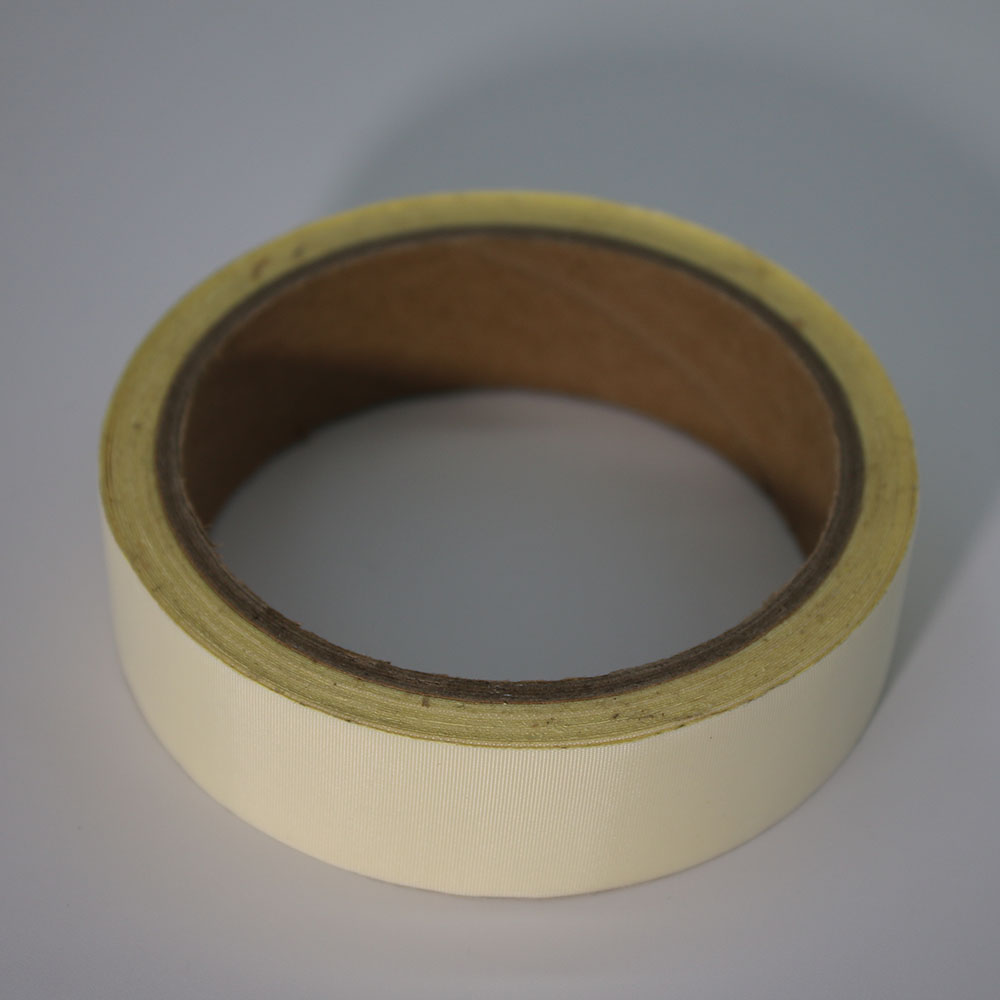 Can a Multi-Layer Nylon Cloth Tape with Optional Aluminum Foil Backing Really Bundle Hot-Engine Wiring and Absorb Minor Vibration in One Wrap
 Can a Laser Inkjet and Thermal Transfer Compatible Printable Adhesive Label Tape Really Survive Warehouse Scuffs and Freezer Storage While Staying Scannable
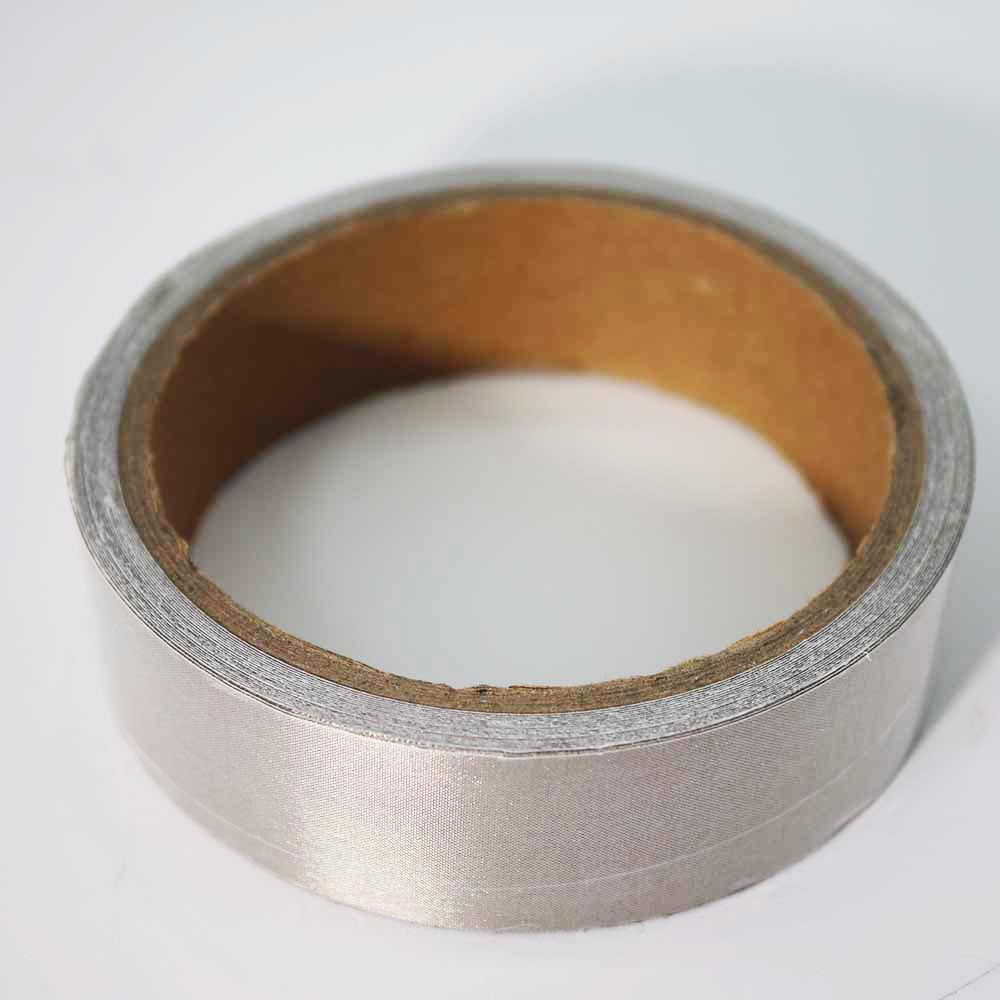 Does Double-Sided Conductive Fabric Tape Actually Replace Traditional EMI Gaskets in Compact Electronics?
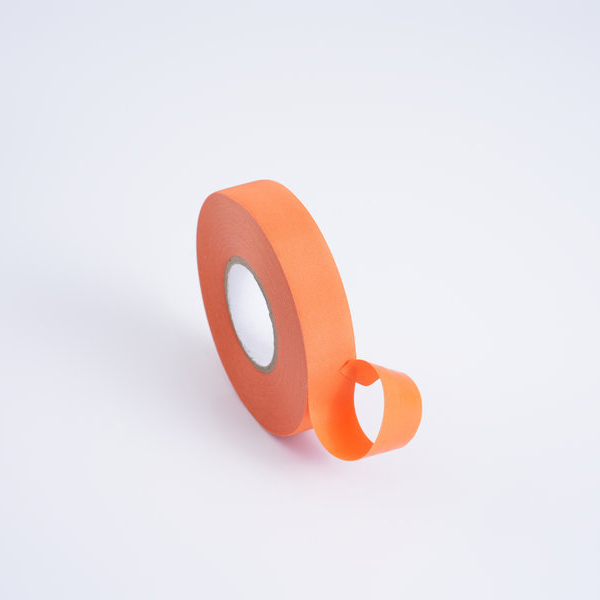 Will a Flame-Retardant Orange Fabric Wire Harness Tape Withstand 150 degrees Under the Hood Without Leaving Residue?
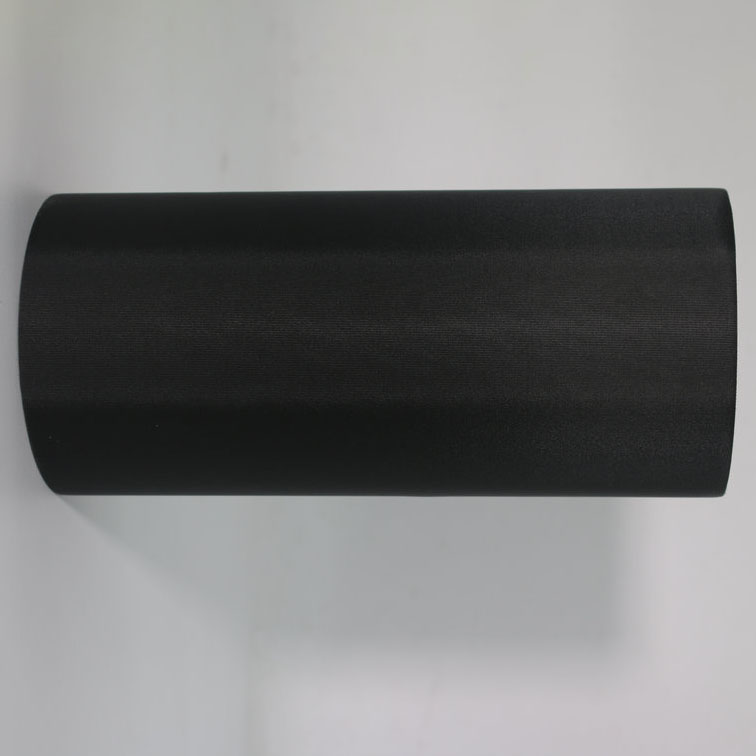 Can a Single Light-Blocking Tape Replace Multiple Shielding Layers in Display Assembly?
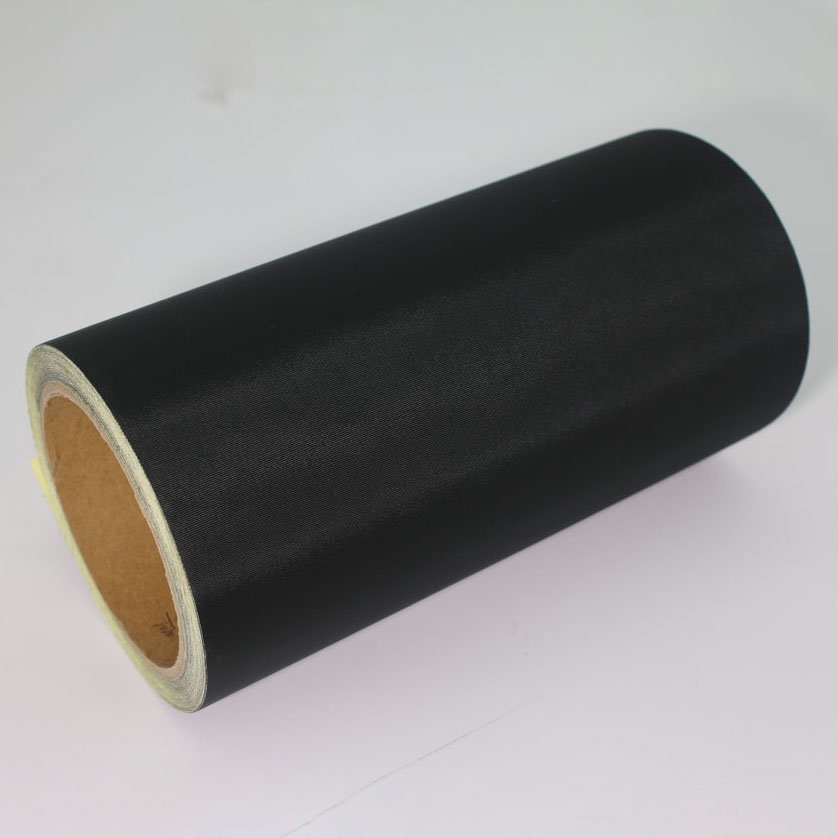 Can a 0.05mm Light Blocking Tape Really Deliver 99.9 percent Blackout for Sensitive Optics?
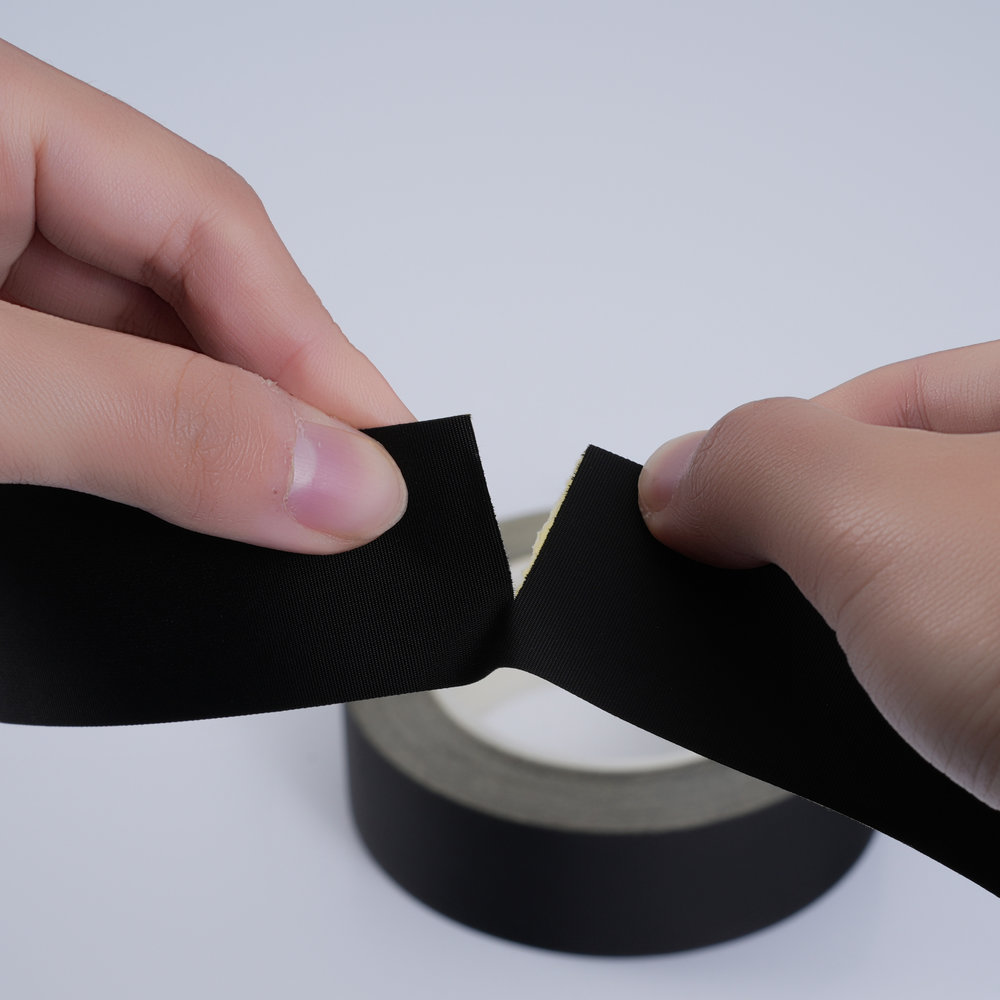 Is Acetate Cloth Tape the Ultimate Flame-Retardant Solution for Electrical Insulation?
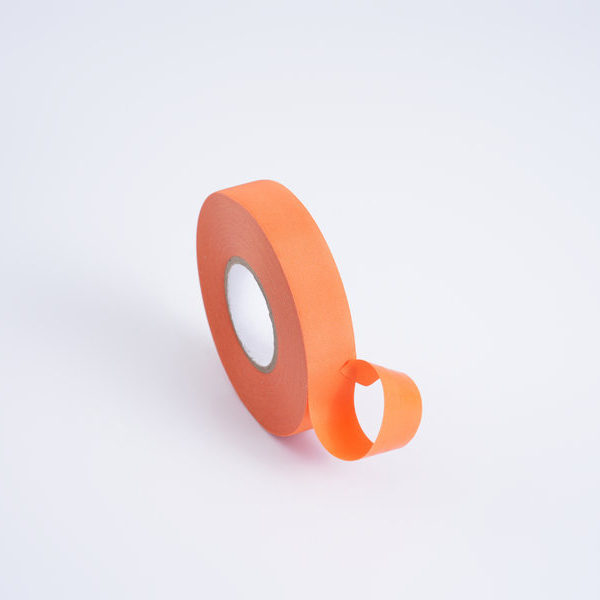 Why High-Temperature Orange Automotive Wire Harness Tape is the Smart Choice for High-Heat Engine Bays
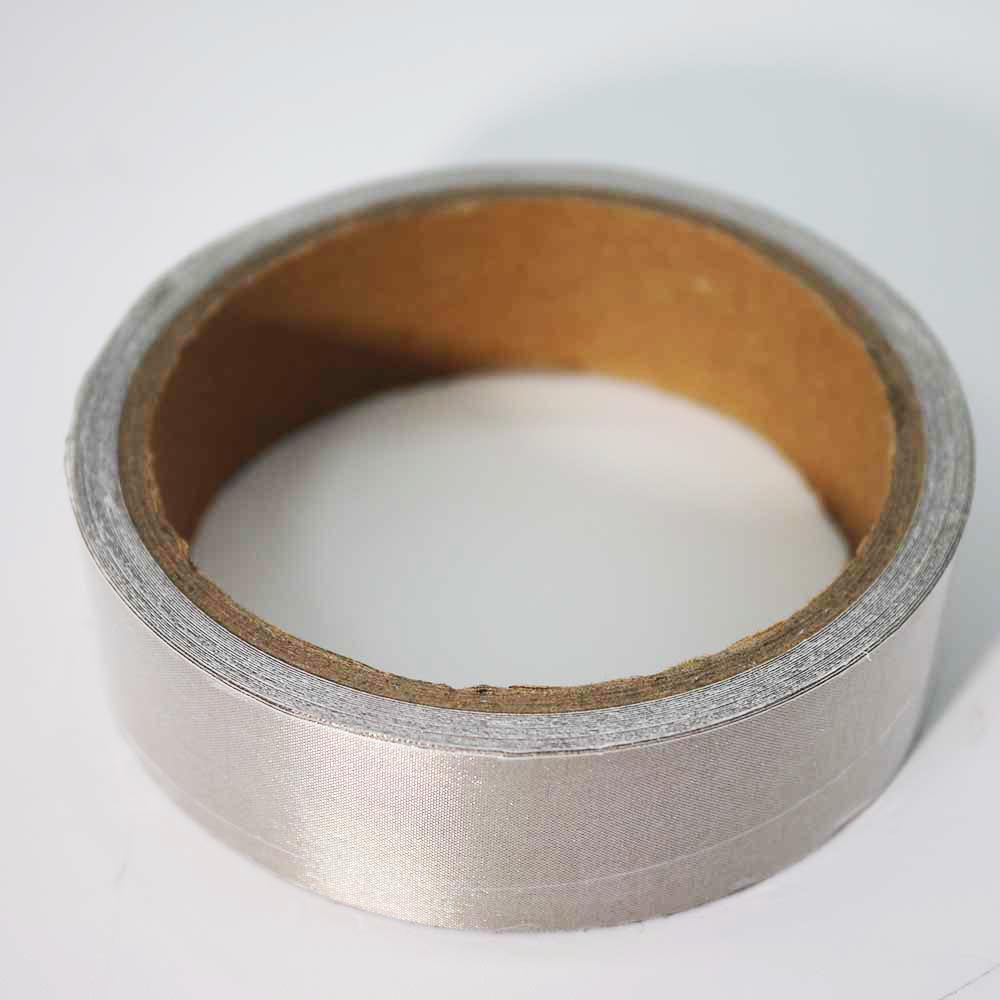 Can Double-Sided Conductive Fabric Tape Replace Traditional EMI Gaskets?
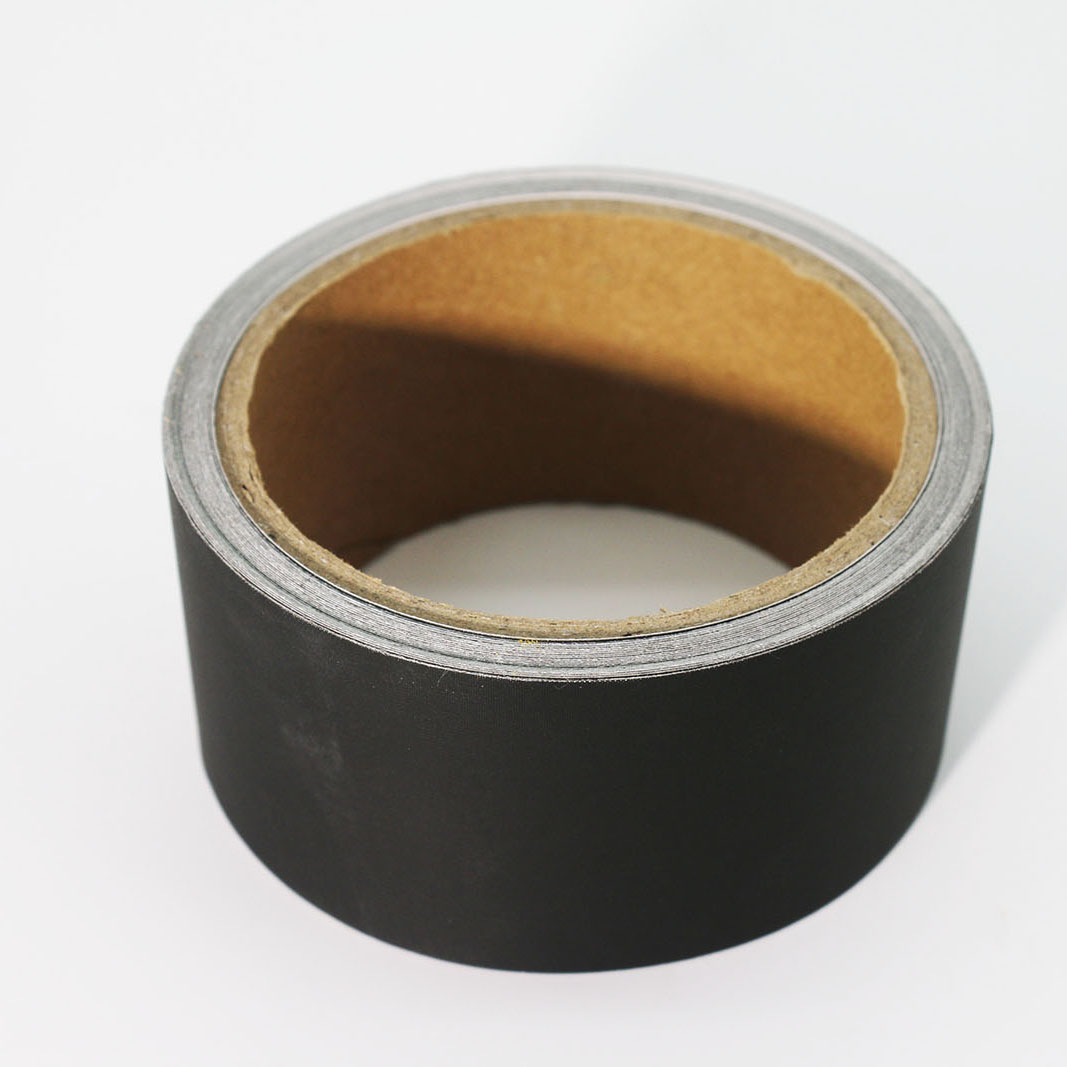 Why Black Conductive Fabric Tape is the Go-To for Light-Sensitive Electronics