
Why Acrylic Adhesive Cloth Tape Is Preferred for Long-Term Industrial Wiring
When selecting electrical tape for industrial wiring, many buyers focus on the backing material—such as nylon cloth or acetate cloth. However, one of the most critical factors behind long-term performance is actually the adhesive system.
Among the different adhesive technologies used in industrial tapes, acrylic adhesive cloth tape has become a preferred option for long-term industrial wiring. Its stability, heat resistance, and aging performance make it particularly suitable for demanding electrical environments.
Let’s explore why acrylic adhesive cloth tape stands out in industrial applications.
1. Superior Heat Resistance for Continuous Operation
Industrial wiring systems often operate continuously for years inside:
-
control cabinets
-
automation panels
-
power distribution systems
-
industrial machinery
Temperatures inside these environments may remain between 40°C and 80°C, with occasional spikes near power components.
Acrylic adhesive systems are designed to maintain stable bonding performance under elevated temperatures. Unlike many rubber-based adhesives, acrylic adhesives resist softening, melting, or adhesive migration during prolonged heat exposure.
This makes acrylic adhesive cloth tape ideal for long-term wiring insulation and bundling.
2. Excellent Aging Resistance
One of the biggest challenges for electrical tape in industrial environments is aging.
Over time, adhesives can:
-
dry out
-
lose bonding strength
-
leave sticky residue
-
crack or detach from wire insulation
Acrylic adhesives are known for their excellent oxidation resistance and chemical stability. Even after years of service, they maintain consistent adhesion and mechanical performance.
This long-term reliability is one reason why many OEMs and panel manufacturers prefer acrylic-based electrical tapes.
3. Cleaner Removal During Maintenance
Industrial control panels and wiring systems require occasional maintenance or upgrades.
During servicing, technicians often need to remove existing tape. When inferior adhesives are used, the tape may leave behind sticky residue that attracts dust and contaminants.
Acrylic adhesive cloth tapes are typically designed for clean removal with minimal residue, making maintenance easier and faster. This feature is particularly valuable in environments where cleanliness and wiring clarity are important.
4. Strong Adhesion on Different Surfaces
Industrial wiring involves a variety of surfaces, including:
-
PVC cable insulation
-
rubber insulation
-
metal surfaces
-
plastic cable conduits
Acrylic adhesive systems provide reliable bonding across multiple materials, ensuring wire bundles stay secure over long periods.
This versatility allows one tape type to be used across different wiring applications.
5. Better Resistance to Environmental Factors
Industrial environments expose wiring tapes to conditions such as:
-
temperature fluctuations
-
dust accumulation
-
humidity
-
mild chemical exposure
Acrylic adhesives offer better resistance to these environmental factors compared with traditional rubber-based adhesives.
As a result, the tape maintains adhesion and insulation performance even after extended exposure to harsh operating conditions.
Final Thoughts
While the backing material of electrical tape is important, the adhesive system ultimately determines long-term performance.
Acrylic adhesive cloth tapes provide key advantages for industrial wiring, including:
-
superior heat resistance
-
excellent aging stability
-
clean maintenance handling
-
reliable bonding across surfaces
For long-term industrial installations, these properties make acrylic adhesive cloth tape one of the most dependable choices.
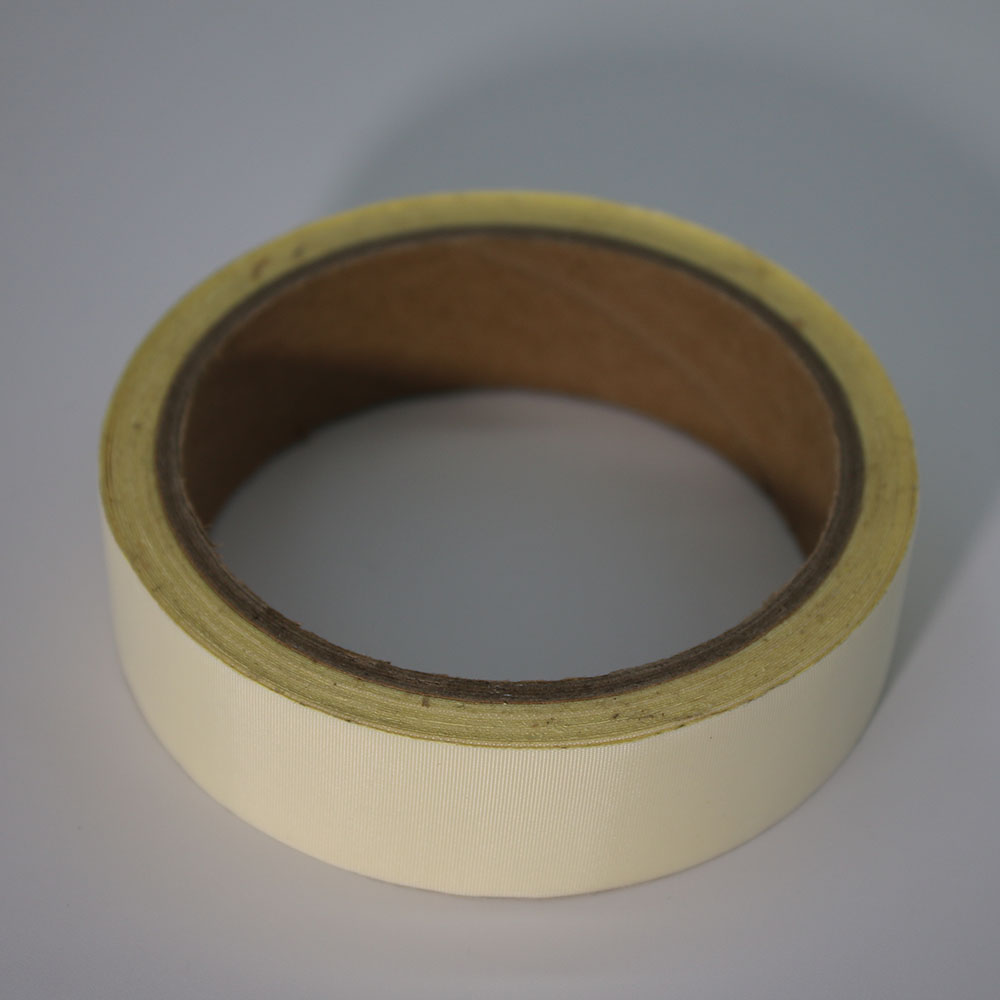 Can a Multi-Layer Nylon Cloth Tape with Optional Aluminum Foil Backing Really Bundle Hot-Engine Wiring and Absorb Minor Vibration in One Wrap
 Can a Laser Inkjet and Thermal Transfer Compatible Printable Adhesive Label Tape Really Survive Warehouse Scuffs and Freezer Storage While Staying Scannable
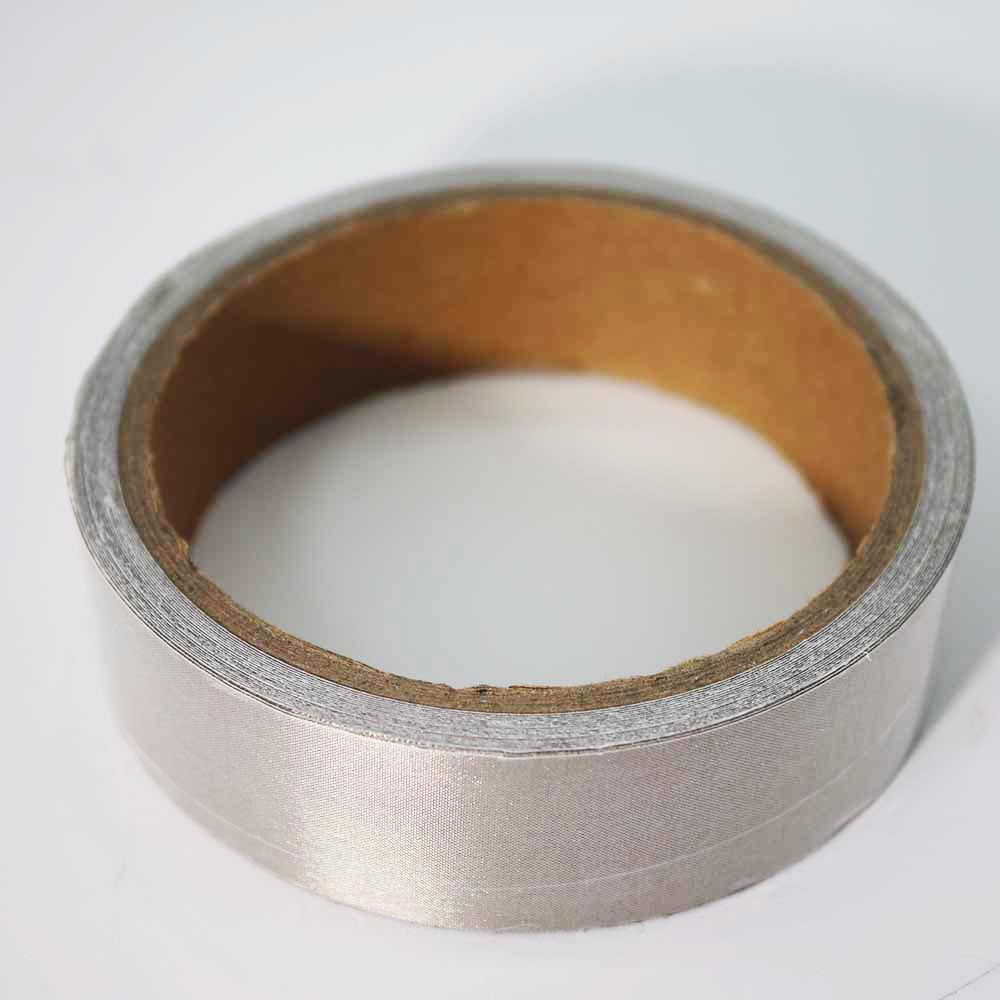 Does Double-Sided Conductive Fabric Tape Actually Replace Traditional EMI Gaskets in Compact Electronics?
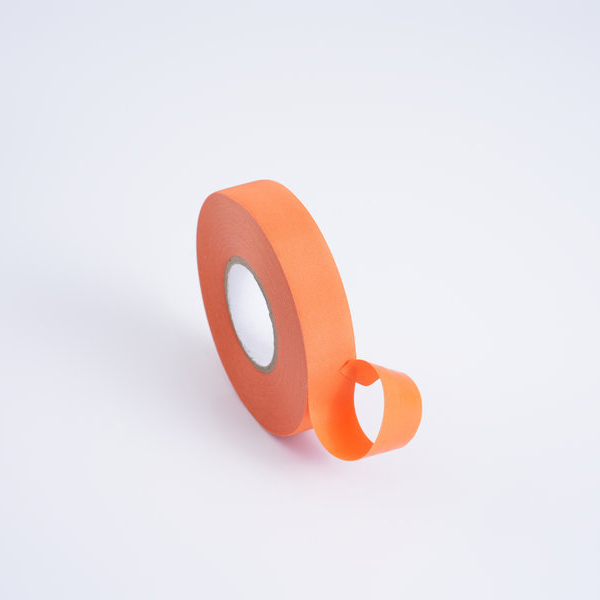 Will a Flame-Retardant Orange Fabric Wire Harness Tape Withstand 150 degrees Under the Hood Without Leaving Residue?
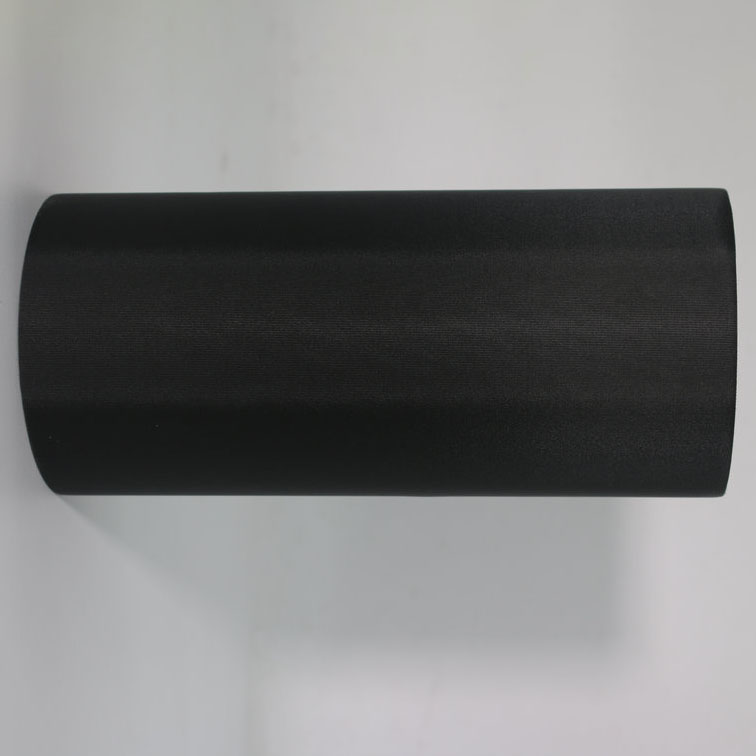 Can a Single Light-Blocking Tape Replace Multiple Shielding Layers in Display Assembly?
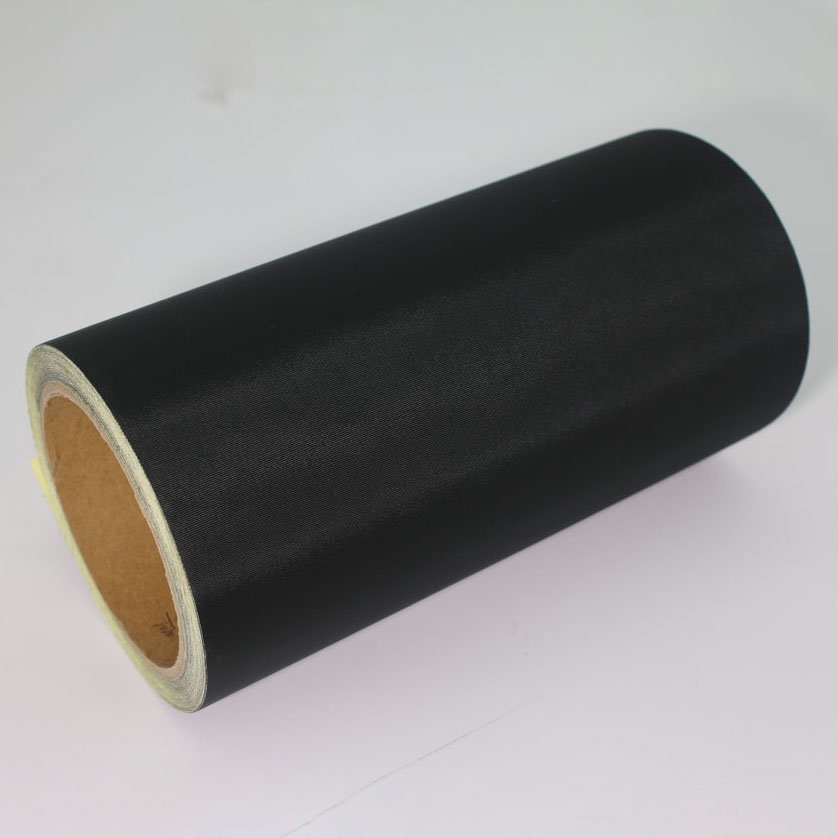 Can a 0.05mm Light Blocking Tape Really Deliver 99.9 percent Blackout for Sensitive Optics?
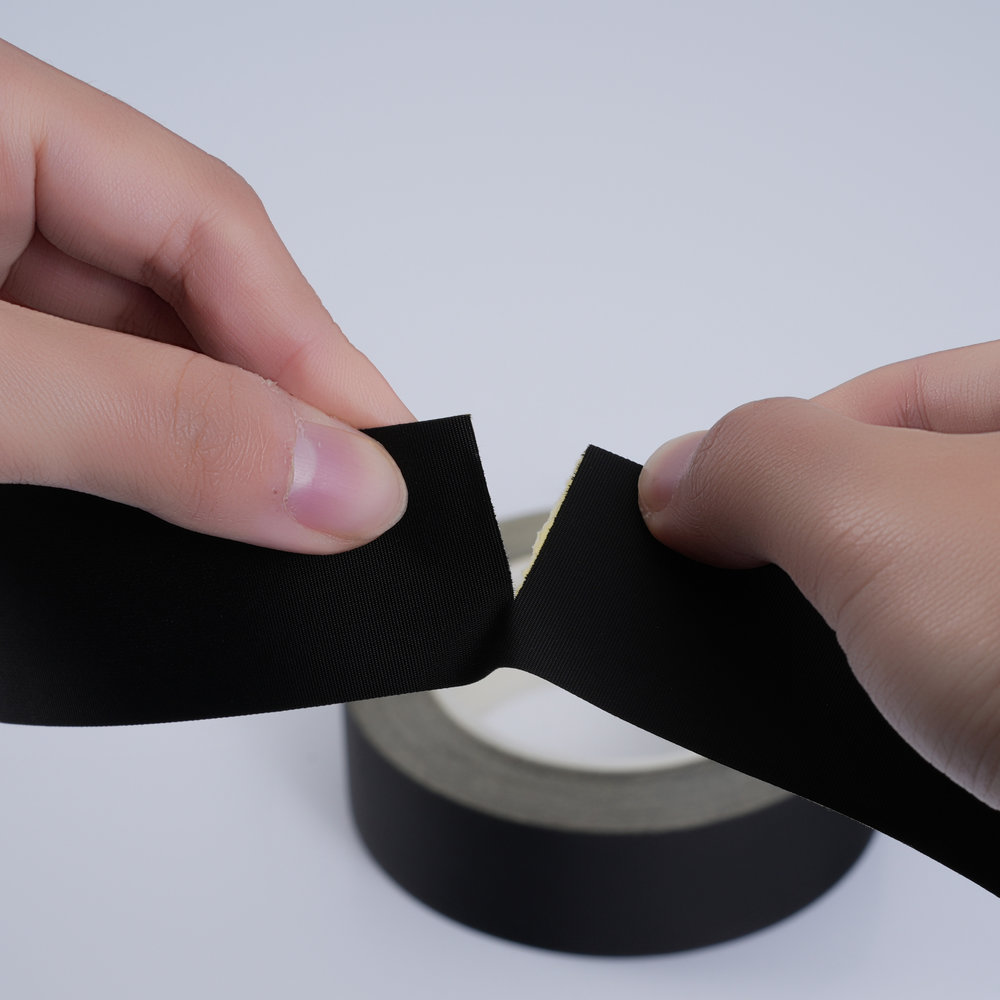 Is Acetate Cloth Tape the Ultimate Flame-Retardant Solution for Electrical Insulation?
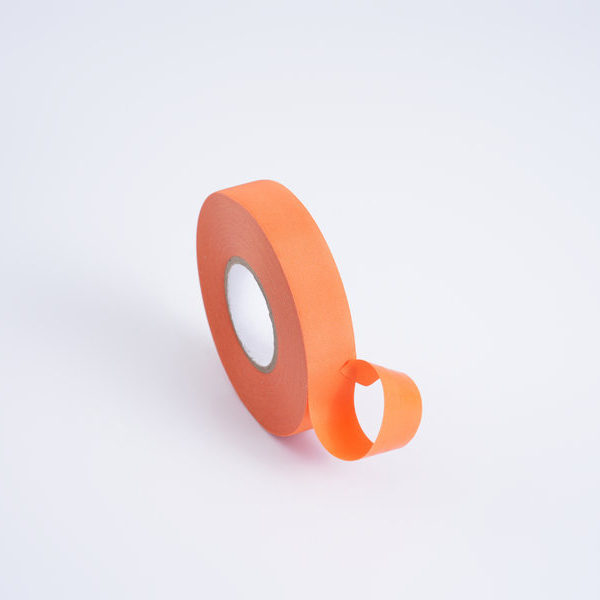 Why High-Temperature Orange Automotive Wire Harness Tape is the Smart Choice for High-Heat Engine Bays
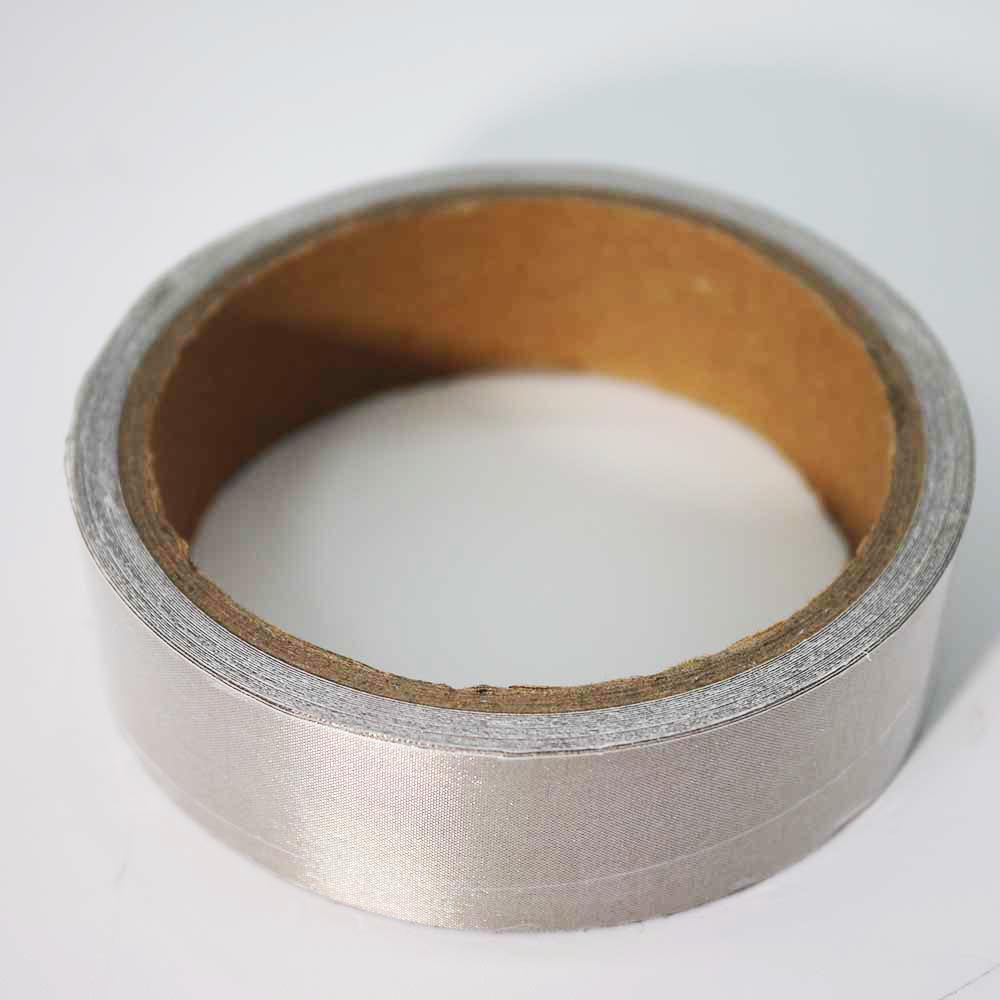 Can Double-Sided Conductive Fabric Tape Replace Traditional EMI Gaskets?
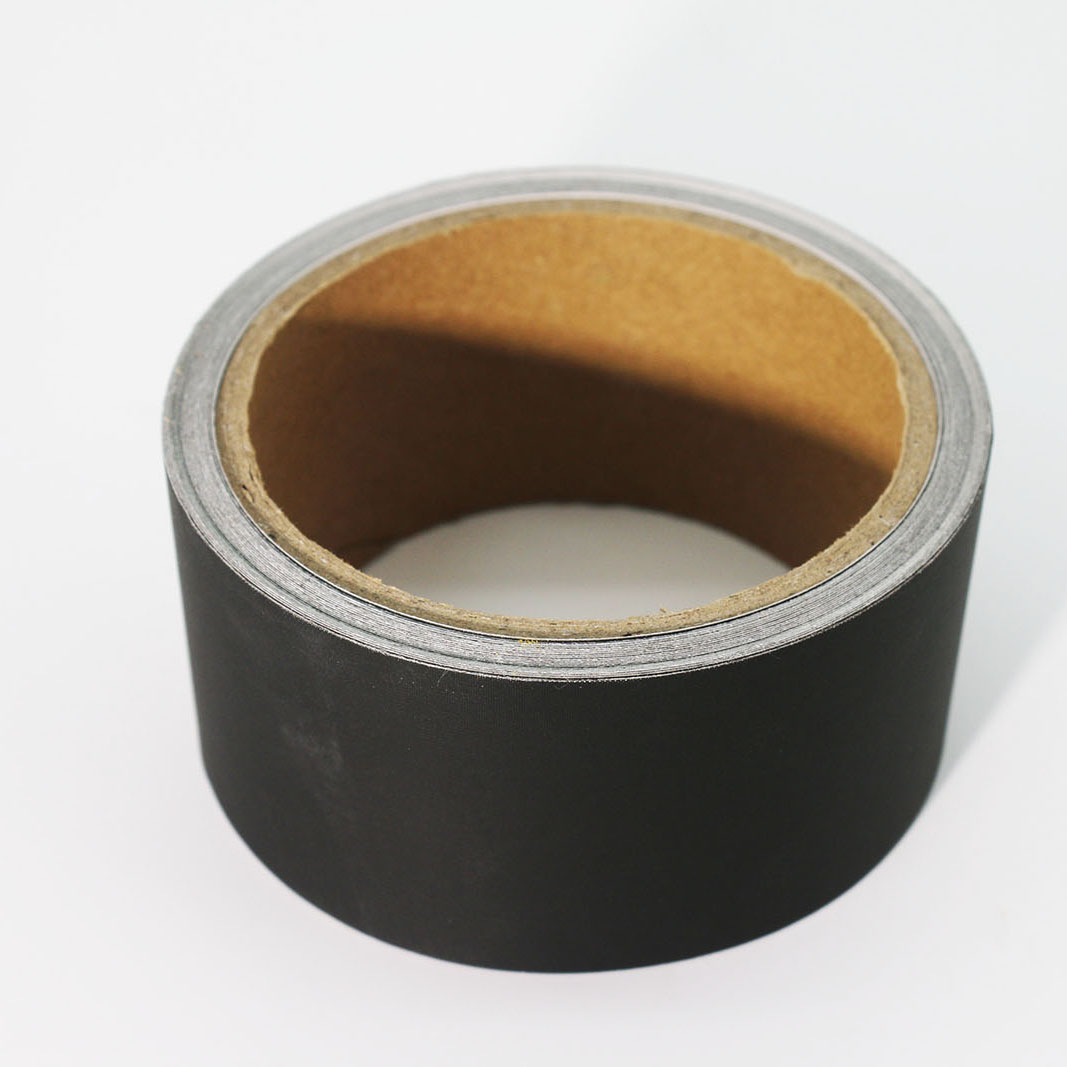 Why Black Conductive Fabric Tape is the Go-To for Light-Sensitive Electronics