
How Do You Choose the Right Acetate Cloth Tape for High-Temperature Insulation?
Are you looking for a flame‑retardant tape for transformers, motors, or electronics insulation? If so, the acetate cloth tape series is something you should highly consider. But the question is: How do you pick the right material, thickness, or adhesive? This article walks U.S. buyers through specifications, customization choices, and why sourcing from a Chinese acetate cloth tape supplier can be both cost‑effective and technical‑sound.
What Makes Acetate Cloth Tape Special?
Acetate cloth tape is made of cotton or rayon cloth coated with acrylic adhesive. Known for high temperature resistance (often rated 130–155 °C) and UL94 V‑0 flame ratings, it’s widely used in transformers, PCB insulation, automotive coil wrapping, and thermal sensors.
Basically, it’s not just tape—it’s a certified insulation product.
Typical Applications You Can’t Ignore
-
Transformer insulation: inter-layer, coil wrapping, bushing protection
-
Motor windings: to prevent shorts and coil abrasion
-
Battery pack insulation: flame safe backing for lithium modules
-
PCB reinforcement or edge insulation
-
Coil stabilization in inductors or chokes
How to Specify the Right Acetate Cloth Tape?
Here’s what you should define before ordering:
| Parameter | Why It Matters |
|---|---|
| Thickness (e.g. 0.20 mm) | affects insulation and wrapping ease |
| Adhesive type | acrylic is fire-safe; rubber less so |
| Flame rating | UL94 V‑0 vs. V‑2 |
| Color | typically grey-black; custom options |
| Roll size/width | e.g. 50 mm, 1270 mm, custom |
| Certifications | RoHS, REACH, UL available |
When you work with a China-based acetate cloth tape manufacturer, they can tailor these specs per your drawing or certification needs.
Why Americans Buy From Chinese Manufacturers
You might think importing is risky. But here’s the thing: China suppliers like Anhui Yijiayi Technology Co., Ltd. control the end-to-end process—textile weaving, coating, slitting, packaging.
You get:
-
Competitive cost thanks to scale
-
Bulk ordering & volume discounts
-
OEM/ODM support for custom size and color
-
Lower lead times (if supplier has better logistics)
-
Certifications for product safety and export compliance
Real Cases of Use
Let’s look at actual use cases:
-
A motor manufacturer sourcing coil insulating tape for transformers
-
An EV battery OEM needing UL-rated acetate cloth inside modules
-
A domestic appliance maker wrapping high-voltage elements in air conditioners or ovens
In every case, the right tolerance and adhesive specification made all the difference.
Tips to Ensure You Get It Right
-
Always send a template or winding sample
-
Request compliance certificates from your supplier
-
Ask for test data like peel force, heat-aging
-
Try initial low-volume sampling
-
Make sure your purchase order includes flame rating and tolerance terms
Transitioning to Leadership
Choosing the right acetate cloth tape isn’t just about saving pennies—it’s about safety and longevity. Especially in HVAC, EV, and transformer manufacturing, a bad tape spec can lead to field failures, recalls or worse.
If you’re a U.S. buyer sourcing high‑temp insulation tape, consider acetate cloth tape for its flame safety and reliability. Partnering with a China factory‑direct acetate cloth tape supplier gives you the specs you need at lower cost. And if you need help with technical datasheets or sample prep, don’t hesitate to reach out.
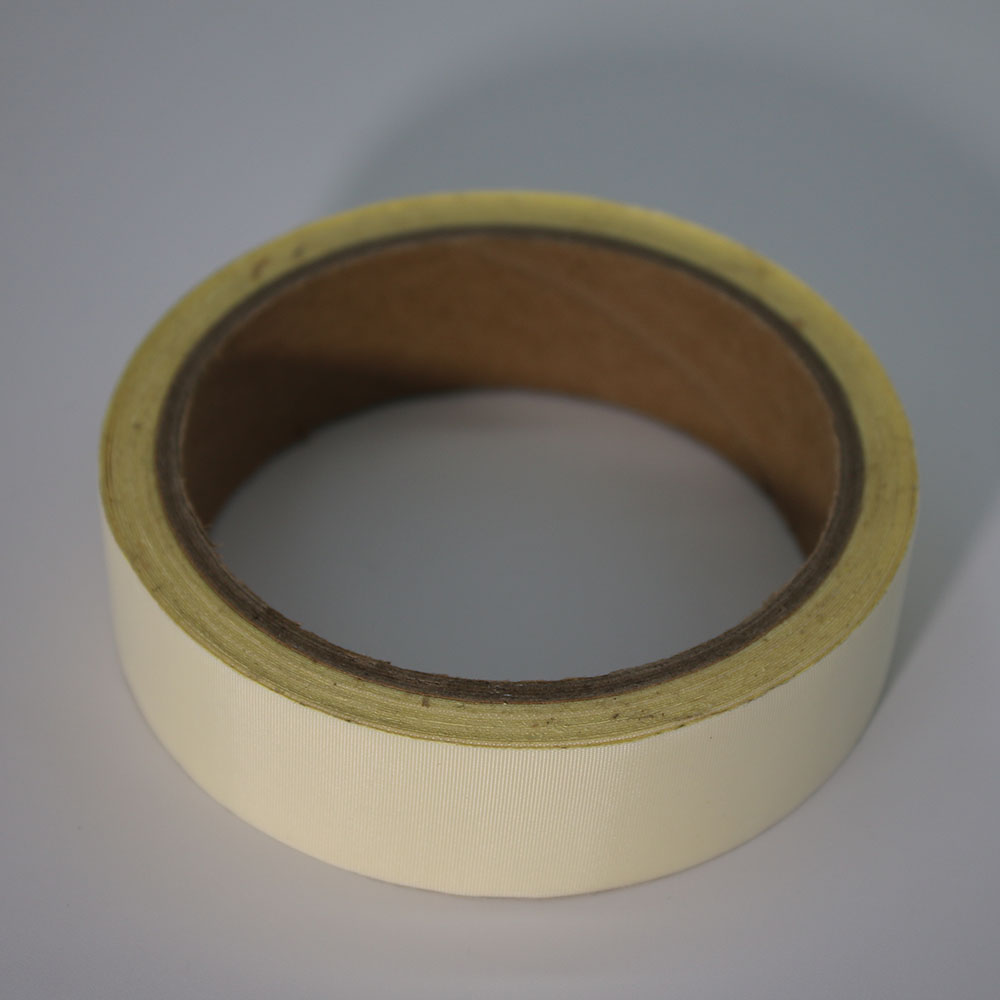 Can a Multi-Layer Nylon Cloth Tape with Optional Aluminum Foil Backing Really Bundle Hot-Engine Wiring and Absorb Minor Vibration in One Wrap
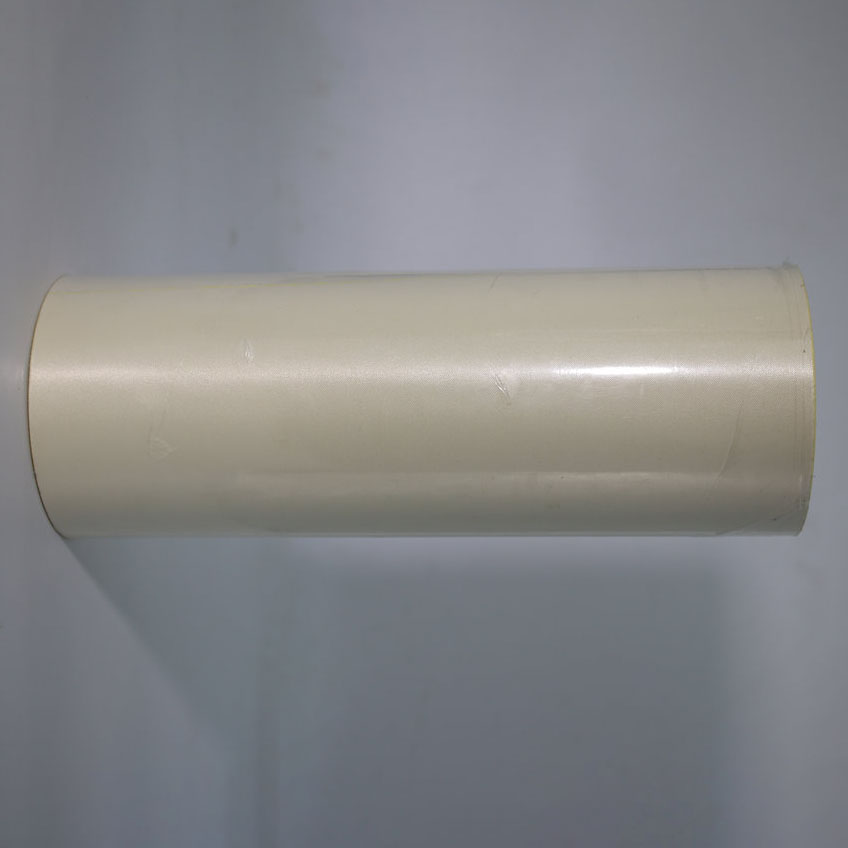 Can a Laser Inkjet and Thermal Transfer Compatible Printable Adhesive Label Tape Really Survive Warehouse Scuffs and Freezer Storage While Staying Scannable
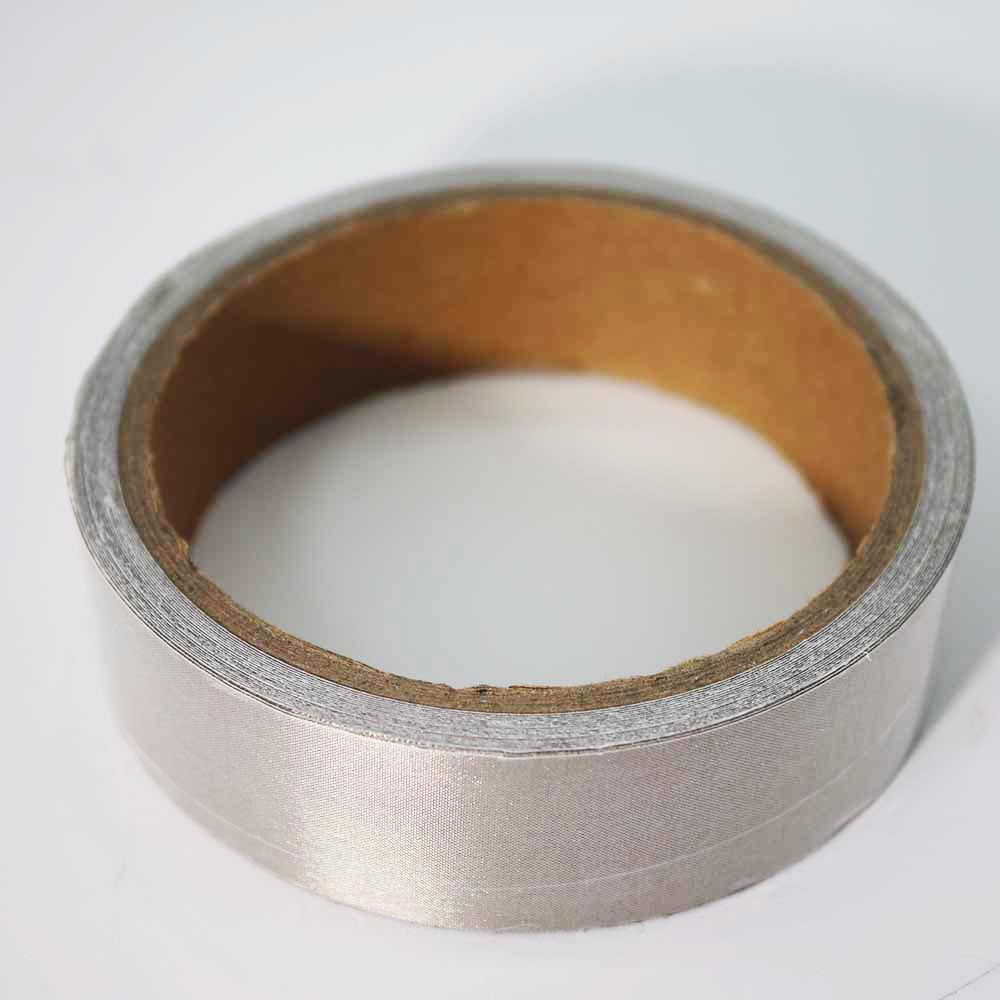 Does Double-Sided Conductive Fabric Tape Actually Replace Traditional EMI Gaskets in Compact Electronics?
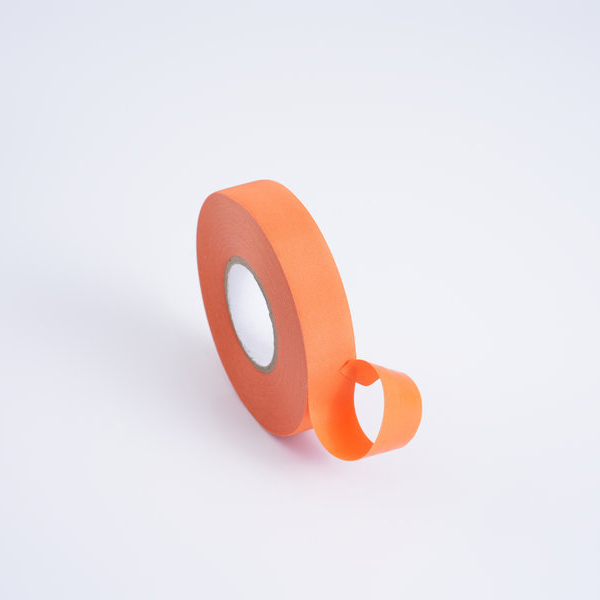 Will a Flame-Retardant Orange Fabric Wire Harness Tape Withstand 150 degrees Under the Hood Without Leaving Residue?
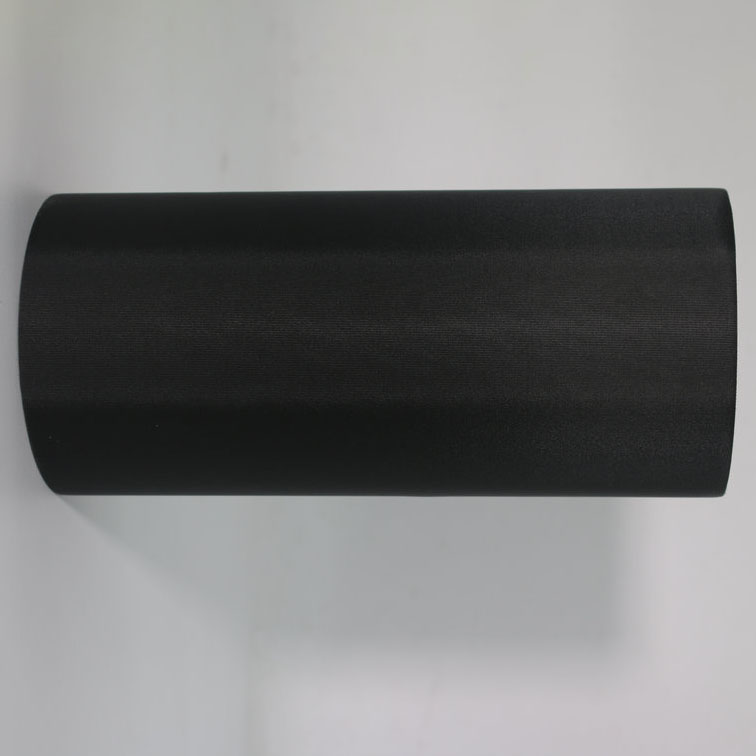 Can a Single Light-Blocking Tape Replace Multiple Shielding Layers in Display Assembly?
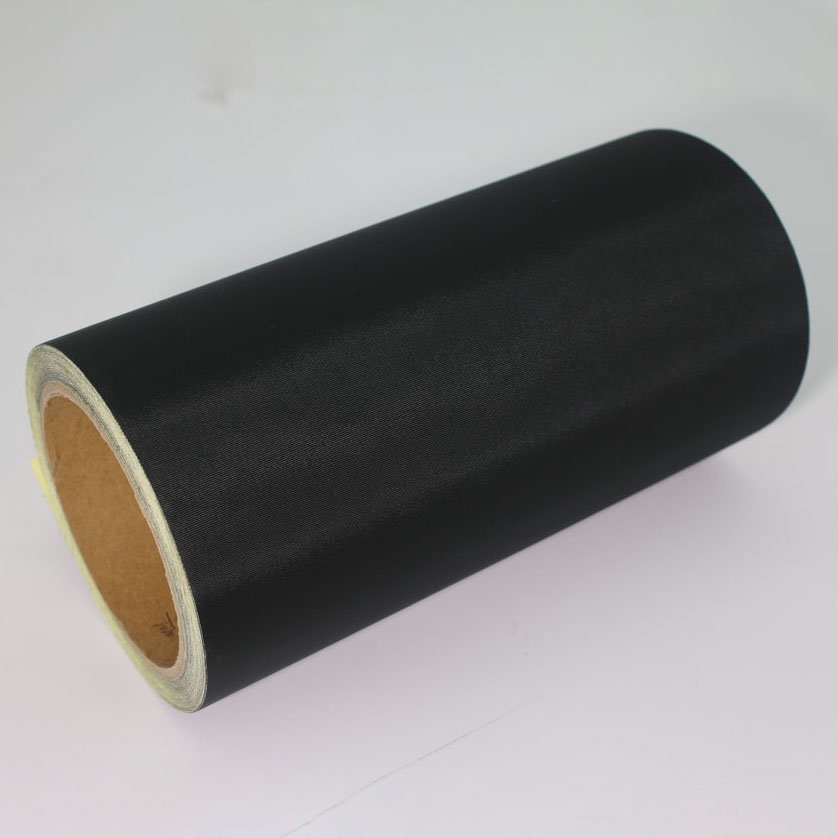 Can a 0.05mm Light Blocking Tape Really Deliver 99.9 percent Blackout for Sensitive Optics?
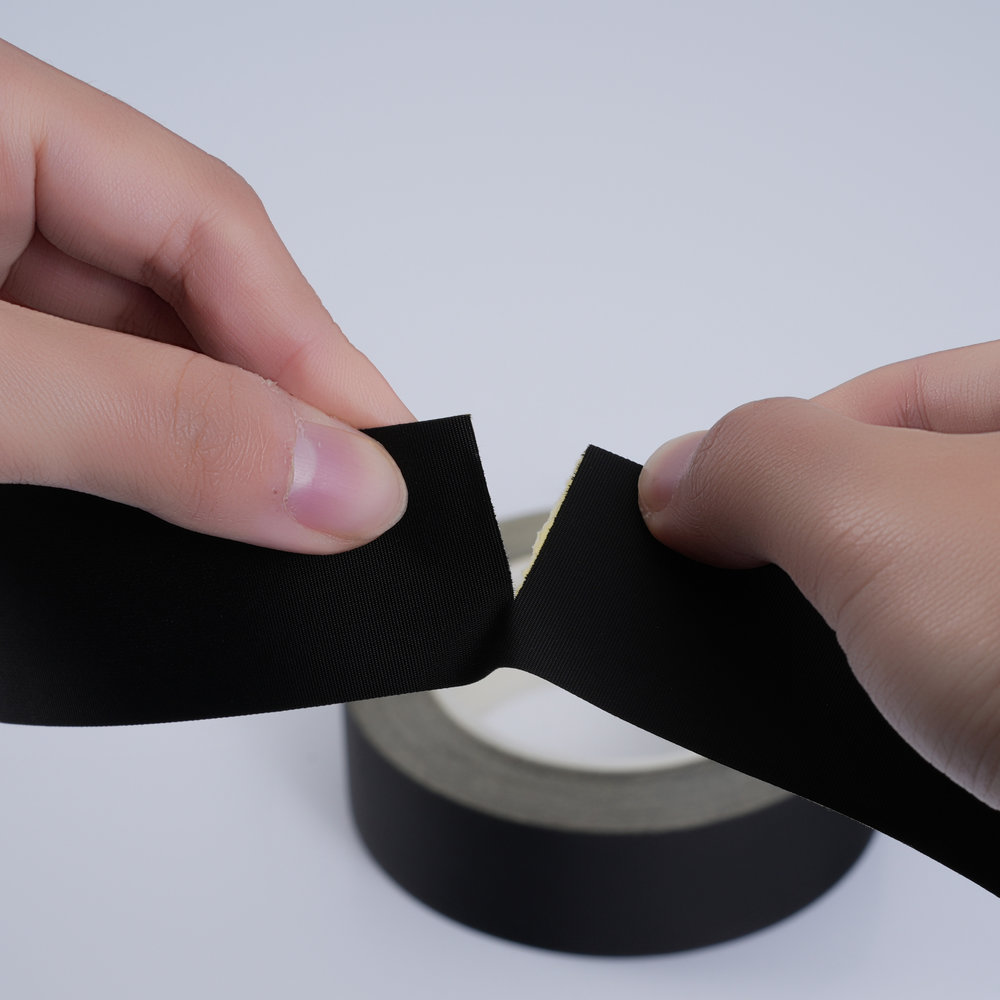 Is Acetate Cloth Tape the Ultimate Flame-Retardant Solution for Electrical Insulation?
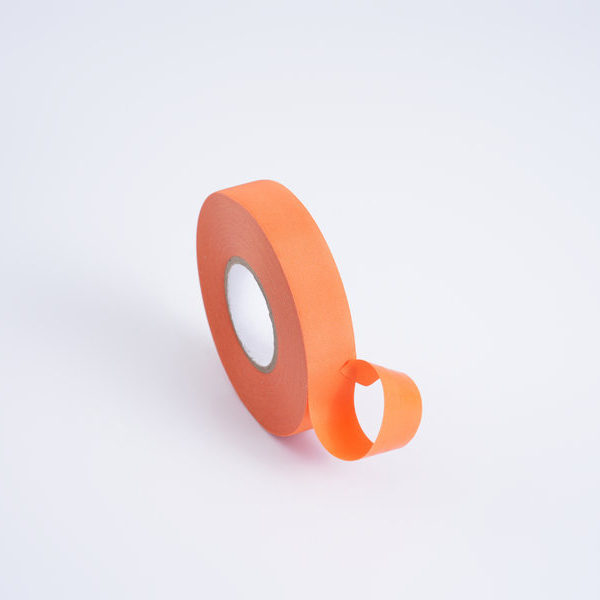 Why High-Temperature Orange Automotive Wire Harness Tape is the Smart Choice for High-Heat Engine Bays
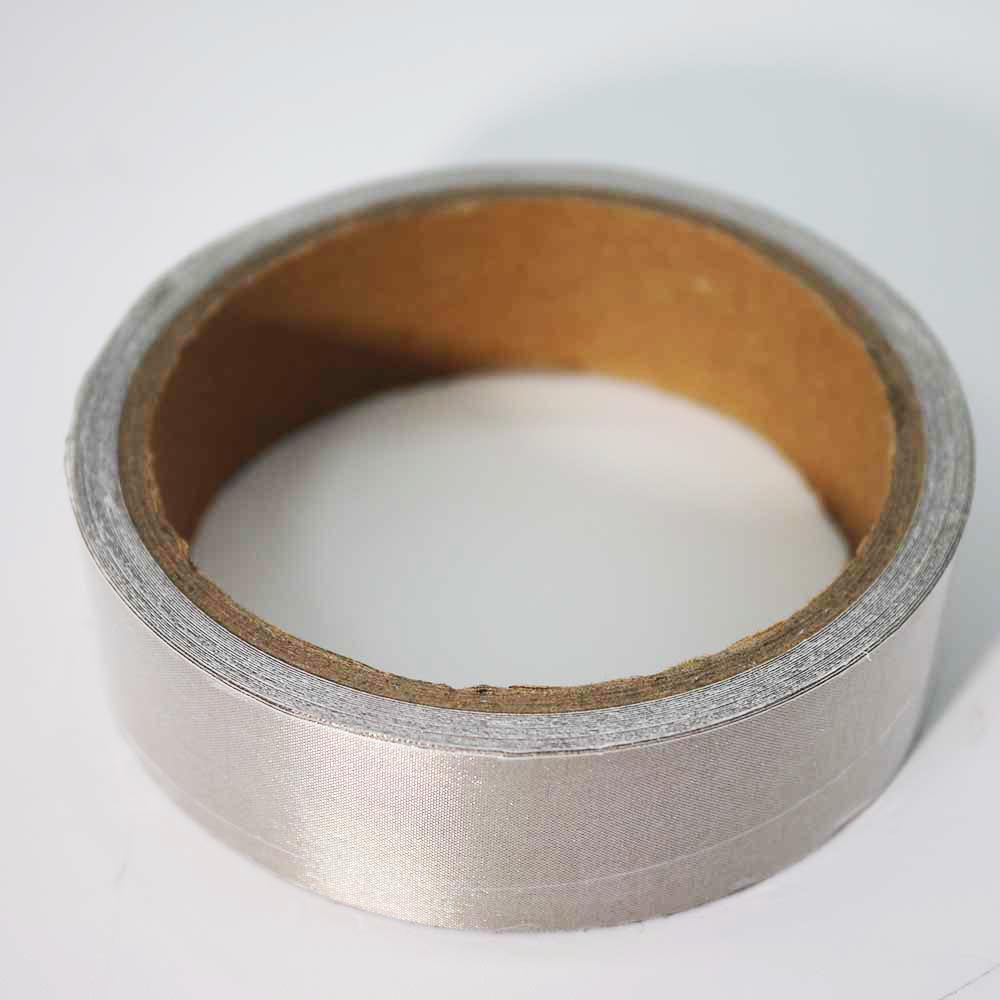 Can Double-Sided Conductive Fabric Tape Replace Traditional EMI Gaskets?
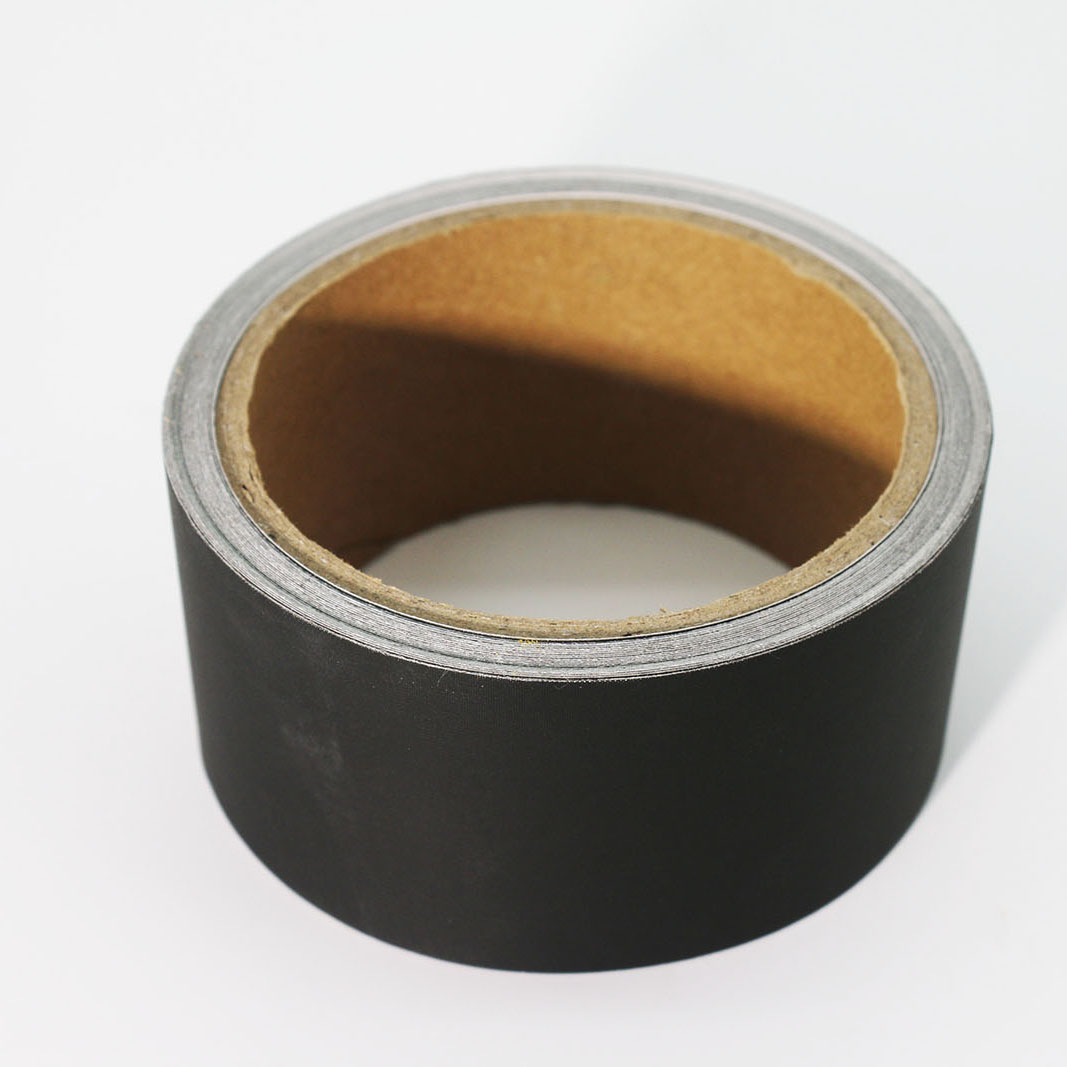 Why Black Conductive Fabric Tape is the Go-To for Light-Sensitive Electronics