
Why Is Automotive Wire Harness Tape Important for EV and Vehicle Safety?
If you're sourcing automotive wire harness tape, especially for electric vehicles (EVs) or high-performance cars, you’ve probably wondered: Why does tape matter so much? This blog dives deep into its critical roles—from insulation and vibration resistance to flame retardancy—and explains why working with a China-based wire harness tape manufacturer can be a real game‑changer.
What Is Automotive Wire Harness Tape?
Automotive wire harness tape is a specialized cloth or film-backed adhesive tape designed to bundle, protect, and insulate electrical wire harnesses in vehicles. Typically made from polyester, nylon, acetate cloth or PET, and coated with acrylic or silicone adhesive, it’s flexible, durable, and suitable for rugged automotive conditions.
You might think tape is just tape—but no, not this kind. These are engineered for heat, abrasion, and even chemical exposure.
Key Functions in Automotive & EV Systems
1. Insulation & Protection
This tape protects bundles from rubbing, chafing and short circuits over time. In EVs, high-voltage cables especially need secure insulation.
2. Vibration Dampening
Under the hood or inside door panels, wire bundles are subject to vibration. A proper tape reduces noise and fatigue, keeping wiring intact.
3. Heat / Flame Resistance
Certain automotive tapes meet UL94 V‑0 or ISO fire safety standards. That’s essential for engine compartments, EV traction packs, or near heat-generating modules.
4. Moisture & Chemical Resistance
Modern EVs and vehicles are exposed to coolant, oils, road salt. Quality tape protected under warranty is crucial. Some tapes are also RoHS-compliant and low‑VOC.
Why Should U.S. Buyers Consider a China Factory Direct Supplier?
Many buyers get shocked when they see prices from local suppliers. Working with a China supplier and manufacturer of automotive wire harness tape can offer:
-
Bulk, low-cost, factory-direct wholesale supply
-
OEM/ODM customization of colors, widths, adhesive types
-
Speedy sampling and prototyping
-
Certifications like RoHS, UL, and ISO support
-
Low MOQ for testing runs
And yeah, you’re basically cutting out the middleman—or as we call it, cut the fluff.
How to Choose the Right Tape Spec?
When ordering, consider:
-
Base material: acetate cloth vs. PET vs. nylon
-
Tape thickness: usually 0.1mm to 0.25mm
-
Adhesive type: acrylic for high heat, rubber for general use
-
Flame rating: UL94 V-0 for EV packs, V-2 for interior
-
Environmental resistance: UV, oil, humidity
For EV harnesses, you may want high-temp tape rated to 125 °C or even 150 °C.
Real-World Use Cases
-
Example 1: Tesla or other EV manufacturers use flame-retardant harness tape to bundle HV cables.
-
Example 2: OEM suppliers for Ford, GM, Toyota apply wire harness tape inside dashboards or door trims.
-
Example 3: Aftermarket wiring harness makers need hassle-free, durable adhesive tape.
Pro Tips When Ordering
-
Provide sample wiring harness or layout
-
Request sample thermal-aging and peel strength reports
-
Clarify whether you need color-coded rolls (black, orange, etc.)
-
Ask for die-cut harness patches if needed
-
Confirm lead time and freight options
By following these, your next order won’t be a nightmare—it’ll be smooth sailing.
So if you're wondering why automotive wire harness tape matters, the answer’s clear: it’s not a small piece of tape—it’s a reliability component. And choosing the right supplier, especially a China-based factory-direct supplier, means better specs, lower costs, and faster delivery. When done right, it keeps your vehicle systems safe, insulated, and noise-free.
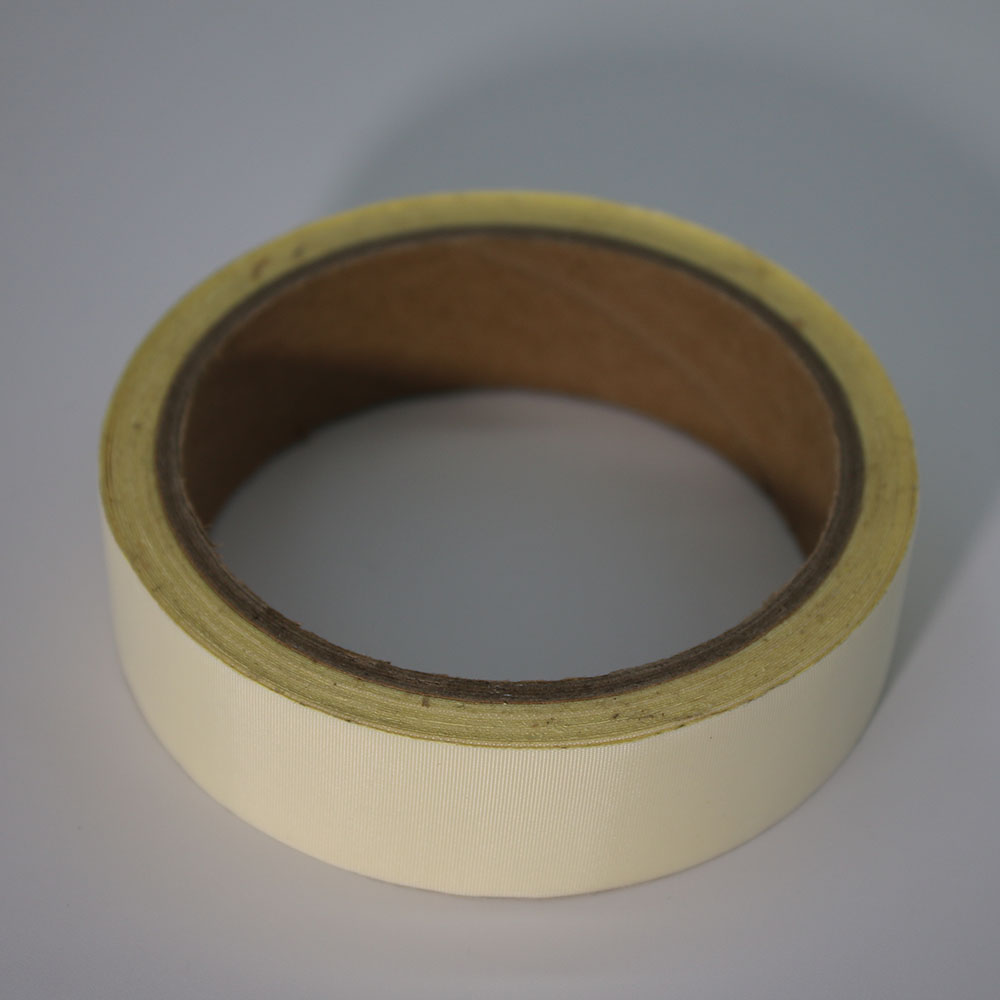 Can a Multi-Layer Nylon Cloth Tape with Optional Aluminum Foil Backing Really Bundle Hot-Engine Wiring and Absorb Minor Vibration in One Wrap
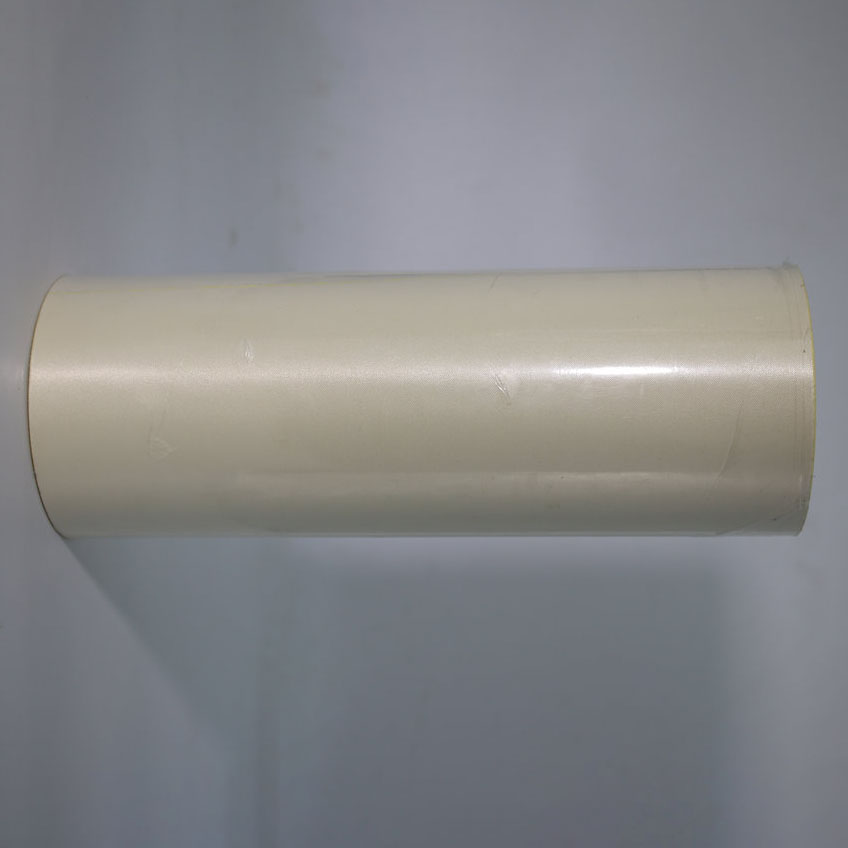 Can a Laser Inkjet and Thermal Transfer Compatible Printable Adhesive Label Tape Really Survive Warehouse Scuffs and Freezer Storage While Staying Scannable
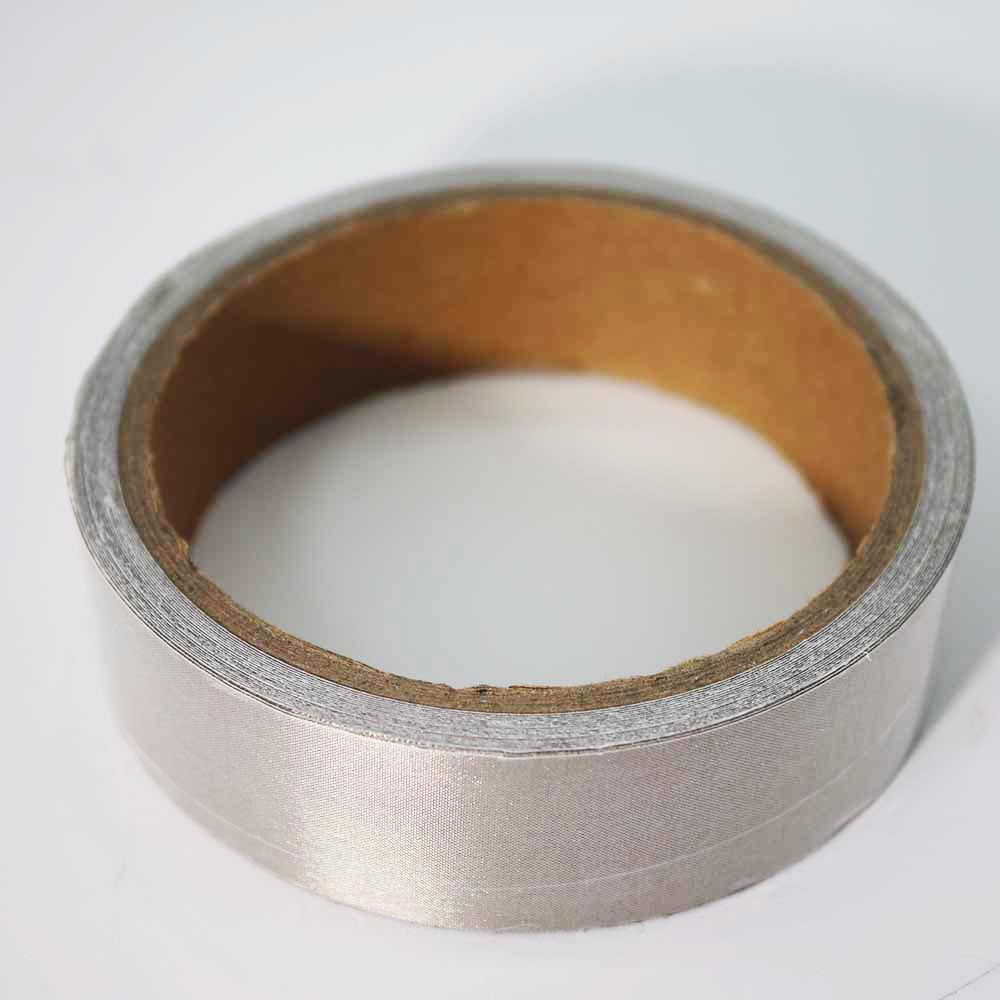 Does Double-Sided Conductive Fabric Tape Actually Replace Traditional EMI Gaskets in Compact Electronics?
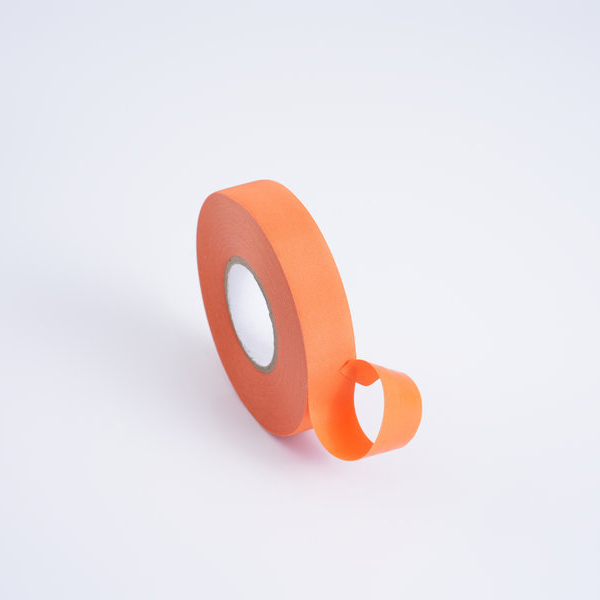 Will a Flame-Retardant Orange Fabric Wire Harness Tape Withstand 150 degrees Under the Hood Without Leaving Residue?
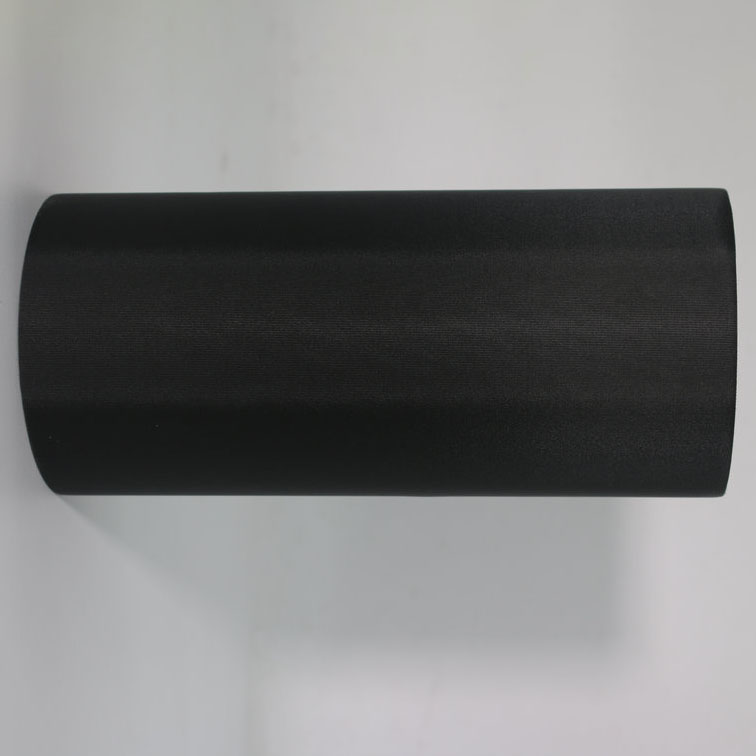 Can a Single Light-Blocking Tape Replace Multiple Shielding Layers in Display Assembly?
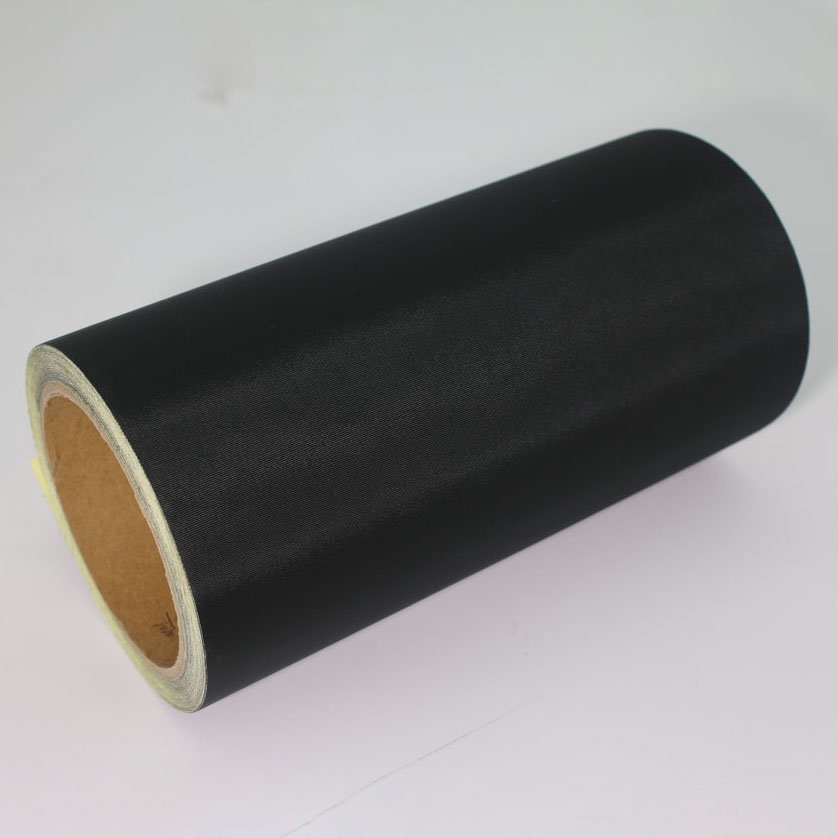 Can a 0.05mm Light Blocking Tape Really Deliver 99.9 percent Blackout for Sensitive Optics?
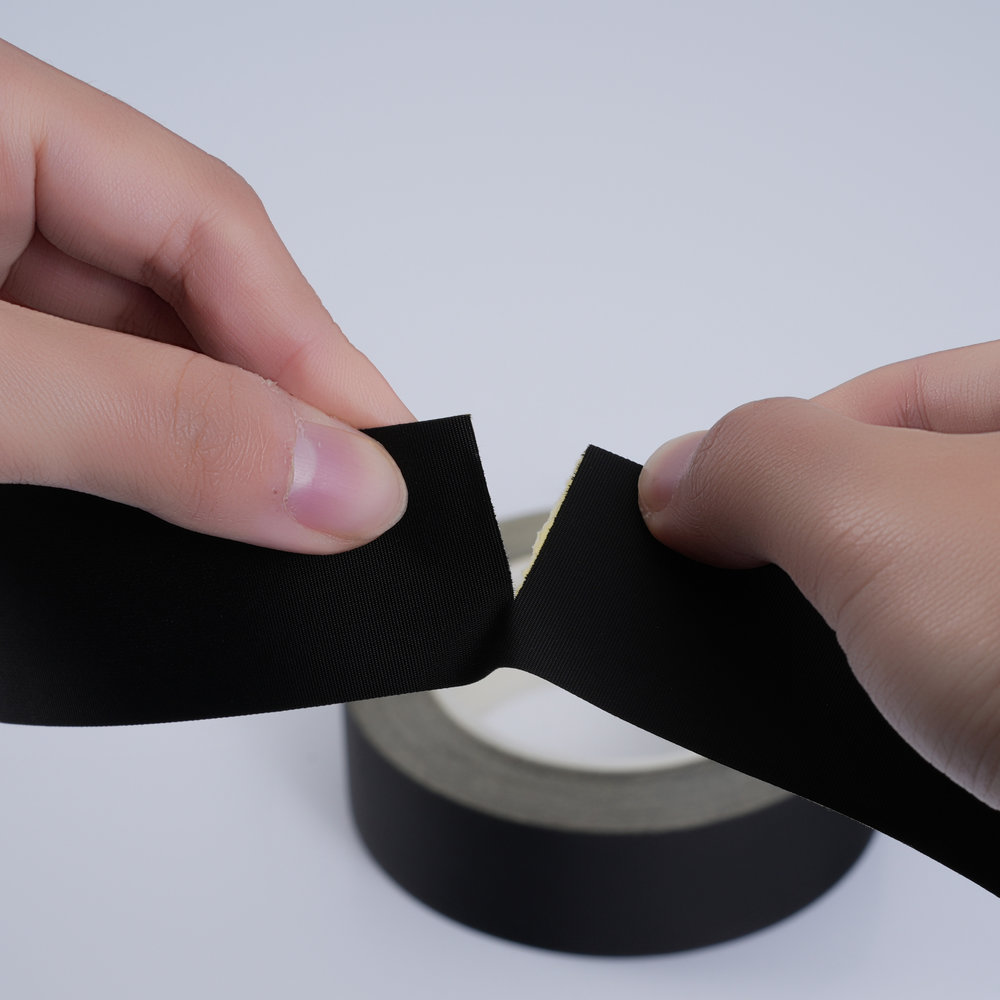 Is Acetate Cloth Tape the Ultimate Flame-Retardant Solution for Electrical Insulation?
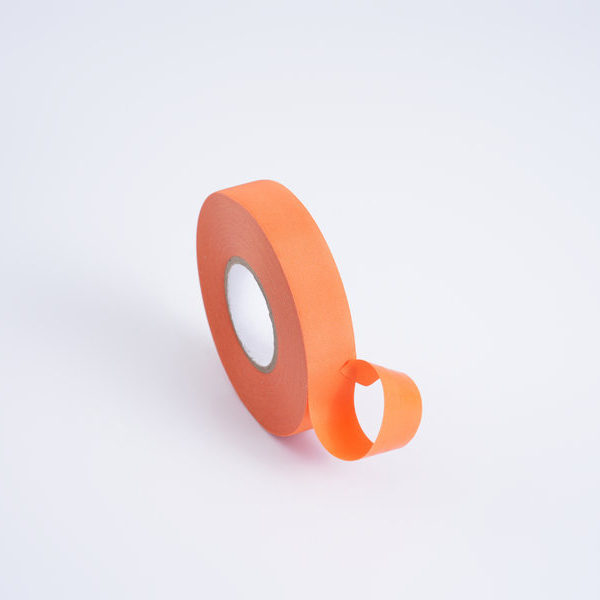 Why High-Temperature Orange Automotive Wire Harness Tape is the Smart Choice for High-Heat Engine Bays
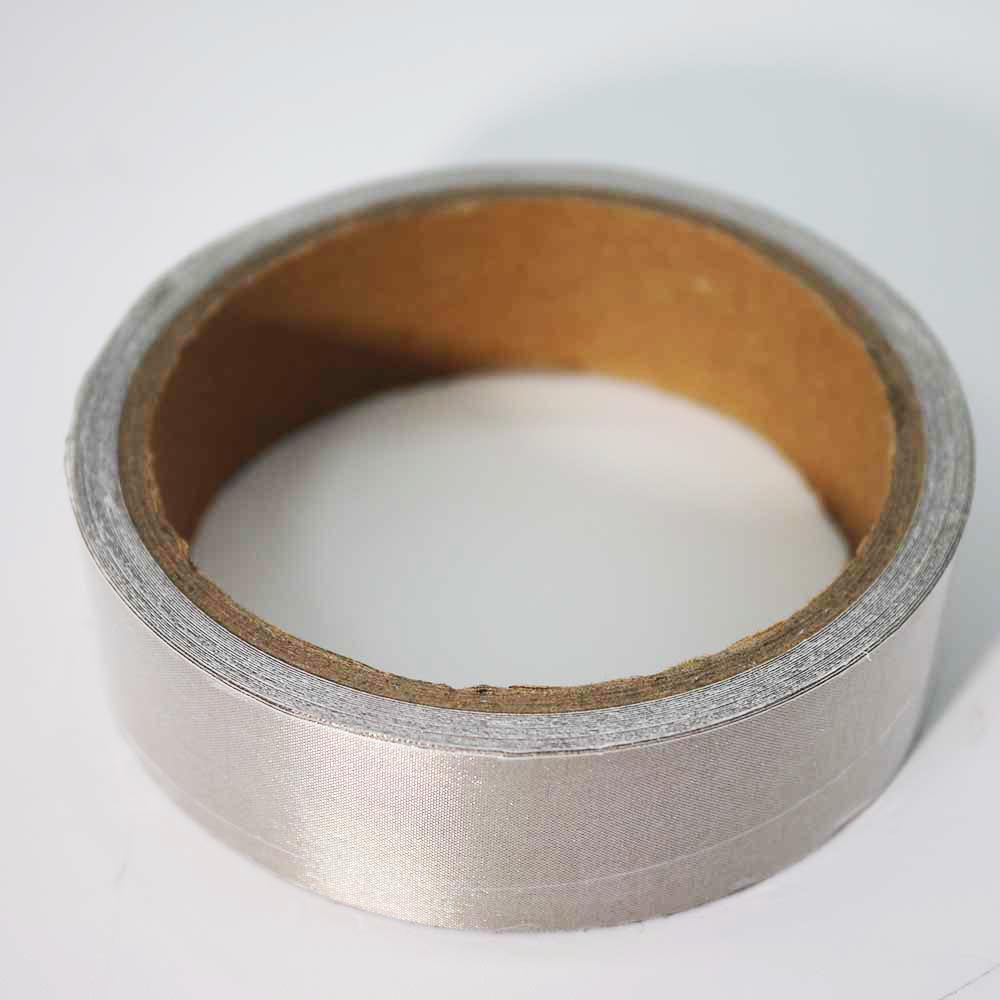 Can Double-Sided Conductive Fabric Tape Replace Traditional EMI Gaskets?
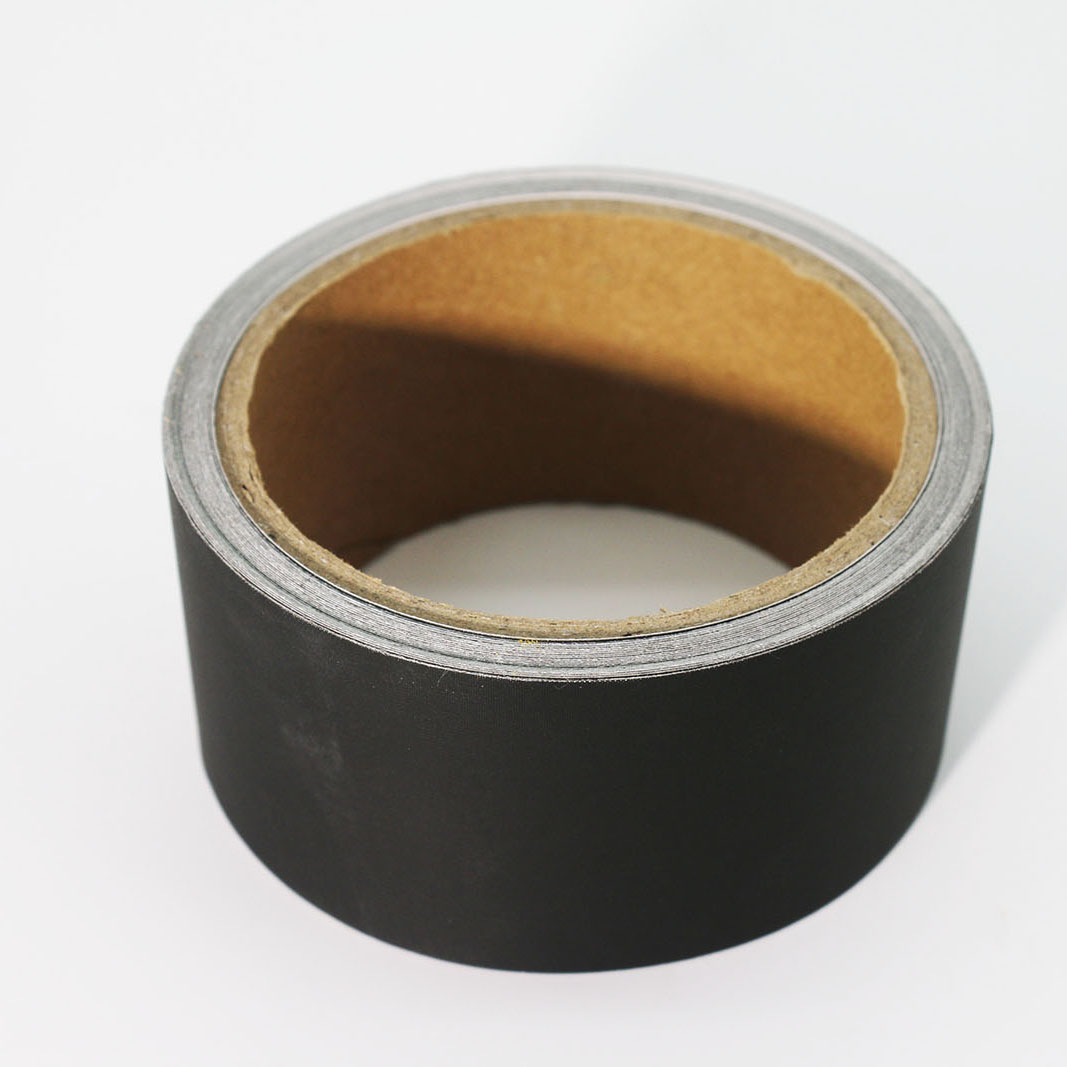 Why Black Conductive Fabric Tape is the Go-To for Light-Sensitive Electronics