
How Does Acetate Cloth Tape Improve Safety and Durability in Household Electrical Wiring?
When discussing household electrical safety, most people immediately think of circuit breakers, insulation sleeves, or grounding systems. However, many overlook a small yet essential material that plays a major role in preventing electrical hazards: acetate cloth tape. In our previous blogs, we explored how Nylon Cloth Tape supports secure wire bundling and why different tapes—such as conductive fabric tapes or wire harness tapes—contribute to safer and more efficient electrical systems. Acetate cloth tape continues this same family of protective materials, offering unique advantages that make it ideal for home wiring, appliances, and everyday electrical maintenance.
But what exactly makes acetate cloth tape such a reliable choice for household use? And more importantly, how does it enhance both safety and durability in electrical applications?
1. Heat Resistance Protects Household Wiring
One of the greatest risks in household electrical systems is heat buildup. Power adapters, refrigerators, washing machines, lighting fixtures, and even extension cords generate heat during operation. Acetate cloth tape is specifically engineered with excellent heat resistance, allowing it to maintain stable insulation performance even under prolonged heat exposure.
Unlike traditional PVC tape—which may soften, deform, or lose adhesion when exposed to consistent temperatures—acetate cloth tape maintains its structural integrity. This ensures that wires stay insulated, secured, and protected over long periods.
This is especially important for older homes where wiring systems might already be under stress. And just like we mentioned when discussing nylon cloth tape for wire bundling, choosing the right tape directly impacts long-term safety.
2. Superior Electrical Insulation Enhances Safety
Electrical insulation is the foundation of safe wiring. Acetate cloth tape features:
-
High dielectric strength
-
Stable insulation performance
-
Resistance to current leakage
-
Reliability even in slightly humid environments
These properties help prevent dangerous situations such as short circuits, sparks, and electrical fires.
And here’s the thing:many homeowners don’t realize how much safer a system becomes simply by using high-grade insulation materials. Sometimes, upgrading the tape alone can significantly increase the life and safety of your household wiring.
3. Strong Adhesion Ensures Longer-Lasting Repairs
For household repairs, longevity matters. Acetate cloth tape offers:
-
Long-term adhesive stability
-
Resistance to drying and cracking
-
Strong bonding on irregular surfaces
-
Enhanced durability over time
Even on older cables or slightly aged insulation jackets, acetate cloth tape maintains a solid grip. This prevents loosening, peeling, or accidental exposure of conductors. Compared with general-purpose tapes, it simply last longer and holds more securely.
And speaking of durability, this ties closely to our discussion on automotive wire harness tapes—where strong adhesion is critical for withstanding vibration. The same principle applies in household wiring: movement, heat, and tension can affect tape performance, so durable materials matter.
4. Flexible and Easy to Use for Everyday Electrical Fixes
Homeowners often perform small repairs themselves—replacing a lamp cord, reinforcing an extension cable, organizing wires behind a TV, and so on. Acetate cloth tape is ideal because it is:
-
Soft and flexible
-
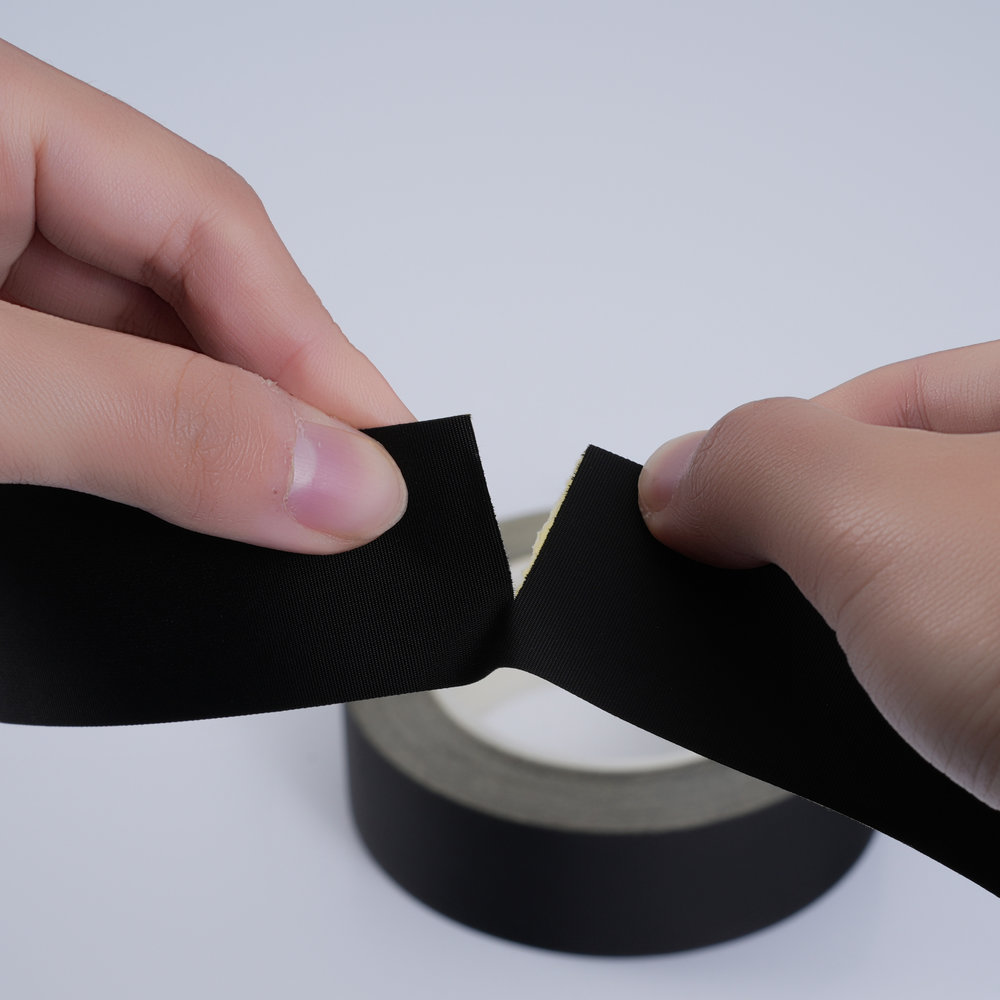
Easy to tear by hand
-
Comfortable to wrap tightly
-
Non-slip for secure handling
Its cloth texture improves grip and makes application simple, even for beginners. For households without professional tools, this “easy-to-use” quality is a big advantage.
And that’s why, just like our die-cut tape and printable tape series used in daily organization, acetate cloth tape brings convenience to home users while maintaining professional performance.
5. Moisture Resistance Helps Prevent Electrical Failures
Humidity is a hidden threat in many homes—bathrooms, kitchens, basements, and garages all experience moisture. Acetate cloth tape provides better moisture resistance compared to PVC tape, reducing risks such as:
-
Insulation degradation
-
Mold growth under the tape
-
Adhesive weakening
For homes in humid climates or areas with seasonal moisture, this performance is extremely valuable.
6. Why Home Users Prefer It Over Standard Electrical Tape
Many homeowners switch to acetate cloth tape because it feels more premium and provides:
-
Longer lifespan
-
Better insulation quality
-
Safer high-temperature performance
-
A more professional-grade finish
As we’ve emphasized throughout our matrix content, choosing the right tape material—whether for shielding, bundling, or protection—often determines long-term reliability. Acetate cloth tape fits perfectly into this principle.
Plus, you know what? It’s surprisingly versatile. Beyond wiring, people use it for crafts, books, packaging, and DIY projects, adding even more daily value.
Acetate cloth tape remains one of the most dependable materials for household electrical safety. Its insulation properties, heat resistance, strong adhesion, flexibility, and moisture resistance make it a superior option for both amateur users and professionals.
As part of Anhui Yijiayi Technology Co., Ltd.’s comprehensive tape product series—including nylon cloth tape, conductive fabric tape, printable tape, automotive wire harness tape, and die-cut solutions—acetate cloth tape plays a vital role in enhancing safety, durability, and long-term reliability in everyday electrical applications.
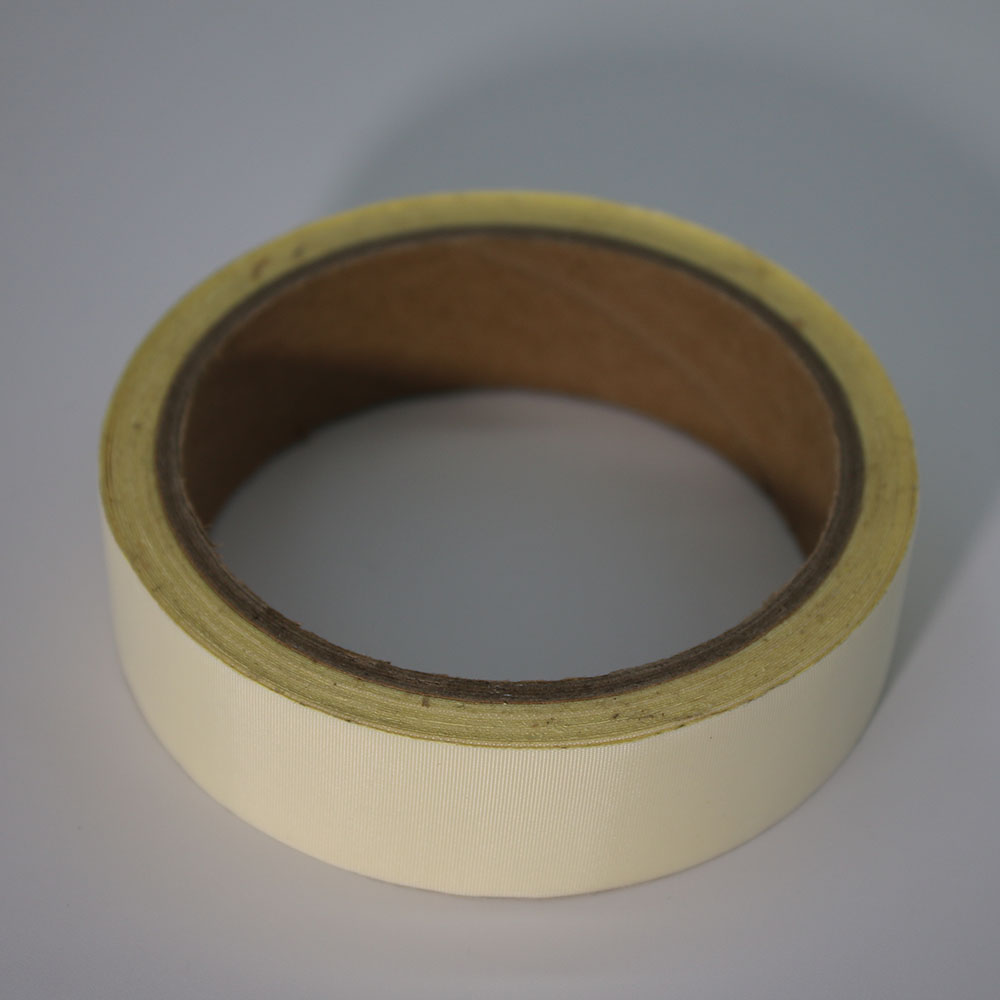 Can a Multi-Layer Nylon Cloth Tape with Optional Aluminum Foil Backing Really Bundle Hot-Engine Wiring and Absorb Minor Vibration in One Wrap
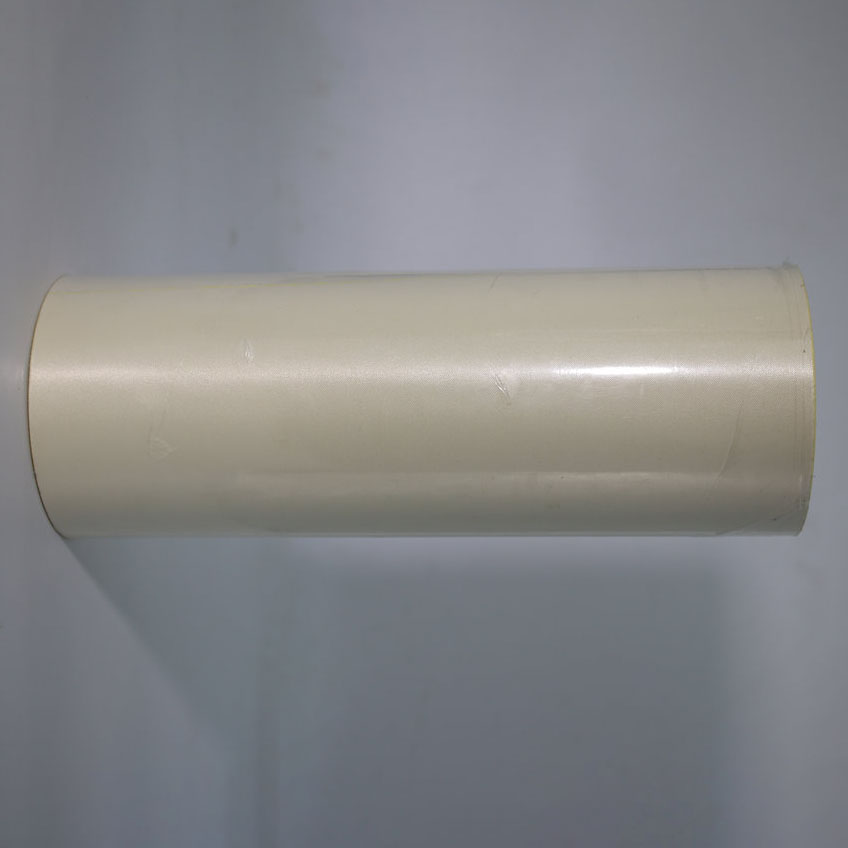 Can a Laser Inkjet and Thermal Transfer Compatible Printable Adhesive Label Tape Really Survive Warehouse Scuffs and Freezer Storage While Staying Scannable
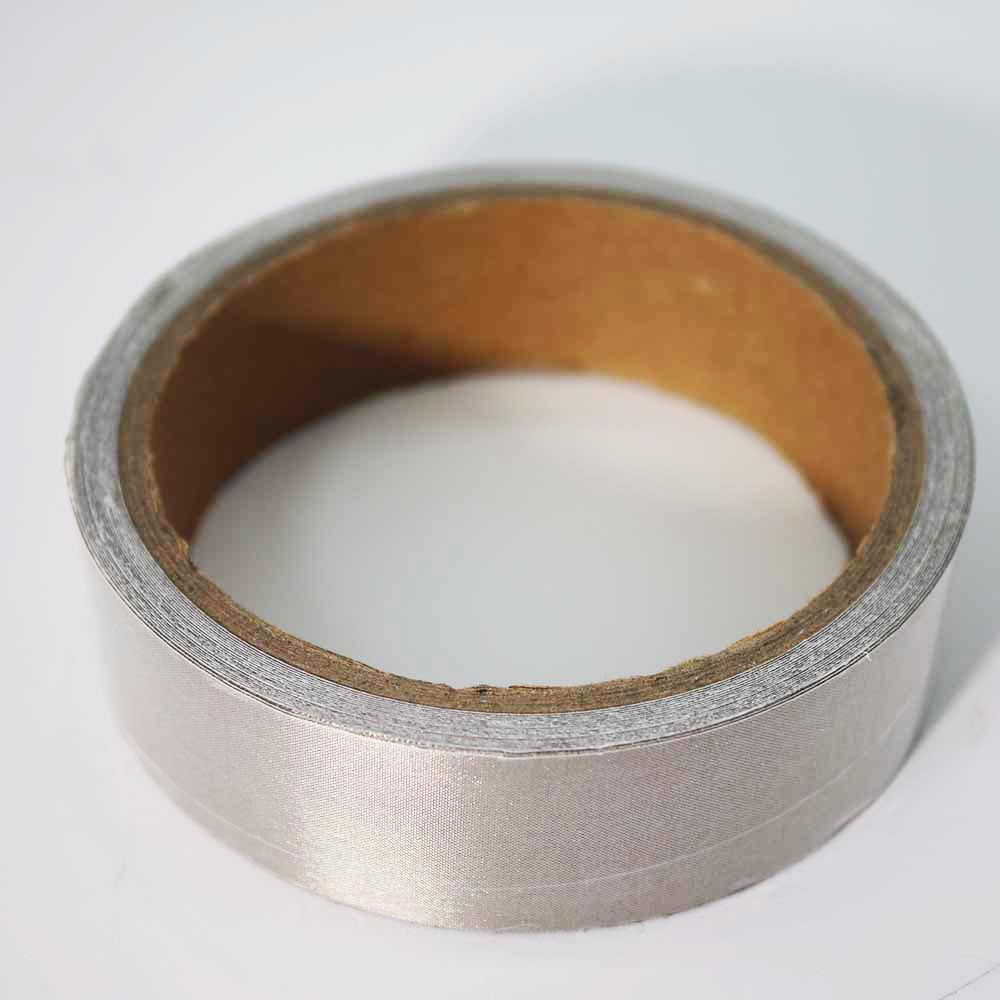 Does Double-Sided Conductive Fabric Tape Actually Replace Traditional EMI Gaskets in Compact Electronics?
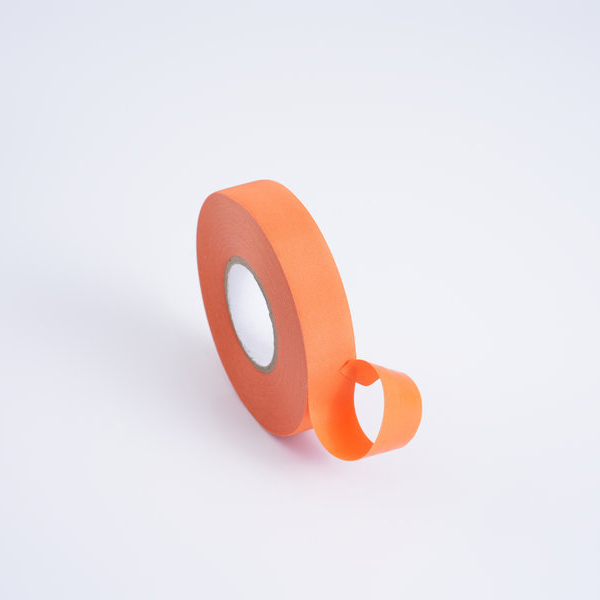 Will a Flame-Retardant Orange Fabric Wire Harness Tape Withstand 150 degrees Under the Hood Without Leaving Residue?
 Can a Single Light-Blocking Tape Replace Multiple Shielding Layers in Display Assembly?
 Can a 0.05mm Light Blocking Tape Really Deliver 99.9 percent Blackout for Sensitive Optics?
 Is Acetate Cloth Tape the Ultimate Flame-Retardant Solution for Electrical Insulation?
 Why High-Temperature Orange Automotive Wire Harness Tape is the Smart Choice for High-Heat Engine Bays
 Can Double-Sided Conductive Fabric Tape Replace Traditional EMI Gaskets?
 Why Black Conductive Fabric Tape is the Go-To for Light-Sensitive Electronics