
How Does Conductive Fabric Tape Help Reduce EMI and Improve Device Performance?
In today’s fast-paced electronics world, interference from electromagnetic signals is more common than many realize. From smartphones and laptops to industrial machinery, electromagnetic interference (EMI) can cause unexpected glitches, reduced performance, or even damage. This is where conductive fabric tape comes in—a solution that’s both practical and effective. In our previous blogs, we explored acetate cloth tape for household electrical safety; now, we extend that discussion to industrial and consumer electronics applications.
But how exactly does conductive fabric tape reduce EMI and improve device reliability? Let’s break it down.
1. What Makes Conductive Fabric Tape Special?
Conductive fabric tape isn’t your everyday adhesive. It combines a flexible cloth substrate with conductive materials, usually silver or copper coatings. This combination allows the tape to:
-
Provide shielding against electromagnetic waves
-
Maintain excellent adhesion on irregular surfaces
-
Support long-term electrical conductivity
Unlike standard tapes, it not only holds components in place but also ensures that EMI does not disrupt sensitive circuits. And here’s the thing: if your devices constantly face signal issues, installing this tape can be a game-changer.
2. Reducing EMI in Consumer Electronics
Many household devices, including routers, TVs, and audio systems, are vulnerable to EMI. Using conductive fabric tape in device assembly helps by:
-
Shielding circuit boards from external electromagnetic noise
-
Preventing signal leakage from high-frequency components
-
Reducing unwanted crosstalk between wires
It’s just like we discussed with acetate cloth tape improving safety—the right material can make a huge difference in performance and reliability. Plus, this tape is flexible enough to be applied around complex shapes, which is crucial in compact electronics.
3. Supporting Industrial and Automotive Applications
Beyond consumer electronics, conductive fabric tape is widely used in automotive and industrial scenarios. For instance:
-
Automotive wire harnesses: Shielding sensitive sensors and controllers
-
Industrial control panels: Preventing machine malfunctions due to EMI
-
Medical equipment: Protecting highly sensitive monitoring circuits
And let me tell ya,the combination of flexibility and conductivity makes it much easier to retrofit devices or reinforce existing assemblies without disassembling the entire system.
4. Easy Installation and Long-Term Reliability
Conductive fabric tape is designed for convenience. Key features include:
-
Peel-and-stick application
-
Conforms to curved and irregular surfaces
-
High durability even under vibration or thermal changes
-
Long-lasting conductivity over years of use
These properties make it an excellent choice for both new assembly lines and maintenance tasks. As we saw with die-cut tapes, precision and adhesion are critical for reliable performance; conductive fabric tape takes it a step further by adding EMI protection.
5. Environmental and Safety Considerations
Many modern conductive tapes are eco-friendly, low VOC, and safe to use in sensitive environments. Choosing tapes from reputable suppliers ensures that not only performance but also regulatory compliance is maintained. And just like with acetate cloth and nylon cloth tapes, selecting high-quality products prevents premature failures and reduces maintenance costs.
6. Practical Tips for Users
To maximize performance:
-
Ensure the substrate surface is clean and dry before applying.
-
Overlap tape edges slightly to avoid EMI leaks.
-
Avoid sharp folds or excessive stretching to maintain conductivity.
-
Combine with other protective tapes if insulation or vibration resistance is also required.
Following these tips ensures that your devices remain stable and interference-free. Remember, one small material change can significantly enhance reliability.
Conductive fabric tape is a versatile, essential component for reducing EMI and improving device performance in consumer electronics, automotive, and industrial applications. Its combination of flexibility, conductivity, and adhesion makes it a must-have in modern electronic assembly.
As part of Anhui Yijiayi Technology Co., Ltd.’s tape series—including acetate cloth tape, nylon cloth tape, die-cut tape, and printable tape—conductive fabric tape continues to provide high-quality, customizable, and environmentally friendly solutions for diverse needs.
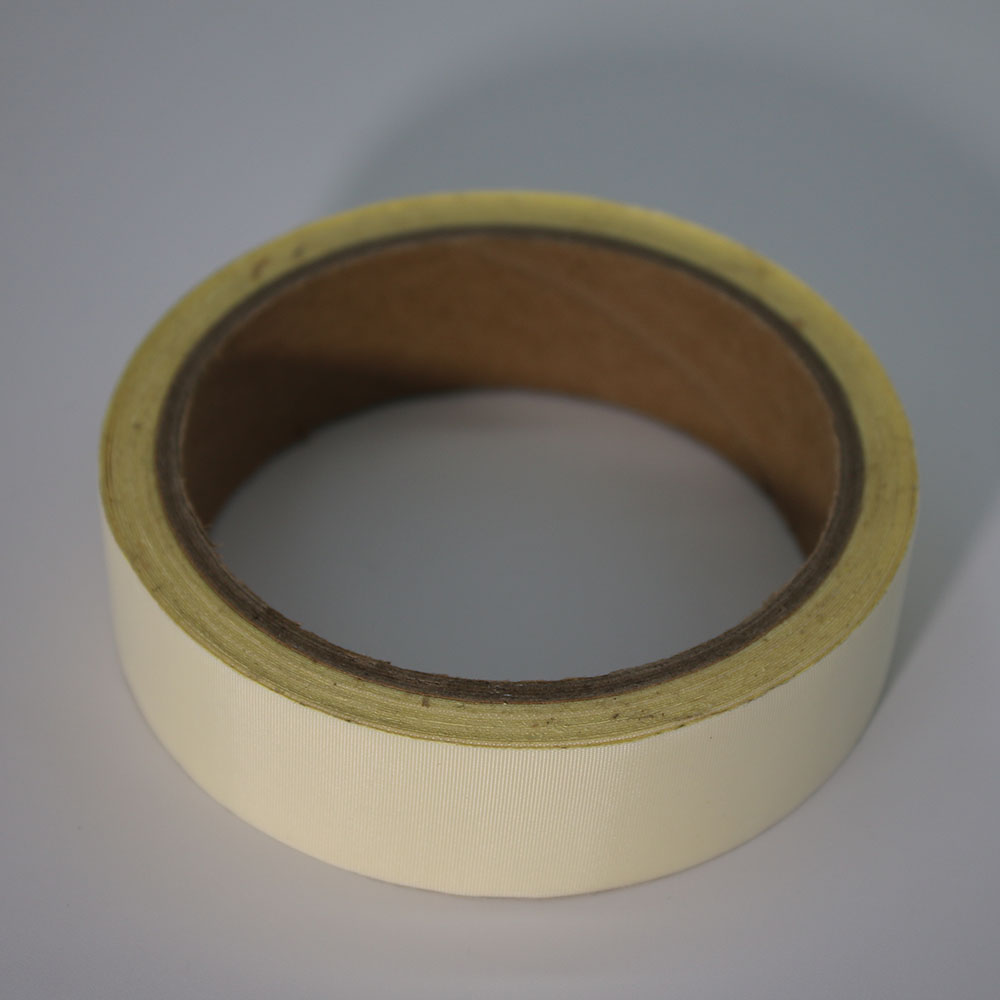 Can a Multi-Layer Nylon Cloth Tape with Optional Aluminum Foil Backing Really Bundle Hot-Engine Wiring and Absorb Minor Vibration in One Wrap
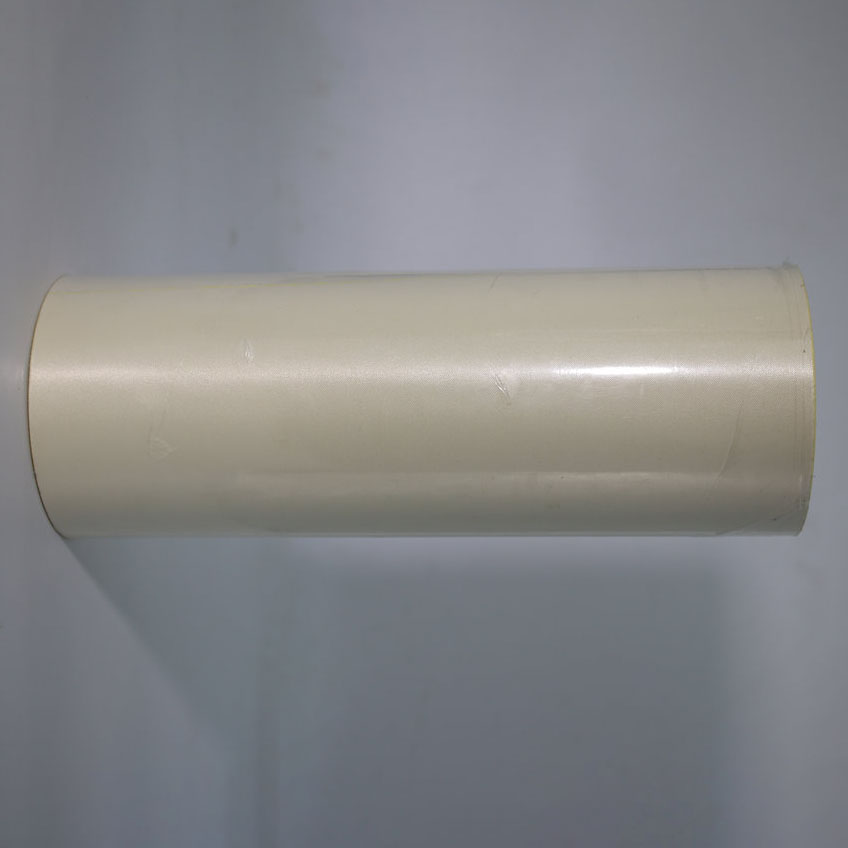 Can a Laser Inkjet and Thermal Transfer Compatible Printable Adhesive Label Tape Really Survive Warehouse Scuffs and Freezer Storage While Staying Scannable
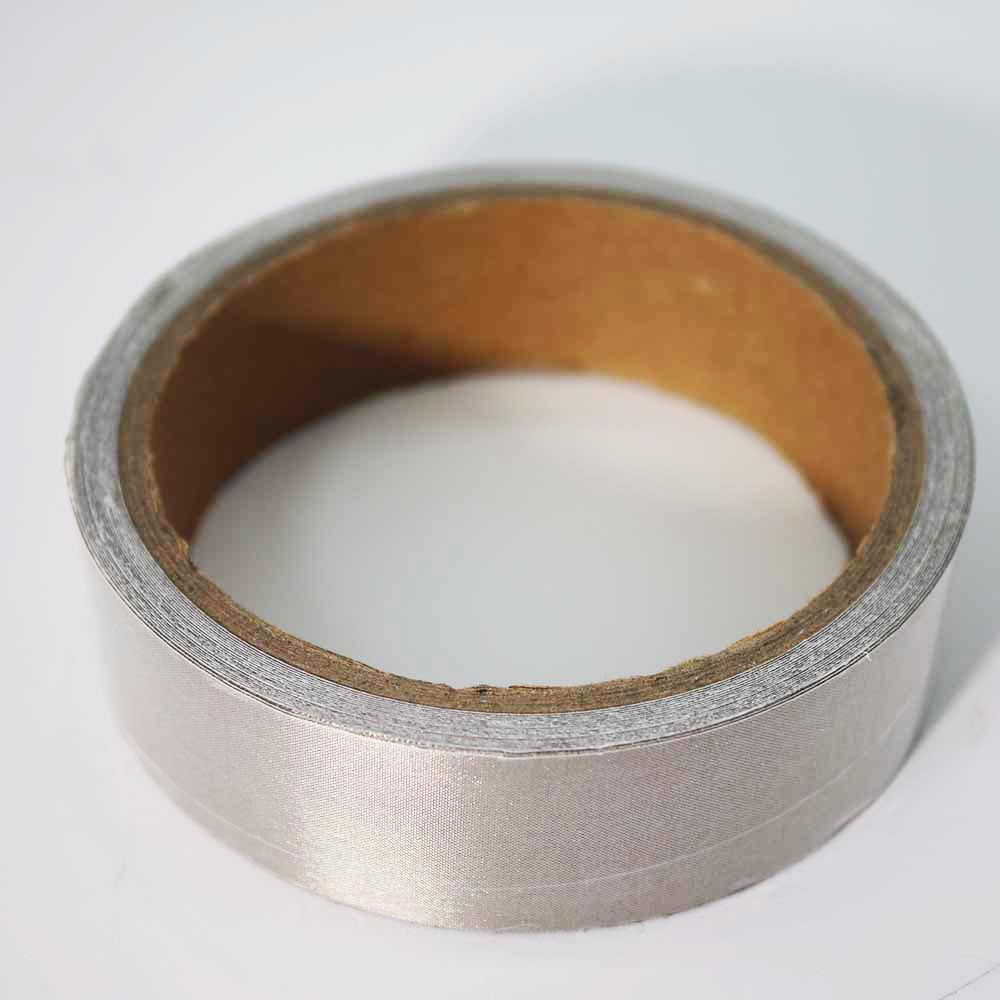 Does Double-Sided Conductive Fabric Tape Actually Replace Traditional EMI Gaskets in Compact Electronics?
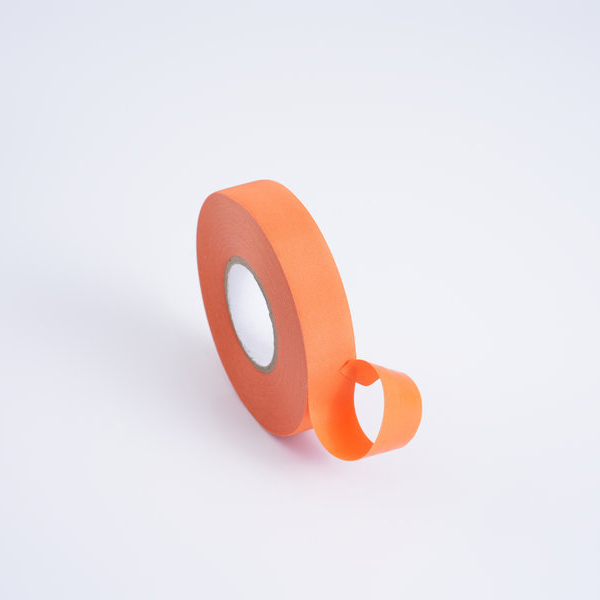 Will a Flame-Retardant Orange Fabric Wire Harness Tape Withstand 150 degrees Under the Hood Without Leaving Residue?
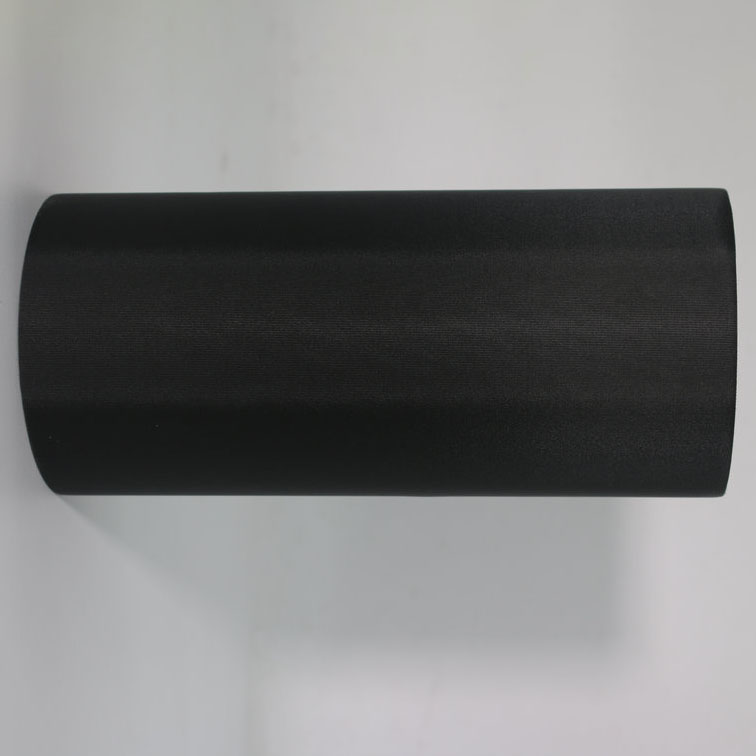 Can a Single Light-Blocking Tape Replace Multiple Shielding Layers in Display Assembly?
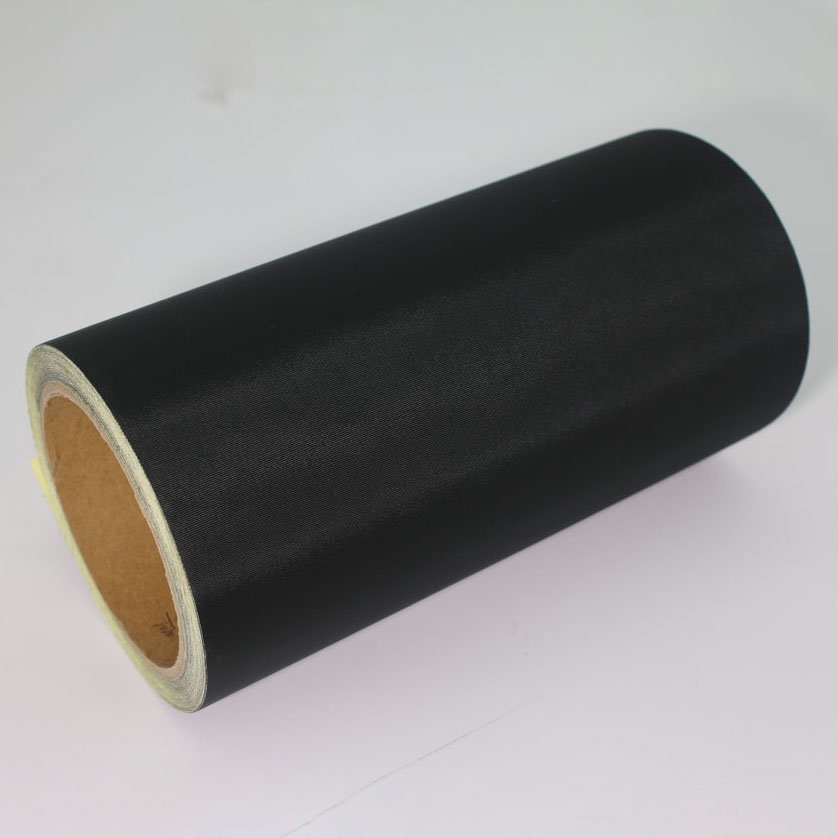 Can a 0.05mm Light Blocking Tape Really Deliver 99.9 percent Blackout for Sensitive Optics?
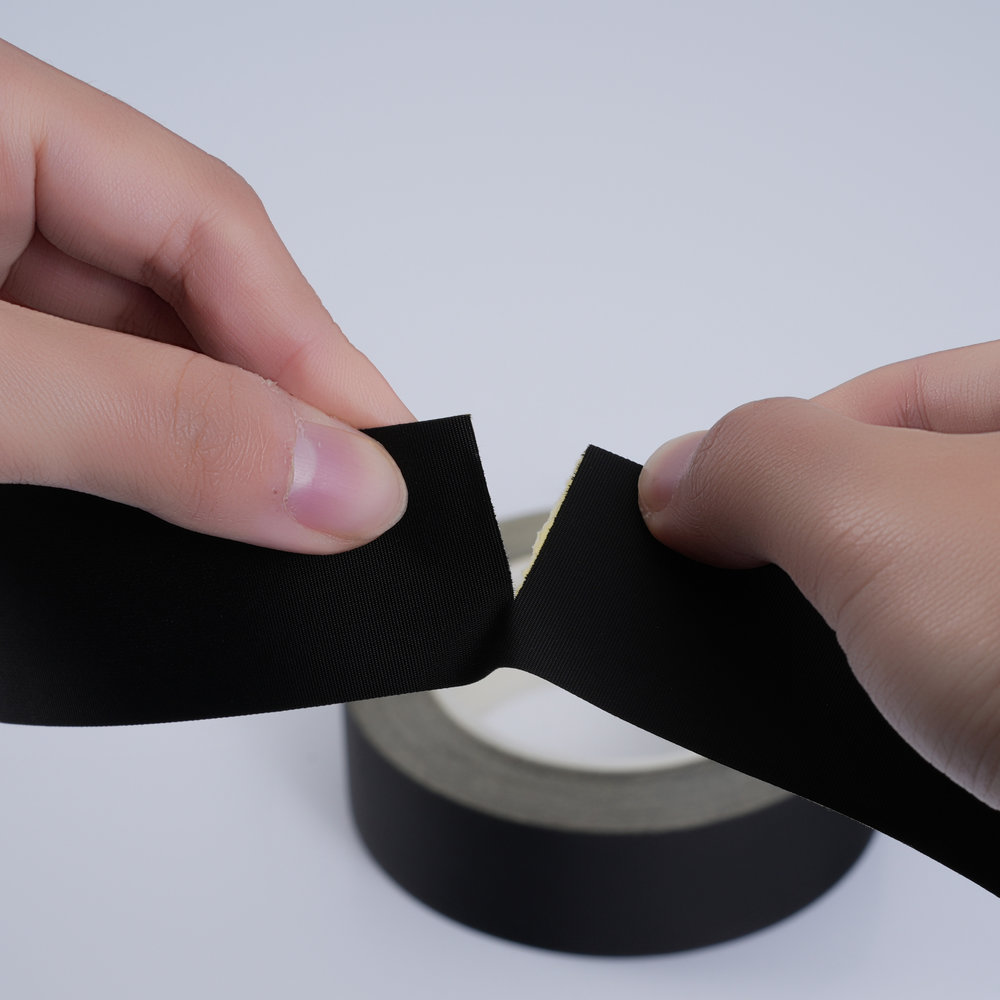 Is Acetate Cloth Tape the Ultimate Flame-Retardant Solution for Electrical Insulation?
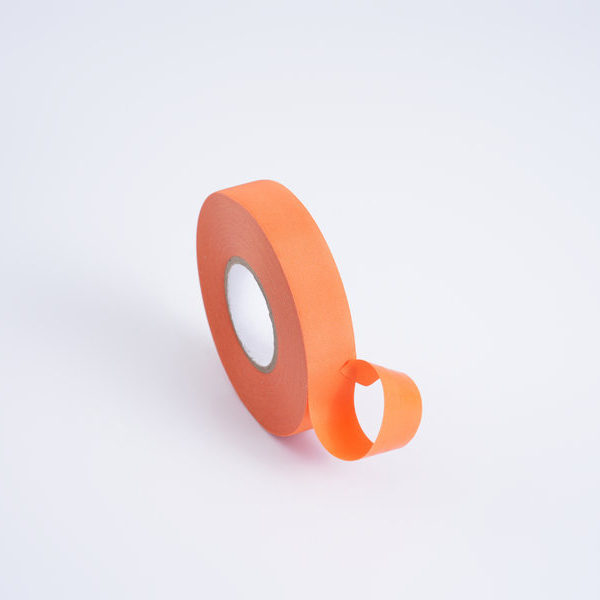 Why High-Temperature Orange Automotive Wire Harness Tape is the Smart Choice for High-Heat Engine Bays
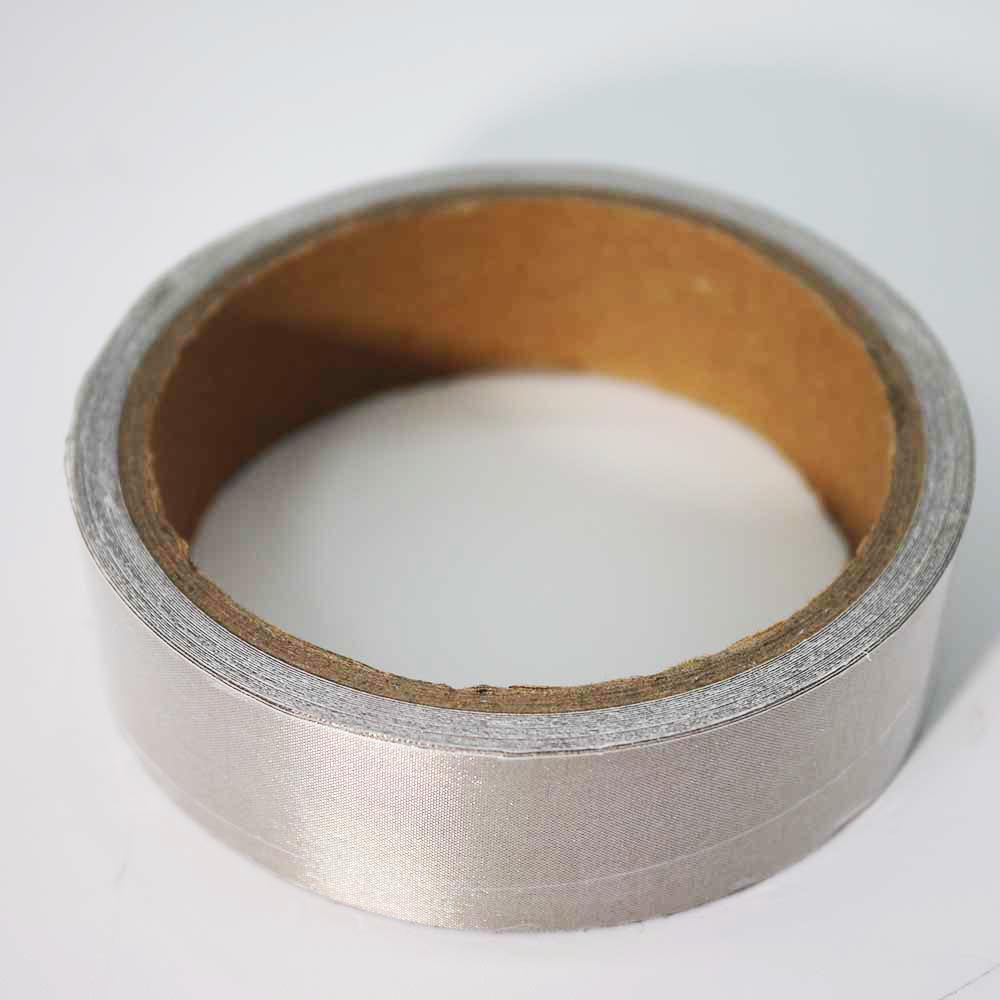 Can Double-Sided Conductive Fabric Tape Replace Traditional EMI Gaskets?
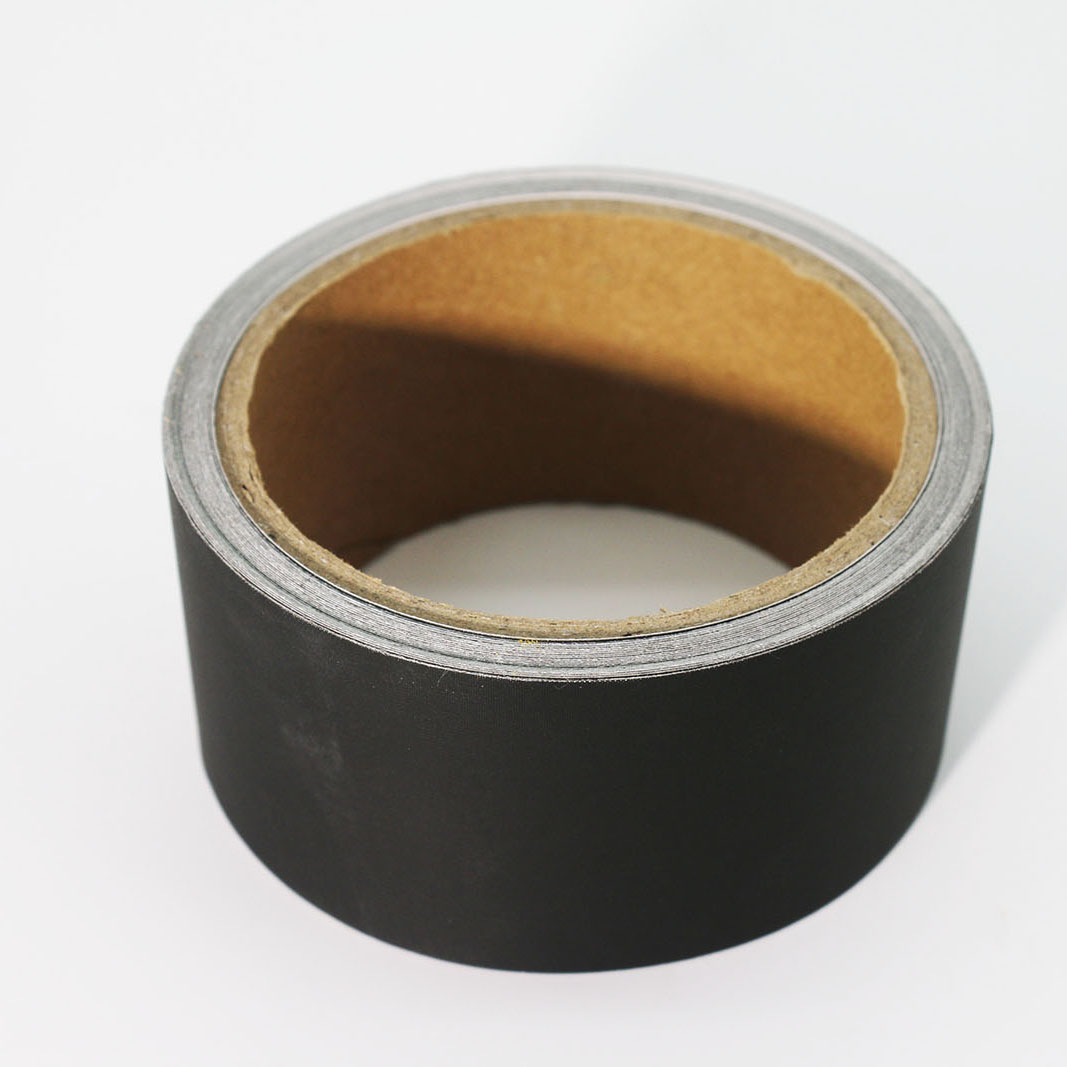 Why Black Conductive Fabric Tape is the Go-To for Light-Sensitive Electronics