
How Printable Tape Improves Labeling Efficiency Across Industries?
Labeling is a small step in manufacturing and logistics, yet it has a massive impact on organization, compliance, and brand recognition. At Anhui Yijiayi Technology Co., Ltd., our Printable Tape Series is designed to help businesses achieve precise labeling while maintaining durability and clarity. Let’s explore how this versatile tape can optimize your operations.
1. What Makes Printable Tape Special?
Unlike standard adhesive tapes, Printable Tape is engineered to accept high-resolution printing, including text, barcodes, QR codes, and logos. Available in PET, PVC, and paper-based variants, it supports various printing technologies:
-
Laser and inkjet printers
-
Thermal transfer and direct thermal printers
-
Labeling machines (Brother P-Touch, Epson, Canon, etc.)
This adaptability ensures consistent labeling quality across different equipment and industries, making it a go-to solution for B2B clients.
2. Applications That Benefit Most
Printable Tape is widely used in industries where precise identification and tracking matter:
-
Logistics & Warehousing: Clear, durable tape for packages, shelves, and racks.
-
Laboratories & Healthcare: Resistant to low temperatures, chemicals, and sterilization processes.
-
Automotive Parts & Electronics: Oil-resistant and heat-tolerant tapes for component identification.
-
Food Packaging: Safe, FDA-compliant tapes suitable for food labels.
When paired with Die-Cut Tape or Conductive Fabric Tape, you can create integrated solutions that combine labeling, insulation, and electromagnetic shielding in complex electronic assemblies.
3. Advantages That Improve Efficiency
Businesses that adopt Printable Tape enjoy several benefits:
-
Reduced Errors: Clear, high-resolution printing minimizes mislabeling.
-
Time Savings: Easy to print and apply, reducing manual work.
-
Customization: Options for logos, color codes, and dimension adjustments.
-
Durability: Resistant to water, oil, UV, and extreme temperatures.
For instance, a warehouse using color-coded and printed tape can cut down retrieval errors and improve inventory management efficiency dramatically.
4. Choosing the Right Tape for Your Needs
Not all printable tapes are created equal. Key considerations include:
-
Material: PET for transparency, paper-based for eco-friendliness, or fluorescent for high visibility.
-
Adhesive Type: Permanent vs removable, depending on application.
-
Printing Compatibility: Make sure your printer type matches the tape.
-
Environment: Consider temperature, moisture, and chemical exposure.
At Yijiayi, we provide full customization for tape length, width, and adhesive type — ensuring your solution perfectly matches your production or labeling process.
5. Why Choose Yijiayi Printable Tape?
With over 53,000 square meters of manufacturing space, we independently control the production of raw materials, adhesive formulation, and finished tape processing. Our Printable Tape Series delivers high-performance results for diverse applications, from industrial machinery to everyday consumer electronics.
We also produce Light-Blocking Tape, Nylon Cloth Tape, Automotive Wire Harness Tape, and more — all designed to integrate seamlessly in complex projects.
Effective labeling is critical for productivity, compliance, and customer satisfaction. Printable Tape is a practical, versatile solution that not only makes labeling easier but also ensures long-term durability and clarity. By partnering with Anhui Yijiayi Technology Co., Ltd., businesses gain access to high-quality, customizable tapes directly from a trusted China manufacturer and supplier.
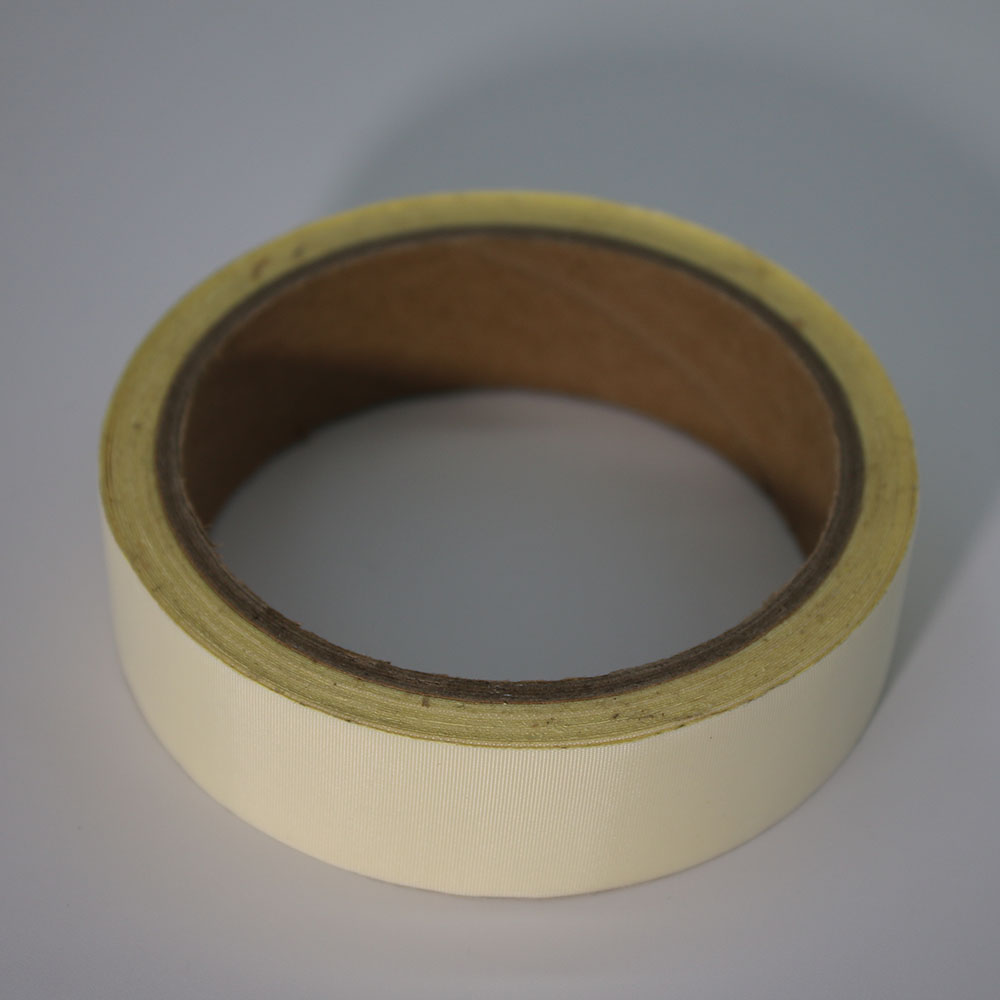 Can a Multi-Layer Nylon Cloth Tape with Optional Aluminum Foil Backing Really Bundle Hot-Engine Wiring and Absorb Minor Vibration in One Wrap
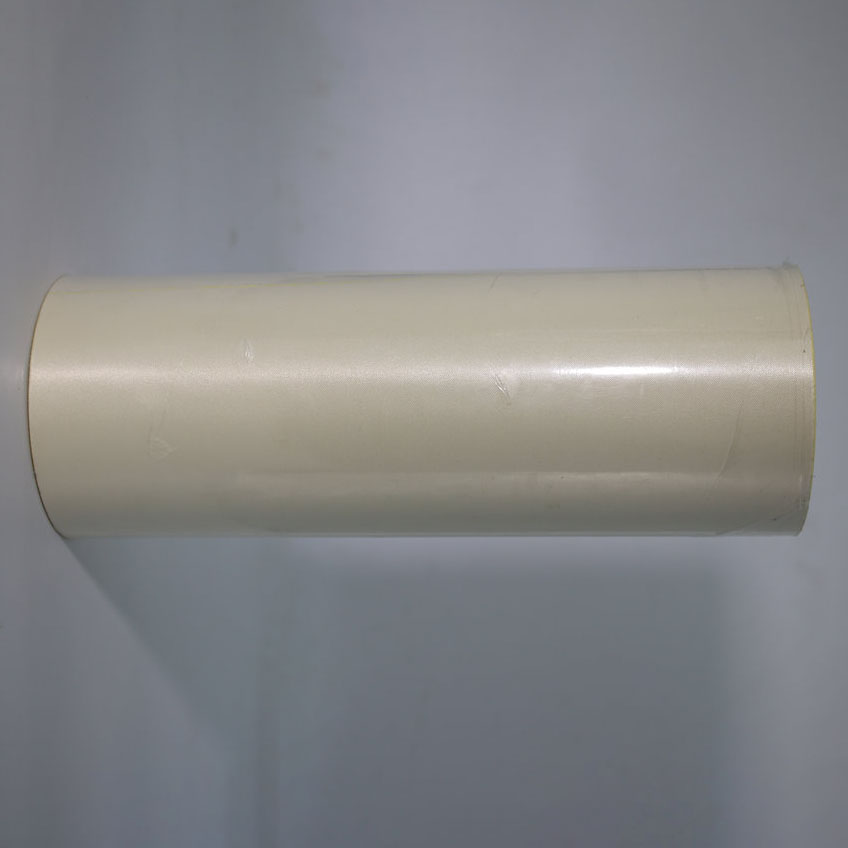 Can a Laser Inkjet and Thermal Transfer Compatible Printable Adhesive Label Tape Really Survive Warehouse Scuffs and Freezer Storage While Staying Scannable
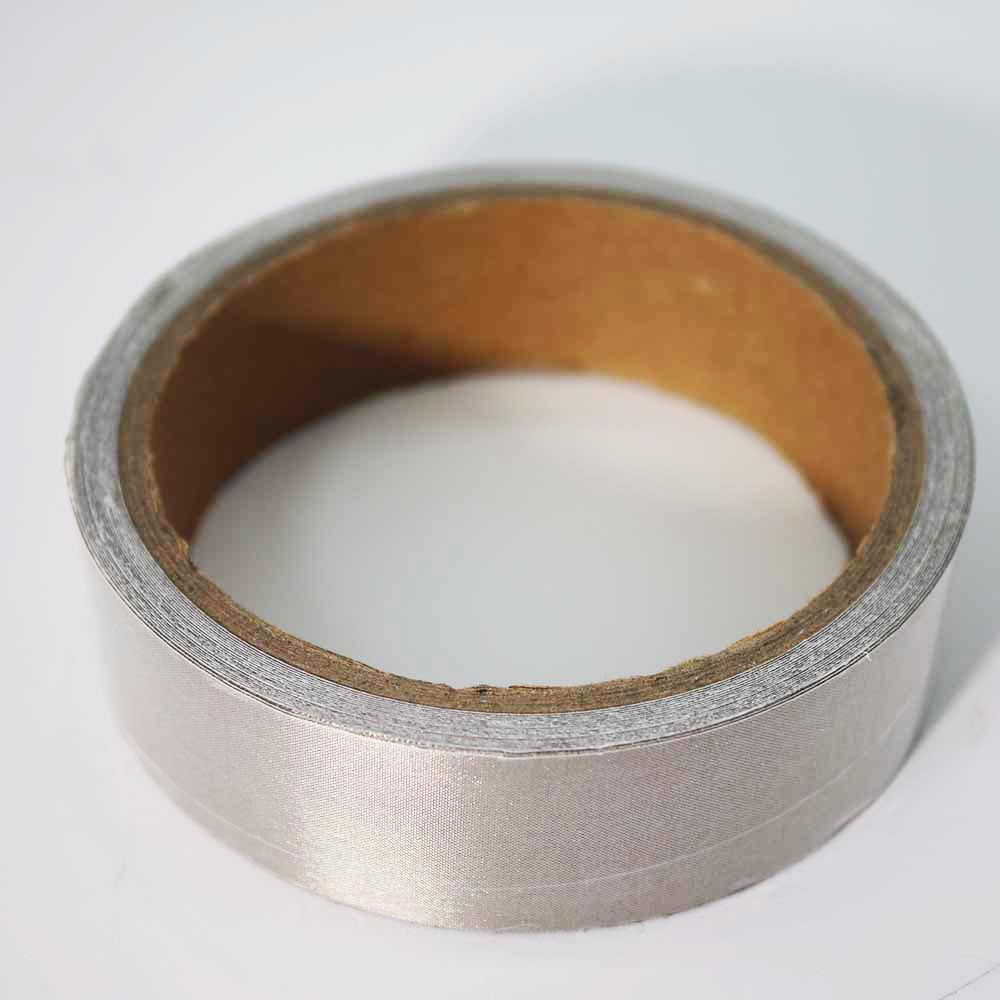 Does Double-Sided Conductive Fabric Tape Actually Replace Traditional EMI Gaskets in Compact Electronics?
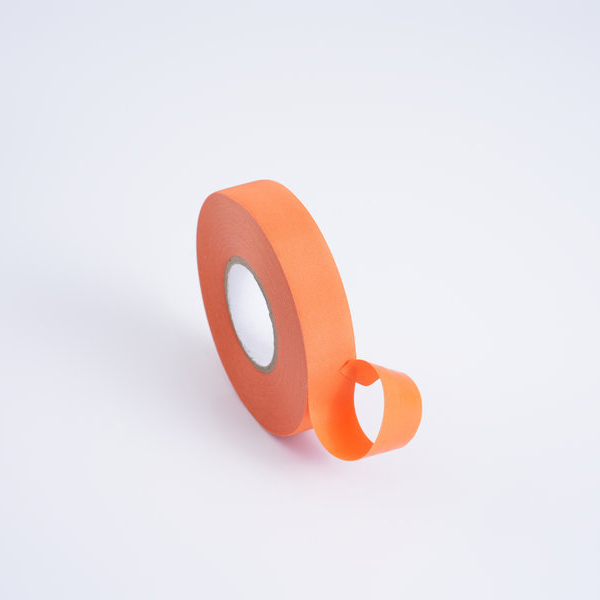 Will a Flame-Retardant Orange Fabric Wire Harness Tape Withstand 150 degrees Under the Hood Without Leaving Residue?
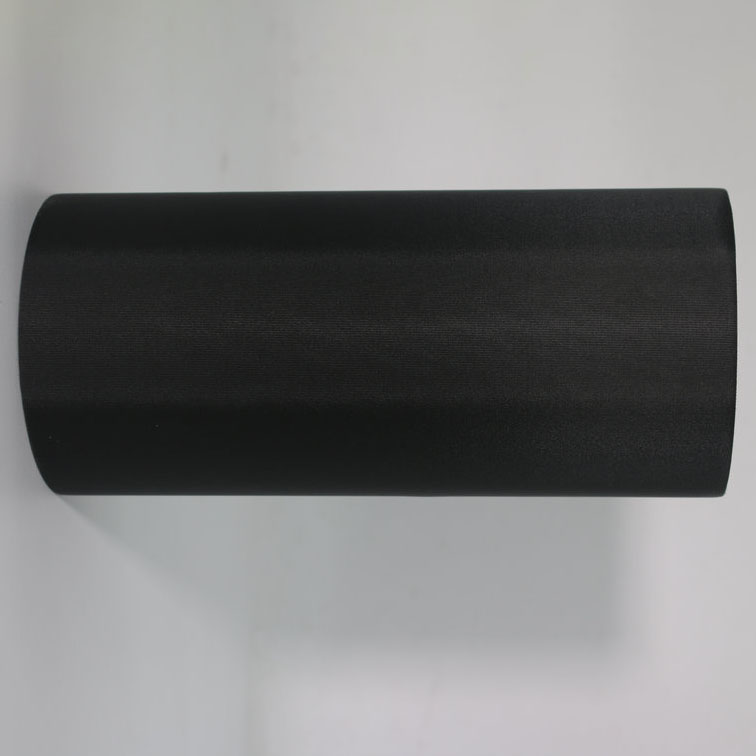 Can a Single Light-Blocking Tape Replace Multiple Shielding Layers in Display Assembly?
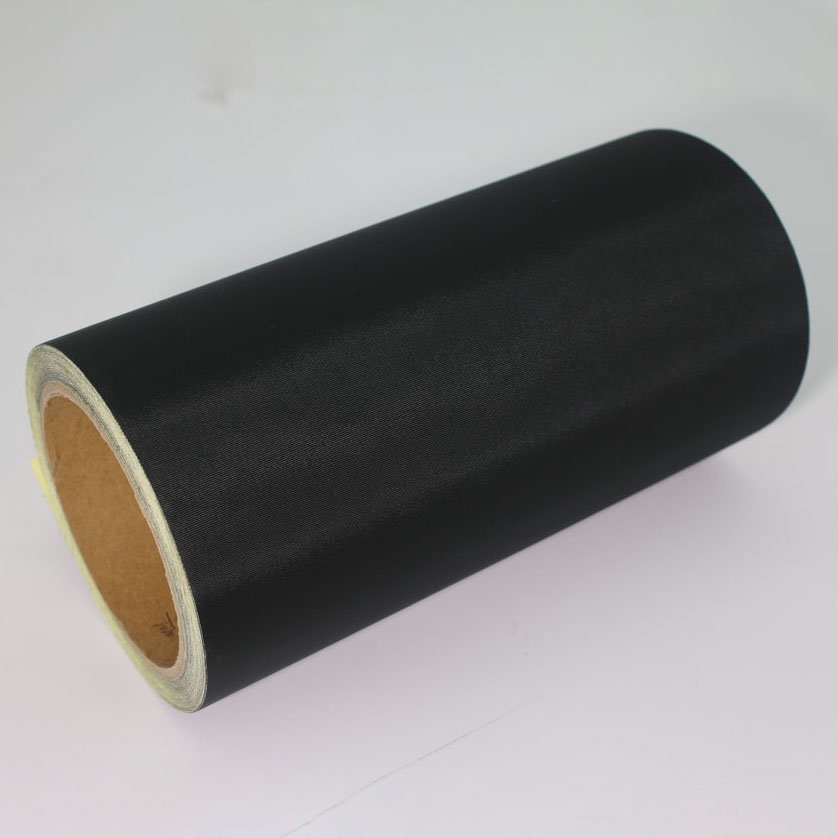 Can a 0.05mm Light Blocking Tape Really Deliver 99.9 percent Blackout for Sensitive Optics?
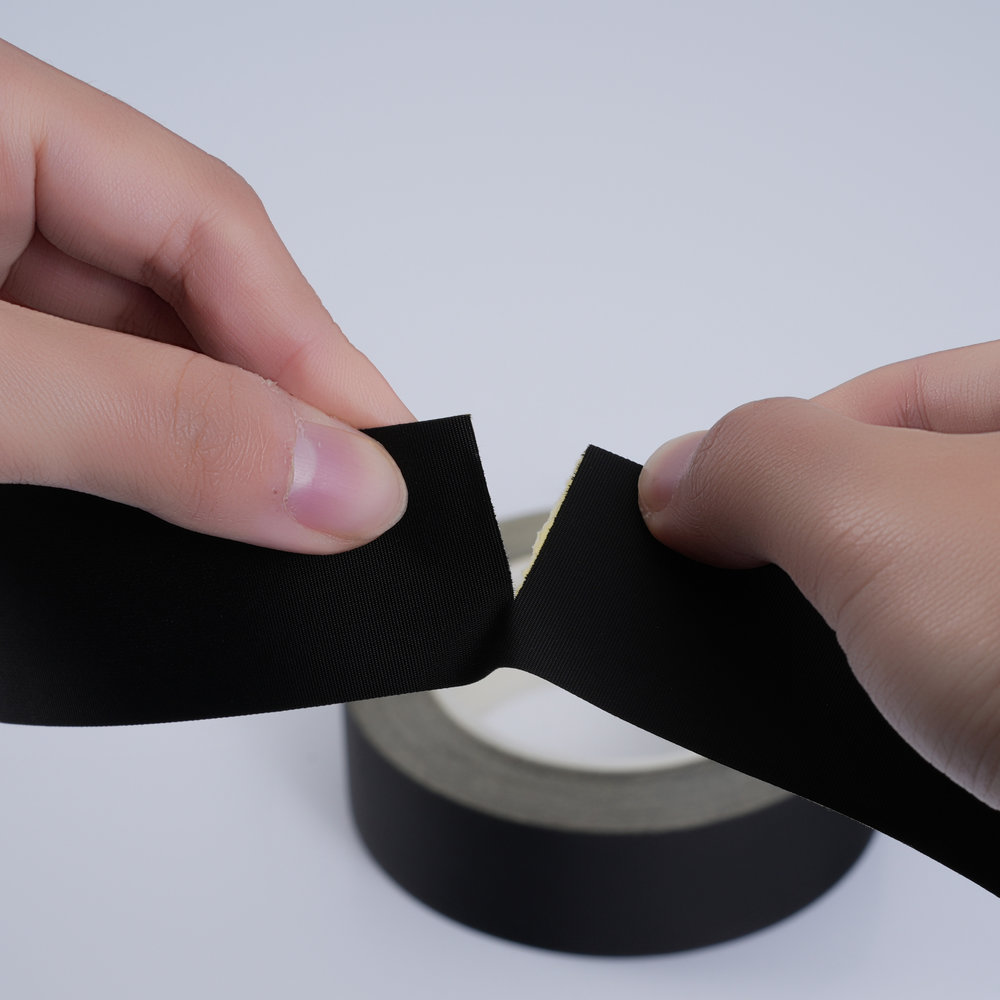 Is Acetate Cloth Tape the Ultimate Flame-Retardant Solution for Electrical Insulation?
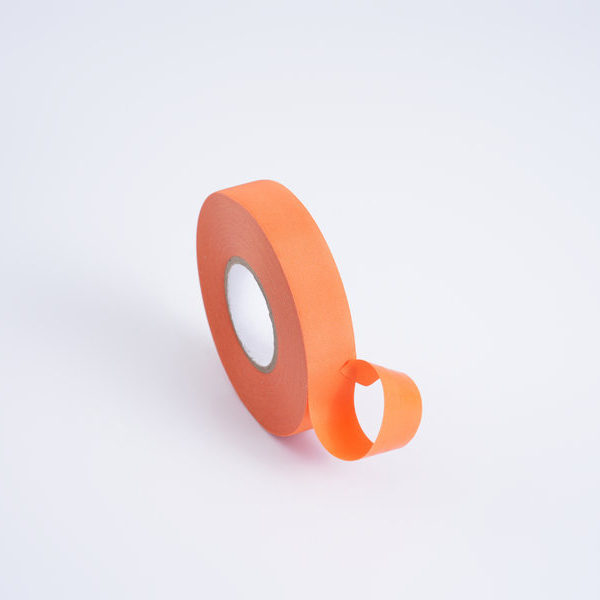 Why High-Temperature Orange Automotive Wire Harness Tape is the Smart Choice for High-Heat Engine Bays
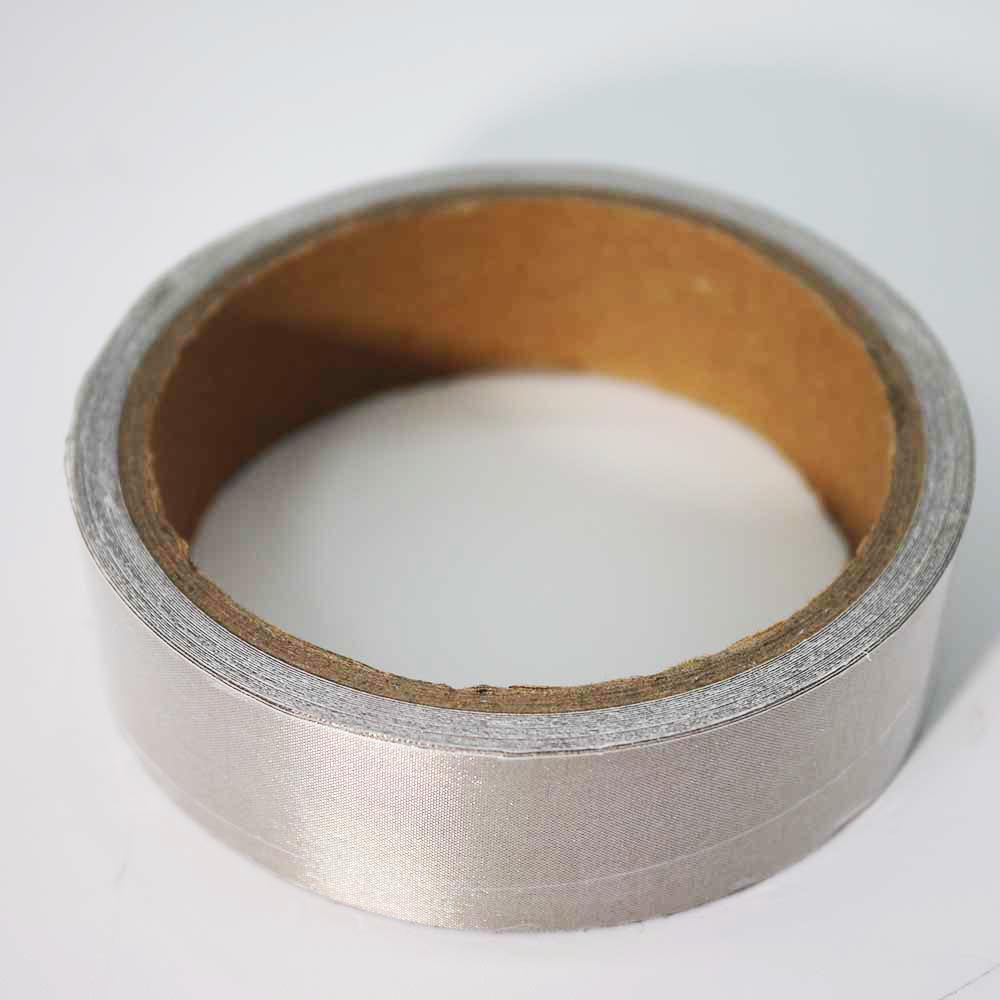 Can Double-Sided Conductive Fabric Tape Replace Traditional EMI Gaskets?
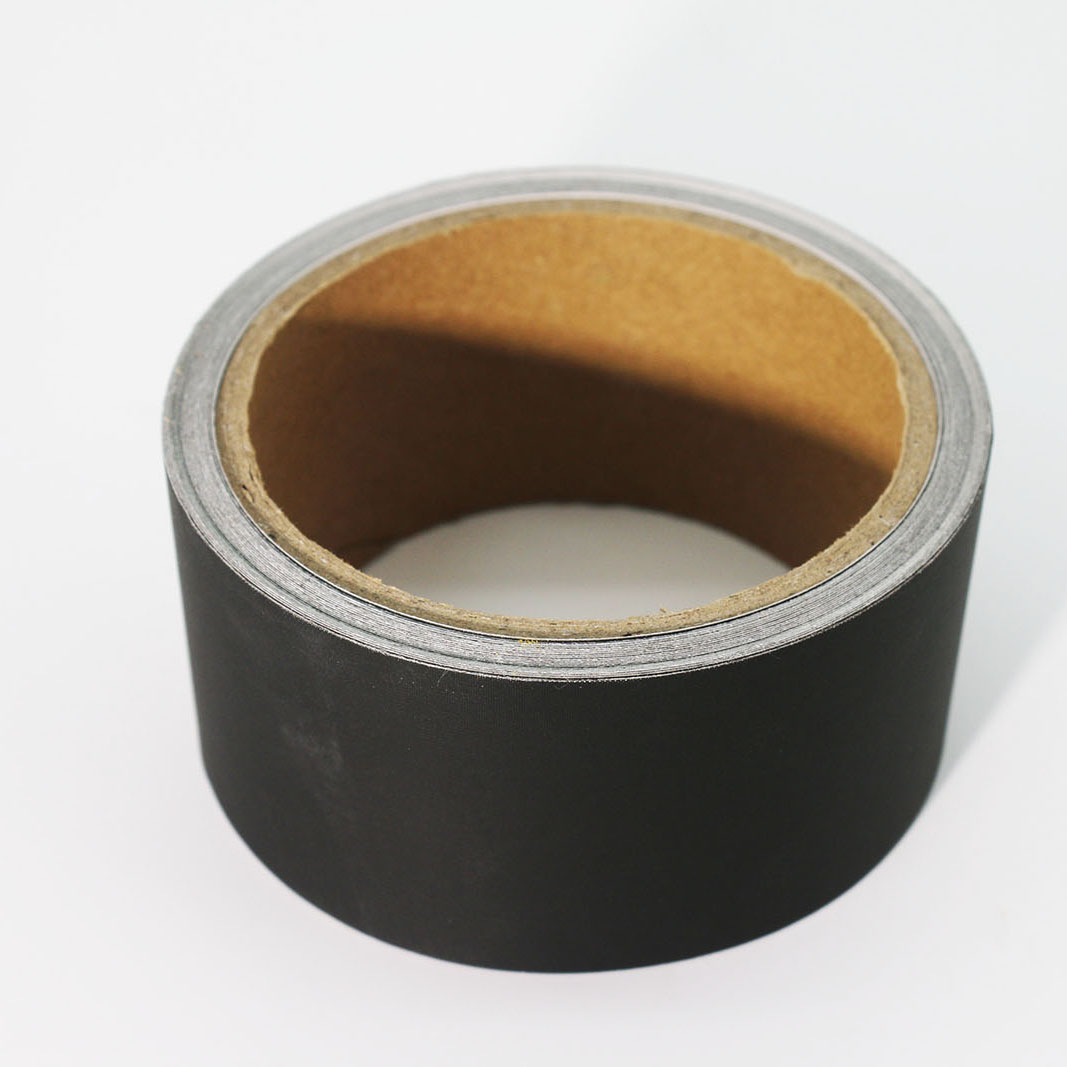 Why Black Conductive Fabric Tape is the Go-To for Light-Sensitive Electronics