
How to Layer Conductive and Insulating Tapes for Maximum Safety
In modern electrical systems, safety is rarely achieved with just one material. Whether you are working on wire harnesses, transformers, motors, or electronic enclosures, combining conductive tapes and insulating tapes is often the most reliable solution. But here’s the thing—how you layer them matters more than many people realize.
In previous articles, we talked about conductive tape vs insulating tape and choosing the right adhesive for heat-resistant electrical tapes. Now let’s take the next step and explain how to layer these tapes correctly to achieve maximum electrical safety, thermal stability, and long-term reliability.
Why Layering Conductive and Insulating Tapes Is Necessary
Conductive tapes and insulating tapes serve very different purposes:
-
Conductive tapes provide EMI shielding, grounding, and static discharge
-
Insulating tapes prevent short circuits, electrical leakage, and mechanical damage
In real-world applications, electrical systems are exposed to heat, vibration, moisture, and electromagnetic interference—sometimes all at once. Using only one type of tape usually isn’t enough, especially in automotive, industrial, or consumer electronics environments.
This is where layered tape solutions come into play.
Step 1: Understand the Electrical Function First
Before applying any tape, ask one simple question:
What problem am I solving here?
-
EMI shielding? → conductive tape is required
-
Electrical insulation? → insulating tape is mandatory
-
Both at the same location? → layered structure needed
For example, in automotive wire harnesses, conductive cloth tape may be used to reduce electromagnetic noise, while an outer insulating tape protects against abrasion and heat. Mixing roles without planning is how problems start.
Step 2: Apply Conductive Tape Closest to the Source
In most applications, conductive tape should be applied first, directly on the cable, component, or enclosure surface.
Why?
-
EMI interference originates from the signal or component itself
-
Conductive tape works best when it has direct contact
-
Grounding efficiency is higher with minimal barriers
Conductive cloth tape, aluminum foil tape, or copper tape are commonly used at this layer. Make sure the adhesive is compatible with temperature and surface material, otherwise the shielding effectiveness will drop over time.
This step is critical, and skipping it is not a good idea at all.
Step 3: Add Insulating Tape as a Protective Layer
Once the conductive layer is in place, insulating tape goes on top. This layer serves multiple functions:
-
Prevents accidental short circuits
-
Adds heat resistance
-
Improves mechanical durability
-
Protects conductive tape from oxidation or damage
Materials like acetate cloth tape, nylon cloth tape, PET tape, or silicone tape are commonly used. For motors and transformers, acetate cloth tape is popular due to its heat resistance and electrical insulation balance.
One thing to remember: insulating tape must fully cover the conductive layer, otherwise you risk exposed conductive edges. That’s how failures happen, and it happens fast.
Step 4: Consider Heat and Environment Together
Layering tapes is not only about electricity—it’s also about thermal and environmental performance.
Ask yourself:
-
Will this area reach over 120°C or 200°C?
-
Is there oil, humidity, or vibration involved?
-
Does the equipment run continuously or intermittently?
In high-temperature environments, silicone or high-temp acrylic adhesives are recommended. Using rubber adhesive here might work at first, but later it will fail, and that’s not something anyone wants to deal with.
Step 5: Test, Adjust, and Standardize
Once your tape layering solution works, standardize it. This is especially important for manufacturers and maintenance teams.
-
Document tape types and layering order
-
Keep tape widths and thickness consistent
-
Train operators on correct application
A standardized solution improves safety, reduces maintenance, and lowers long-term cost. And honestly, it makes life easier for everyone involved.
Common Mistakes to Avoid
-
Applying insulating tape first, then conductive tape
-
Mixing incompatible adhesives
-
Leaving conductive edges exposed
-
Ignoring temperature ratings
-
Assuming “one tape fits all”
If layering is done wrong, even the best materials won’t save the system. The process matters, not just the product.
Final Thoughts
Layering conductive and insulating tapes is not complicated, but it does require clear understanding and correct execution. When done properly, it enhances EMI protection, electrical safety, and durability across a wide range of applications—from electronics to automotive and industrial equipment.
Choosing high-quality tapes from an experienced manufacturer ensures that materials, adhesives, and performance all work together. That is how long-term safety is achieved, not by shortcuts.
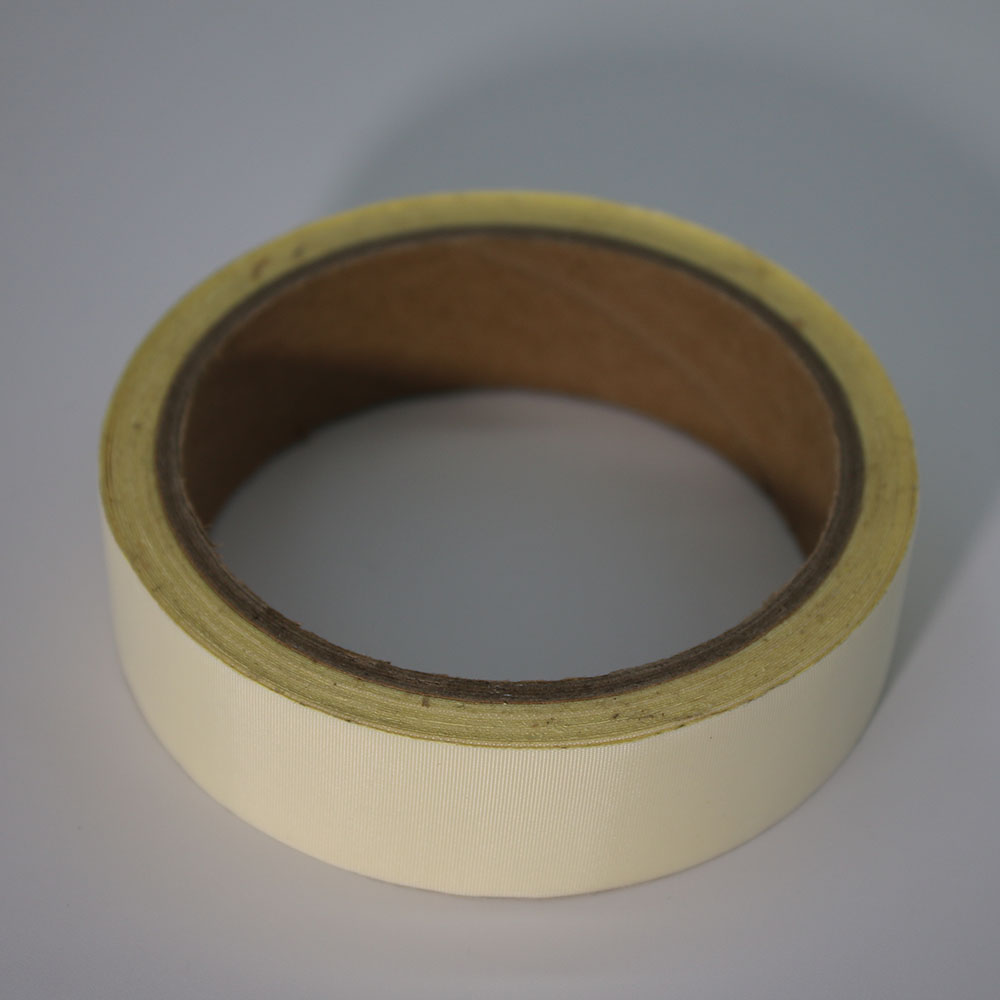 Can a Multi-Layer Nylon Cloth Tape with Optional Aluminum Foil Backing Really Bundle Hot-Engine Wiring and Absorb Minor Vibration in One Wrap
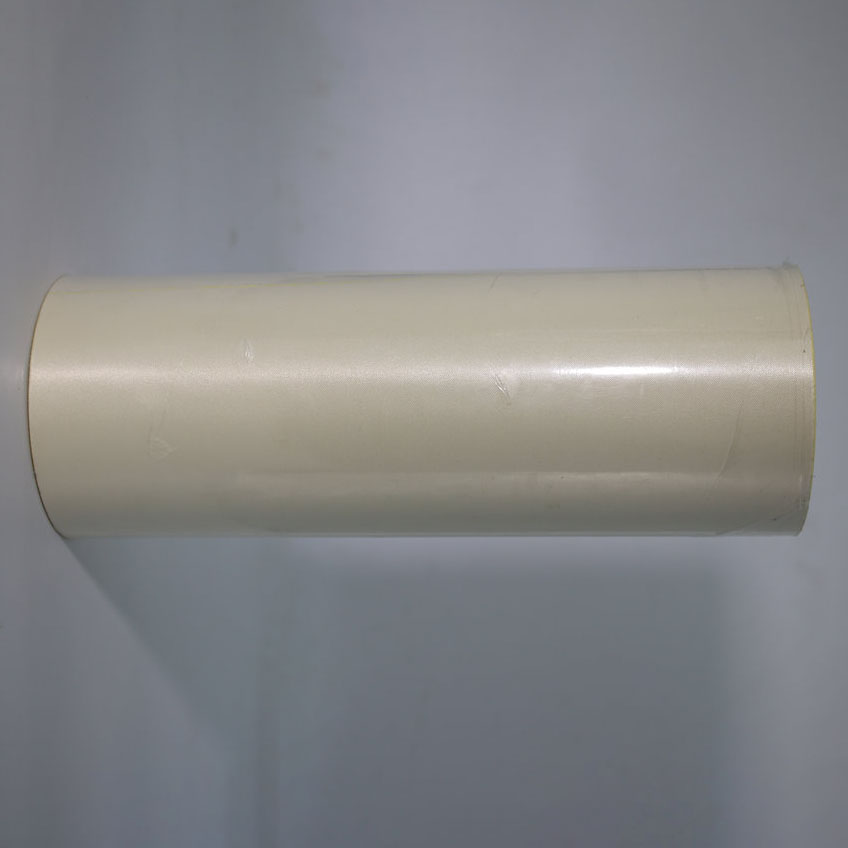 Can a Laser Inkjet and Thermal Transfer Compatible Printable Adhesive Label Tape Really Survive Warehouse Scuffs and Freezer Storage While Staying Scannable
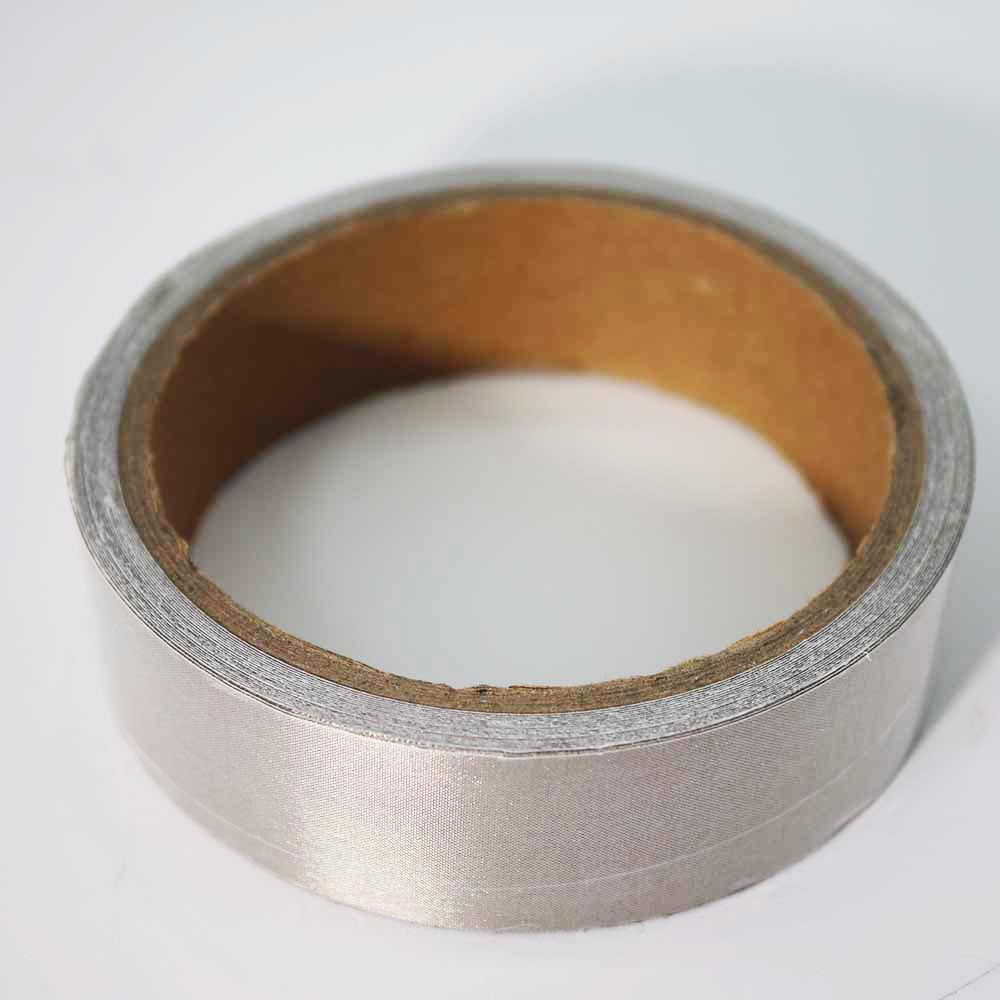 Does Double-Sided Conductive Fabric Tape Actually Replace Traditional EMI Gaskets in Compact Electronics?
 Will a Flame-Retardant Orange Fabric Wire Harness Tape Withstand 150 degrees Under the Hood Without Leaving Residue?
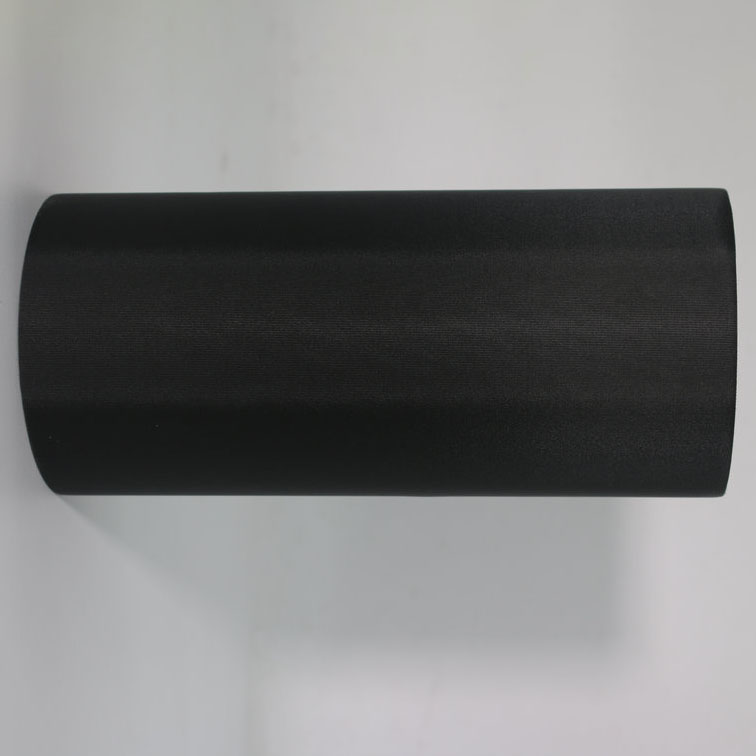 Can a Single Light-Blocking Tape Replace Multiple Shielding Layers in Display Assembly?
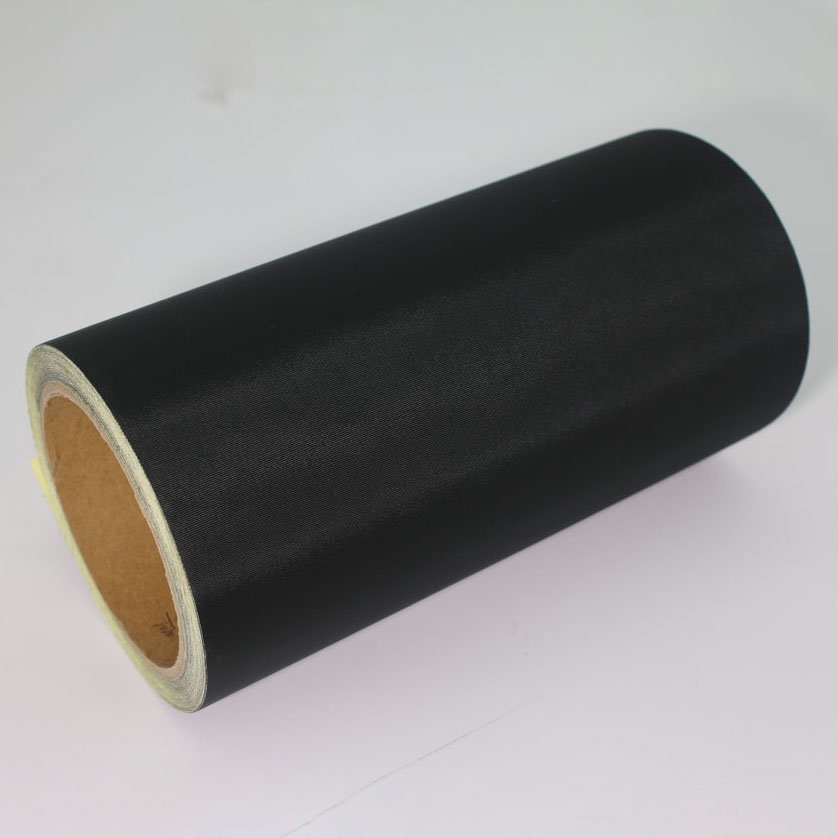 Can a 0.05mm Light Blocking Tape Really Deliver 99.9 percent Blackout for Sensitive Optics?
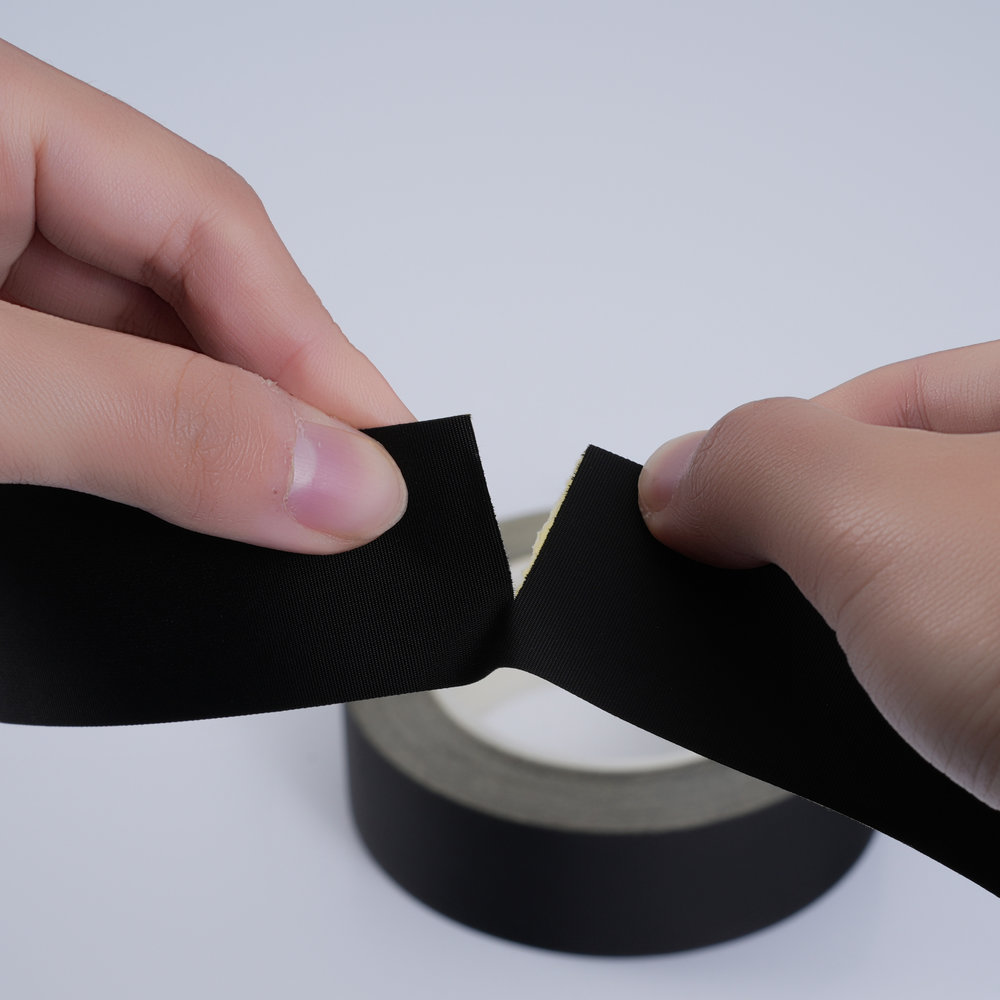 Is Acetate Cloth Tape the Ultimate Flame-Retardant Solution for Electrical Insulation?
 Why High-Temperature Orange Automotive Wire Harness Tape is the Smart Choice for High-Heat Engine Bays
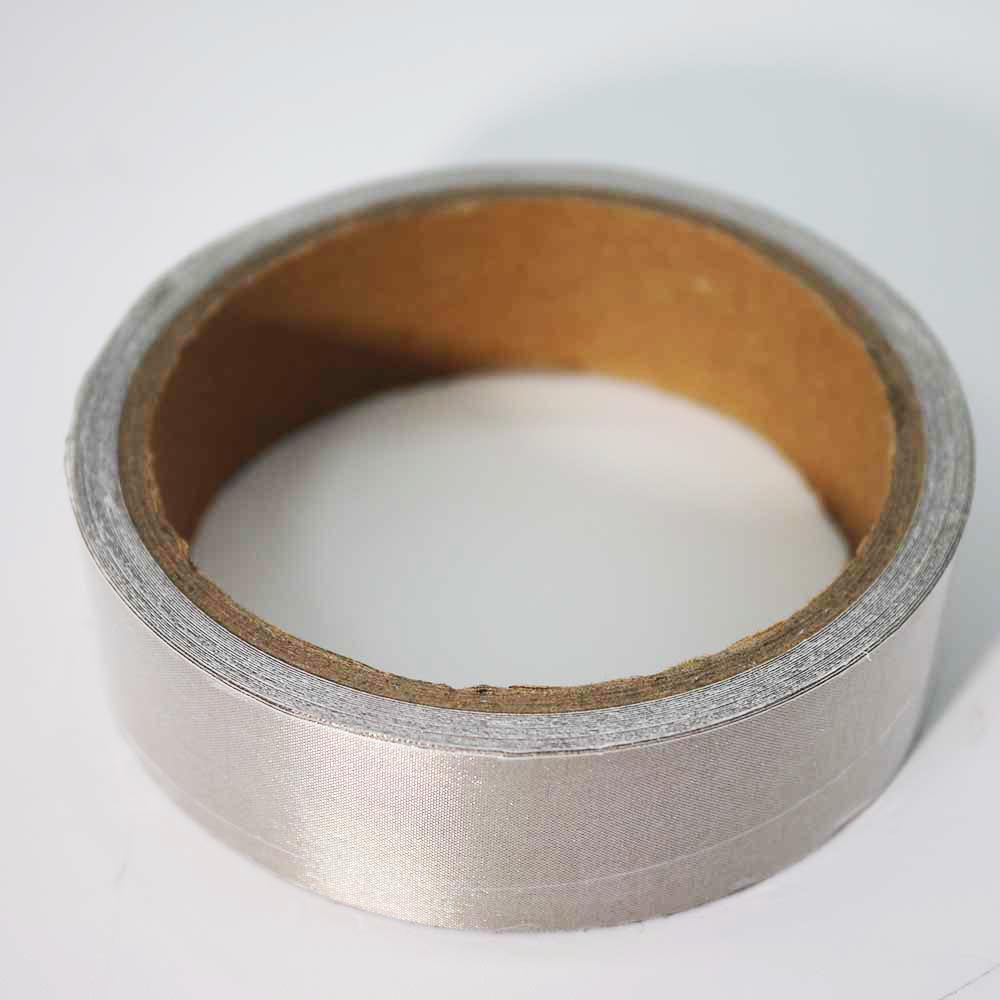 Can Double-Sided Conductive Fabric Tape Replace Traditional EMI Gaskets?
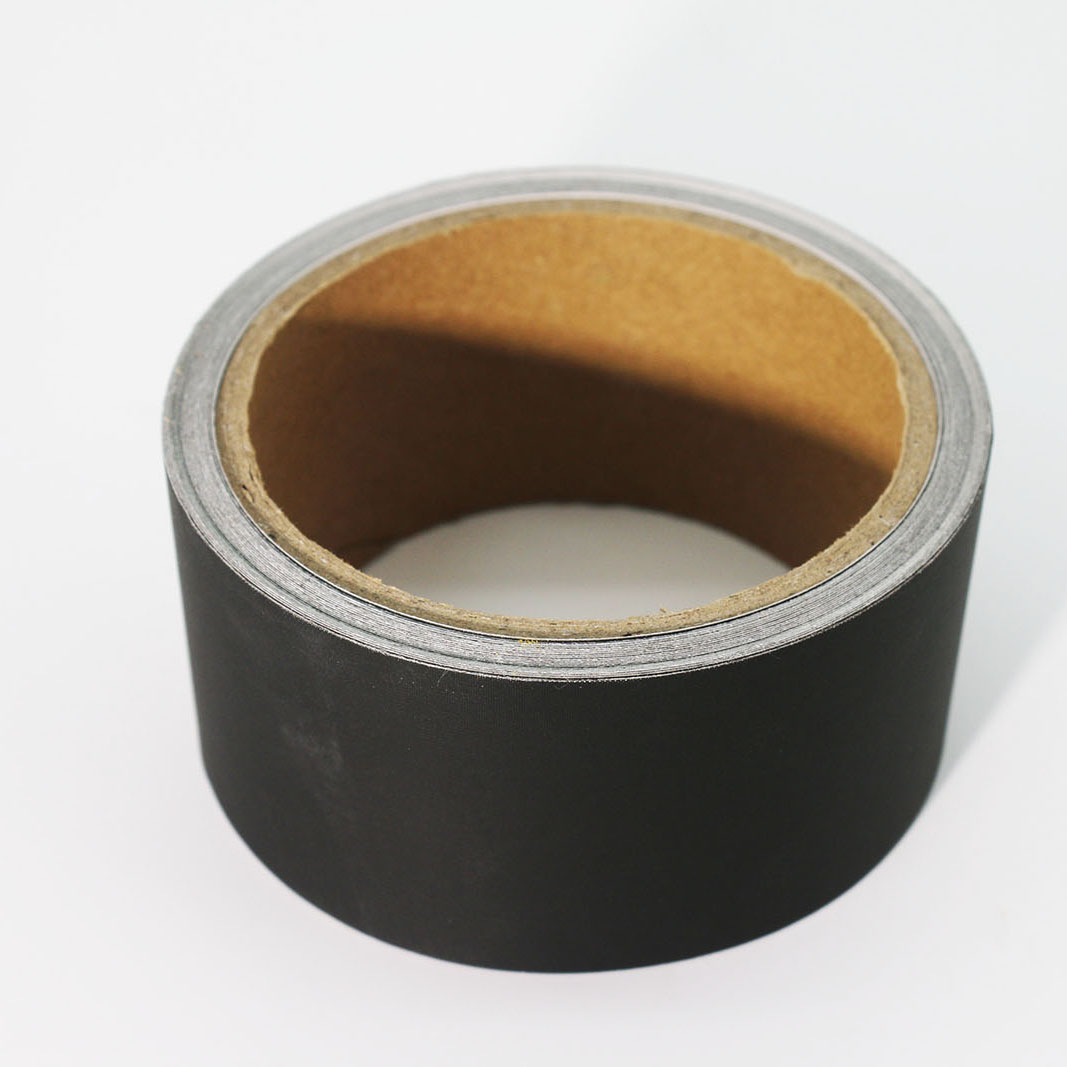 Why Black Conductive Fabric Tape is the Go-To for Light-Sensitive Electronics