
Common Adhesive Failures in Industrial Electrical Tapes
In industrial environments, electrical tape is expected to perform reliably for years. However, in many real-world applications, failures don’t come from the backing material—they come from the adhesive system.
Understanding common adhesive failures in industrial electrical tapes can help prevent wiring issues, reduce maintenance costs, and improve long-term system reliability.
Let’s look at the most frequent adhesive-related problems and what causes them.
1. Adhesive Softening Under Heat
One of the most common failures is adhesive softening.
Inside control cabinets, temperatures often remain elevated due to:
-
power supplies
-
drives and inverters
-
transformers
Low-quality or unsuitable adhesives (especially standard rubber-based systems) may soften over time. When this happens:
-
tape loses holding strength
-
edges begin to lift
-
wire bundles become loose
This issue is particularly common when general-purpose tape is used in high-temperature industrial environments.
2. Adhesive Drying and Loss of Tack
In contrast to softening, some adhesives fail by drying out.
Over time, exposure to heat and airflow can cause:
-
loss of flexibility
-
reduced tackiness
-
poor surface bonding
When adhesive dries, tape may detach from cables or fail to maintain proper insulation positioning.
This type of failure is often seen in tapes not designed for long-term aging stability.
3. Adhesive Migration and Residue
Adhesive migration occurs when the adhesive moves away from its original position.
This can result in:
-
sticky residue on wires
-
uneven adhesive distribution
-
contamination of surrounding components
Residue not only complicates maintenance but can also attract dust, which may affect insulation performance over time.
This problem is commonly associated with low-grade adhesive formulations.
4. Poor Initial Adhesion
Some tapes fail from the beginning due to insufficient bonding strength.
This may be caused by:
-
low adhesive coating thickness
-
poor adhesive formulation
-
incompatible surfaces
If the tape does not properly adhere at installation, it will not perform reliably in the long run.
That’s why initial adhesion (tack) is just as important as long-term performance.
5. Adhesive Failure Under Vibration
Industrial environments often involve continuous vibration.
Weak adhesive systems may:
-
lose grip over time
-
allow tape to shift
-
cause wire bundles to loosen
This type of failure is especially critical in control cabinets and machinery where stable cable routing is required.
Cloth-based tapes with optimized adhesive systems perform better under these conditions.
6. Chemical and Environmental Degradation
In some industries, tapes are exposed to:
-
oils
-
solvents
-
humidity
-
dust
Low-quality adhesives may degrade when exposed to these factors, leading to reduced adhesion and premature failure.
Industrial-grade adhesives are designed to resist environmental stress.
Final Thoughts
Adhesive failure is one of the leading causes of electrical tape performance issues in industrial applications.
Common problems include:
-
heat softening
-
drying and brittleness
-
residue and migration
-
poor initial bonding
-
vibration-related detachment
Choosing high-quality electrical tapes with stable adhesive systems—especially acrylic-based or optimized industrial adhesives—can significantly reduce these risks.
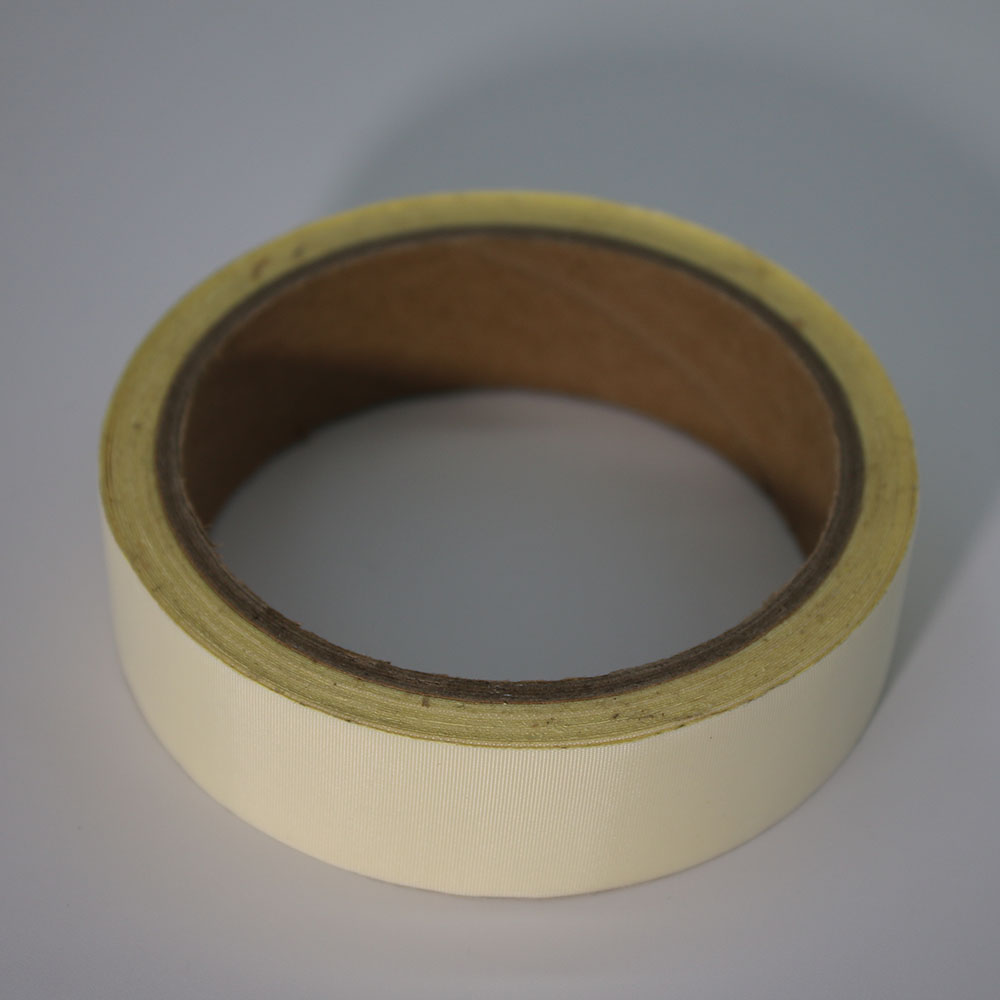 Can a Multi-Layer Nylon Cloth Tape with Optional Aluminum Foil Backing Really Bundle Hot-Engine Wiring and Absorb Minor Vibration in One Wrap
 Can a Laser Inkjet and Thermal Transfer Compatible Printable Adhesive Label Tape Really Survive Warehouse Scuffs and Freezer Storage While Staying Scannable
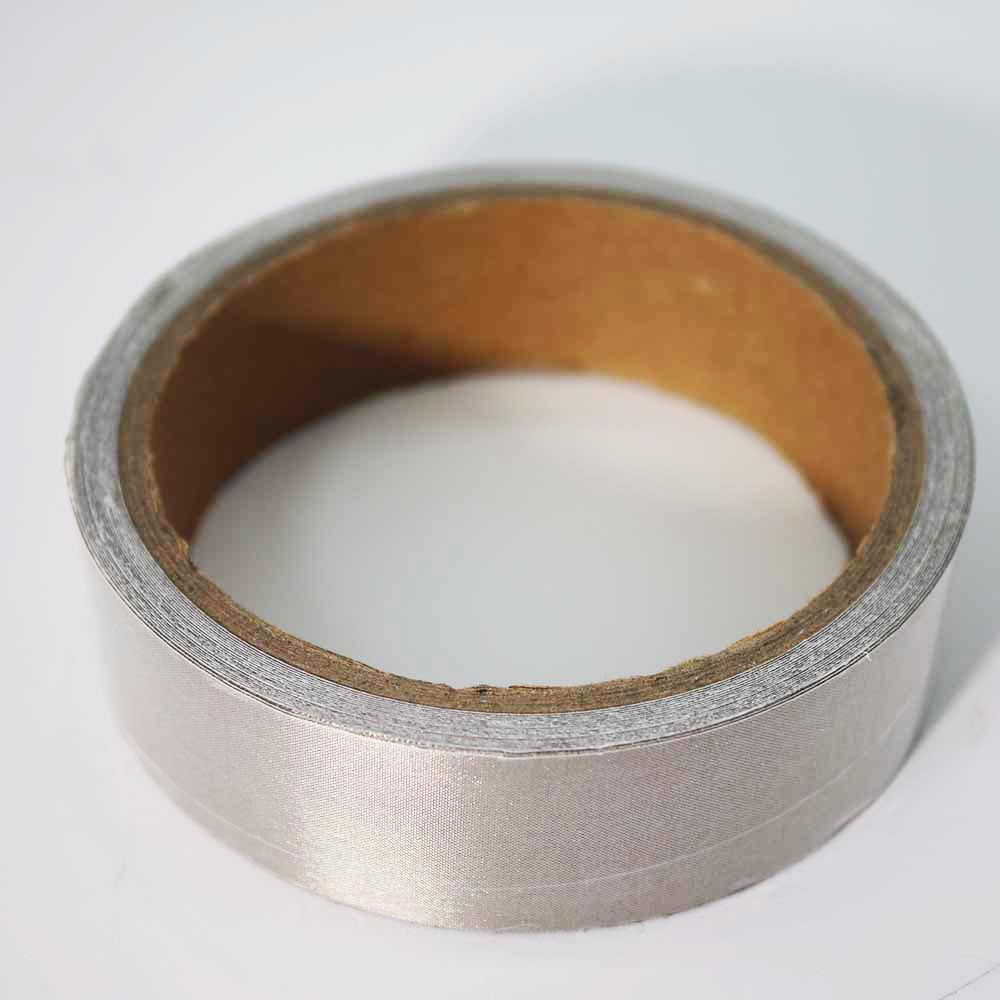 Does Double-Sided Conductive Fabric Tape Actually Replace Traditional EMI Gaskets in Compact Electronics?
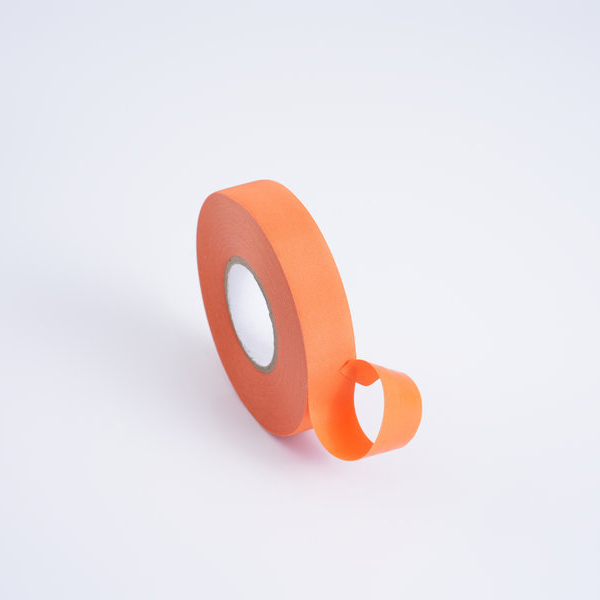 Will a Flame-Retardant Orange Fabric Wire Harness Tape Withstand 150 degrees Under the Hood Without Leaving Residue?
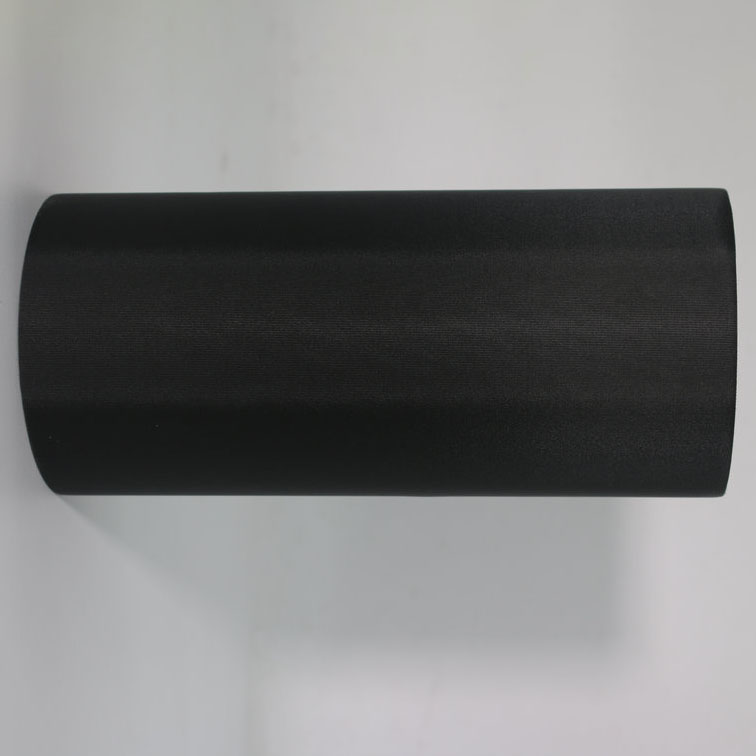 Can a Single Light-Blocking Tape Replace Multiple Shielding Layers in Display Assembly?
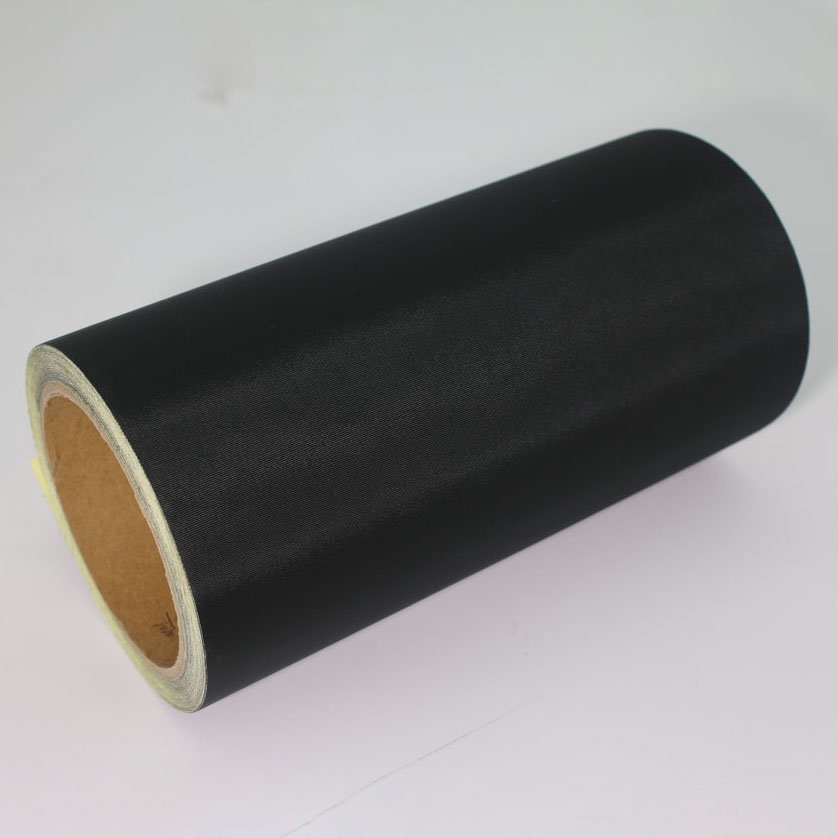 Can a 0.05mm Light Blocking Tape Really Deliver 99.9 percent Blackout for Sensitive Optics?
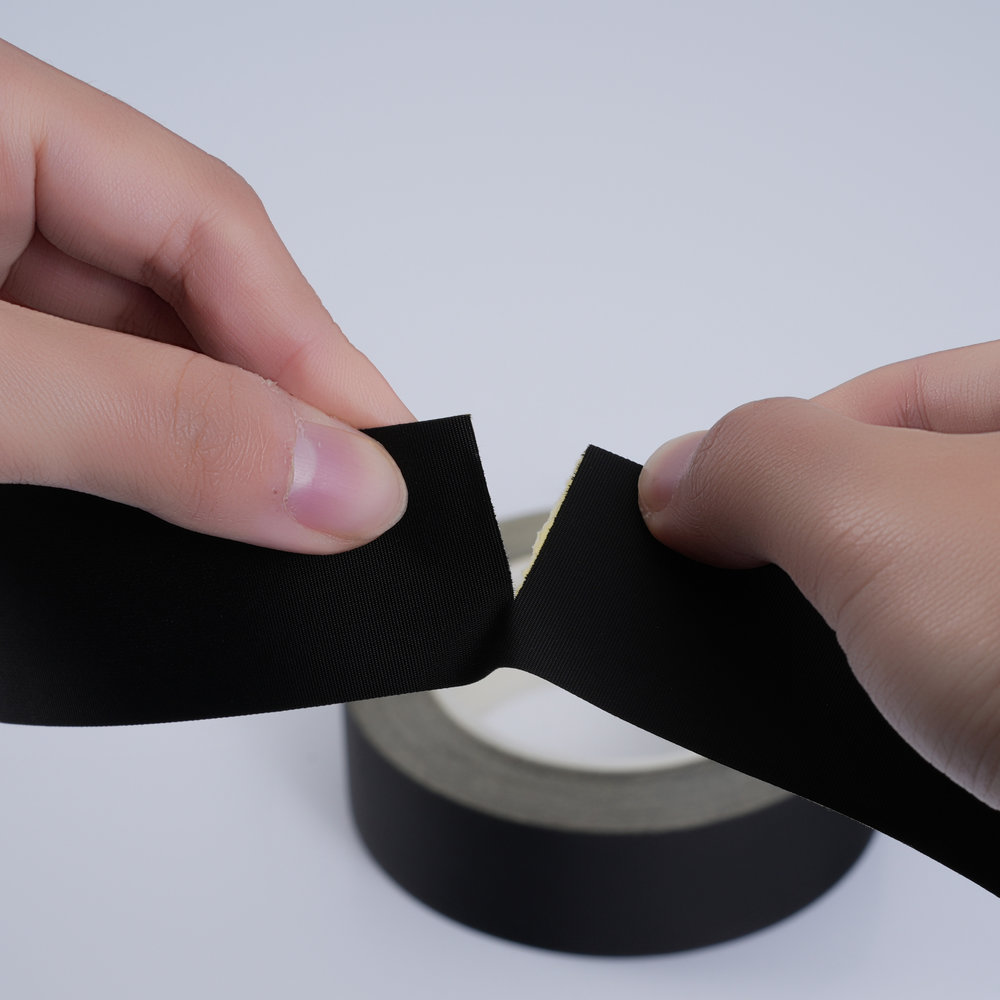 Is Acetate Cloth Tape the Ultimate Flame-Retardant Solution for Electrical Insulation?
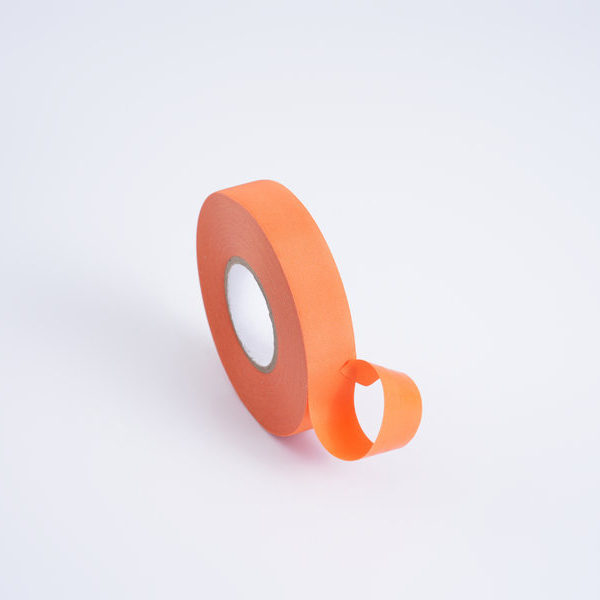 Why High-Temperature Orange Automotive Wire Harness Tape is the Smart Choice for High-Heat Engine Bays
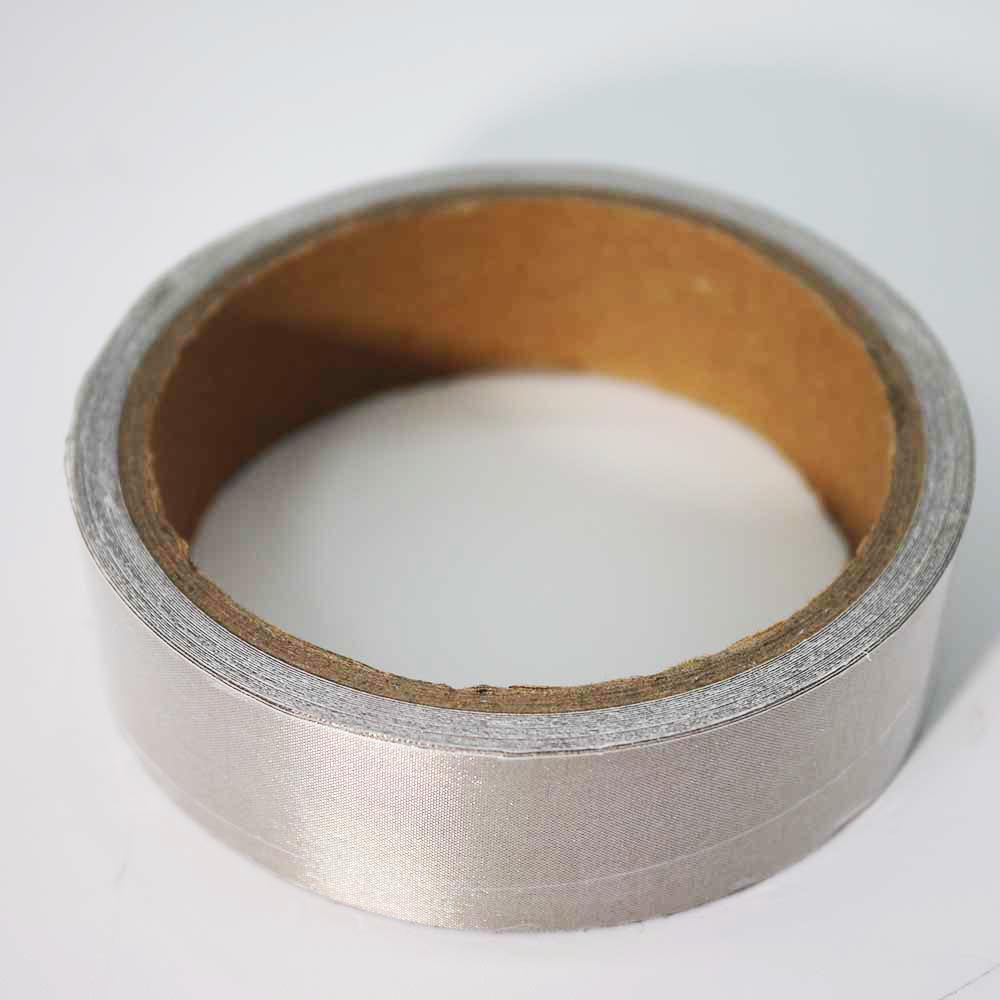 Can Double-Sided Conductive Fabric Tape Replace Traditional EMI Gaskets?
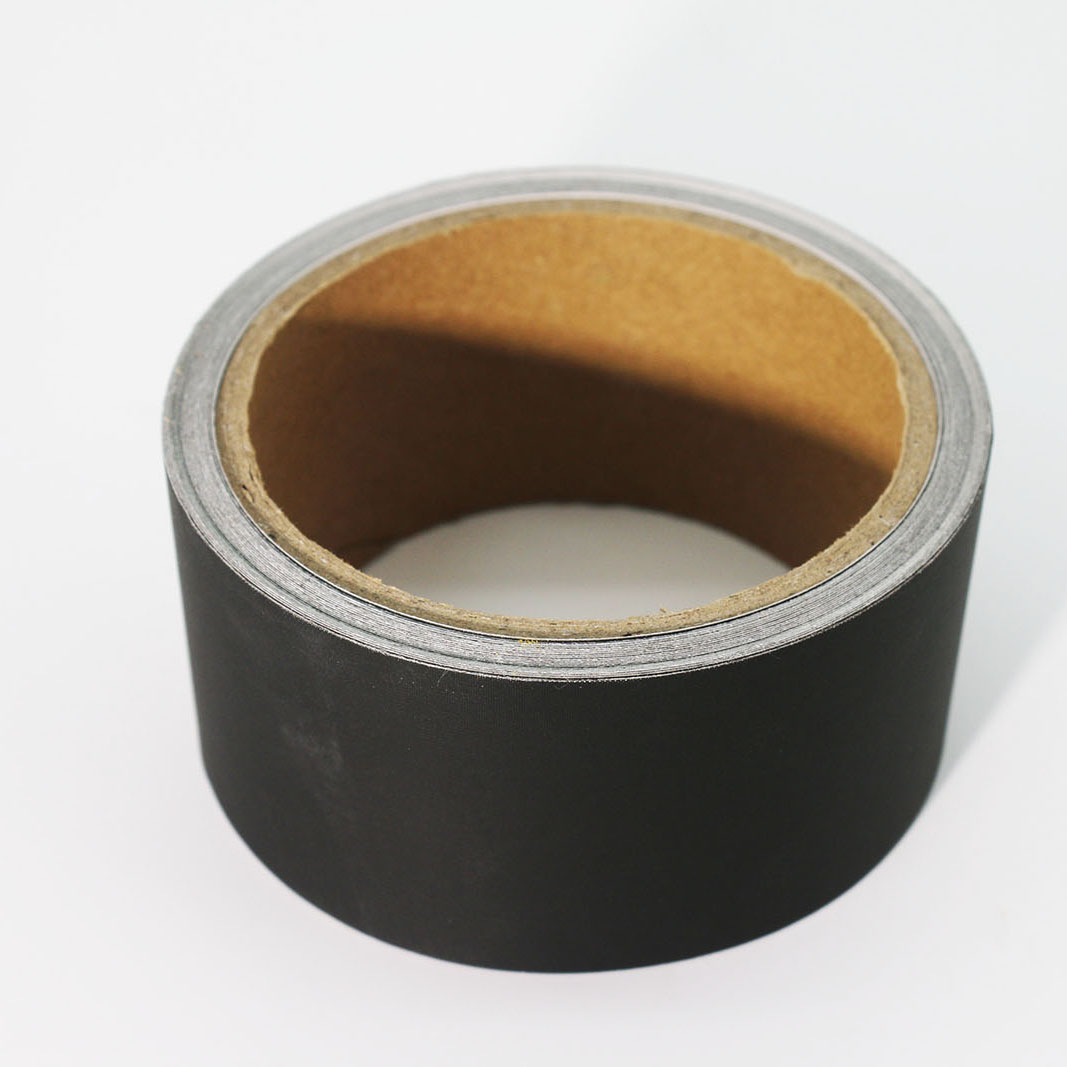 Why Black Conductive Fabric Tape is the Go-To for Light-Sensitive Electronics