
How Often Should Electrical Tape Be Replaced in Industrial Cabinets?
Electrical tape inside industrial cabinets is often installed and then forgotten.
Unlike breakers or relays, tape doesn’t have a visible replacement schedule.
So the practical question is:
How often should electrical tape be replaced in industrial cabinets?
The honest answer is: it depends on environment, tape type, and operating conditions. But there are clear guidelines that can help maintenance teams make better decisions.
1. There Is No Universal Replacement Interval
Electrical tape does not come with a fixed expiration date once installed.
Its lifespan depends on:
-
Operating temperature
-
Vibration level
-
Cabinet airflow
-
Tape material (PVC vs cloth-based)
-
Chemical exposure
In mild environments, tape may last several years. In high-heat panels, replacement may be necessary much sooner.
2. General Replacement Guidelines by Tape Type
While not strict rules, these are practical industrial observations:
-
PVC electrical tape: Often inspected after 12–24 months in continuously operating panels.
-
Acetate cloth tape: Typically inspected every 2–3 years.
-
Nylon cloth tape: Can maintain stable performance beyond 3 years under normal cabinet conditions.
These timelines shorten significantly if heat buildup or vibration is severe.
3. Replace Based on Condition, Not Just Time
Instead of replacing tape purely by calendar schedule, maintenance teams should check for:
-
Edge lifting
-
Adhesive residue
-
Brittleness
-
Bundle loosening
-
Discoloration near heat sources
If any of these signs appear, replacement should be scheduled during the next maintenance window.
4. High-Risk Zones Require More Frequent Inspection
Certain areas inside cabinets deserve extra attention:
-
Near power supplies
-
Around VFDs and inverters
-
Close to transformers
-
High-density wire bundles
These zones experience more heat concentration, accelerating adhesive aging.
5. Preventive Replacement vs Reactive Repair
Replacing aging tape during planned maintenance is far safer than waiting for visible wiring issues.
Preventive replacement:
-
Reduces insulation risk
-
Maintains tidy wiring
-
Improves inspection results
-
Supports compliance audits
Industrial cabinets are designed for long service life. Tape selection and maintenance should follow the same philosophy.
Final Thoughts
There is no universal rule for how often electrical tape should be replaced in industrial cabinets.
But as a practical guideline:
-
Inspect annually
-
Replace when aging signs appear
-
Use heat-resistant cloth tapes for longer service intervals
Choosing higher-quality materials from the beginning can significantly reduce replacement frequency over time.
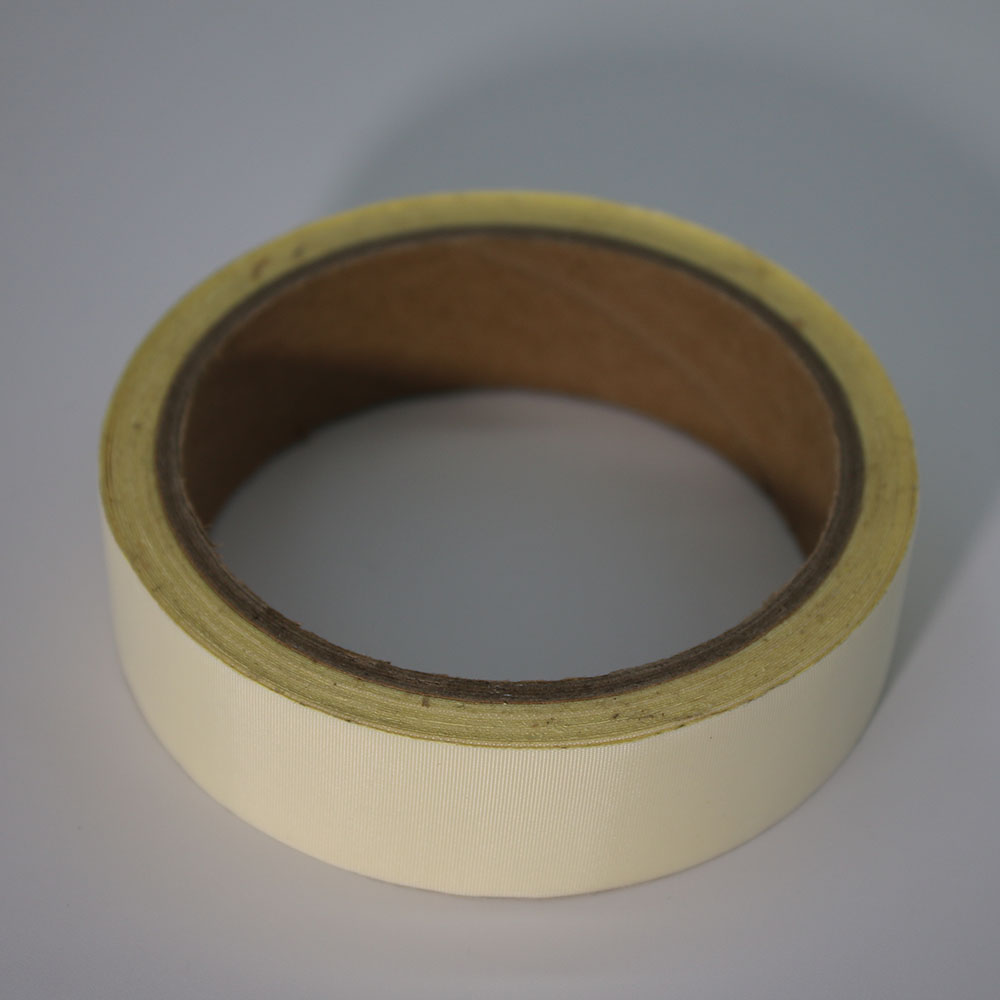 Can a Multi-Layer Nylon Cloth Tape with Optional Aluminum Foil Backing Really Bundle Hot-Engine Wiring and Absorb Minor Vibration in One Wrap
 Can a Laser Inkjet and Thermal Transfer Compatible Printable Adhesive Label Tape Really Survive Warehouse Scuffs and Freezer Storage While Staying Scannable
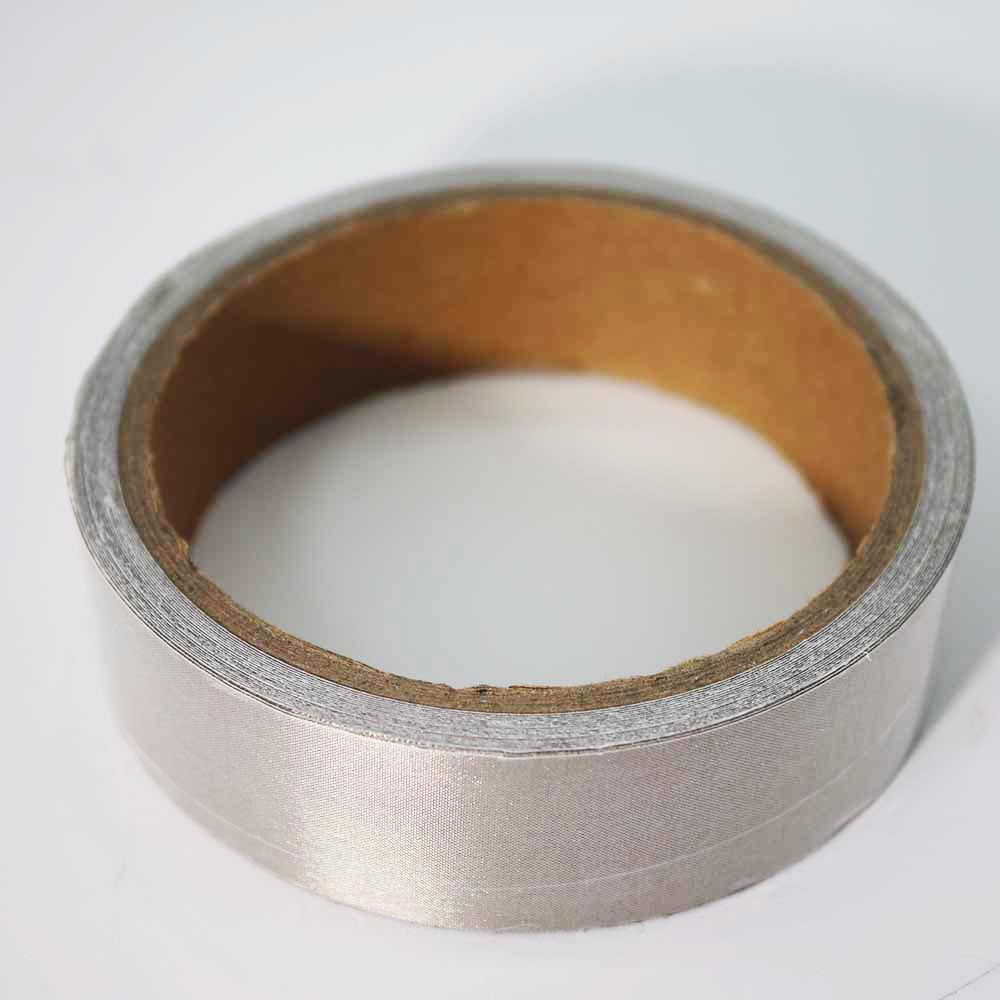 Does Double-Sided Conductive Fabric Tape Actually Replace Traditional EMI Gaskets in Compact Electronics?
 Will a Flame-Retardant Orange Fabric Wire Harness Tape Withstand 150 degrees Under the Hood Without Leaving Residue?
 Can a Single Light-Blocking Tape Replace Multiple Shielding Layers in Display Assembly?
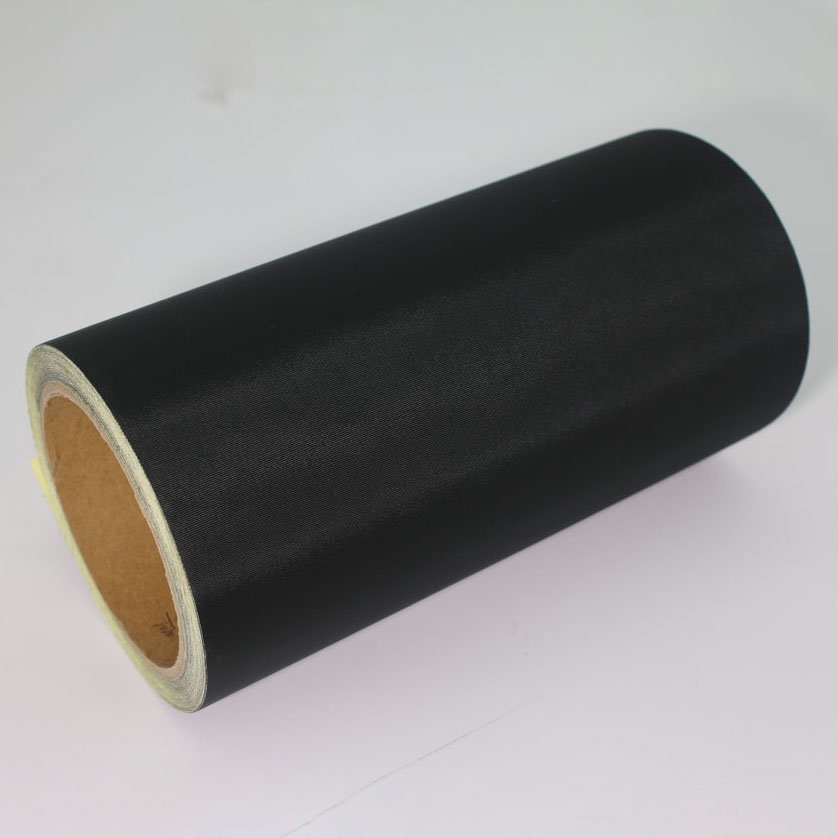 Can a 0.05mm Light Blocking Tape Really Deliver 99.9 percent Blackout for Sensitive Optics?
 Is Acetate Cloth Tape the Ultimate Flame-Retardant Solution for Electrical Insulation?
 Why High-Temperature Orange Automotive Wire Harness Tape is the Smart Choice for High-Heat Engine Bays
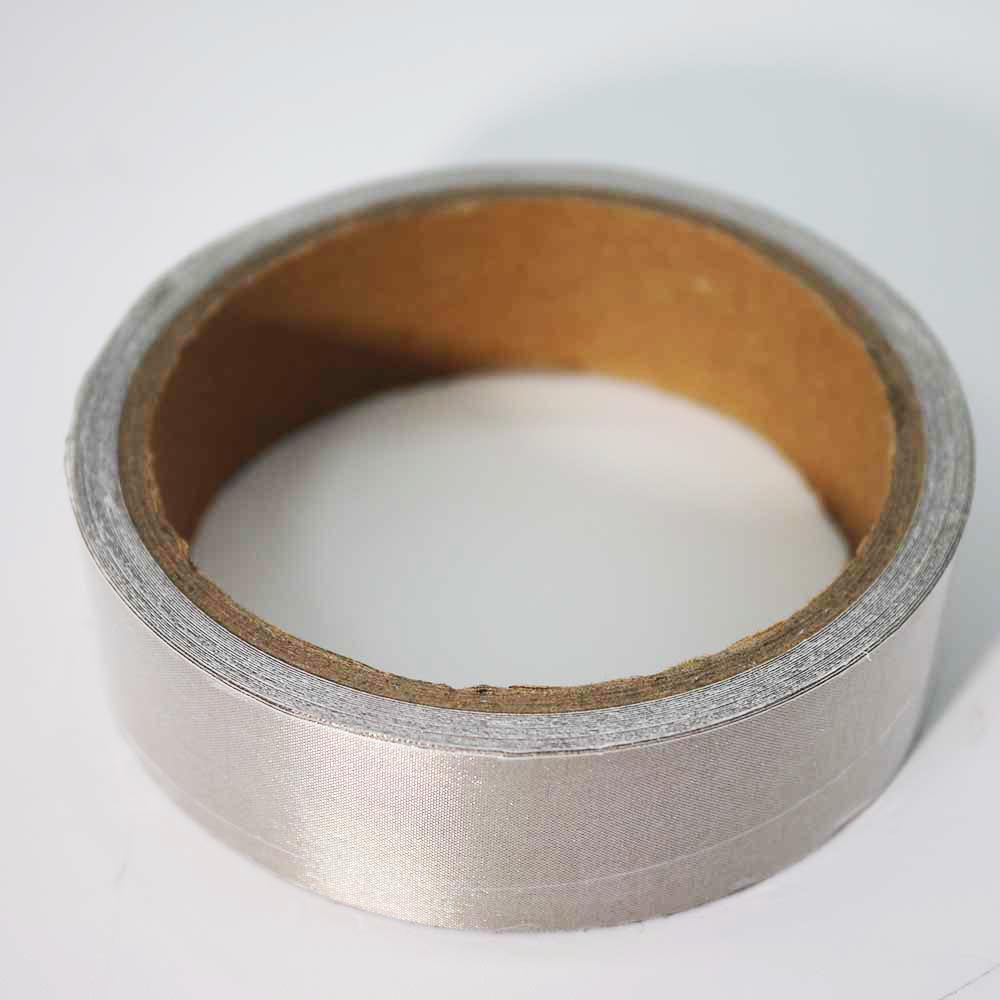 Can Double-Sided Conductive Fabric Tape Replace Traditional EMI Gaskets?
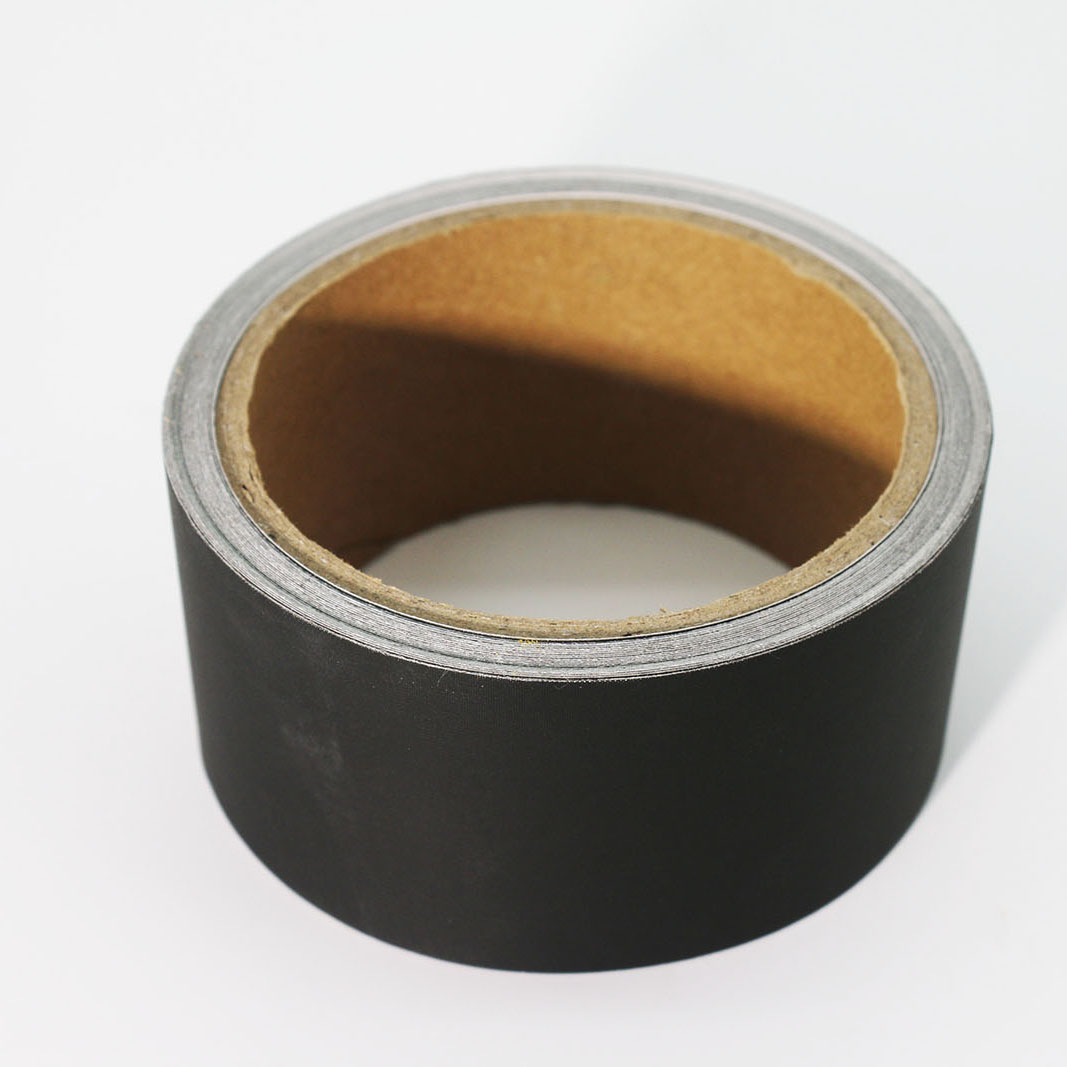 Why Black Conductive Fabric Tape is the Go-To for Light-Sensitive Electronics