
Nylon Cloth Tape vs Acetate Cloth Tape: Which Is Better for Control Cabinets?
When it comes to wiring inside industrial control cabinets, cloth-based tapes are generally preferred over PVC.
But then another question comes up:
Between nylon cloth tape and acetate cloth tape, which one is better for control cabinets?
The answer depends on application details—but in many modern industrial panels, nylon cloth tape is becoming the preferred option.
Let’s compare them from a practical engineering perspective.
1. Material Structure: Strength vs Conformability
Nylon Cloth Tape
-
Made with woven nylon fabric backing
-
High tensile strength
-
Excellent abrasion resistance
-
Strong mechanical reinforcement
Nylon cloth tape is especially suitable for areas where wire bundles may move slightly or experience vibration.
Acetate Cloth Tape
-
Made from acetate fabric
-
Softer and more flexible
-
Good conformability around coils and irregular surfaces
-
Moderate mechanical strength
Acetate cloth tape is widely used in motor windings and transformer applications because it wraps tightly and conforms well.
2. Heat Resistance in Control Cabinets
Control cabinets typically operate between 40°C and 80°C, sometimes higher near power modules.
-
Nylon cloth tape generally offers better long-term thermal stability.
-
Acetate cloth tape performs well under moderate heat but may age faster in continuously high-temperature areas.
In cabinets with dense power components or limited airflow, nylon cloth tape usually lasts longer.
3. Mechanical Stability Under Vibration
Industrial cabinets are rarely vibration-free. Cooling fans, nearby machinery, and cabinet door movement create constant micro-motion.
-
Nylon cloth tape maintains bundle integrity better due to its stronger woven structure.
-
Acetate cloth tape focuses more on flexibility than mechanical strength.
If your panel includes high-density wiring or frequent service access, nylon cloth tape provides more long-term stability.
4. Aging Performance Over Years
Over long operating cycles:
-
Acetate cloth tape may gradually lose tensile strength.
-
Nylon cloth tape maintains structural integrity for longer periods.
In fact, in high-load control panels, nylon cloth tape often demonstrate better durability over multi-year operation.
This makes it a common choice for OEMs that prioritize long service life.
5. When Acetate Cloth Tape Still Makes Sense
Acetate cloth tape remains suitable for:
-
Coil wrapping
-
Transformer insulation
-
Applications requiring strong conformability
-
Moderate temperature environments
It is not inferior—just more application-specific.
Final Recommendation
For general industrial control cabinet wiring, especially where:
-
Long-term reliability is critical
-
Heat buildup exists
-
Vibration is present
-
Maintenance cycles are extended
Nylon cloth tape is usually the better overall choice.
Acetate cloth tape remains valuable for specific wrapping applications, but nylon cloth tape offers broader durability advantages inside control cabinets.
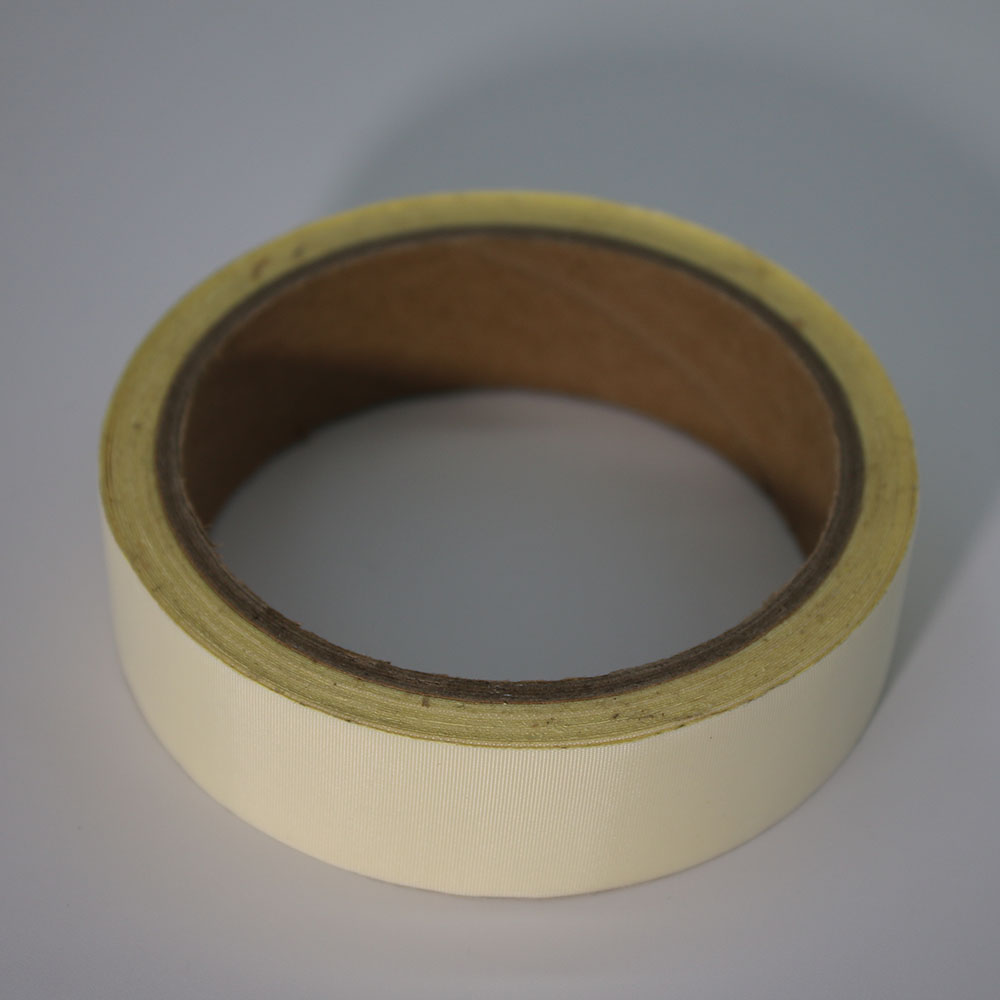 Can a Multi-Layer Nylon Cloth Tape with Optional Aluminum Foil Backing Really Bundle Hot-Engine Wiring and Absorb Minor Vibration in One Wrap
 Can a Laser Inkjet and Thermal Transfer Compatible Printable Adhesive Label Tape Really Survive Warehouse Scuffs and Freezer Storage While Staying Scannable
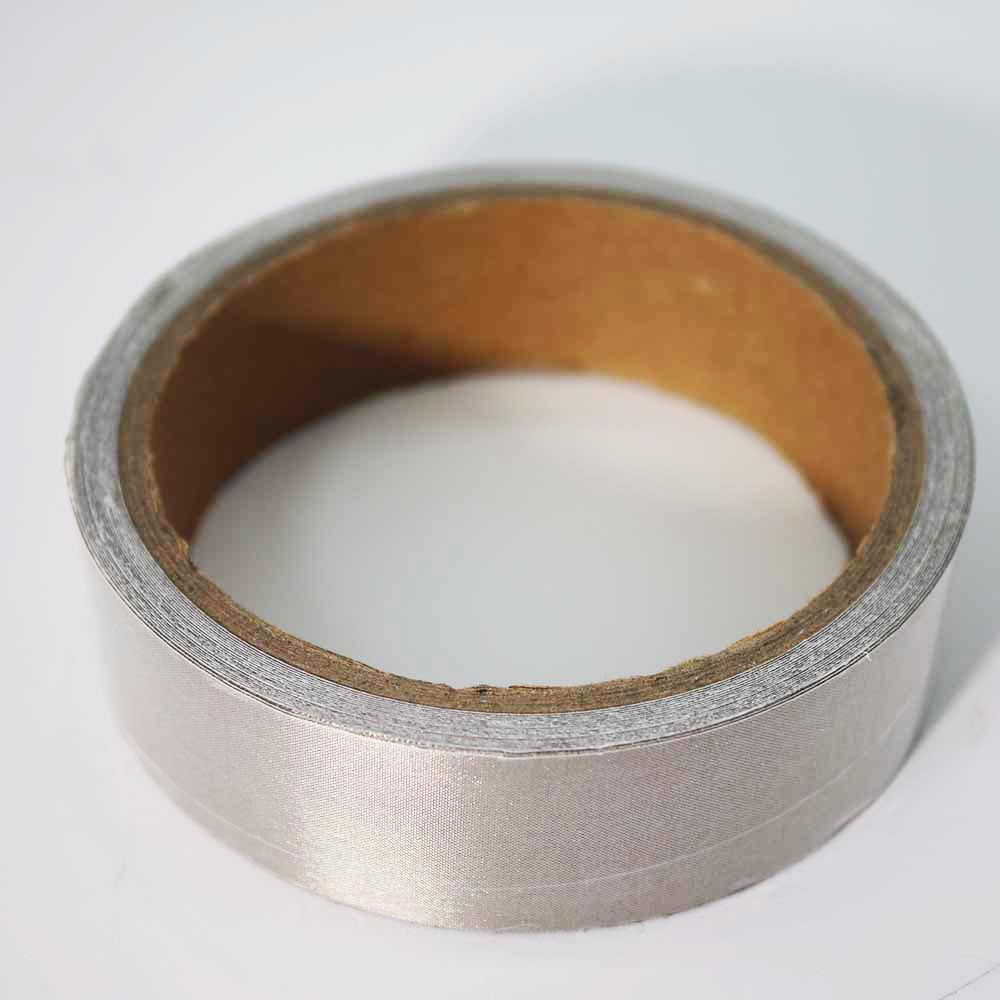 Does Double-Sided Conductive Fabric Tape Actually Replace Traditional EMI Gaskets in Compact Electronics?
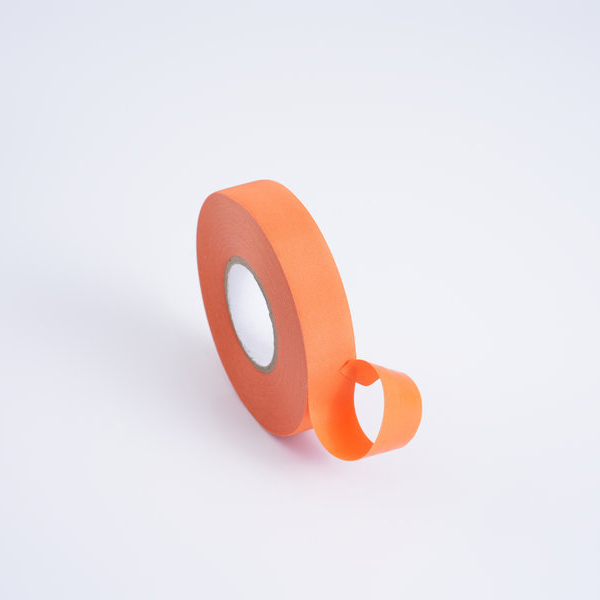 Will a Flame-Retardant Orange Fabric Wire Harness Tape Withstand 150 degrees Under the Hood Without Leaving Residue?
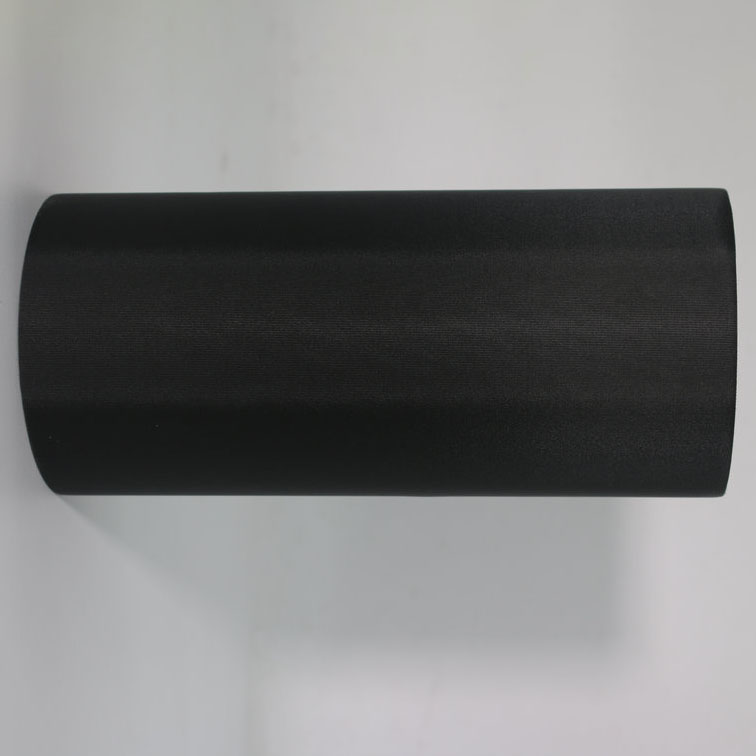 Can a Single Light-Blocking Tape Replace Multiple Shielding Layers in Display Assembly?
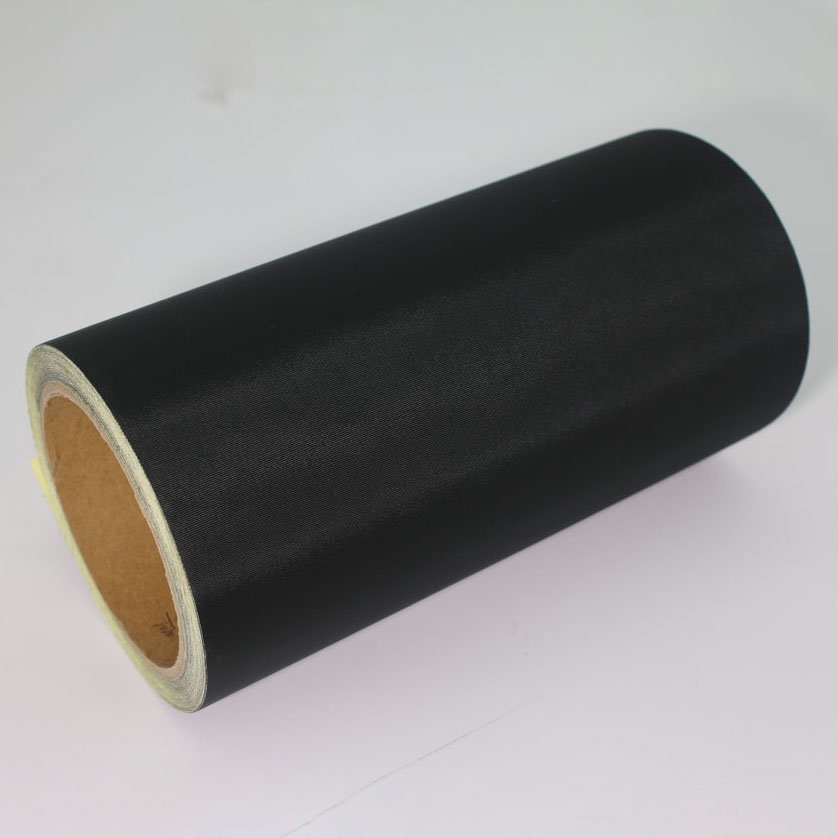 Can a 0.05mm Light Blocking Tape Really Deliver 99.9 percent Blackout for Sensitive Optics?
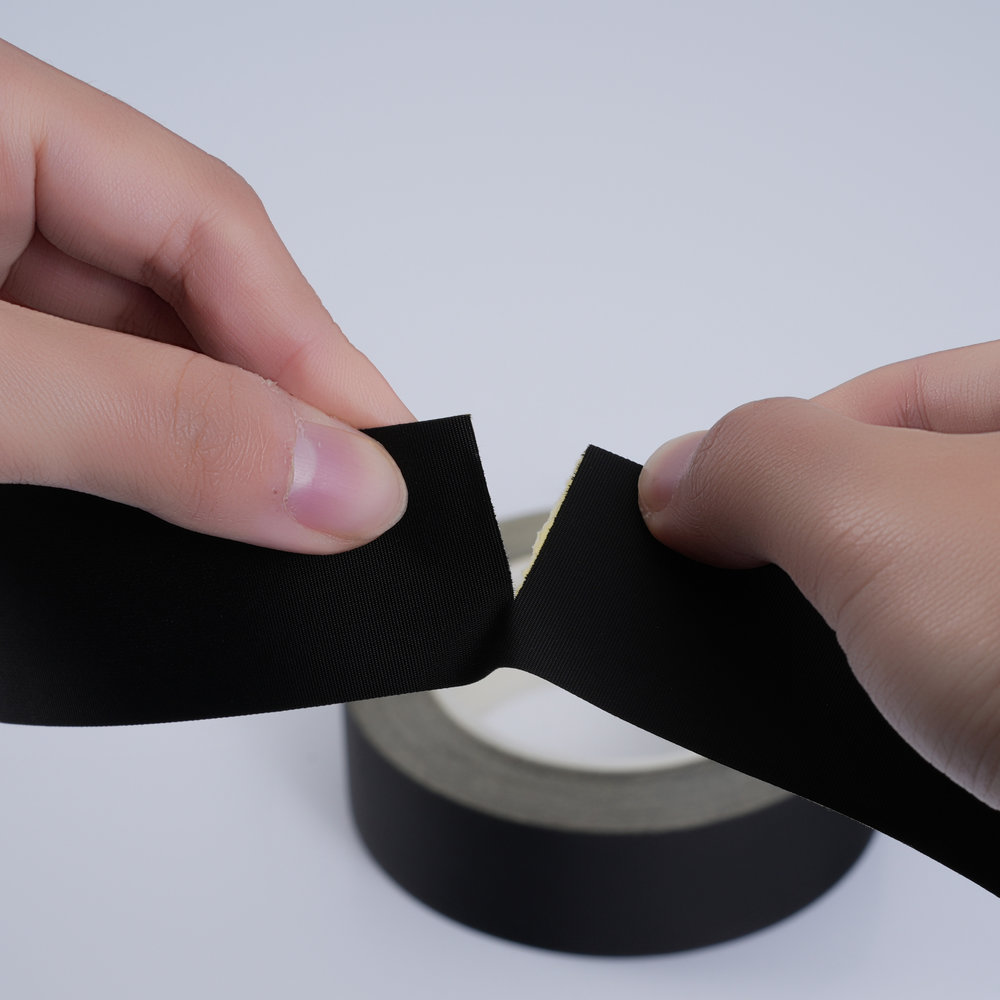 Is Acetate Cloth Tape the Ultimate Flame-Retardant Solution for Electrical Insulation?
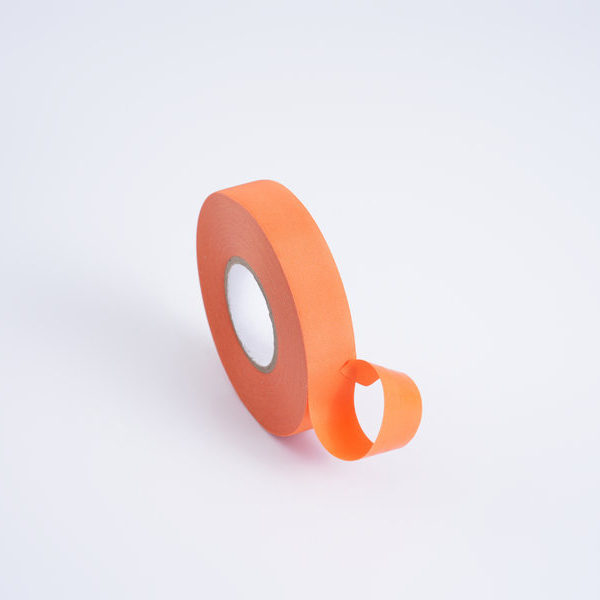 Why High-Temperature Orange Automotive Wire Harness Tape is the Smart Choice for High-Heat Engine Bays
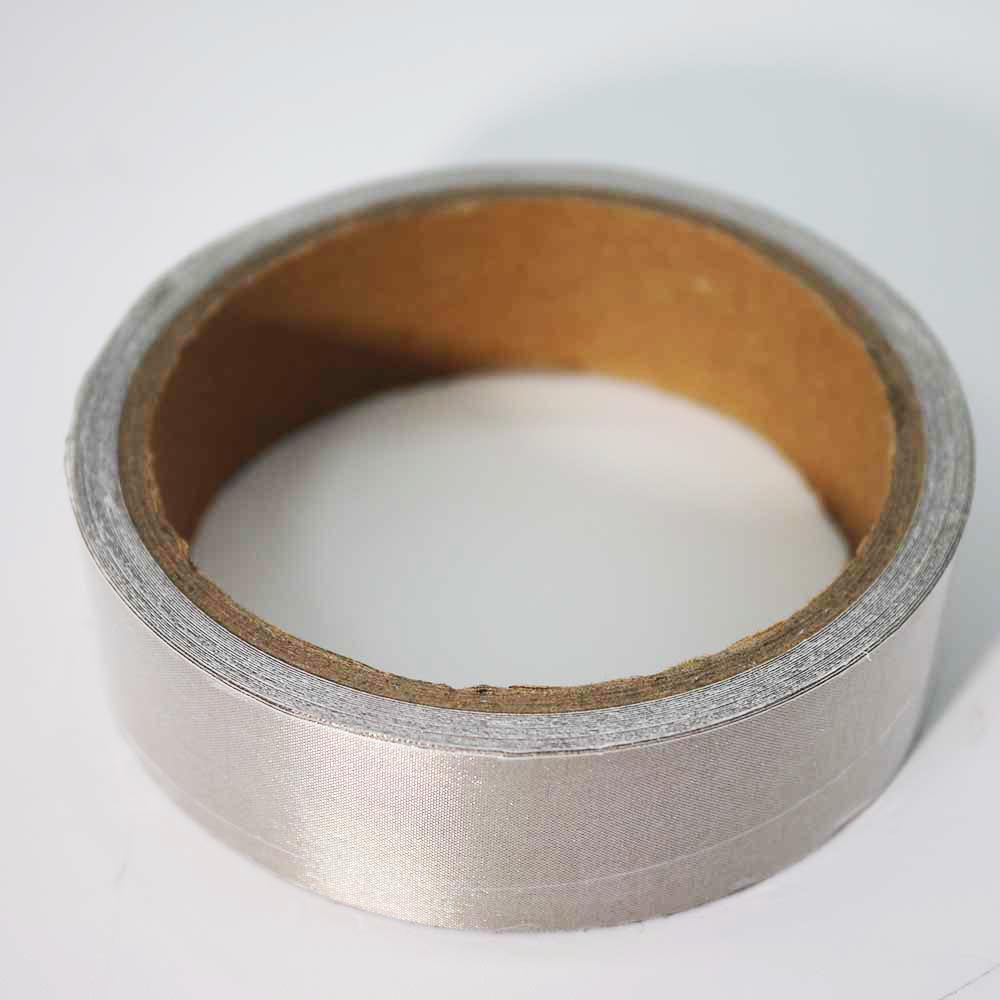 Can Double-Sided Conductive Fabric Tape Replace Traditional EMI Gaskets?
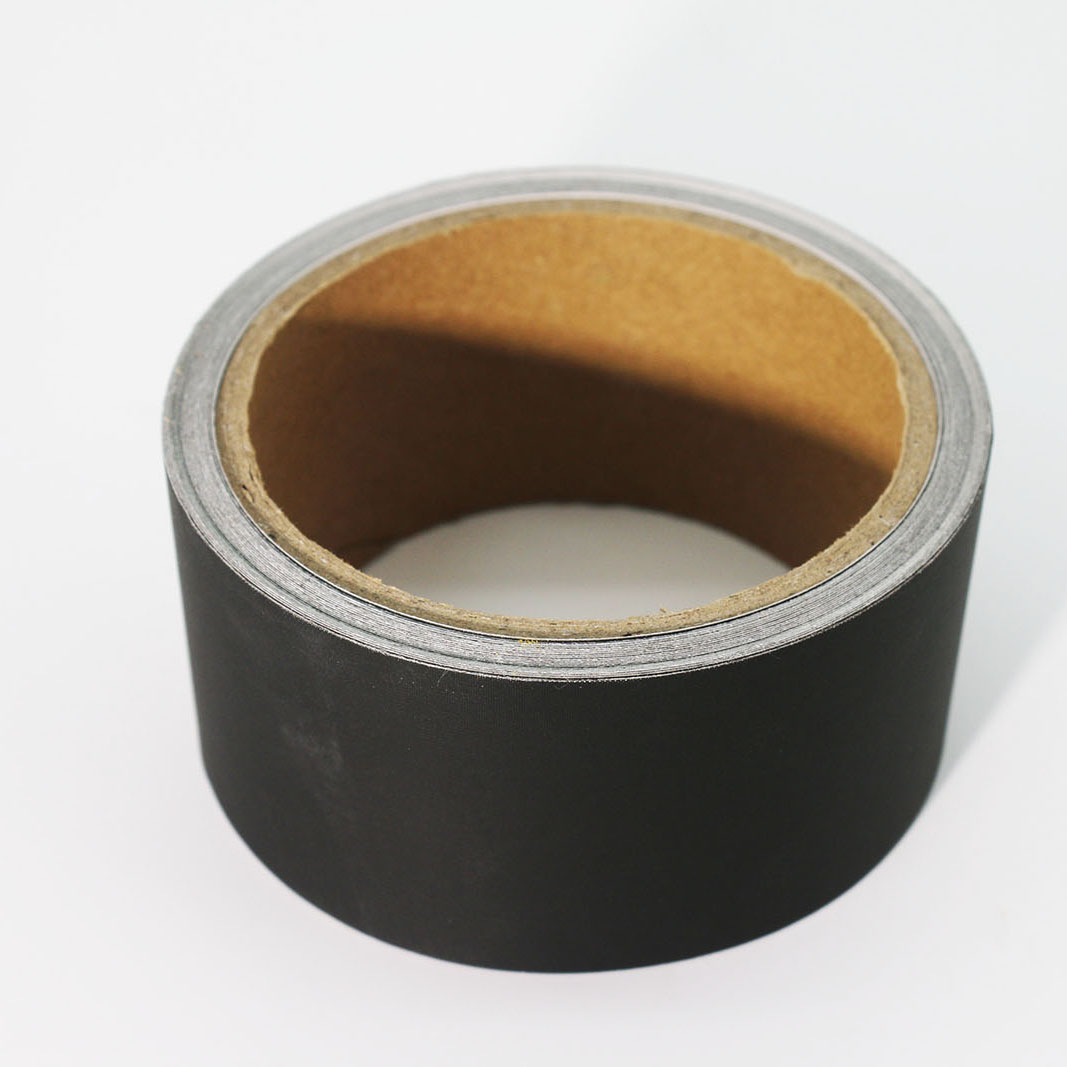 Why Black Conductive Fabric Tape is the Go-To for Light-Sensitive Electronics