
5 Signs Your Electrical Tape Is Failing Inside Control Cabinets
Electrical tape inside control cabinets is rarely checked until something goes wrong.
But in industrial environments, tape failure often starts silently—long before wires fall loose or faults appear.
If you manage control panels, switch cabinets, or automation enclosures, spotting early warning signs can help you avoid downtime, safety risks, and costly rework. Let’s walk through the five most common signs your electrical tape is failing inside control cabinets and what they usually mean.
1. Tape Edges Are Lifting or Curling
One of the earliest signs of tape failure is when the edges start to lift.
Inside control cabinets, heat cycles cause adhesives to soften and harden repeatedly. Over time, weaker tapes lose edge adhesion. Once the edges lift, dust and moisture can creep in, accelerating failure.
This often happens with lower-grade PVC tapes, while cloth tapes (such as nylon cloth tape or acetate cloth tape) maintain edge stability much longer.
2. Sticky Residue Appears on Wires
When old tape leaves residue behind, that’s a sign the adhesive is breaking down.
In control cabinets, residue:
-
attracts dust
-
traps moisture
-
makes future maintenance messy
-
complicates rework and inspections
Adhesive breakdown is common in tapes that are not designed for continuous operating temperatures inside cabinets. Over time, the adhesive migrates onto wire insulation and terminals, which is a hidden reliability risk.
3. Tape Has Become Hard or Brittle
Electrical tape should stay flexible.
If it feels stiff or cracks when touched, aging has already set in.
This happens because:
-
plasticizers evaporate (especially in PVC tape)
-
prolonged heat accelerates material degradation
-
airflow from cooling fans dries out adhesives
Brittle tape loses its ability to absorb vibration, making wire bundles more vulnerable to movement and abrasion. This is one of those issues that seems small but can lead to insulation wear later.
4. Wire Bundles No Longer Hold Their Shape
Inside control cabinets, vibration from nearby machines and cooling fans is constant.
When tape starts to fail, you may notice:
-
wire bundles loosening
-
cables shifting out of position
-
harnesses losing their neat routing
This is not only messy but also increases the risk of:
-
wires rubbing against sharp edges
-
stress near terminals
-
accidental contact with hot components
Cloth-based electrical tapes provide better mechanical reinforcement compared to stretch-based PVC tape, especially for long-term installations.
5. Discoloration or Burn Marks Near Heat Sources
If tape near power supplies, drives, or transformers shows discoloration, it’s a red flag.
Common signs include:
-
yellowing
-
darkened edges
-
hardened adhesive zones
This indicates the tape is operating close to or beyond its heat tolerance. Over time, this reduces both insulation performance and adhesion reliability. It’s not dangerous yet, but it’s already telling you the material choice is wrong for that location.
Why Early Detection Matters
Electrical tape failure rarely causes immediate breakdowns. Instead, it quietly increases the risk of:
-
insulation damage
-
wiring faults
-
maintenance errors
-
non-compliance during inspections
In industrial control cabinets, tape is a small component with big consequences. Choosing the right material and monitoring its condition is part of long-term reliability management.
How to Prevent Tape Failure in Control Cabinets
To reduce failure risks:
-
Choose heat-resistant electrical tapes for cabinet interiors
-
Use cloth-based tapes (nylon cloth tape, acetate cloth tape) for long-term bundling
-
Avoid general-purpose PVC tape in high-heat zones
-
Standardize tape selection across control panel projects
-
Replace aging tape during scheduled maintenance
It’s a small upgrade that quietly improves system reliability over time.
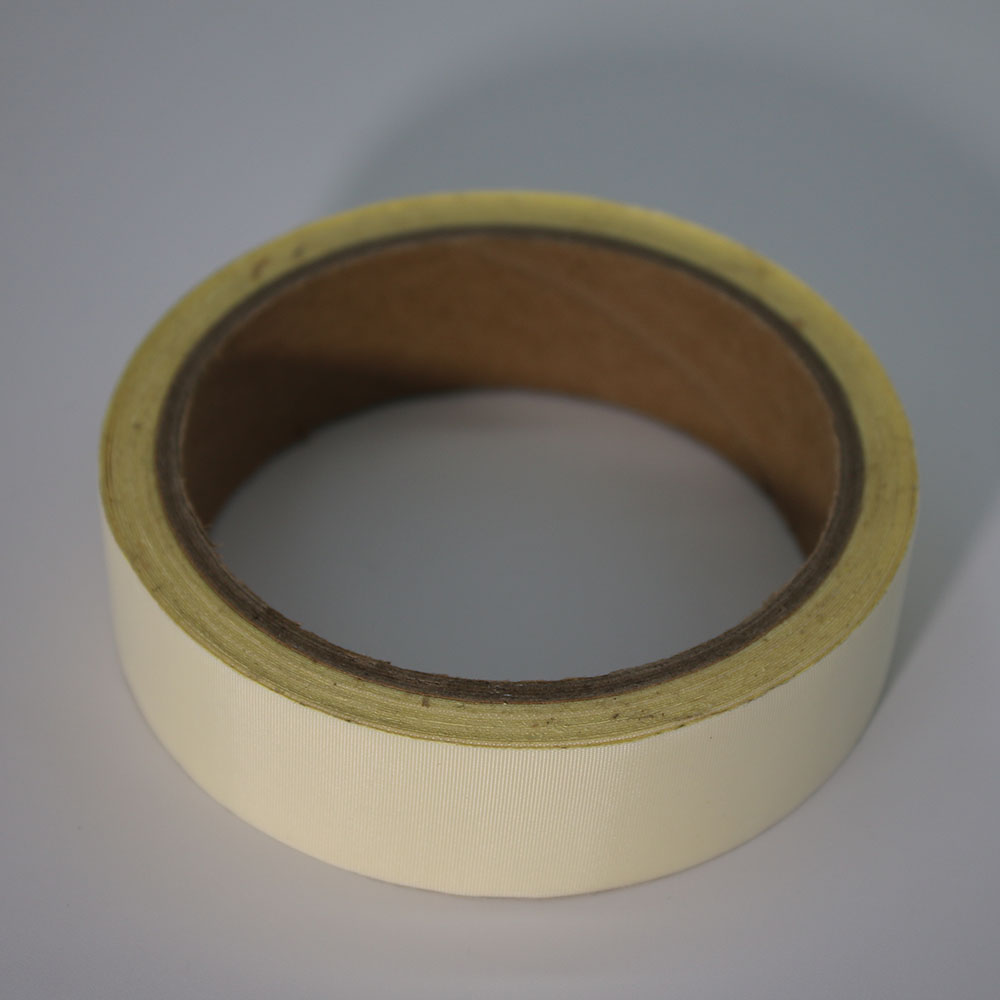 Can a Multi-Layer Nylon Cloth Tape with Optional Aluminum Foil Backing Really Bundle Hot-Engine Wiring and Absorb Minor Vibration in One Wrap
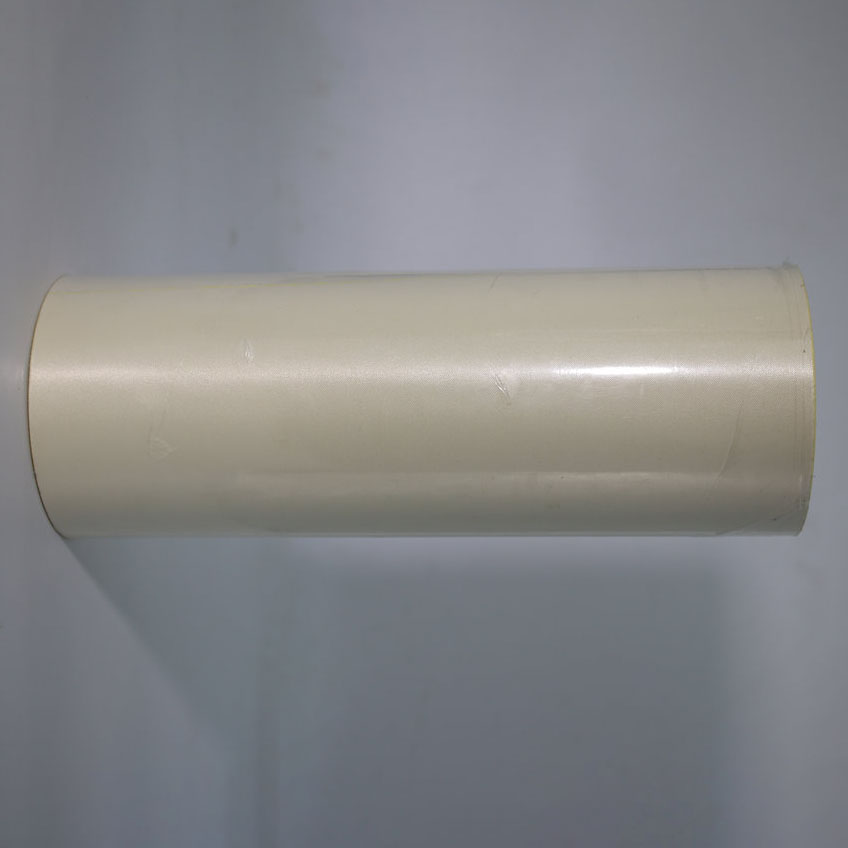 Can a Laser Inkjet and Thermal Transfer Compatible Printable Adhesive Label Tape Really Survive Warehouse Scuffs and Freezer Storage While Staying Scannable
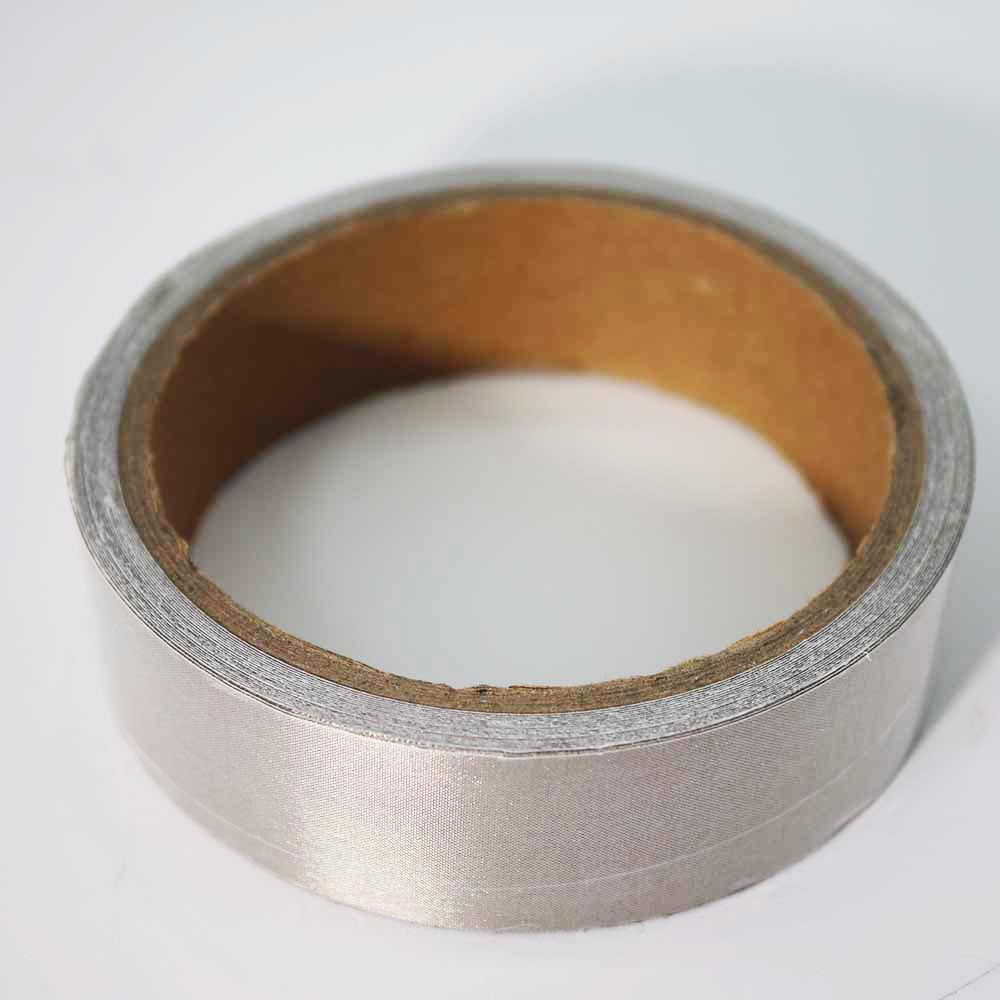 Does Double-Sided Conductive Fabric Tape Actually Replace Traditional EMI Gaskets in Compact Electronics?
 Will a Flame-Retardant Orange Fabric Wire Harness Tape Withstand 150 degrees Under the Hood Without Leaving Residue?
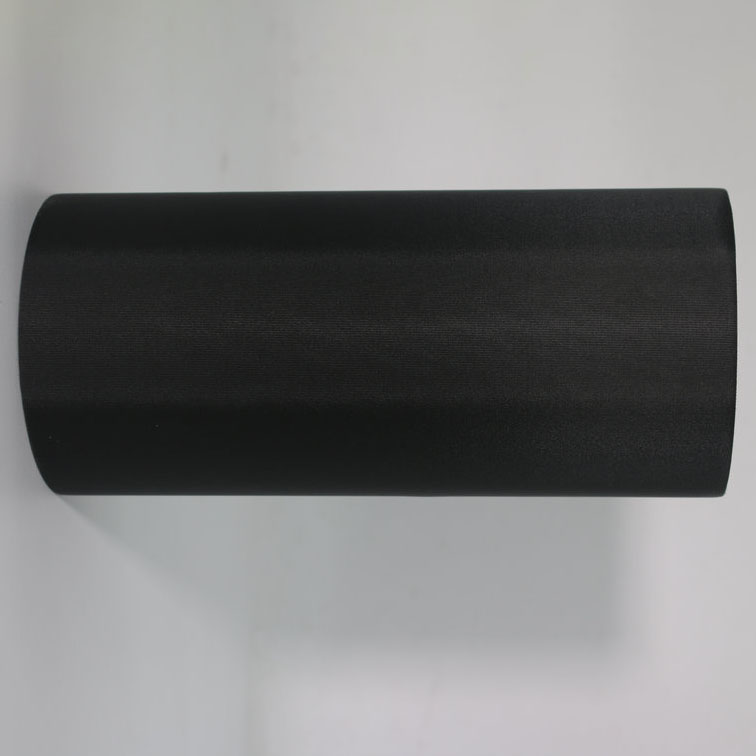 Can a Single Light-Blocking Tape Replace Multiple Shielding Layers in Display Assembly?
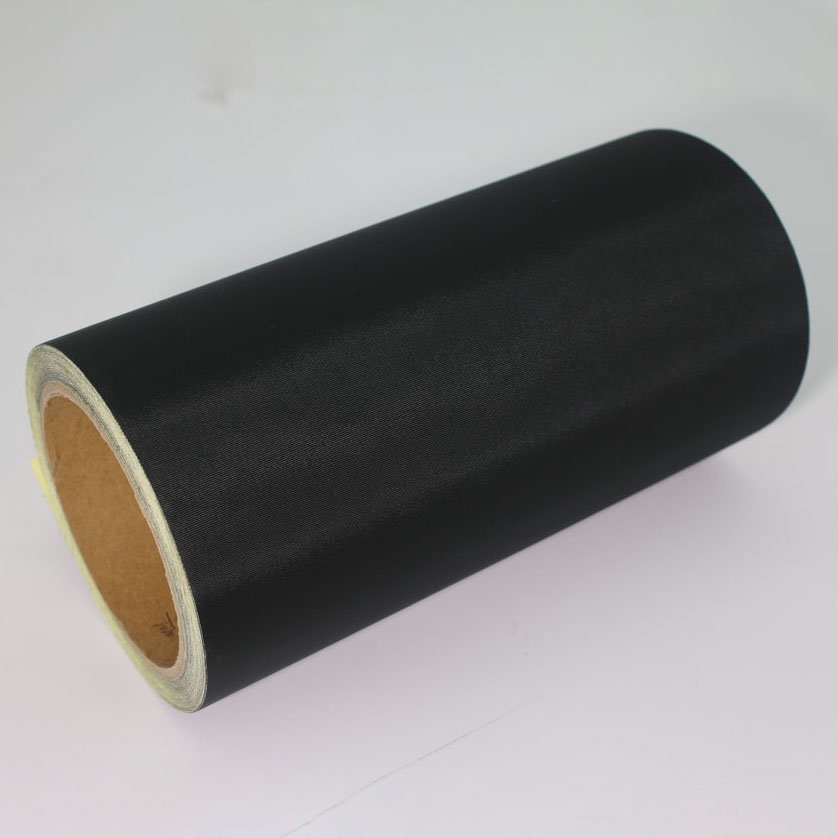 Can a 0.05mm Light Blocking Tape Really Deliver 99.9 percent Blackout for Sensitive Optics?
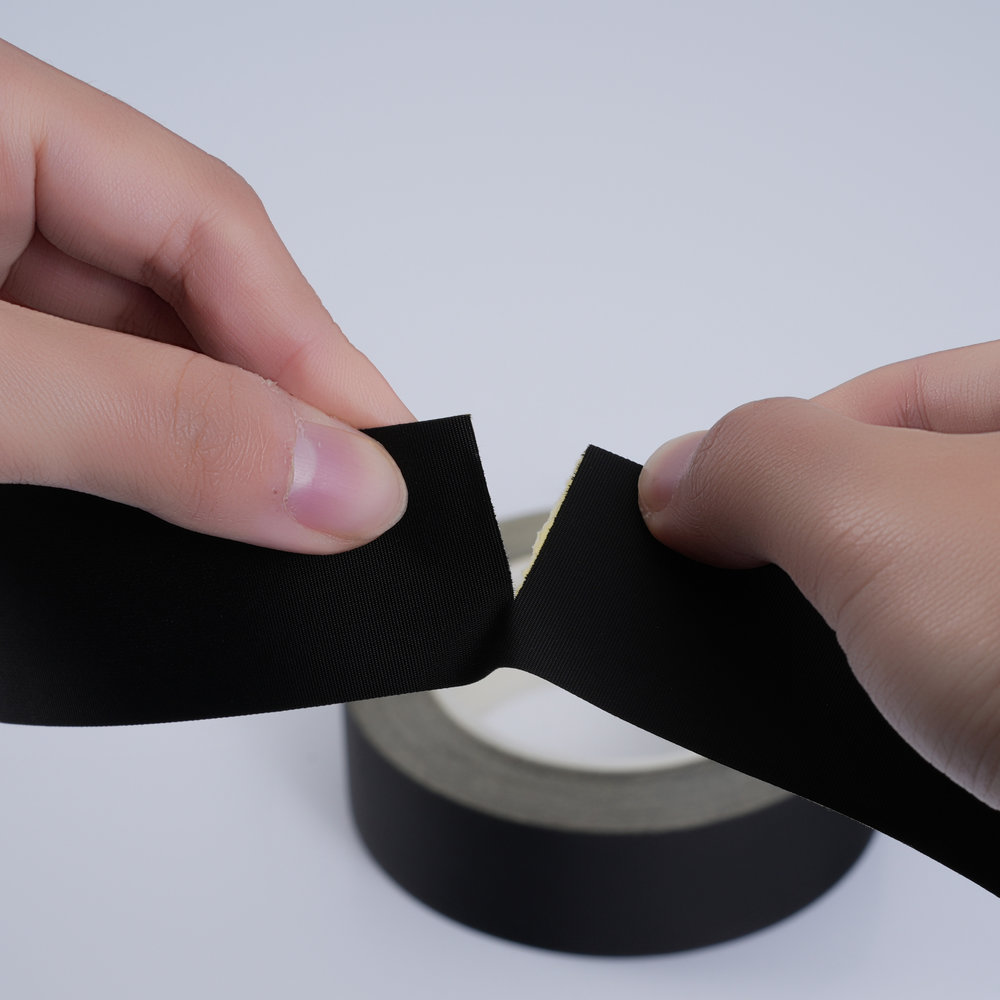 Is Acetate Cloth Tape the Ultimate Flame-Retardant Solution for Electrical Insulation?
 Why High-Temperature Orange Automotive Wire Harness Tape is the Smart Choice for High-Heat Engine Bays
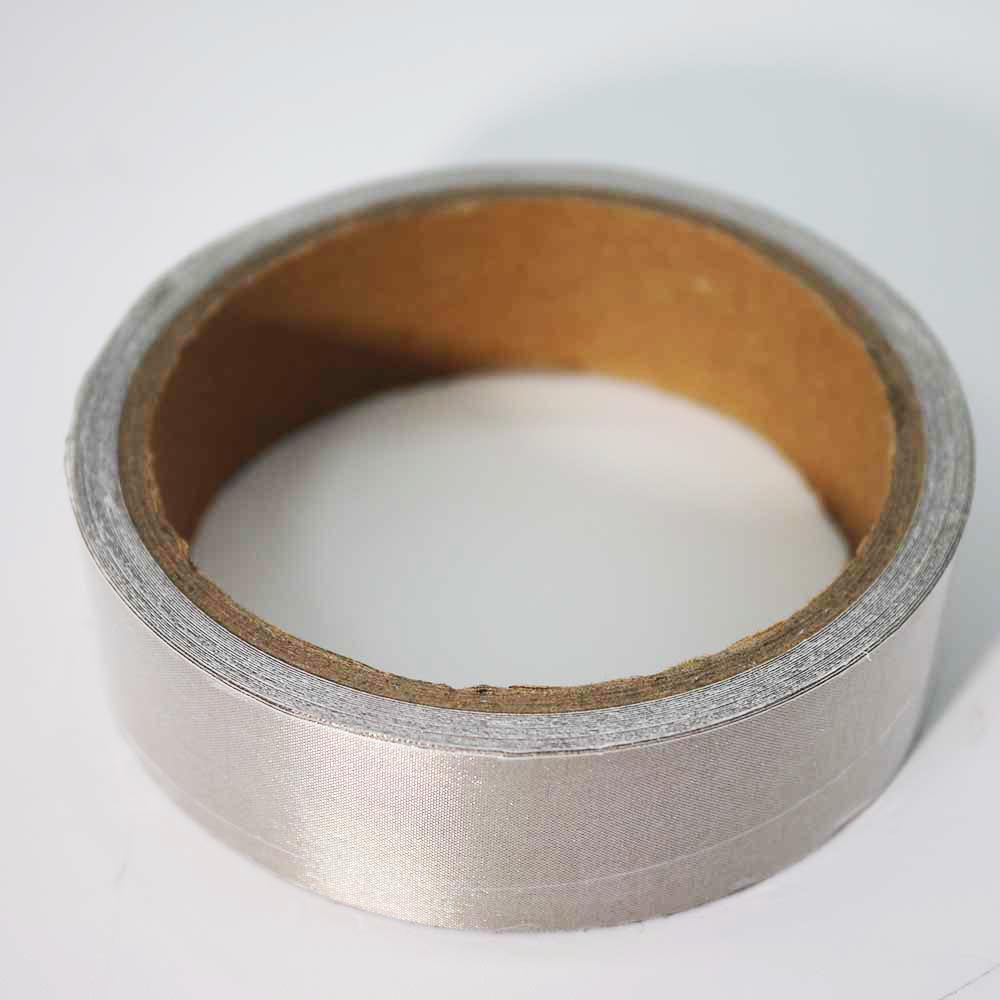 Can Double-Sided Conductive Fabric Tape Replace Traditional EMI Gaskets?
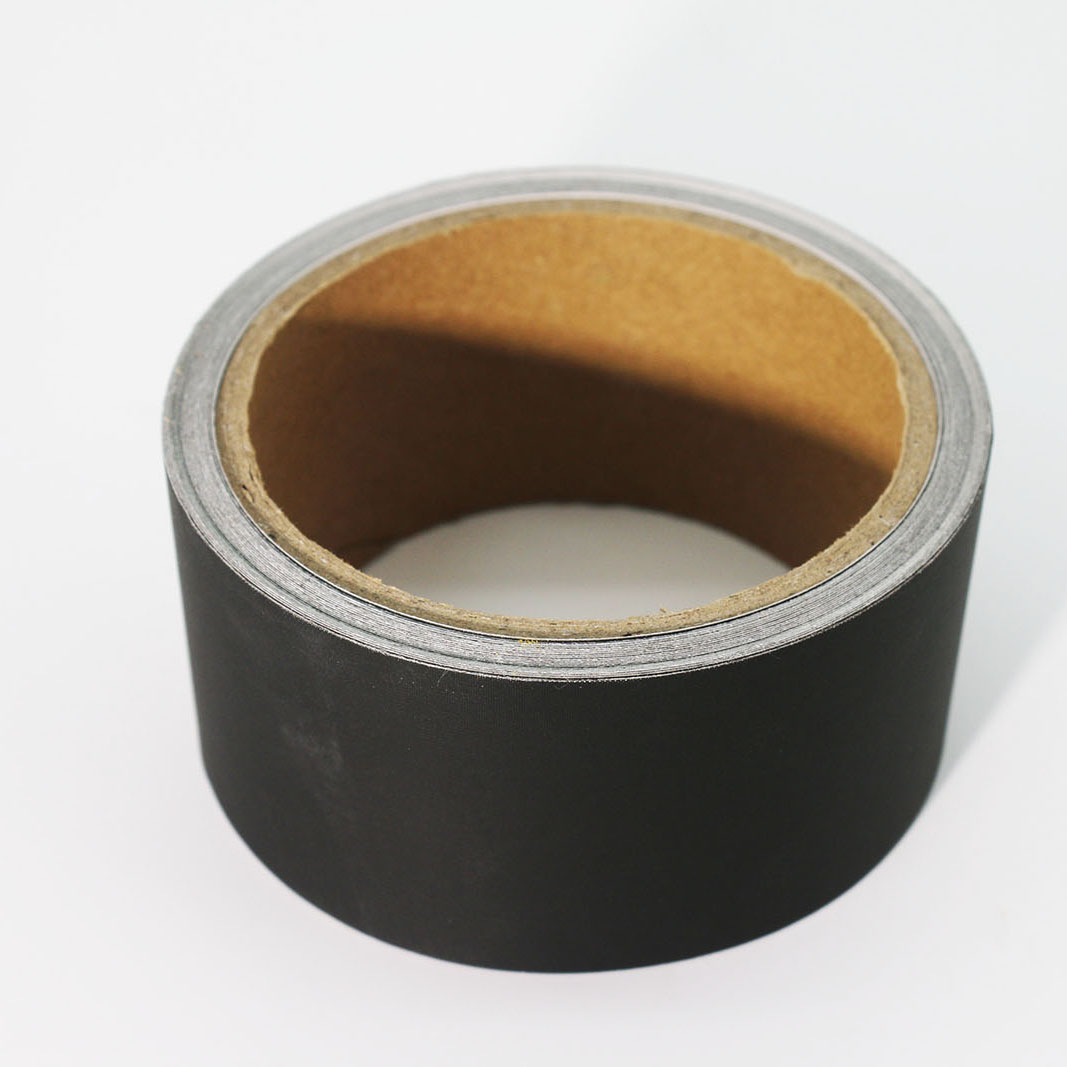 Why Black Conductive Fabric Tape is the Go-To for Light-Sensitive Electronics