
Does Automotive Fleece Tape Really Eliminate Wire Harness Noise?
Update time : 2026-04-30
When you think about automotive wire harnesses, the first thing that comes to mind is probably electrical reliability. But there’s another, often overlooked, factor that can drive both manufacturers and consumers crazy: noise. The subtle rattles and buzzes from behind the dashboard or inside the door panels are frequently traced back to one thing—the wrong choice of wrapping tape.
Standard PVC or cloth tapes can stiffen over time, transmitting vibration. The solution? Automotive Fleece Wire Harness Tape. This specialized tape isn’t just about holding wires together; it’s about creating a silent, durable, and flexible protective layer that survives the harsh environment inside a modern vehicle.
What Exactly Is Automotive Fleece Tape?
At its core, this is a composite material engineered for more than just adhesion. Unlike generic electrical tapes, its construction is tailored for the automotive industry:
- Backing Material: Polyester Fleece Fabric. This is a soft, non-woven material that provides a cushioning effect. It’s this softness that absorbs micro-vibrations, preventing the "ticking" or "buzzing" sounds that hard-shell conduits can cause.
- Adhesive: Acrylic, Pressure-Sensitive. This is a critical distinction. While rubber-based adhesives are common in cheap tapes, they can degrade and become gummy under the hood's heat. Acrylic adhesive maintains a strong, consistent bond even at temperatures up to 105°C and doesn’t leave a messy residue during repairs.
- The "Hand-Tearable" Advantage: Many fleece tapes are designed to be torn by hand without needing a cutting tool. This might seem like a small feature, but for assembly line workers or technicians making quick repairs, it dramatically speeds up the process and reduces frustration.
The 3 Hidden Benefits You Might Not Know
Beyond just quieting things down, fleece tape offers several underrated advantages:
- Superior Abrasion Resistance: Wires routed through metal chassis holes or sharp brackets are prone to chafing. The dense, fibrous nature of fleece tape acts as a sacrificial layer, protecting the expensive wiring underneath from wear that could lead to shorts.
- Exceptional Conformability: Modern cars are packed tight. Fleece tape is highly flexible and can be wrapped tightly around complex bundles and sharp bends without wrinkling or lifting, ensuring a clean, professional finish.
- Thermal Insulation: While not a primary insulator for high voltage, the fleece layer provides an extra barrier against radiant heat from engines or exhaust components, helping to keep wire temperatures in check.
Where It Beats Standard Electrical Tape (And Where It Doesn't)
It’s important to know the ideal use cases to avoid misapplication.
Choose Fleece Tape For:
- Interior Harnesses: Dashboards, door panels, and headliners where noise reduction is paramount.
- High-Vibration Zones: Engine compartments (away from direct oil/fuel exposure) and areas near speakers or motors.
- EV Cable Bundling: Excellent for organizing and protecting low-voltage sensor and communication cables in electric vehicles.
Avoid It For:
- Direct High-Heat Exposure: If temperatures consistently exceed 105°C, a specialized high-temperature tape would be a better fit.
- Fluid-Soaked Environments: While it has good resistance, prolonged exposure to oil, fuel, or brake fluid can degrade the adhesive over time. In these areas, a closed-loop conduit or extruded sleeve is often preferred.
How to Ensure a Perfect Application
Getting the most out of fleece tape requires proper technique:
- Cleanliness is Key: Wipe down wires with isopropyl alcohol to remove any dust, oil, or release agents. Adhesion failure is almost always due to a contaminated surface.
- Apply Under Tension: Stretch the tape slightly as you wrap. This activates the adhesive and creates a tight, secure bundle that won’t loosen with vibration.
- Overlap Correctly: A standard 50% overlap is recommended for full coverage and to prevent gaps that could snag or allow moisture ingress.
RELATED NEWS
Read More >>
 Can a Multi-Layer Nylon Cloth Tape with Optional Aluminum Foil Backing Really Bundle Hot-Engine Wiring and Absorb Minor Vibration in One Wrap
07-03 2026
In engine-bay wiring, robotics cable carriers, and industrial control cabinets, a single-function vinyl electrical tape often fails — it softens above 80°C, the adhesive oozes in summer heat, and it o
 Can a Laser Inkjet and Thermal Transfer Compatible Printable Adhesive Label Tape Really Survive Warehouse Scuffs and Freezer Storage While Staying Scannable
07-03 2026
In logistics centers, labs, automotive parts depots, and even home office archives, the weakest link in an asset-tracking system is often the label itself — ink smears from handling, adhesive lifts in
 Does Double-Sided Conductive Fabric Tape Actually Replace Traditional EMI Gaskets in Compact Electronics?
06-23 2026
Inside smartphones, tablets, and IoT modules, the space between a PCB and the metal housing is often measured in millimeters. Traditional EMI gaskets — thick beryllium-copper finger stocks or molded e
 Will a Flame-Retardant Orange Fabric Wire Harness Tape Withstand 150 degrees Under the Hood Without Leaving Residue?
06-23 2026
In engine bay wiring, the two things that destroy a standard vinyl electrical tape are heat and oil splash. Above 80–90°C, cheap PVC softens, the rubber adhesive liquefies, and you get a sticky, condu
 Can a Single Light-Blocking Tape Replace Multiple Shielding Layers in Display Assembly?
06-10 2026
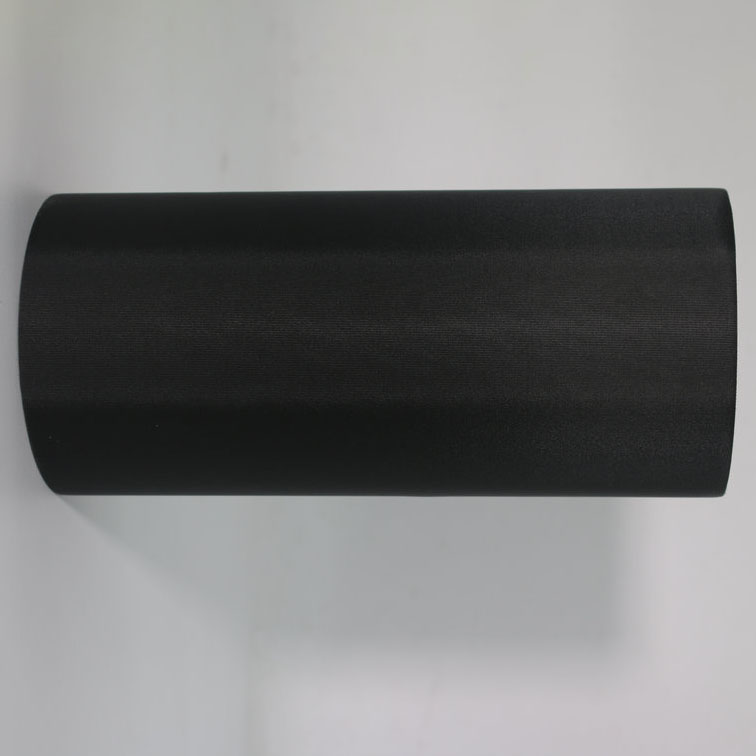
The Light-Blocking Tape Model L020-193 for Display and Optical Shielding is designed to consolidate these functions into a single, high-performance adhesive solution. With multiple substrate options—
 Can a 0.05mm Light Blocking Tape Really Deliver 99.9 percent Blackout for Sensitive Optics?
06-10 2026
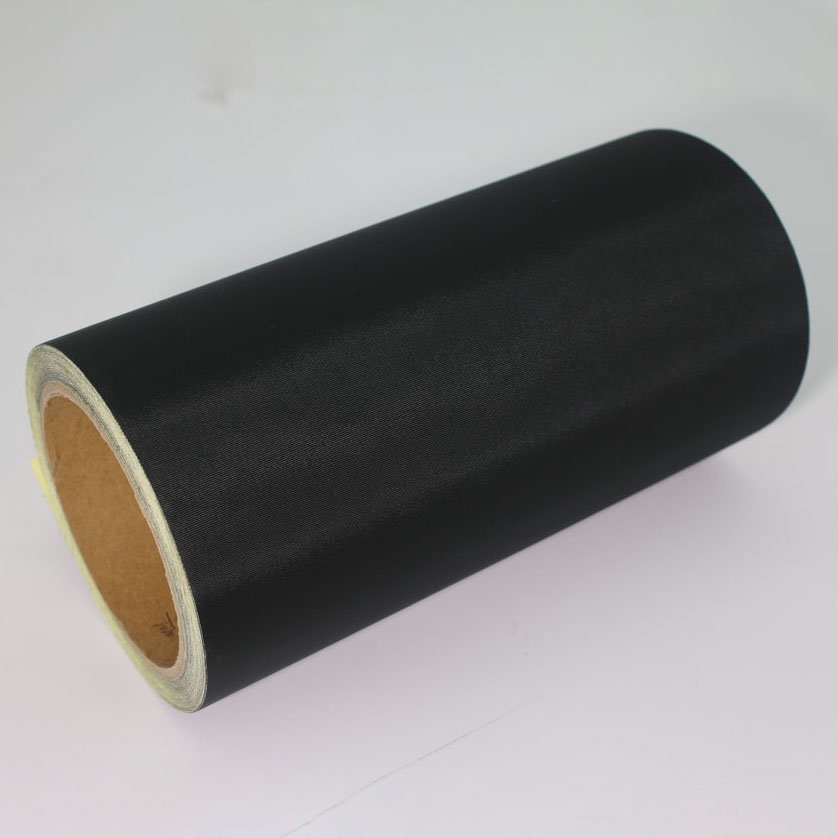
The Light Blocking Tape Model L012-193 for Optical and Electronic Blackout offers a radically simpler approach: an ultra-thin, high-tack adhesive tape that blocks 99.9% of visible light while adding
 Is Acetate Cloth Tape the Ultimate Flame-Retardant Solution for Electrical Insulation?
05-30 2026
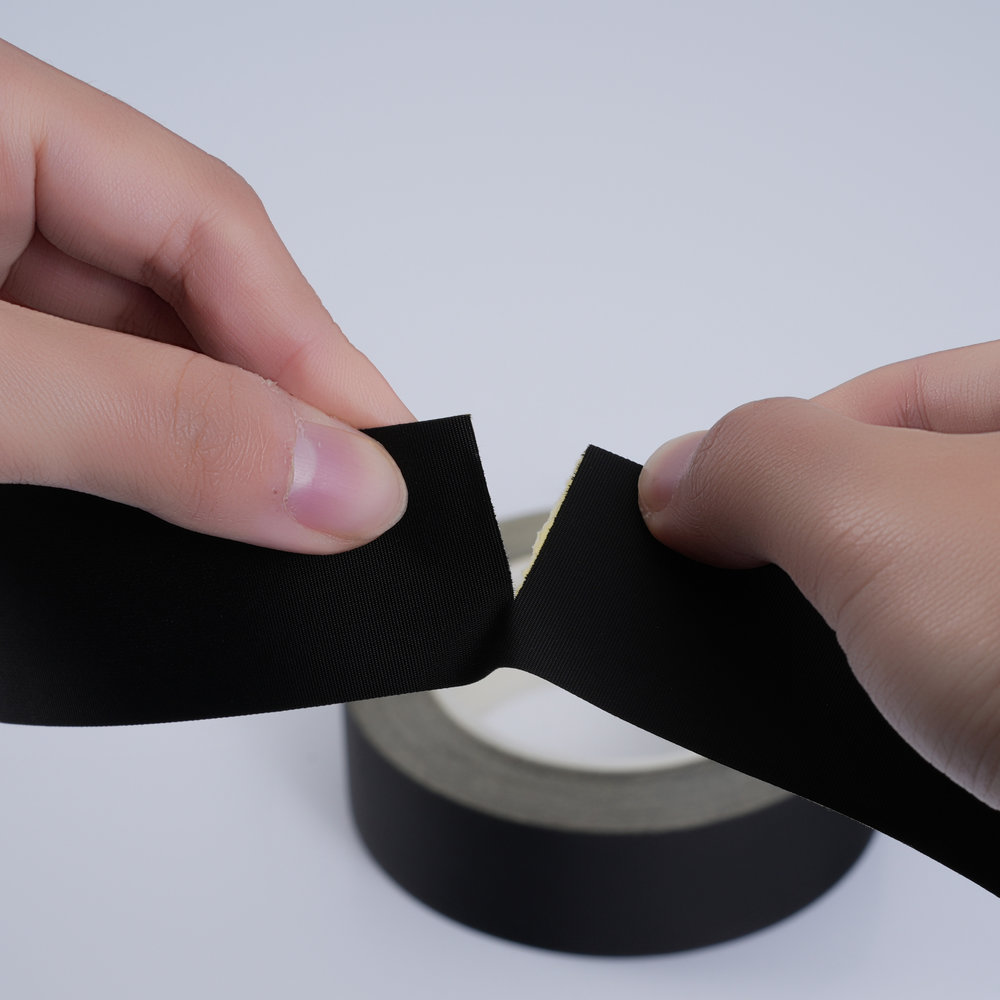
This has pushed engineers toward specialized materials like Acetate Cloth Tape, specifically models like the Z0A020-00-B. But does this UL-certified, flame-retardant tape offer the robust protection i
 Why High-Temperature Orange Automotive Wire Harness Tape is the Smart Choice for High-Heat Engine Bays
05-30 2026
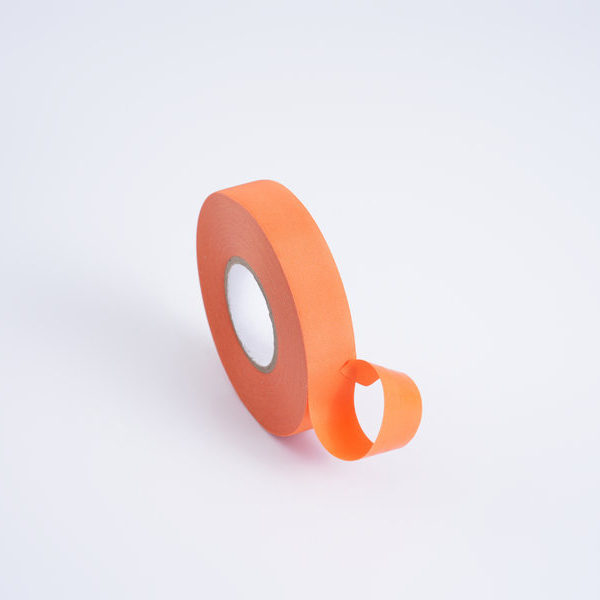
In complex wiring systems, it allows for quick visual identification of specific circuits (e.g., high-voltage systems in EVs, safety-critical circuits, or aftermarket additions), reducing diagnostic t
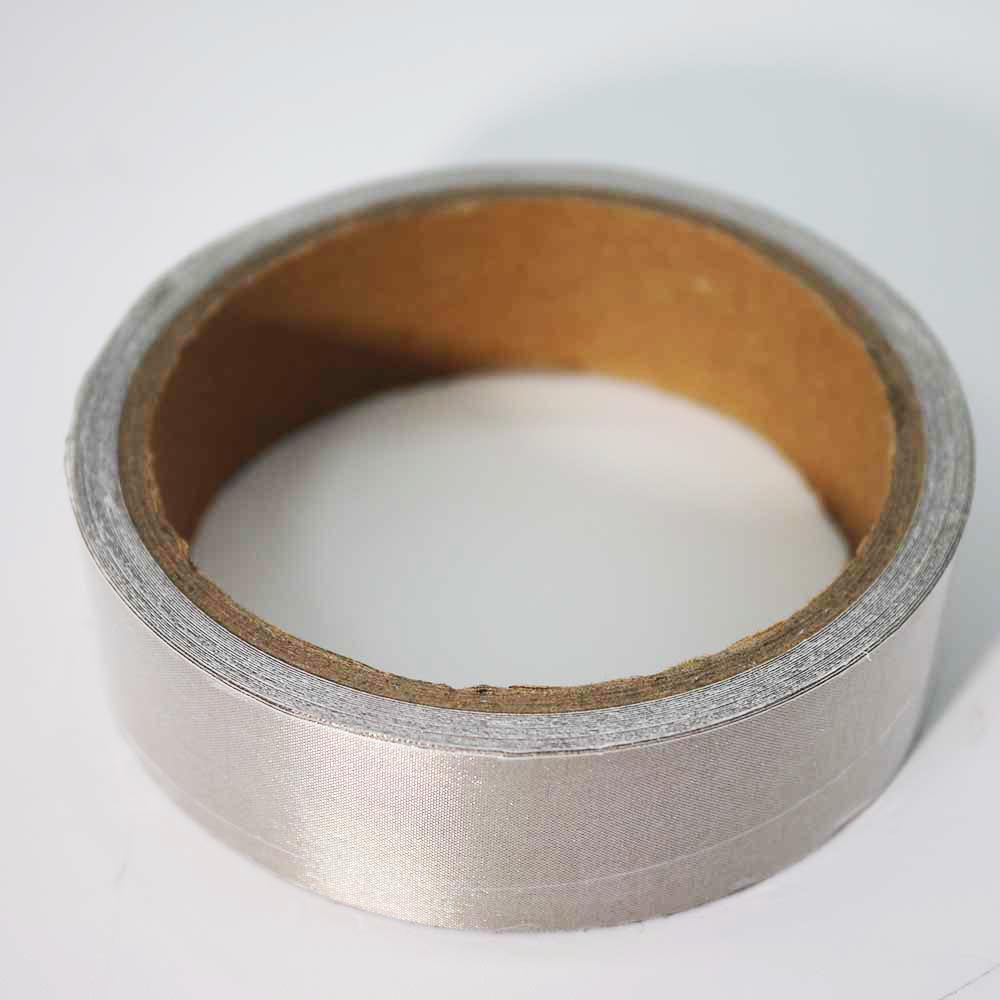 Can Double-Sided Conductive Fabric Tape Replace Traditional EMI Gaskets?
05-21 2026
This has led to the rise of Double-Sided Conductive Fabric Tape—a flexible, adhesive-based solution that promises to simplify design while maintaining performance. But can a simple tape truly replace
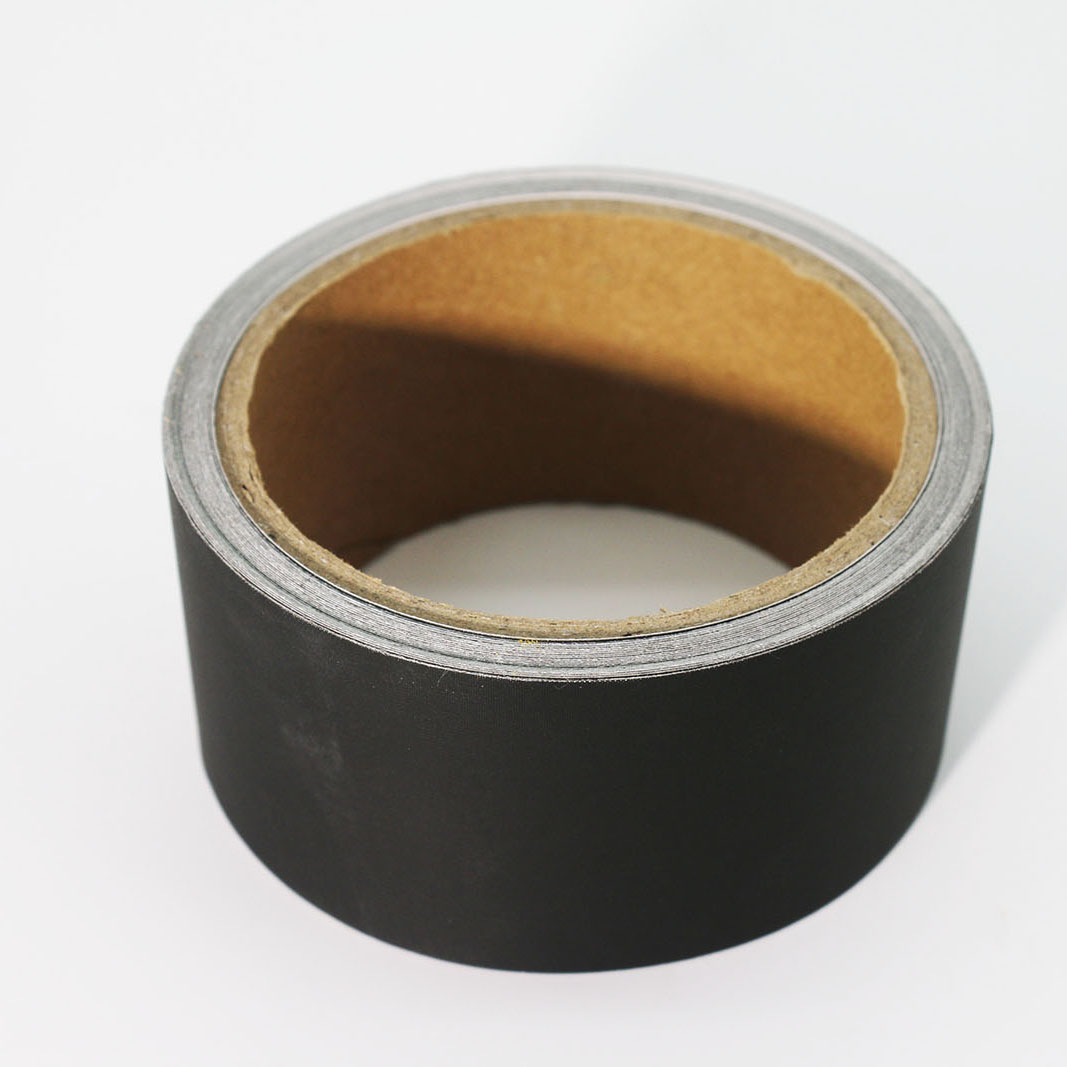 Why Black Conductive Fabric Tape is the Go-To for Light-Sensitive Electronics
05-21 2026
This is where Black Coated Conductive Fabric Tape steps in—a specialized material that combines the opacity of a light seal with the functionality of an EMI shield. But what specific problems does it