
Is Conductive Fabric Tape the Ultimate Solution for EMI Shielding and Grounding?
When it comes to modern electronics, EMI (electromagnetic interference) can be a serious headache. Engineers, OEMs, and manufacturers are constantly looking for reliable ways to shield devices, ground components, and ensure stable performance. This is where conductive fabric tape comes into play. But is it really the best solution for EMI shielding and grounding? Let’s dive in.
What is Conductive Fabric Tape?
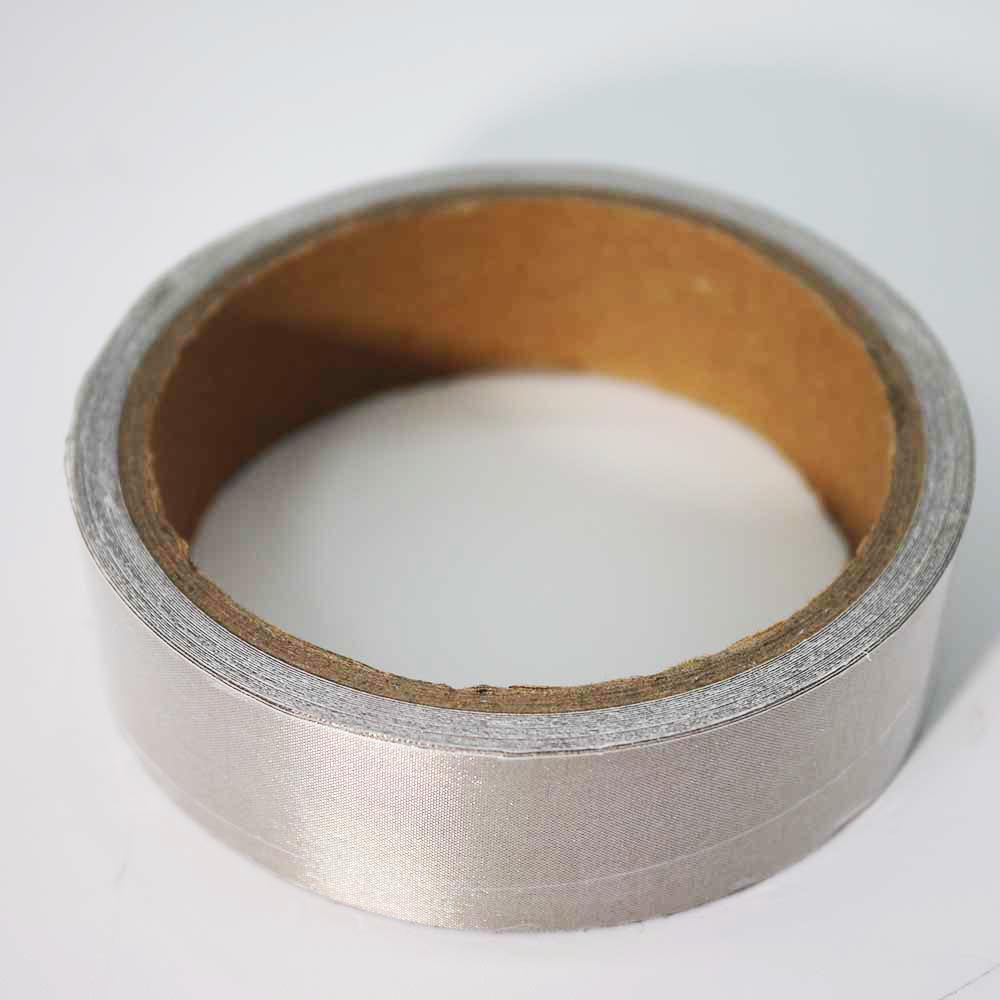
Conductive fabric tape is a specialized adhesive tape made with conductive fabric material such as taffeta or non-woven fabric coated with conductive particles (like nickel or copper). It combines electrical conductivity, flexibility, and strong adhesion — making it one of the most versatile EMI shielding products on the market.
At Anhui Yijiayi Technology Co., Ltd., a China-based conductive fabric tape manufacturer and supplier, we specialize in direct factory sales, OEM customization (color/size), and wholesale supply. Our tapes are widely used in electronics, telecommunications, automotive, and aerospace industries.
Key Benefits of Conductive Fabric Tape
Why do engineers and manufacturers prefer this tape? Here are some highlights:
-
Excellent EMI Shielding – Prevents signal interference in smartphones, laptops, and communication equipment.
-
Grounding Performance – Ensures reliable electrical continuity between components.
-
Flexibility & Durability – Adapts to curved surfaces, connectors, and irregular shapes without losing conductivity.
-
Easy Customization – Can be die-cut, slit, or laminated to meet specific OEM designs.
-
Reliable Adhesion – Stays in place even in high-humidity or high-temperature environments.
So yeah, it’s not just a tape — it’s a functional material that protects your devices from failure.
Common Applications
Conductive fabric tape is widely used across industries:
-
Consumer Electronics: Smartphones, tablets, laptops, gaming consoles.
-
Telecommunications: Routers, antennas, 5G base stations.
-
Automotive: EV battery packs, infotainment systems, sensor grounding.
-
Aerospace & Defense: Shielding avionics and radar equipment.
-
Industrial Equipment: Control panels, robotics, and automated machinery.
And here’s the cool part: It can even be used in medical devices where EMI shielding is critical for patient safety.
Why B2B Buyers Choose Direct Factory Supply
When sourcing conductive fabric tape, industrial buyers and OEMs care about:
-
Consistency in conductivity and adhesion
-
Custom widths and die-cut shapes
-
UL, ROHS, and REACH certifications
-
Bulk roll supply for automated assembly lines
-
Cost-effective wholesale options
By working with a China manufacturer like Anhui Yijiayi Technology Co., Ltd., buyers get better pricing, faster lead times, and technical support compared to middlemen or resellers.
How to Select the Right Conductive Fabric Tape
Not all conductive tapes are equal. When choosing, consider:
-
Surface Resistance: Measured in ohms/sq, lower values mean better conductivity.
-
Adhesive Type: Acrylic adhesives are long-lasting, while conductive adhesives ensure continuity through the bond line.
-
Thickness: Thinner tapes are flexible, thicker ones provide mechanical strength.
-
Shielding Effectiveness: Tested in dB across frequency ranges.
Small detail, but trust me — choosing the right one can save you from product recalls or costly redesigns.
So, is conductive fabric tape the ultimate EMI shielding and grounding solution? For many industries, the answer is yes. With its balance of conductivity, flexibility, and cost-efficiency, it outperforms traditional shielding foils or coatings in a wide range of applications.
At Anhui Yijiayi Technology Co., Ltd., we provide direct factory sales, OEM conductive fabric tape customization, and global wholesale supply. Whether you need bulk rolls, die-cut parts, or custom laminations, we are your trusted China supplier for high-quality conductive tapes.
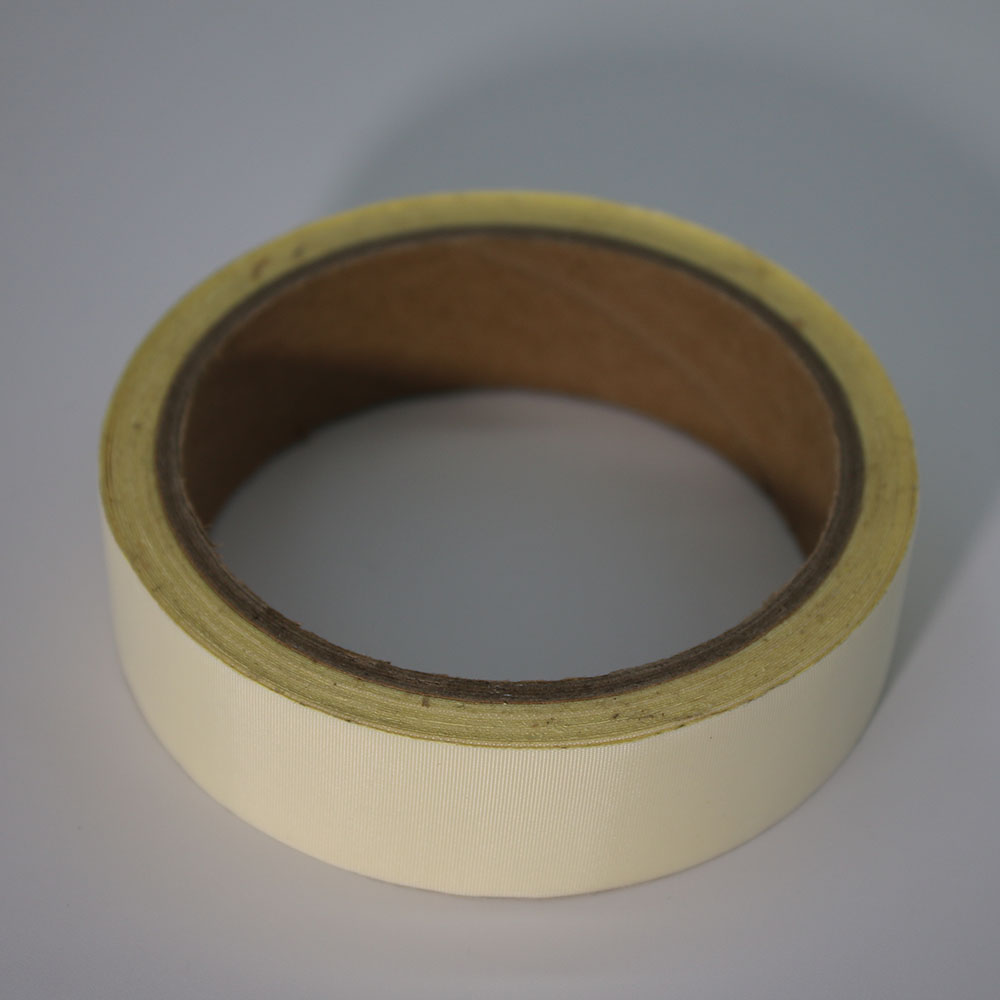 Can a Multi-Layer Nylon Cloth Tape with Optional Aluminum Foil Backing Really Bundle Hot-Engine Wiring and Absorb Minor Vibration in One Wrap
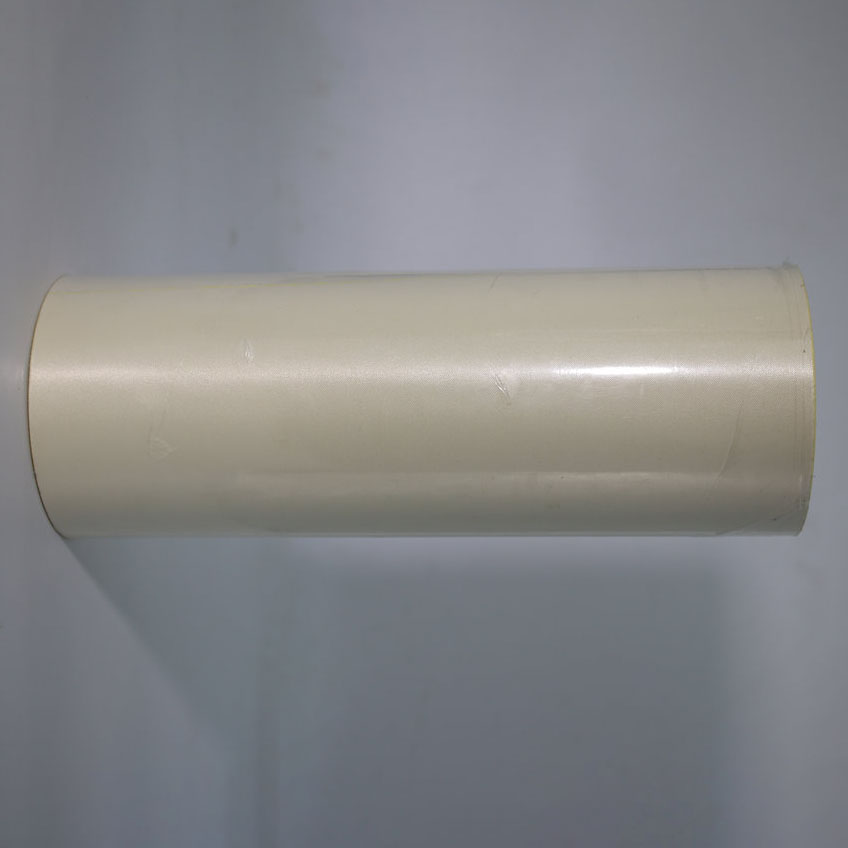 Can a Laser Inkjet and Thermal Transfer Compatible Printable Adhesive Label Tape Really Survive Warehouse Scuffs and Freezer Storage While Staying Scannable
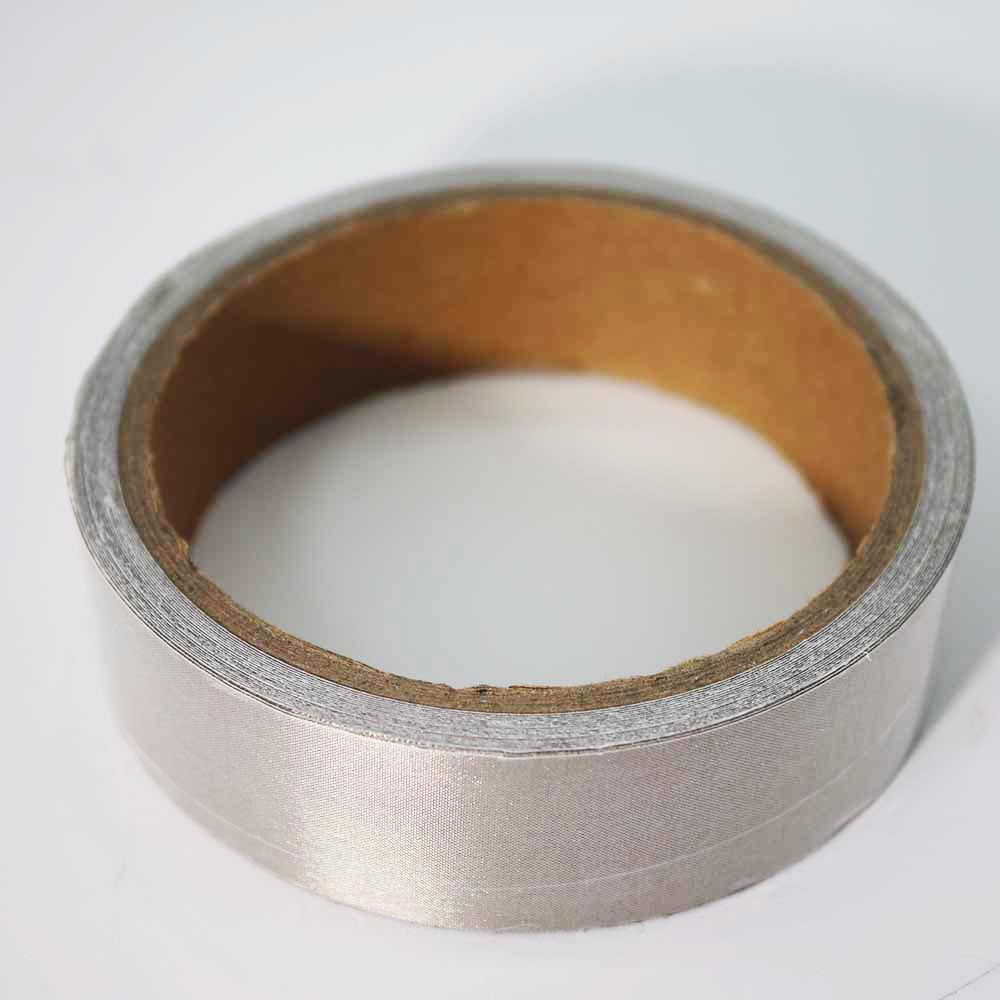 Does Double-Sided Conductive Fabric Tape Actually Replace Traditional EMI Gaskets in Compact Electronics?
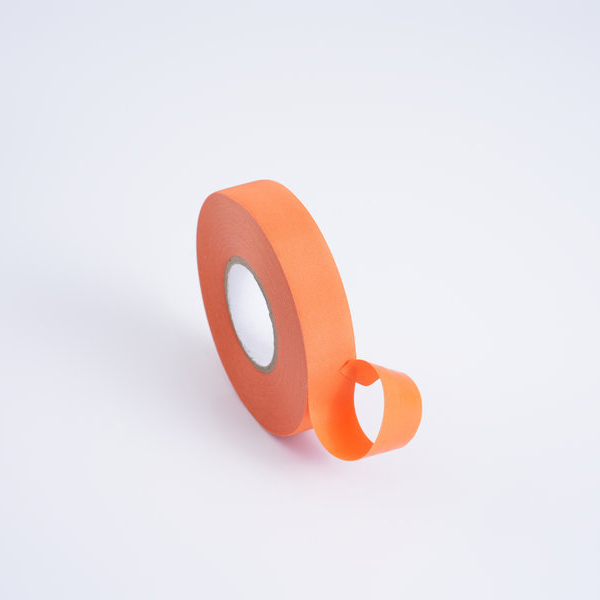 Will a Flame-Retardant Orange Fabric Wire Harness Tape Withstand 150 degrees Under the Hood Without Leaving Residue?
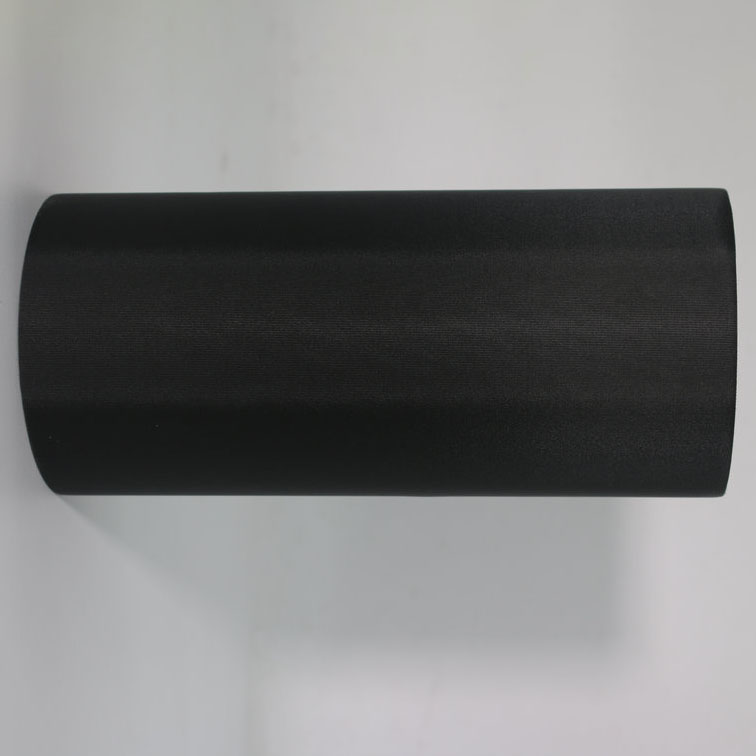 Can a Single Light-Blocking Tape Replace Multiple Shielding Layers in Display Assembly?
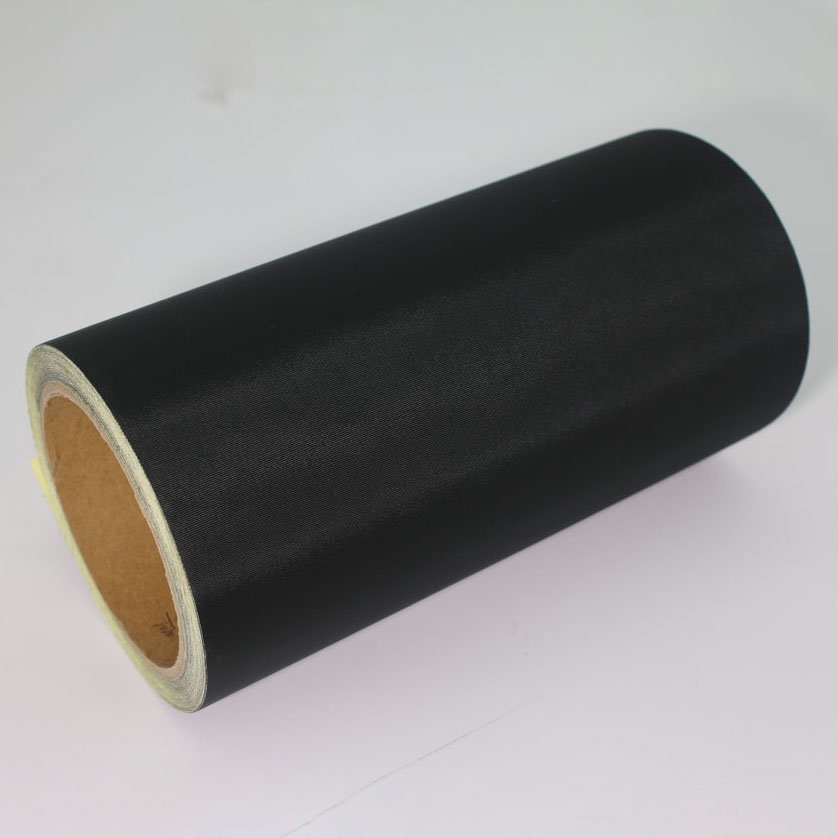 Can a 0.05mm Light Blocking Tape Really Deliver 99.9 percent Blackout for Sensitive Optics?
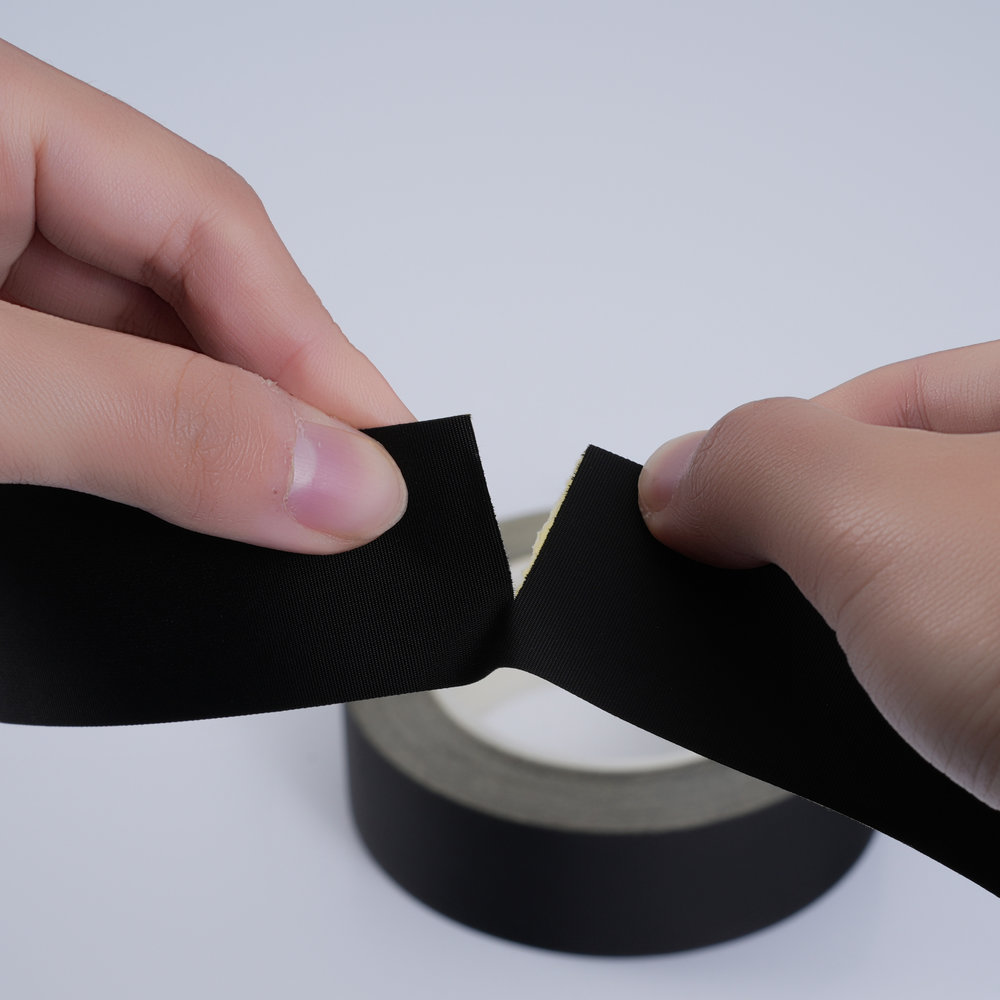 Is Acetate Cloth Tape the Ultimate Flame-Retardant Solution for Electrical Insulation?
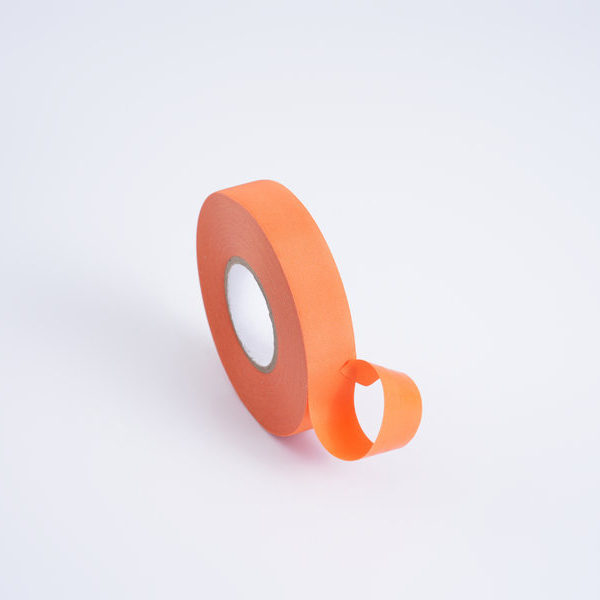 Why High-Temperature Orange Automotive Wire Harness Tape is the Smart Choice for High-Heat Engine Bays
 Can Double-Sided Conductive Fabric Tape Replace Traditional EMI Gaskets?
 Why Black Conductive Fabric Tape is the Go-To for Light-Sensitive Electronics