
Printable Tape: How It Enhances Design and Functionality
In our previous blog, we discussed how conductive cloth tape protects electronics through EMI shielding. But the world of industrial adhesive tapes doesn’t stop there. Another rising star — printable tape — is changing the way designers, manufacturers, and even everyday users interact with labeling and identification.
Whether you’re designing packaging, assembling cables, or creating branded products, printable tape provides both function and aesthetics. So, how exactly does it work, and why is it becoming such a go-to material across industries?
1. What Is Printable Tape?
Printable tape is a specialized adhesive tape that allows text, patterns, or barcodes to be printed directly on its surface. It can be made from different base materials such as PET, PVC, or cloth, and coated with durable adhesives that resist wear, moisture, and heat.
Unlike traditional labels that peel off easily, printable tape is built to last. It bonds tightly to metal, glass, or plastic surfaces and withstands industrial environments — from electronic factories to automotive production lines.
Oh, and here’s a fun fact: printable tapes are also customizable. You can choose different colors, widths, and finishes — glossy, matte, or transparent — depending on your needs.
2. How Printable Tape Enhances Product Functionality
The most obvious advantage is clear identification. In manufacturing, workers need to label components, wires, or products accurately. Printable tape provides a clean surface for thermal transfer or ink printing, ensuring sharp and readable text.
In fact, many automotive and electronics companies use printable tapes to tag wire harnesses, connectors, and panels. When combined with the conductive cloth tapes we talked about earlier, it creates a complete system — one tape ensures EMI protection, while the other provides accurate labeling for maintenance or assembly.
That’s how these materials quietly support the efficiency behind modern production lines.
3. Why Manufacturers Love It
Let’s be honest — time is money in manufacturing. Printable tape helps save both. Instead of applying a separate label or sticker, factories can print directly onto the tape roll before or after applying it.
This means:
-
Less production time
-
Lower material cost
-
Cleaner appearance
Moreover, printable tapes can handle high temperatures and solvent exposure, making them ideal for harsh industrial conditions. Some even feature anti-static or flame-retardant properties for added safety — a big plus when dealing with electronics or automotive parts.
4. Everyday Applications of Printable Tape
Printable tape isn’t limited to factories. You can see it — sometimes without noticing — in your daily life:
-
Electronics: labeling cables or circuit boards
-
Automotive: identifying wiring harnesses or components
-
Logistics: marking cartons or inventory
-
Retail: customizing packaging with logos or safety messages
-
DIY projects: labeling tools or storage boxes
Pretty handy, right? It’s one of those small things that make a huge difference in keeping things organized and professional.
5. Customization Options by Yijiayi
At Anhui Yijiayi Technology Co., Ltd., we understand that every client has different printing and application needs. That’s why our Printable Tape Series comes in a wide range of materials and adhesive options.
We also support custom printing, die-cutting, and roll sizes, ensuring seamless integration with your production line. Whether you need heat-resistant labels for electronics or color-coded identification for wiring, we’ve got your back.
Plus, our printable tapes are made using eco-friendly formulations, which means less pollution and more sustainability — something we all care about nowadays.
6. The Future: Smart and Sustainable Printing Solutions
As industries shift toward smart manufacturing and automation, printable tapes are evolving too. New developments focus on digital printing compatibility, UV resistance, and sustainable adhesives that reduce carbon footprints.
Combining functionality, design, and durability, printable tape is becoming an essential material for next-generation production and packaging systems.
So, whether you’re in the electronics, automotive, or consumer goods industry, this is one small product that can make a big impact.
From EMI shielding with conductive cloth tape to precise identification with printable tape, the evolution of industrial adhesive materials continues to simplify and improve manufacturing.
And hey, that’s exactly what innovation should do — make things smarter, safer, and more efficient. Anhui Yijiayi Technology Co., Ltd., as a trusted China tape manufacturer, remains committed to offering high-quality, customizable, and sustainable tape solutions for businesses around the world.
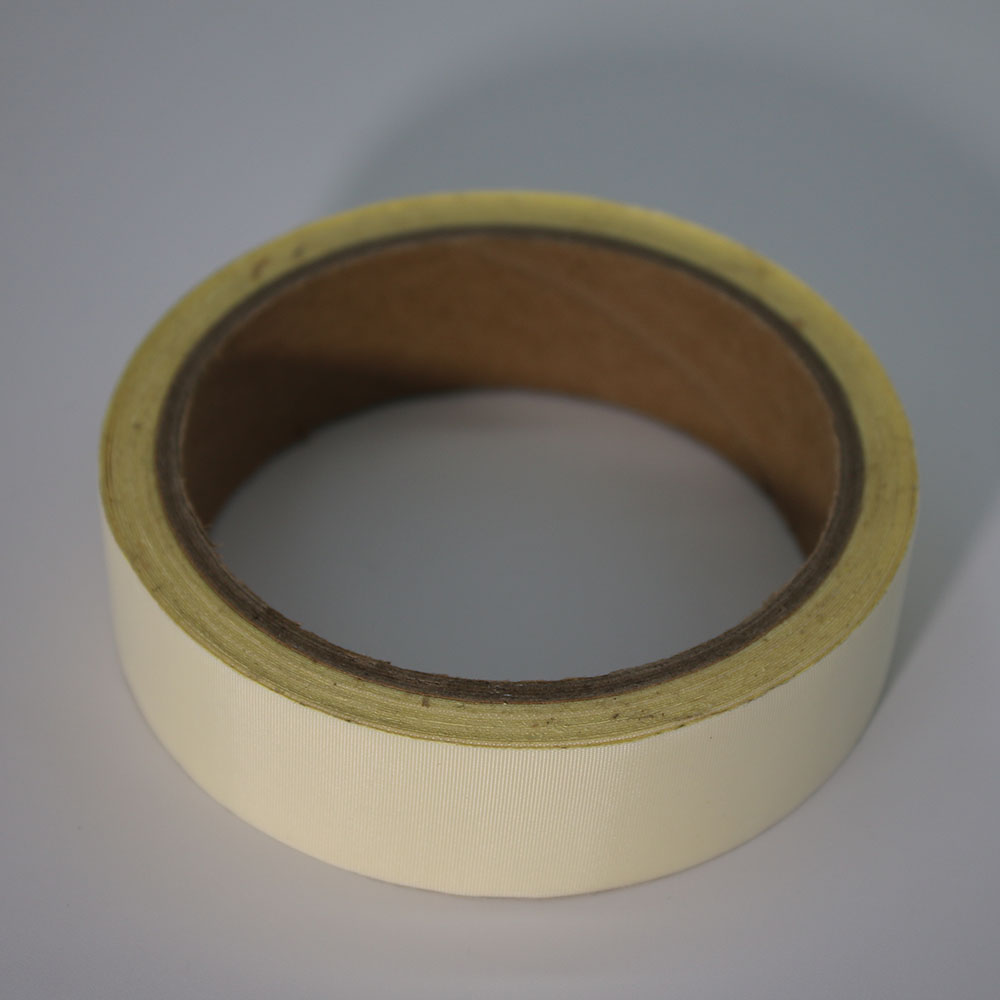 Can a Multi-Layer Nylon Cloth Tape with Optional Aluminum Foil Backing Really Bundle Hot-Engine Wiring and Absorb Minor Vibration in One Wrap
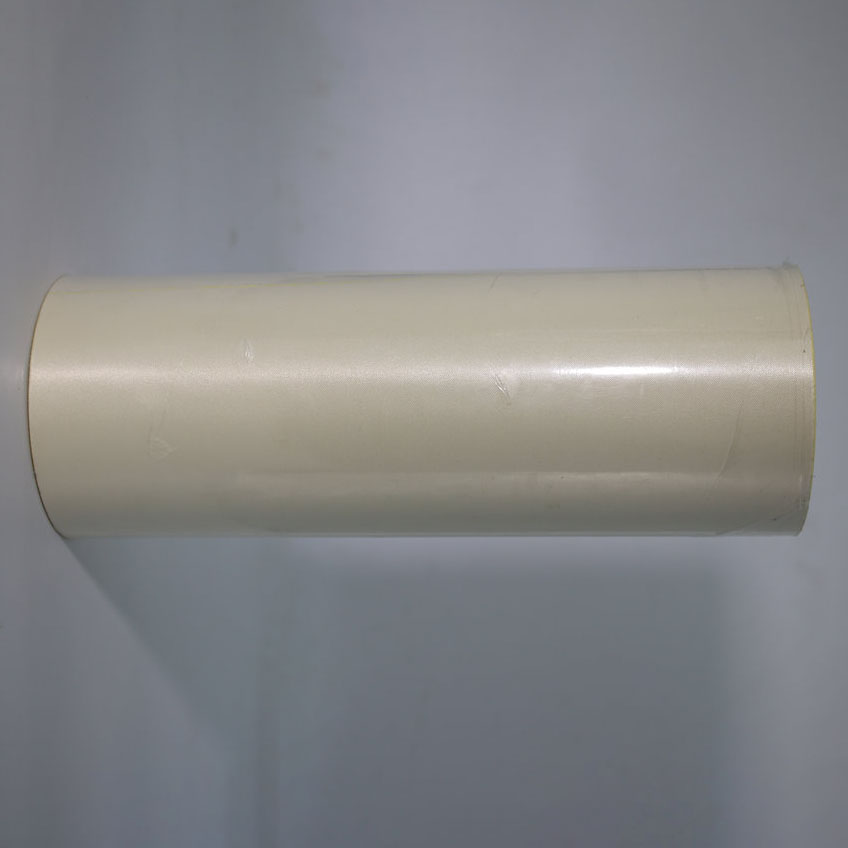 Can a Laser Inkjet and Thermal Transfer Compatible Printable Adhesive Label Tape Really Survive Warehouse Scuffs and Freezer Storage While Staying Scannable
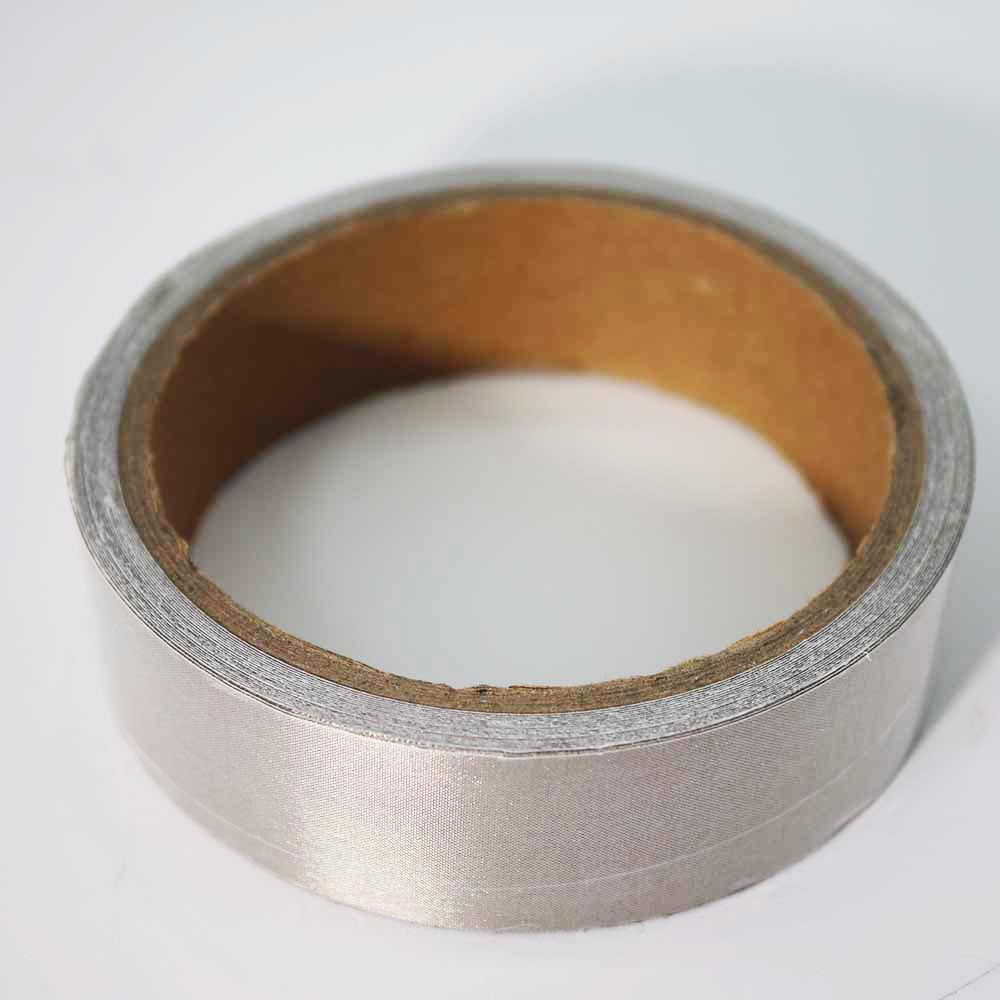 Does Double-Sided Conductive Fabric Tape Actually Replace Traditional EMI Gaskets in Compact Electronics?
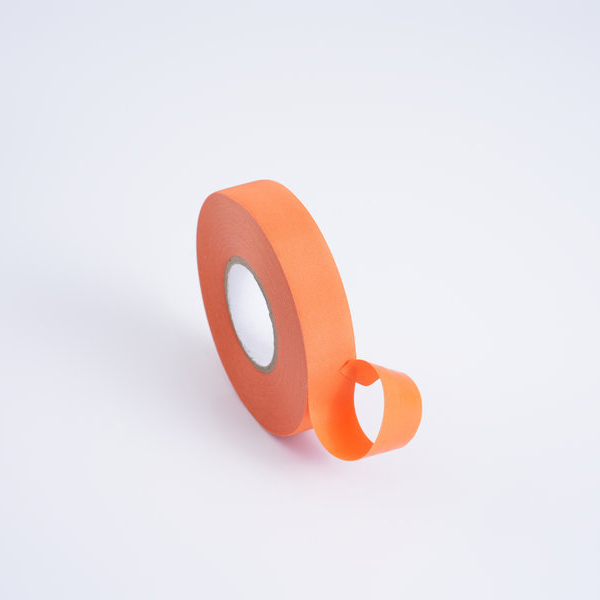 Will a Flame-Retardant Orange Fabric Wire Harness Tape Withstand 150 degrees Under the Hood Without Leaving Residue?
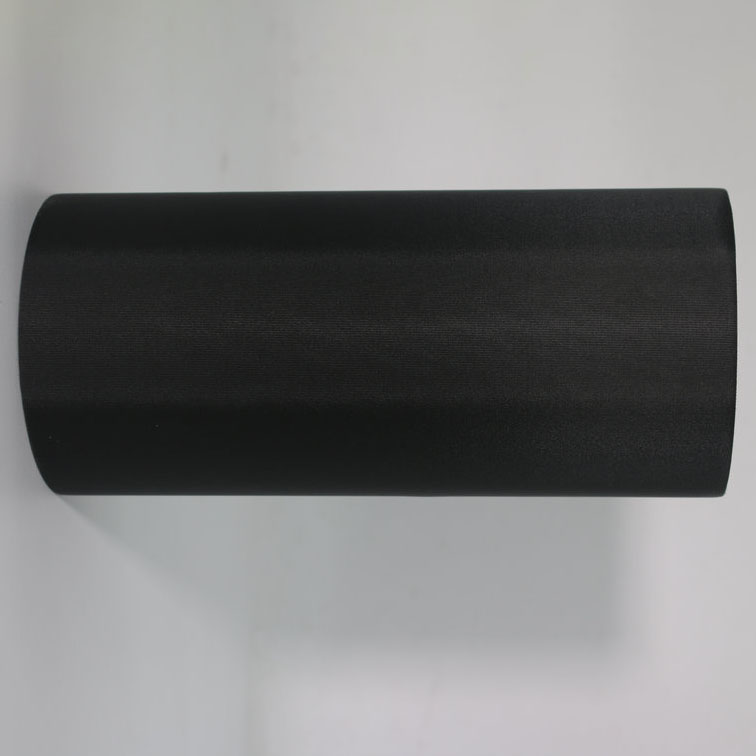 Can a Single Light-Blocking Tape Replace Multiple Shielding Layers in Display Assembly?
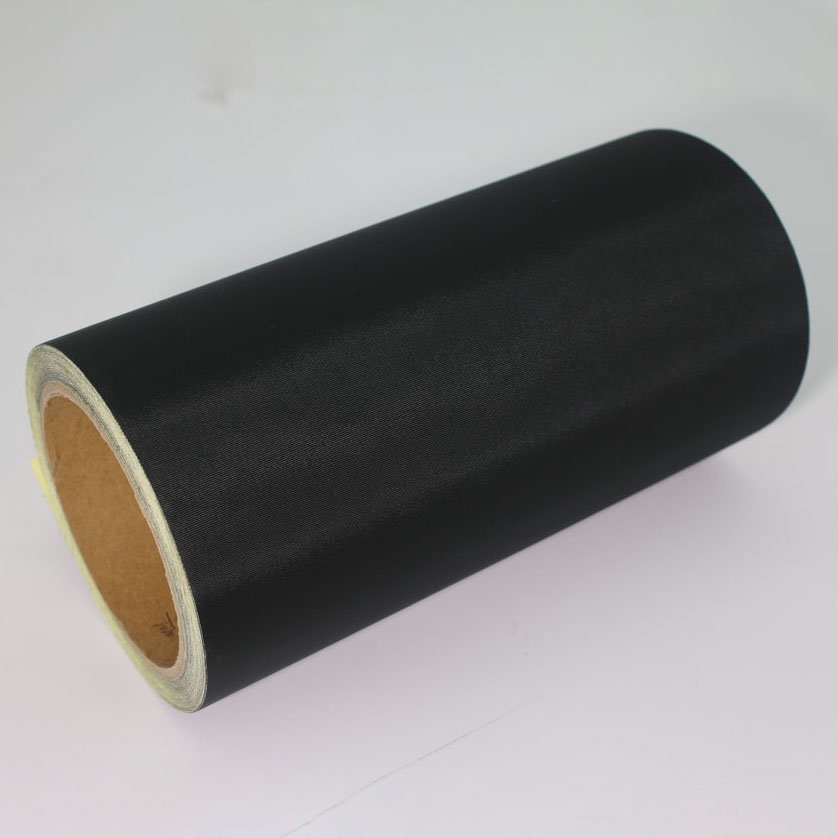 Can a 0.05mm Light Blocking Tape Really Deliver 99.9 percent Blackout for Sensitive Optics?
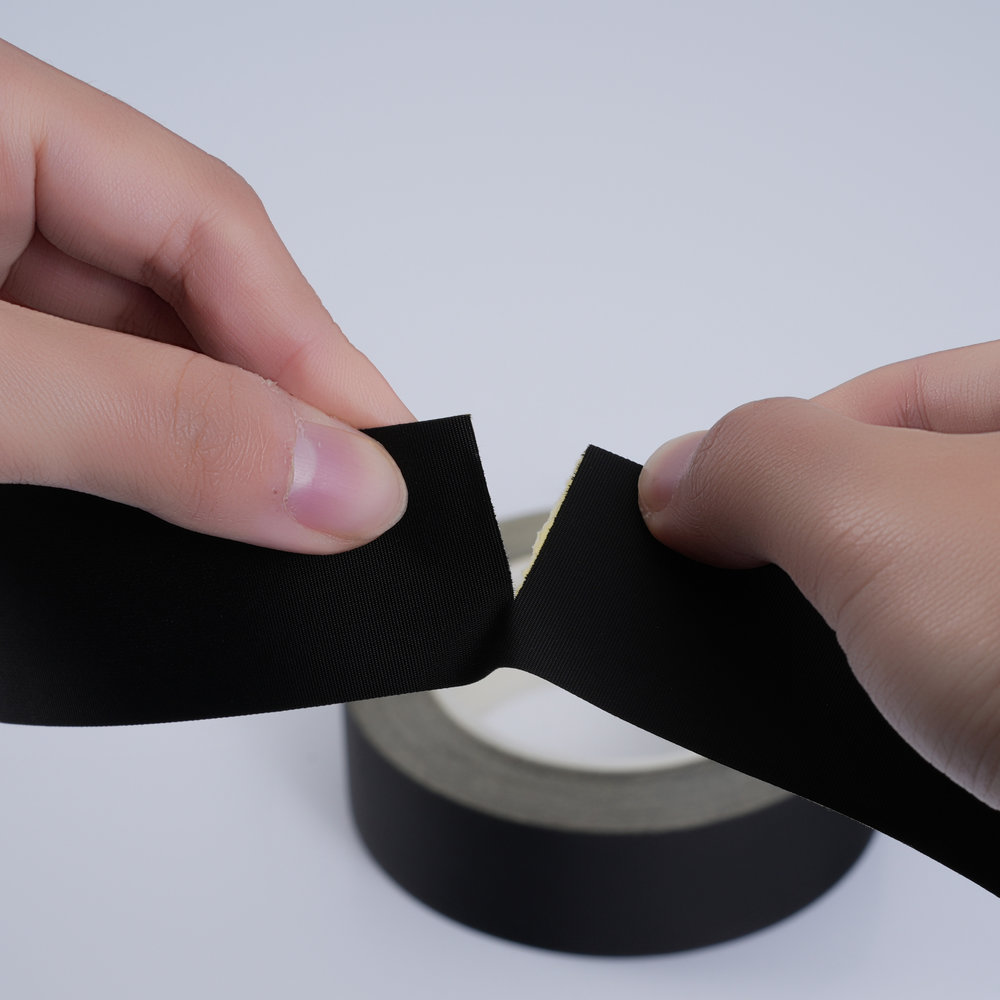 Is Acetate Cloth Tape the Ultimate Flame-Retardant Solution for Electrical Insulation?
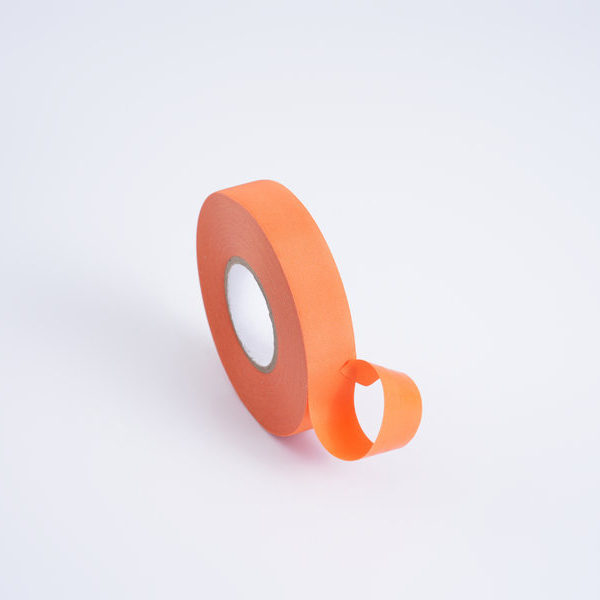 Why High-Temperature Orange Automotive Wire Harness Tape is the Smart Choice for High-Heat Engine Bays
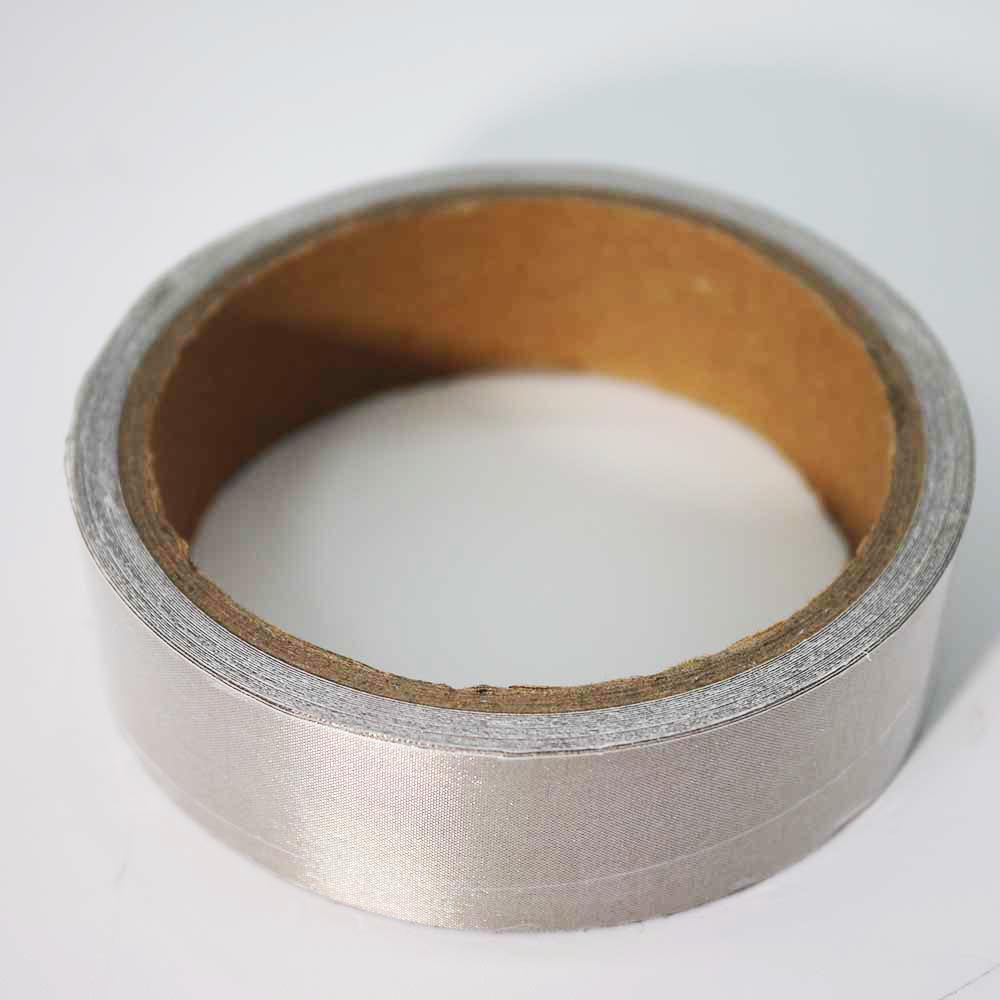 Can Double-Sided Conductive Fabric Tape Replace Traditional EMI Gaskets?
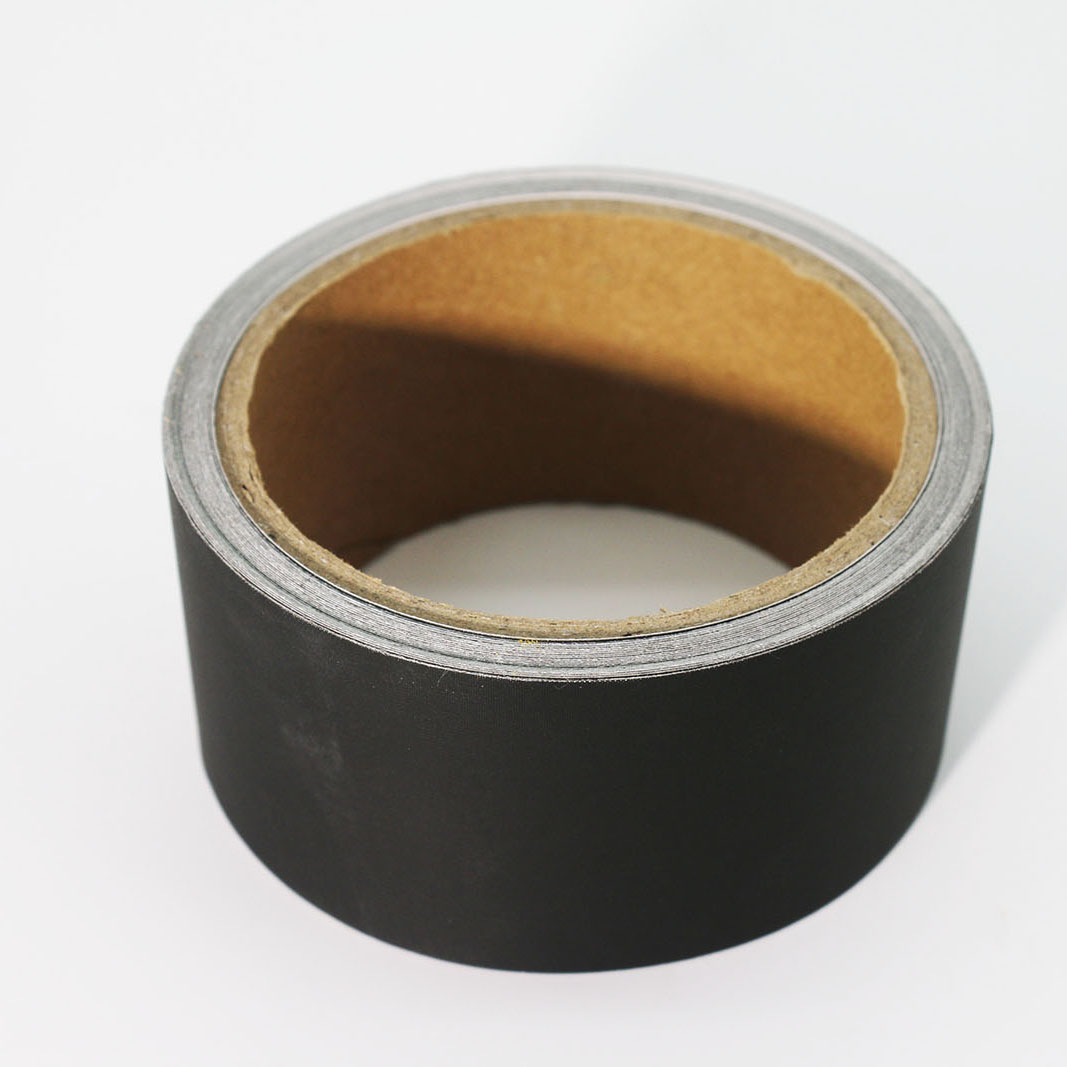 Why Black Conductive Fabric Tape is the Go-To for Light-Sensitive Electronics