
Why Do So Many Industries Prefer Acetate Cloth Tape for Insulation and Binding?
When choosing an insulation tape for electrical, automotive, or appliance applications, it’s easy to wonder: Why does Acetate Cloth Tape continue to be the preferred solution across so many industries?
At Anhui Yijiayi Technology Co., Ltd., our Acetate Cloth Tape Series is engineered for stable performance, environmental friendliness, and strong adaptability—making it a reliable choice both for manufacturers and end-users. And yes, it often works together with our Nylon Cloth Tape, Conductive Fabric Tape, and Automotive Wire Harness Tape to form complete adhesive system solutions.
1. What Makes Acetate Cloth Tape Different?
Acetate cloth is a woven fabric made from biodegradable cellulose fibers. This gives the tape:
-
Excellent flexibility and hand-tearability
-
High temperature resistance (typically 105°C)
-
Strong surface adhesion
-
A smooth, fabric-like texture ideal for wrapping irregular shapes
Unlike PVC tape, Acetate Cloth Tape does not harden or crack over time. This is why many engineers prefer it for applications where long-term stability matters.
2. Electrical Insulation: Where Acetate Cloth Tape Performs Best
Acetate Cloth Tape has long been trusted in electrical and electronic manufacturing. Whether in motors, transformers, coils, or power adapters, it provides:
-
Reliable class-A insulation
-
Excellent compatibility with varnish impregnation
-
Smooth wrapping that prevents wire damage
Compared with Nylon Cloth Tape—which is more abrasion-resistant—Acetate Cloth Tape focuses on clean, stable electrical insulation. The two tapes often work together in multilayer insulation structures.
3. Automotive and Appliance Applications
Automotive wiring systems increasingly require tapes that deliver both heat resistance and a soft, flexible wrapping. This is where Acetate Cloth Tape fits perfectly.
In automotive:
-
Ideal for binding wire harnesses in low-noise zones
-
Reduces friction-induced squeaking
-
Provides secure bundling without stiffening
In home appliances such as refrigerators, washing machines, and air conditioners, Acetate Cloth Tape helps with:
-
Motor coil wrapping
-
Securing wiring routes
-
Insulating electrical components from vibration
And honestly, technicians love it because it’s super easy to apply by hand—that’s one of those small advantages that makes daily work smoother.
4. A Practical Tape for DIY and Repair Use
Although widely used in industry, Acetate Cloth Tape has many helpful uses in daily life. For example:
-
Fixing frayed cables
-
Reinforcing headphone wires
-
Wrapping small coils or handmade electronics
-
Restoring damaged insulation on appliance cords
It’s kind of the “hey, this works great!” type of tape—simple, practical, and safe for electrical tasks at home. And speaking of practicality, it pairs well with Printable Tape when users need to mark circuits or label wires after wrapping.
5. How Acetate Cloth Tape Supports Eco-Friendly Projects
More companies are now looking for materials that are:
-
Halogen-free
-
Low-odor
-
Carbon-footprint friendly
Acetate Cloth, made from cellulose, is naturally biodegradable. This makes it an appealing choice for manufacturers pursuing greener production techniques—especially in the electronics and automotive industries, where environmental standards continue to rise.
6. Why Choose Acetate Cloth Tape From Yijiayi?
At Anhui Yijiayi Technology Co., Ltd., we manufacture Acetate Cloth Tape through a fully integrated production chain—including weaving, dyeing, vacuum coating, adhesive formulation, and die-cutting—ensuring quality and cost control.
You can expect:
-
Customization of width, length, color, adhesive type
-
OEM & ODM support
-
Direct supply from a China manufacturer
-
Stable quality for long-term mass production
Additionally, our Acetate Cloth Tape can be die-cut into custom shapes, providing compatibility with our Die-Cut Tape Series.
And by the way—if you’ve read our previous blogs, you probably noticed how many industries depend on tapes like Conductive Fabric Tape or Light-Blocking Tape. Acetate Cloth Tape often complements those products, creating complete adhesive solutions for complex systems.
Across electronics, automotive, appliance manufacturing, and even DIY usage, Acetate Cloth Tape continues to serve as a flexible, durable, and eco-friendly insulation option. Its versatility and reliability explain why so many professionals rely on it every day.
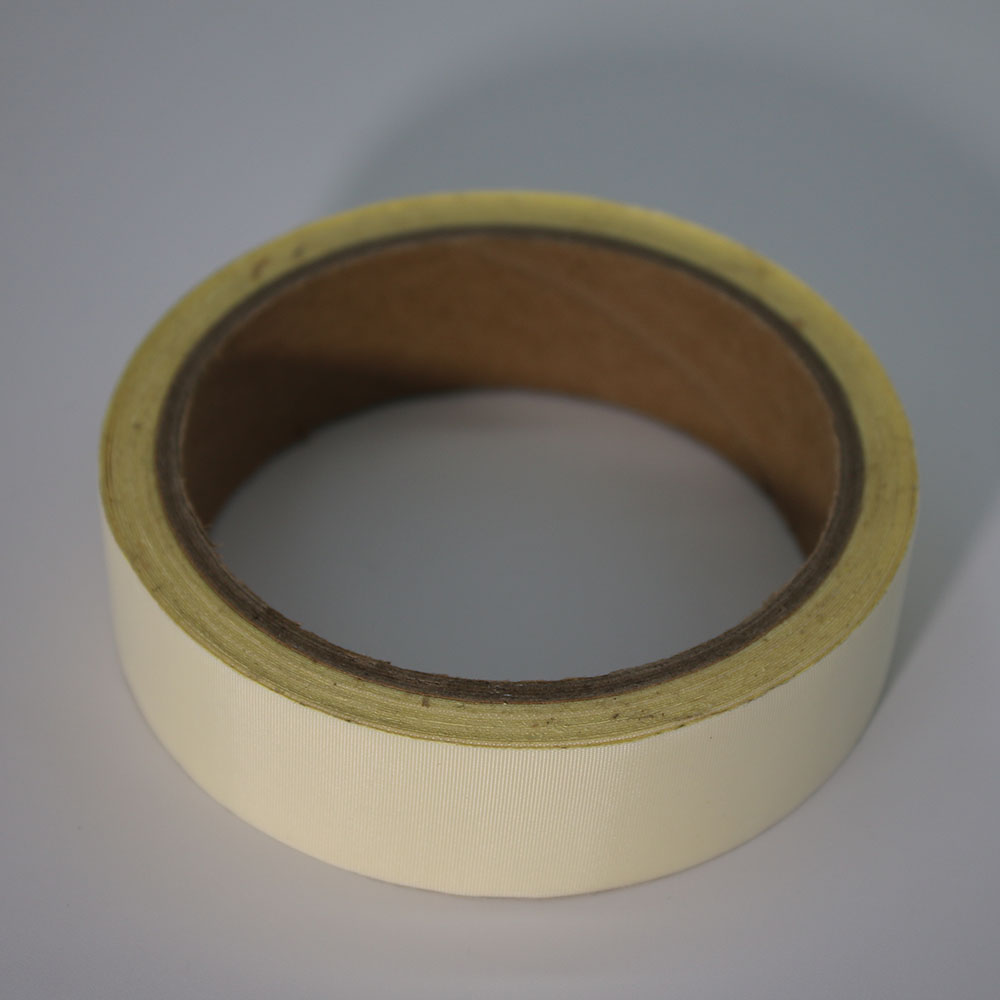 Can a Multi-Layer Nylon Cloth Tape with Optional Aluminum Foil Backing Really Bundle Hot-Engine Wiring and Absorb Minor Vibration in One Wrap
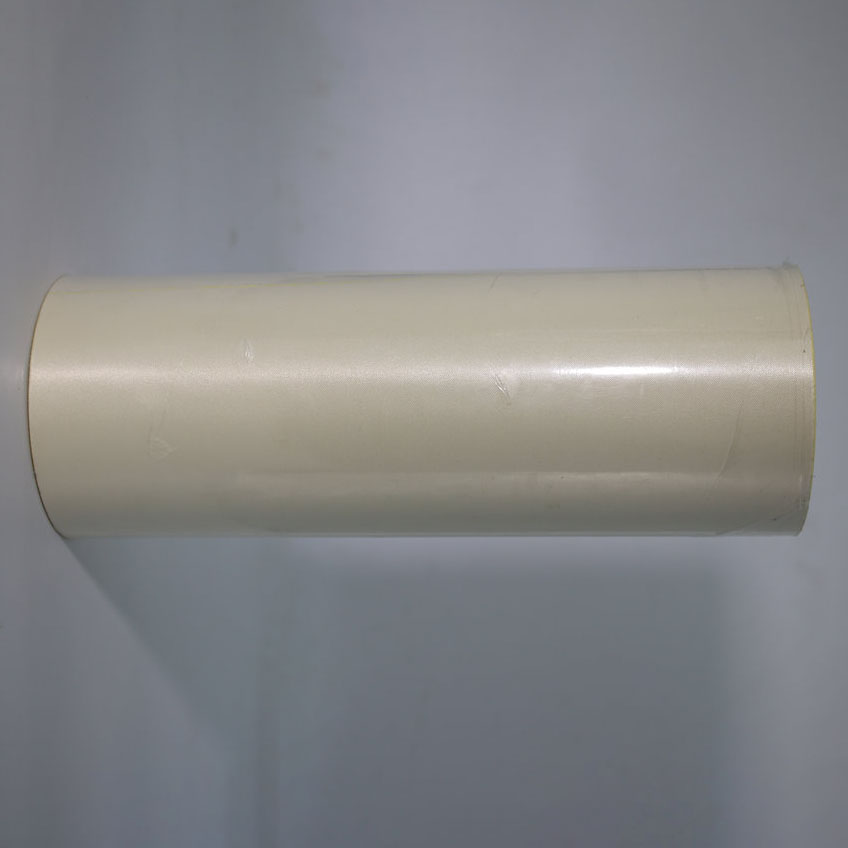 Can a Laser Inkjet and Thermal Transfer Compatible Printable Adhesive Label Tape Really Survive Warehouse Scuffs and Freezer Storage While Staying Scannable
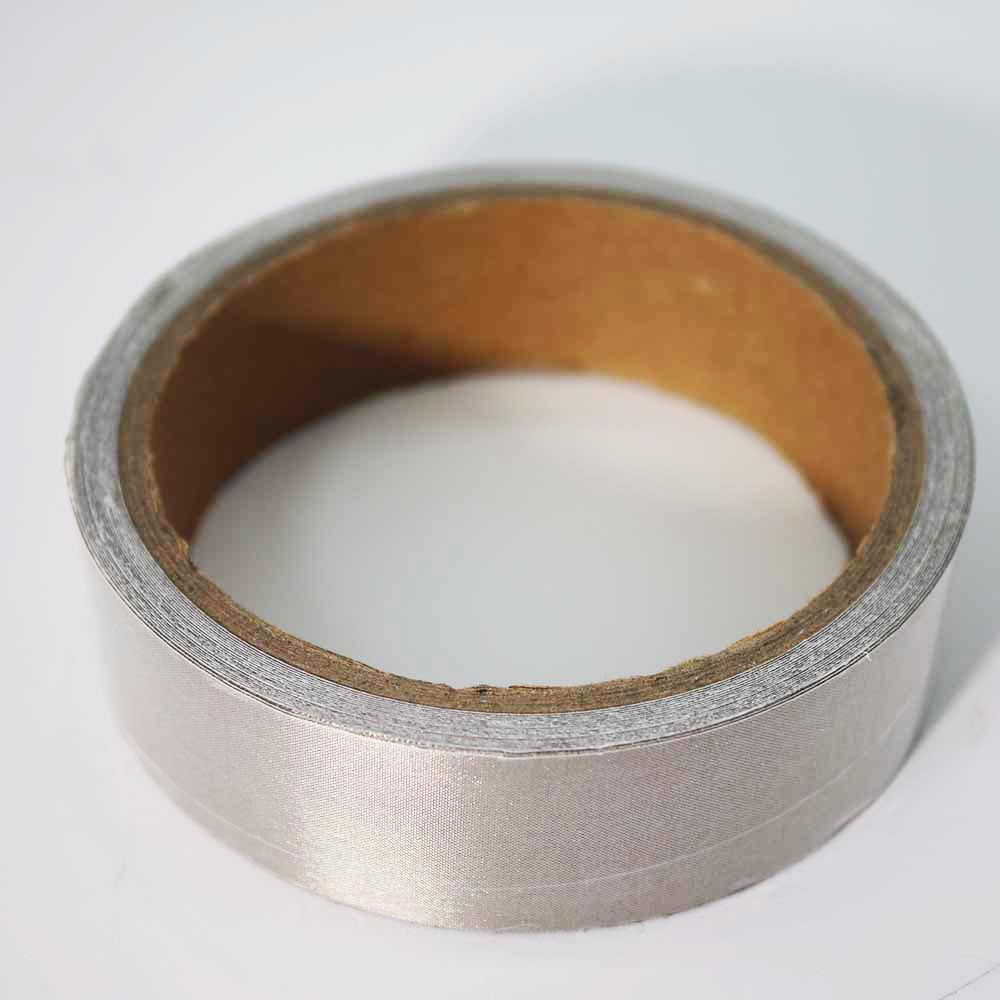 Does Double-Sided Conductive Fabric Tape Actually Replace Traditional EMI Gaskets in Compact Electronics?
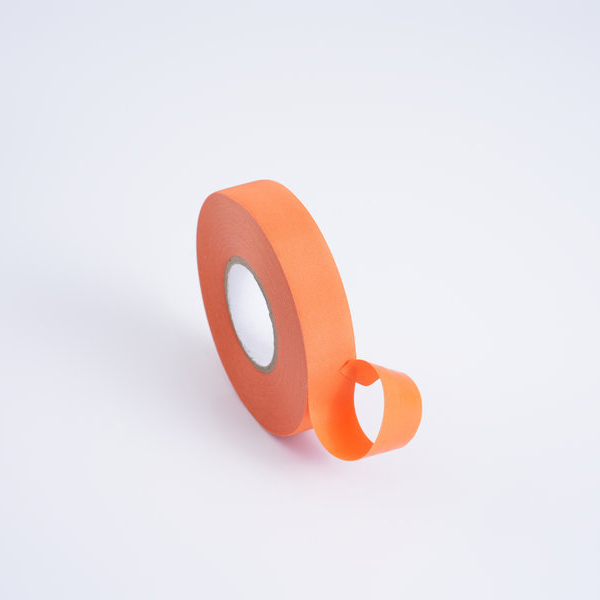 Will a Flame-Retardant Orange Fabric Wire Harness Tape Withstand 150 degrees Under the Hood Without Leaving Residue?
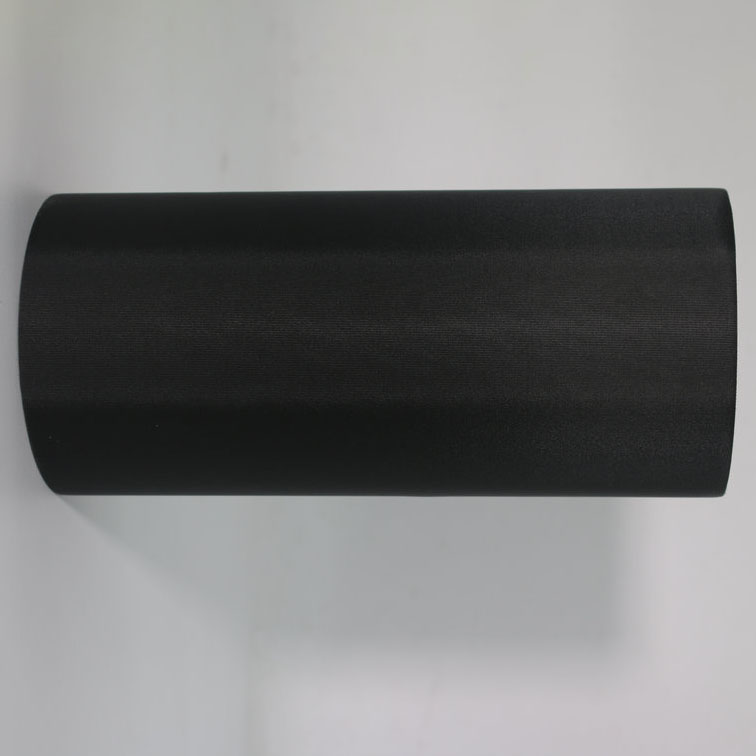 Can a Single Light-Blocking Tape Replace Multiple Shielding Layers in Display Assembly?
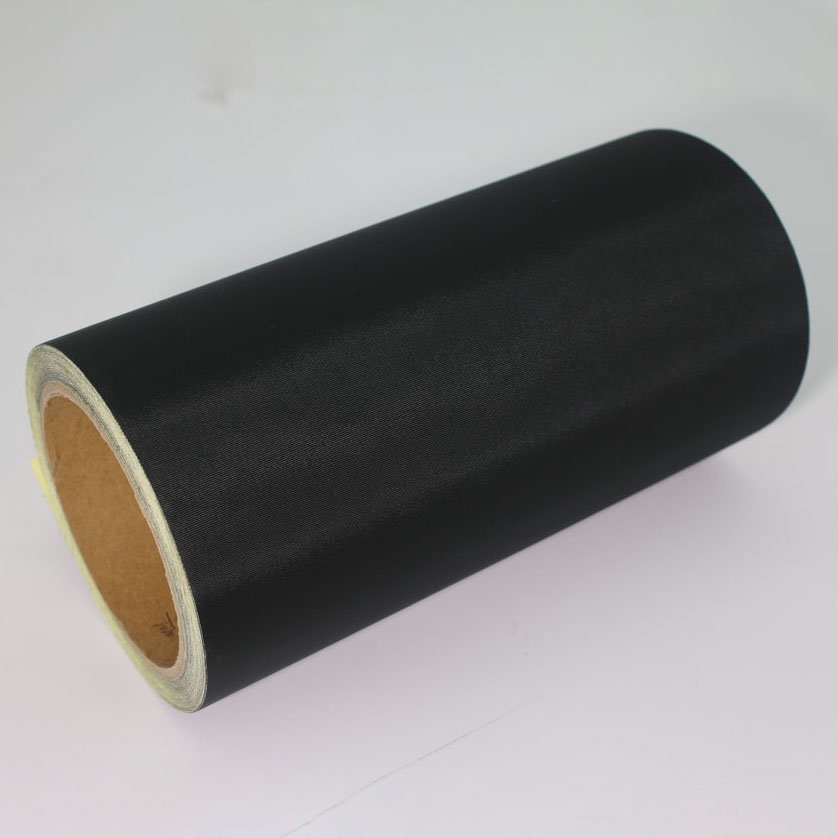 Can a 0.05mm Light Blocking Tape Really Deliver 99.9 percent Blackout for Sensitive Optics?
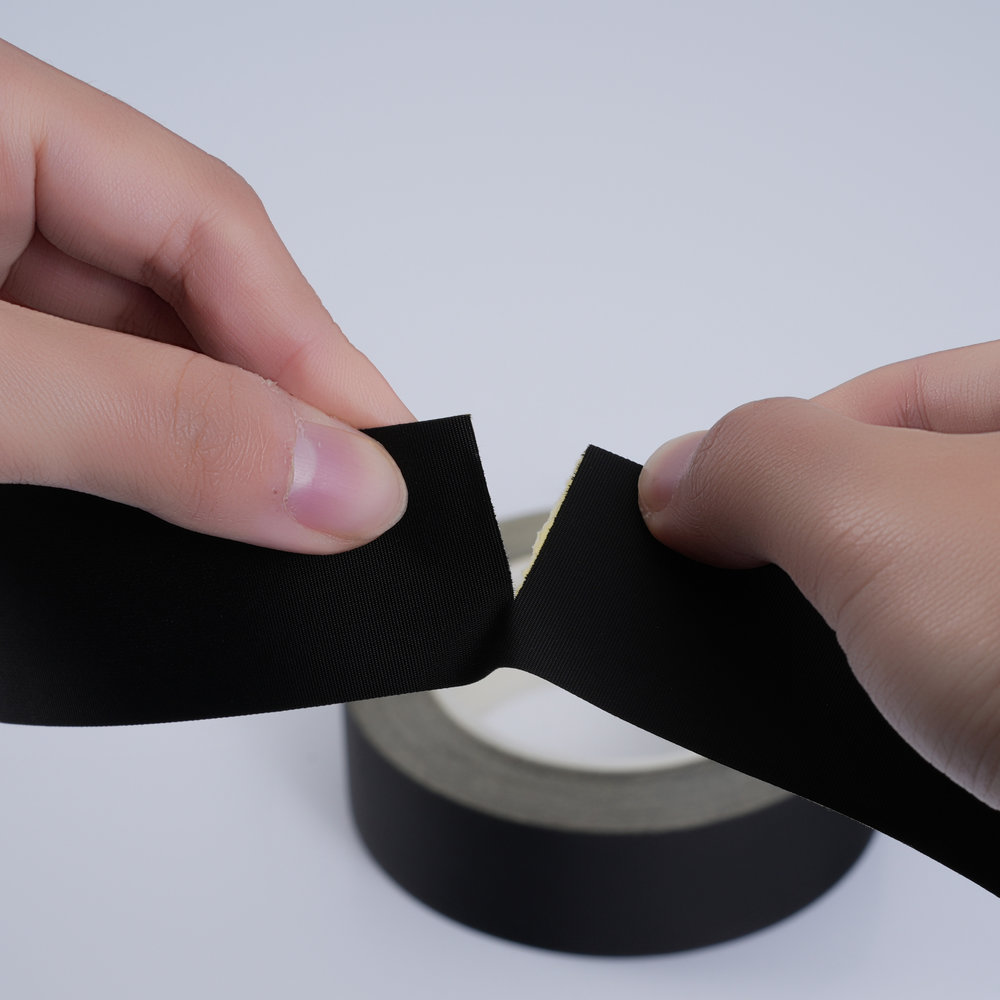 Is Acetate Cloth Tape the Ultimate Flame-Retardant Solution for Electrical Insulation?
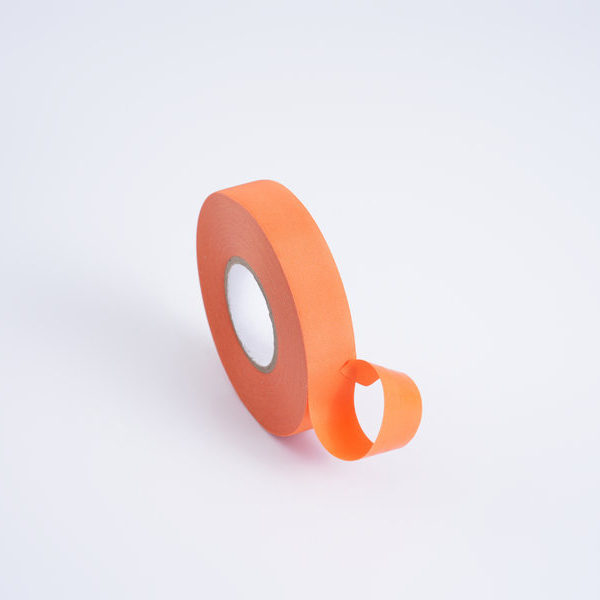 Why High-Temperature Orange Automotive Wire Harness Tape is the Smart Choice for High-Heat Engine Bays
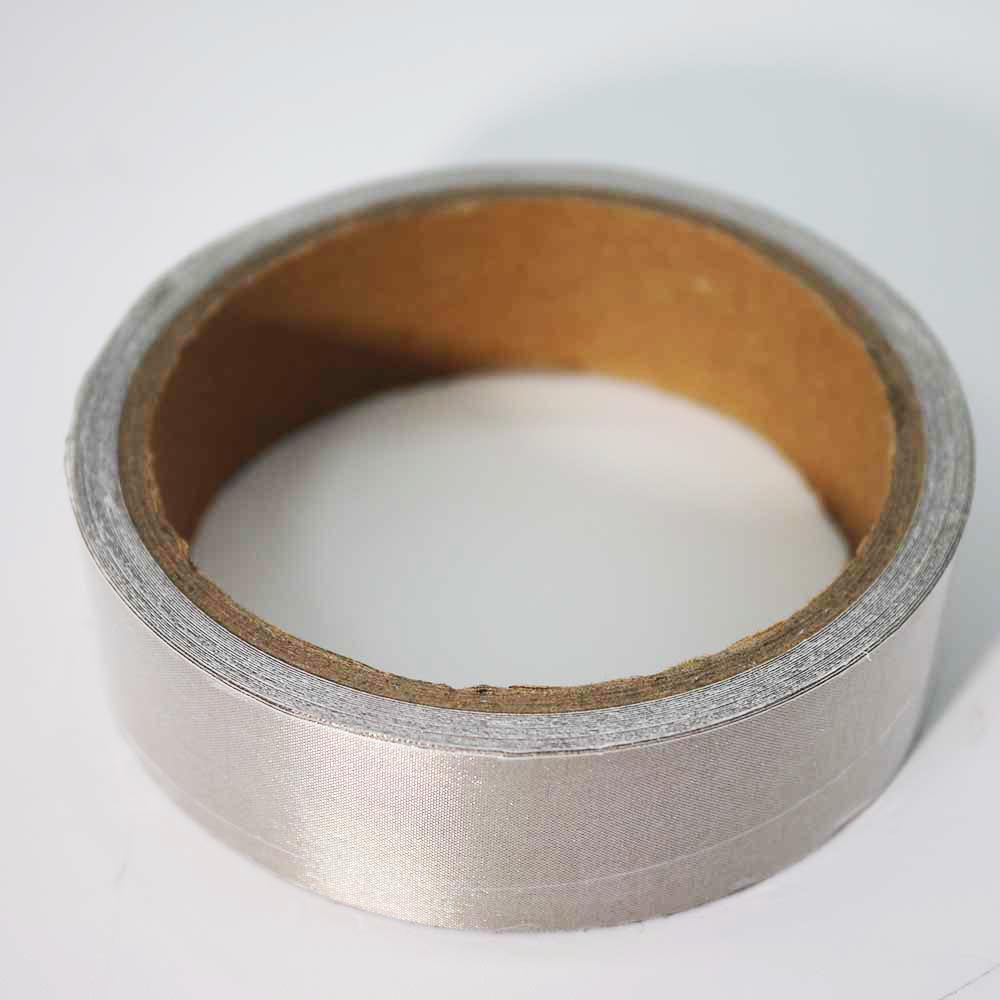 Can Double-Sided Conductive Fabric Tape Replace Traditional EMI Gaskets?
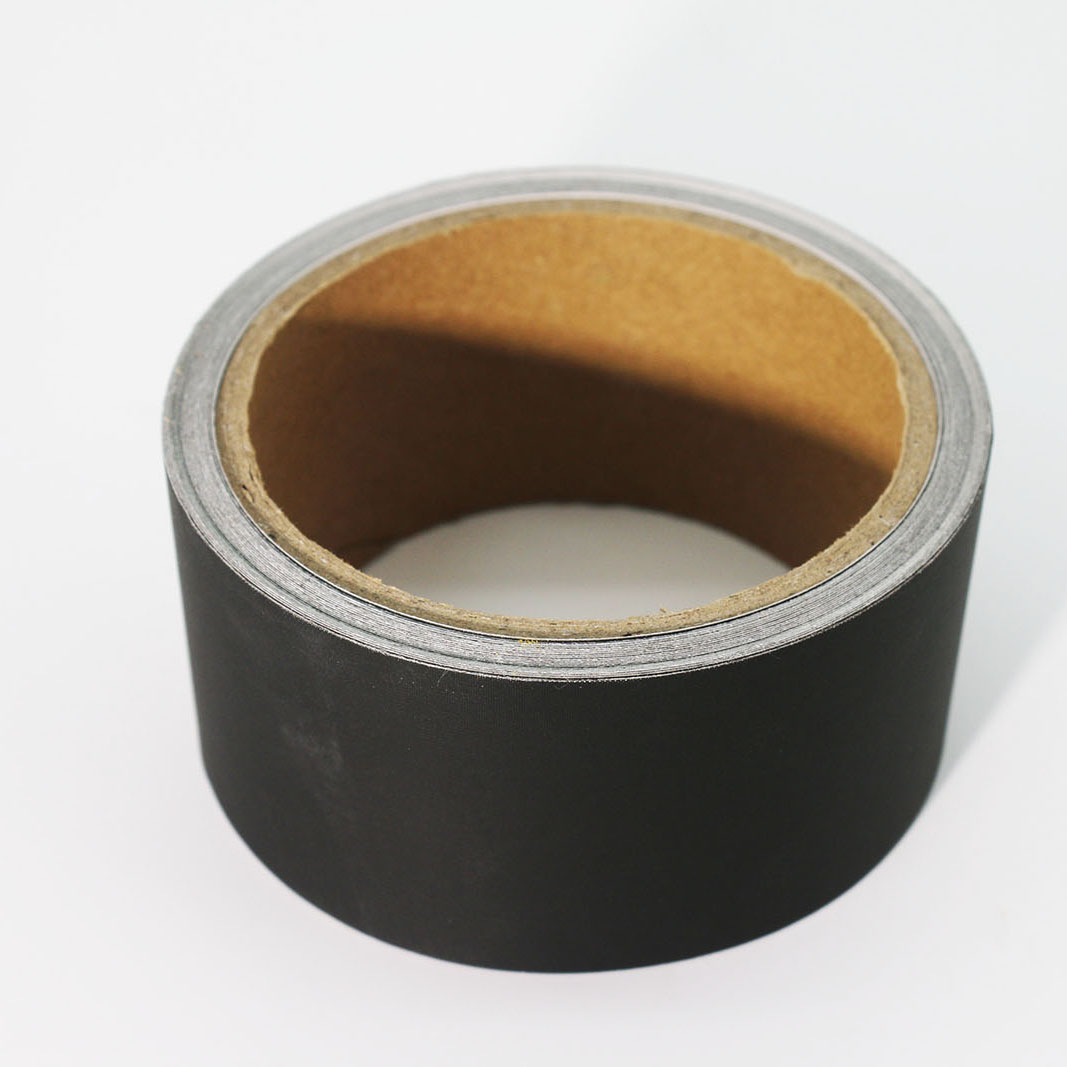 Why Black Conductive Fabric Tape is the Go-To for Light-Sensitive Electronics