
Why Heat Resistance Matters When Choosing Tape for Electrical Equipment?
If you’ve ever opened an old motor, transformer, or electrical cabinet, you may have noticed one small detail that often decides everything: the condition of the tape.
Some tapes stay firmly in place after years of heat exposure, while others turn brittle, peel off, or even melt slightly. That difference usually comes down to heat resistance.
In previous blogs, we discussed how acetate cloth tape, nylon cloth tape, and printable tape support wiring organization and insulation. Today, let’s go one step deeper and answer a very practical question:
👉 Why does heat resistance matter so much when choosing tape for electrical equipment?
Heat Is a Daily Reality in Electrical Equipment
Electrical systems don’t fail because of sudden heat spikes alone. More often, damage comes from long-term, repeated exposure to moderate heat.
Common heat sources include:
-
Transformers running continuously
-
Motors under heavy load
-
Power supplies inside compact enclosures
-
Automotive engine compartments
-
Home appliances like refrigerators and air conditioners
Over time, even temperatures between 80°C–130°C can weaken a tape that wasn’t designed for it. And once tape fails, wires lose insulation, stability, and protection.
This is where heat-resistant industrial tapes quietly do their job.
What Happens When Tape Lacks Heat Resistance?
Using a tape with poor thermal stability can cause several real-world problems:
-
Adhesive softening
The glue may ooze, migrate, or lose bonding strength, causing tape to unwrap. -
Material hardening or cracking
Some backings become stiff or brittle under heat, making them break during vibration. -
Loss of insulation performance
Electrical insulation properties may degrade, increasing safety risks. -
Maintenance becomes harder
Melted adhesive leaves residue that is difficult to clean during repairs.
In short, the tape becomes the weak link, even if the wires themselves are still fine.
How Heat-Resistant Tape Improves Long-Term Reliability
Heat-resistant tapes are designed to stay stable under continuous thermal stress. Their advantages show up slowly—but clearly—over time.
Key benefits include:
-
Stable adhesion at elevated temperatures
-
Consistent insulation performance
-
Resistance to aging and oxidation
-
Reduced need for rework or replacement
This is why professional manufacturers don’t choose tape based on appearance or price alone, they look closely at thermal ratings.
Comparing Common Heat-Resistant Tape Options
Based on applications we’ve discussed before, here’s how different tapes handle heat in electrical environments.
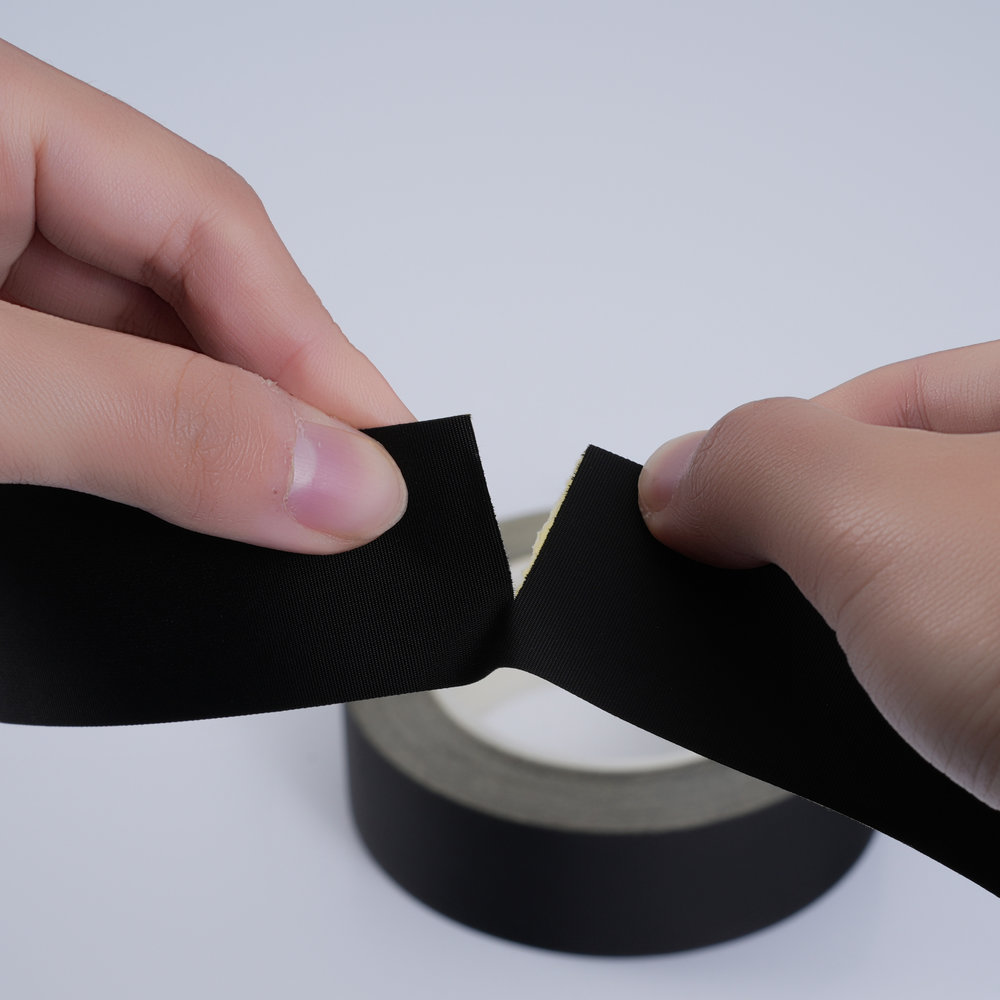
Acetate Cloth Tape
-
Typical temperature resistance: up to 105°C
-
Excellent conformability
-
Strong dielectric properties
-
Widely used in transformers and motors
This tape is often chosen where flexibility and insulation matter most.
Nylon Cloth Tape
-
Temperature resistance: up to 125°C
-
High abrasion resistance
-
Strong mechanical strength
-
Common in wire harnesses and automotive systems
It holds bundles tightly even under heat and vibration.
Conductive Cloth Tape (for EMI shielding)
-
Designed to perform under heat while maintaining conductivity
-
Used in electronic shielding, displays, and control systems
Each type serves a different role, but heat resistance is always part of the decision.
Heat Resistance Also Affects Safety Compliance
Many industries must meet strict safety and quality standards. Using the wrong tape can cause a product to fail inspection.
Heat-resistant tapes help support:
-
Electrical safety certifications
-
Long-term product reliability
-
Reduced warranty claims
-
Stable performance in export markets
Sometimes a tape may look the same, but it behave very differently after months of heat exposure.
Choosing the Right Tape Starts with Understanding Heat Conditions
Before selecting a tape, it helps to ask a few simple questions:
-
What is the maximum operating temperature?
-
Is heat constant or intermittent?
-
Will there be vibration or movement?
-
Is insulation, bundling, or shielding the main goal?
Once these are clear, choosing between acetate cloth tape, nylon cloth tape, or other functional tapes becomes much easier.
Final Thoughts
Heat resistance isn’t just a technical parameter on a datasheet. It directly affects how long electrical equipment stays safe, stable, and easy to maintain.
Whether you’re working on transformers, motors, automotive wiring, or consumer electronics, choosing the right heat-resistant tape is a small decision that prevents big problems later.
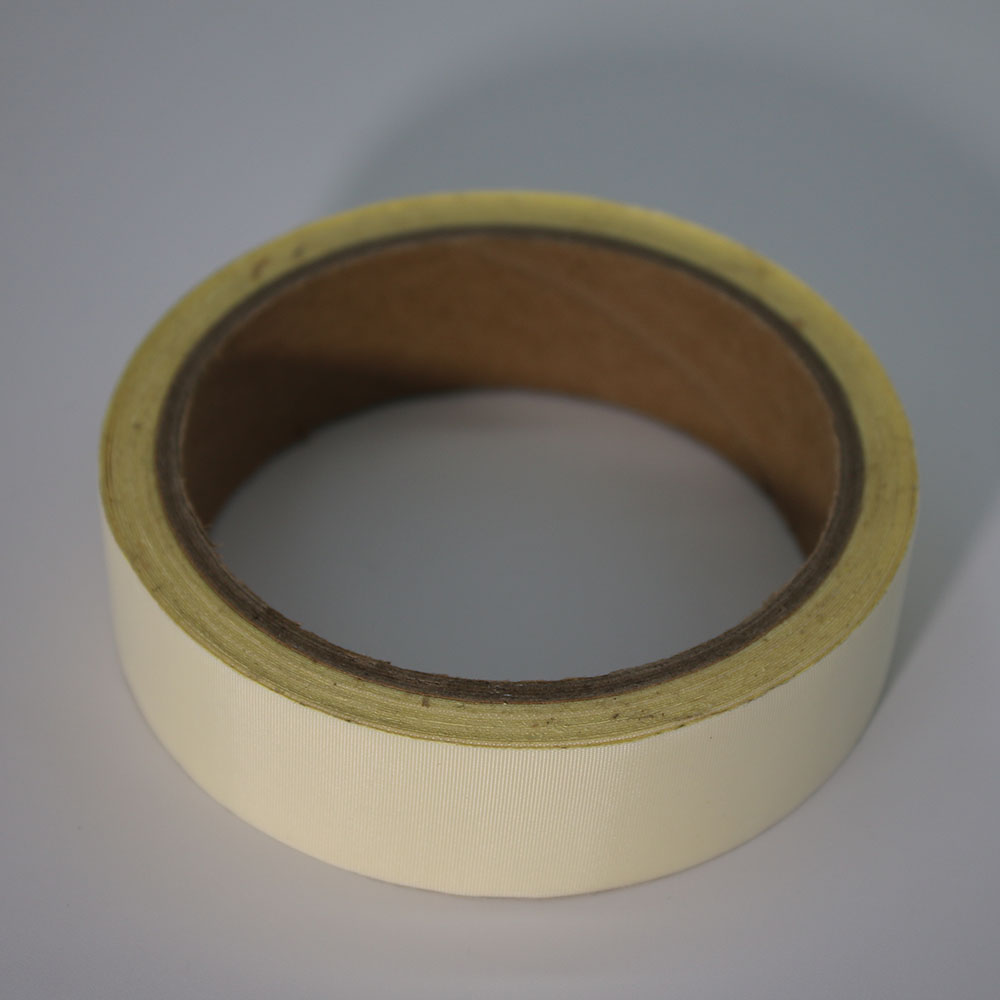 Can a Multi-Layer Nylon Cloth Tape with Optional Aluminum Foil Backing Really Bundle Hot-Engine Wiring and Absorb Minor Vibration in One Wrap
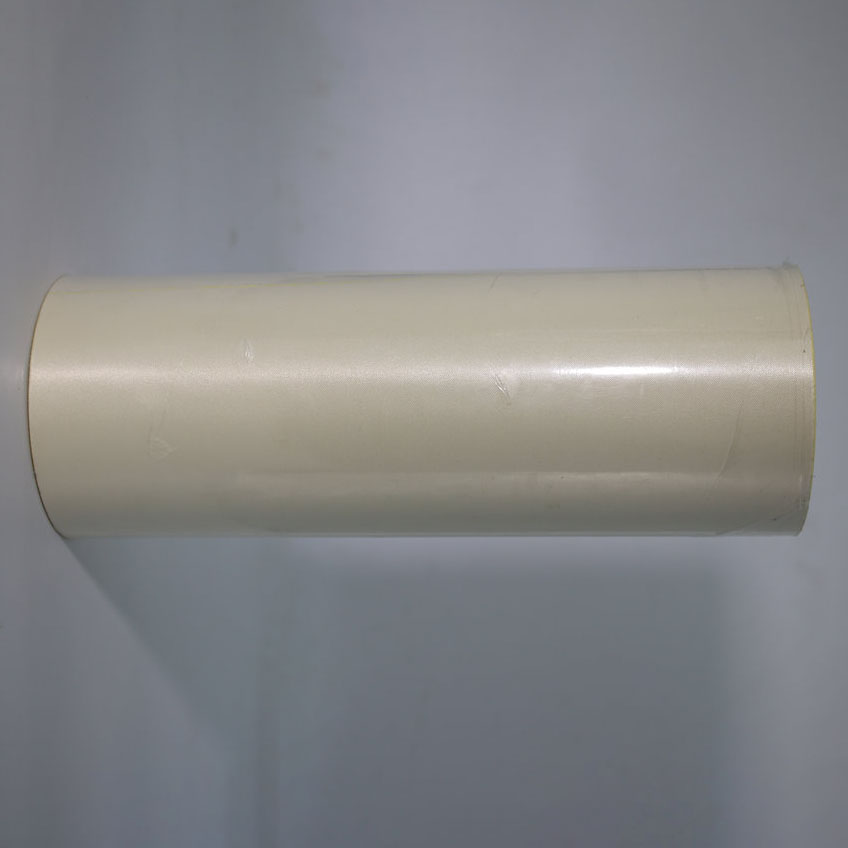 Can a Laser Inkjet and Thermal Transfer Compatible Printable Adhesive Label Tape Really Survive Warehouse Scuffs and Freezer Storage While Staying Scannable
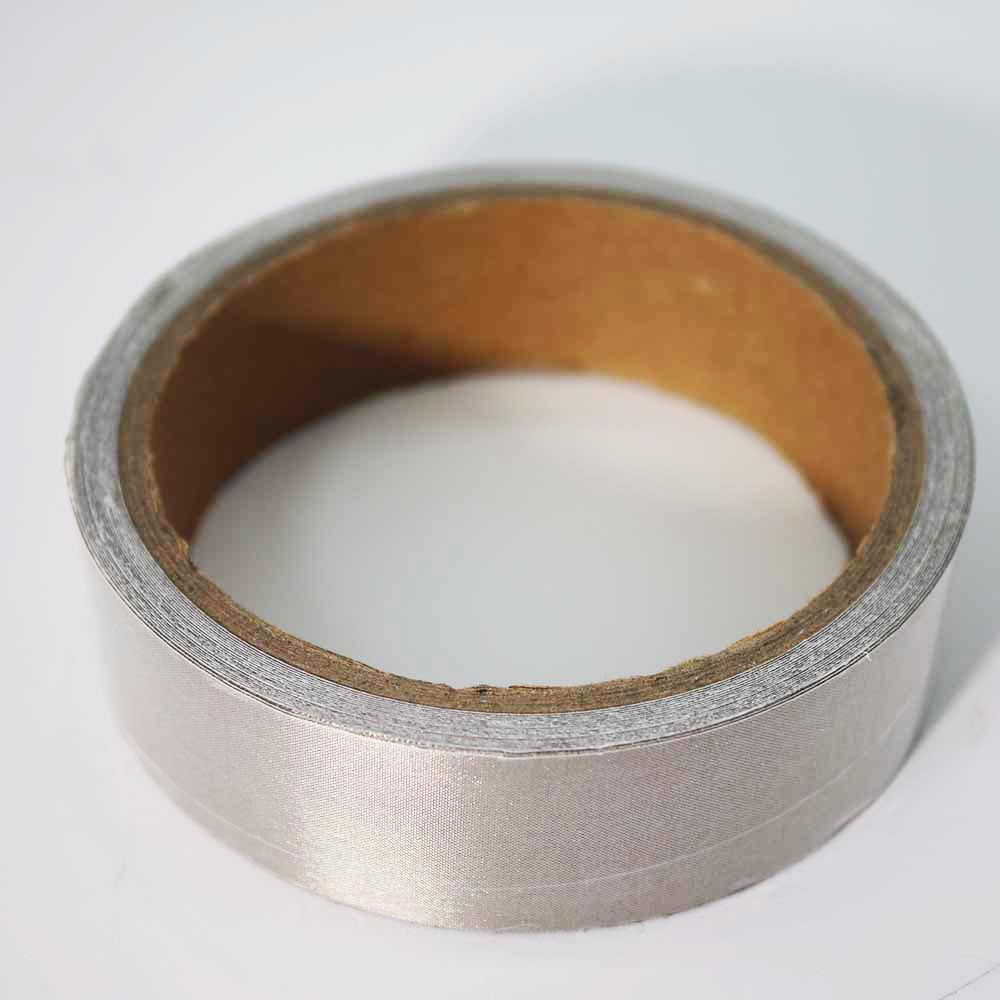 Does Double-Sided Conductive Fabric Tape Actually Replace Traditional EMI Gaskets in Compact Electronics?
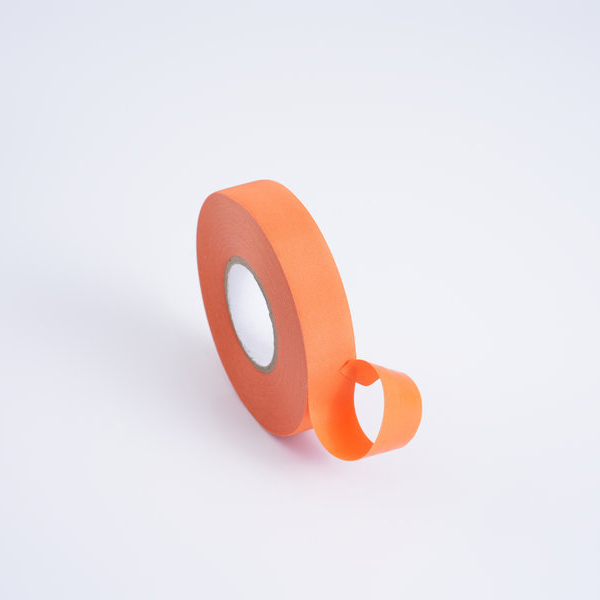 Will a Flame-Retardant Orange Fabric Wire Harness Tape Withstand 150 degrees Under the Hood Without Leaving Residue?
 Can a Single Light-Blocking Tape Replace Multiple Shielding Layers in Display Assembly?
 Can a 0.05mm Light Blocking Tape Really Deliver 99.9 percent Blackout for Sensitive Optics?
 Is Acetate Cloth Tape the Ultimate Flame-Retardant Solution for Electrical Insulation?
 Why High-Temperature Orange Automotive Wire Harness Tape is the Smart Choice for High-Heat Engine Bays
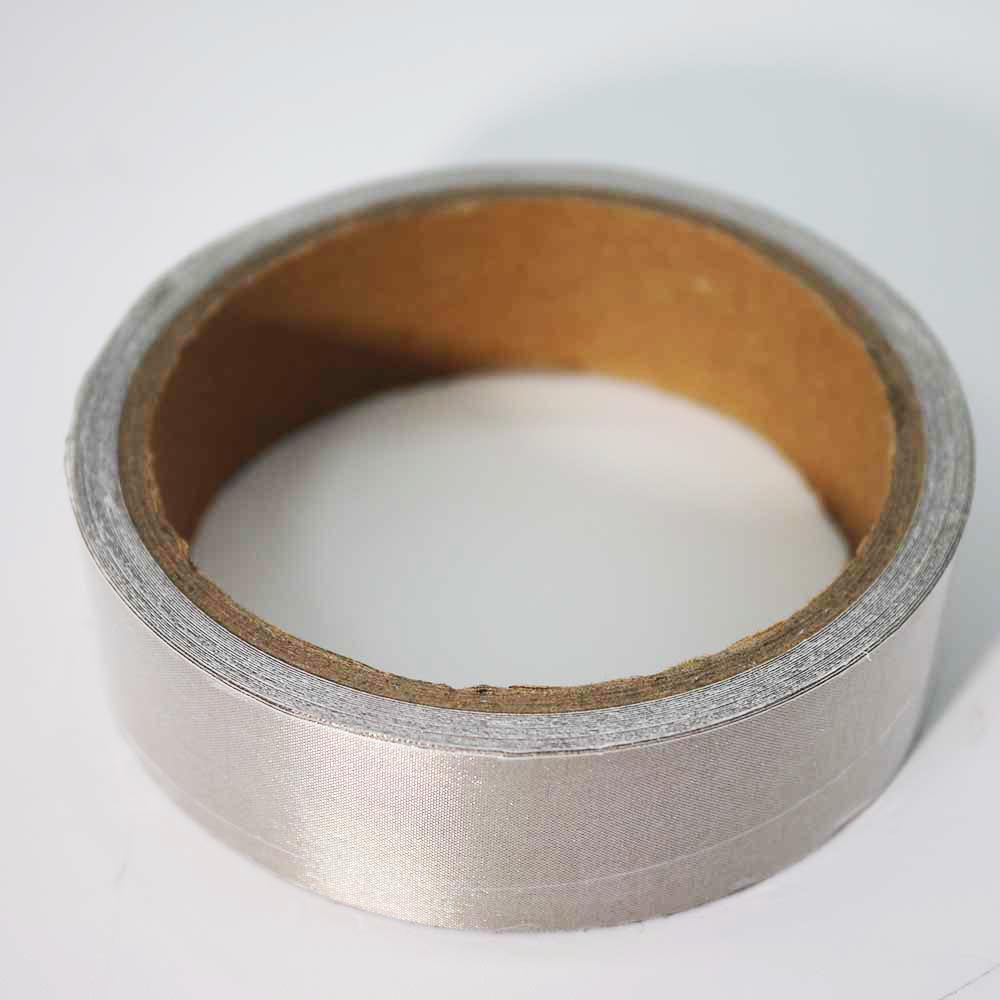 Can Double-Sided Conductive Fabric Tape Replace Traditional EMI Gaskets?
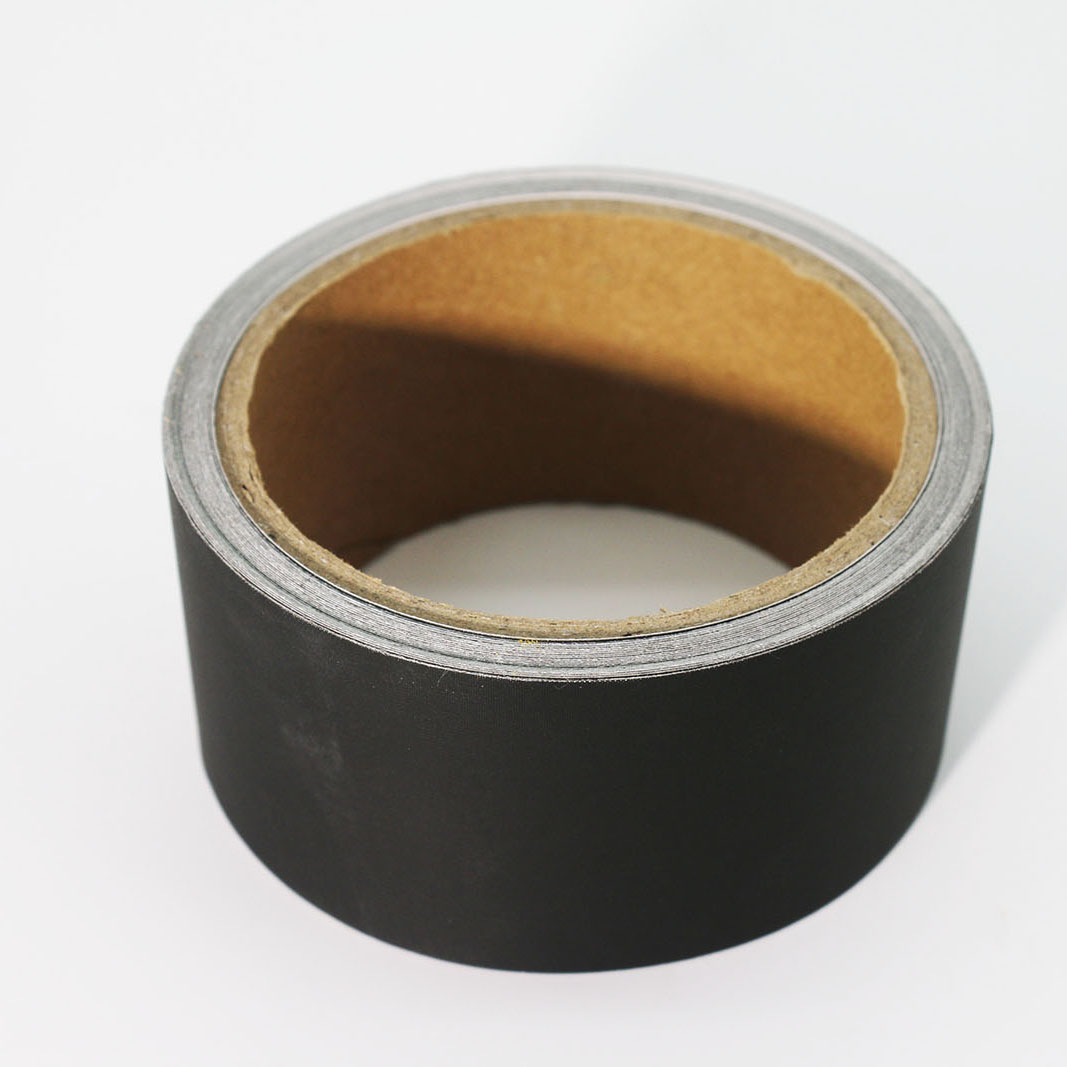 Why Black Conductive Fabric Tape is the Go-To for Light-Sensitive Electronics