
How to Improve Electrical Safety with Proper Tape Selection
Electrical safety is not only about advanced equipment or complex systems. In many real-world applications, safety starts with something much simpler: choosing the right tape. From home appliances to industrial control cabinets, from automotive wiring to transformers, tape selection plays a critical role in preventing failures, overheating, and even fire hazards.
In our previous blogs, we discussed conductive tape, insulation strategies, and heat resistance. Now, let’s connect all those ideas and look at a more practical question: how can proper tape selection actually improve electrical safety?
1. Why Tape Choice Matters More Than You Think
Many electrical problems don’t come from design errors, but from small material mismatches. Using the wrong tape may lead to:
-
Insulation breakdown under heat
-
Adhesive failure causing loose wires
-
Increased risk of short circuits
-
Reduced equipment lifespan
Honestly speaking, tape is often treated as an afterthought. But once something goes wrong, it suddenly becomes very important.
2. Understand the Difference: Insulating vs Conductive Tapes
Before choosing a tape, you need to know what role it plays in the electrical system.
Insulating tapes (Acetate Cloth Tape, Nylon Cloth Tape):
-
Prevent current leakage
-
Protect wires from heat and abrasion
-
Improve mechanical strength of wire bundles
Conductive tapes (Conductive Cloth Tape):
-
Provide EMI shielding
-
Ground sensitive components
-
Reduce electromagnetic interference
Sometimes, you actually need both types together, layered properly for maximum safety. This idea connects directly with our earlier article on layering conductive and insulating tapes.
3. Match Tape Performance with Real Working Conditions
A common mistake is choosing tape based only on appearance or price. Instead, consider these factors:
Temperature
-
Motors and transformers require heat-resistant tapes
-
Automotive engine compartments may exceed 150°C
Environment
-
Oil, humidity, and vibration demand durable adhesive systems
-
Outdoor or long-term use needs anti-aging performance
Electrical Requirements
-
High-voltage areas need strong dielectric strength
-
EMI-sensitive electronics benefit from conductive cloth tape
If the tape can’t handle the environment, it will fail sooner than expected and safety is compromised.
4. Application Scenarios That Demand Proper Tape Selection
Let’s make this more real.
-
Transformers & Motors: Acetate cloth tape is widely used for insulation and coil fixing
-
Automotive Wiring: Nylon cloth tape provides abrasion resistance and noise reduction
-
Consumer Electronics: Conductive tape improves EMI protection inside compact devices
-
Maintenance & Repair: Printable tape helps identify circuits and reduce human error
And yes, once you start using printable tape for labeling, you’ll wonder how you managed without it. It’s kind of a game changer.
5. Don’t Ignore Customization and Quality Control
Not all projects are the same. Width, thickness, adhesive type, and even color can affect safety and efficiency.
A professional China tape manufacturer and supplier can offer:
-
Custom sizes and thicknesses
-
Application-specific adhesive formulations
-
Stable quality for mass production
This is especially important for B2B buyers who care about consistency, compliance, and long-term reliability.
6. A Simple Checklist for Safer Tape Selection
Before choosing tape, ask yourself:
-
What temperature will it face?
-
Does it need insulation, conductivity, or both?
-
Will it be exposed to oil, vibration, or aging?
-
Is identification or labeling required?
-
Can the supplier support customization and volume supply?
If you check these points, you’re already far ahead of many users.
Conclusion
Improving electrical safety doesn’t always require redesigning systems. Very often, it starts with choosing the right tape for the right job. By understanding tape functions, matching materials to real conditions, and working with experienced manufacturers, electrical systems become safer, more reliable, and easier to maintain.
As we’ve shown across this content matrix, different tapes serve different purposes—but together, they form a complete safety solution.
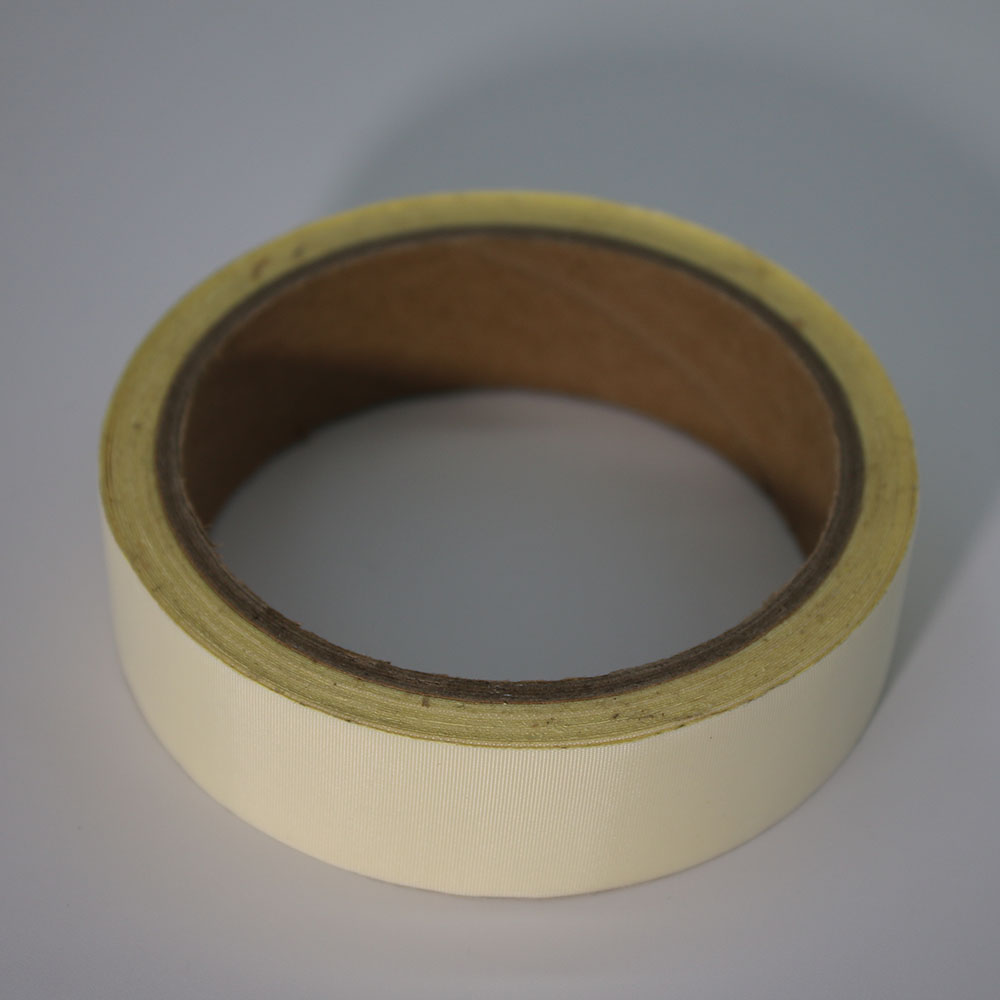 Can a Multi-Layer Nylon Cloth Tape with Optional Aluminum Foil Backing Really Bundle Hot-Engine Wiring and Absorb Minor Vibration in One Wrap
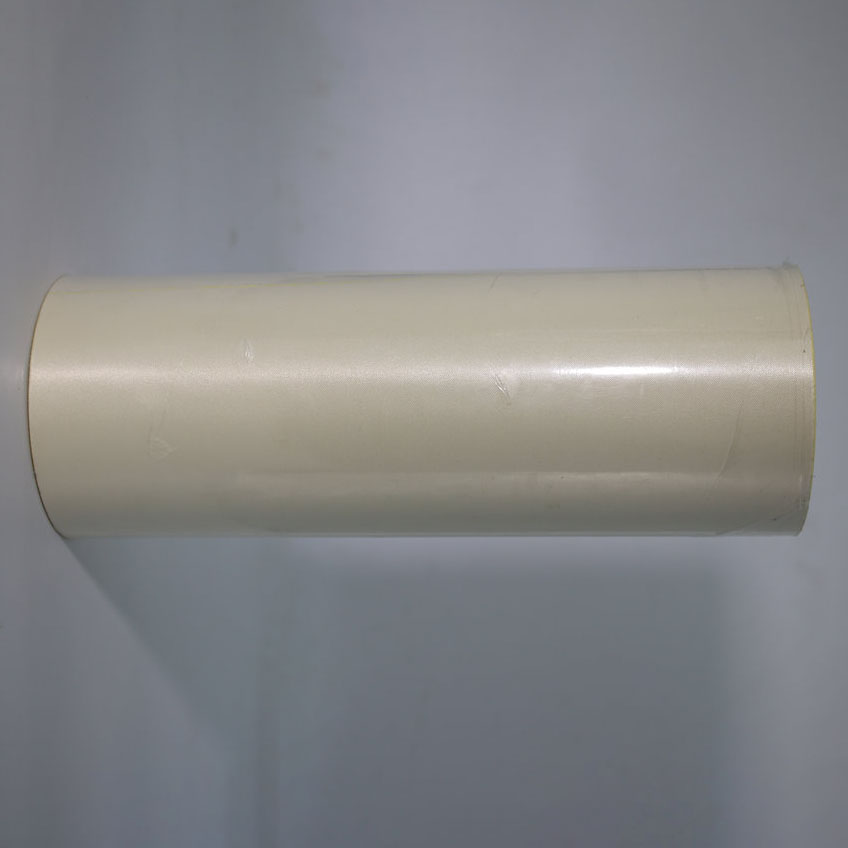 Can a Laser Inkjet and Thermal Transfer Compatible Printable Adhesive Label Tape Really Survive Warehouse Scuffs and Freezer Storage While Staying Scannable
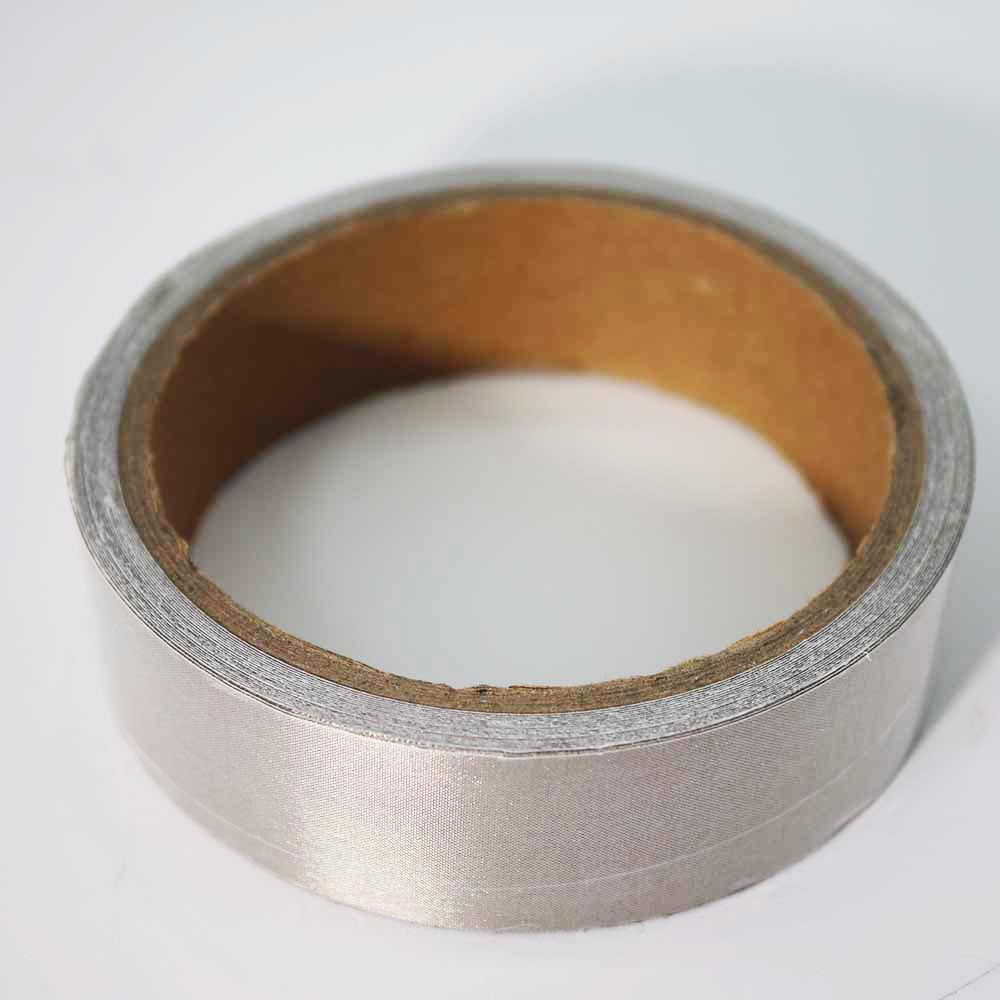 Does Double-Sided Conductive Fabric Tape Actually Replace Traditional EMI Gaskets in Compact Electronics?
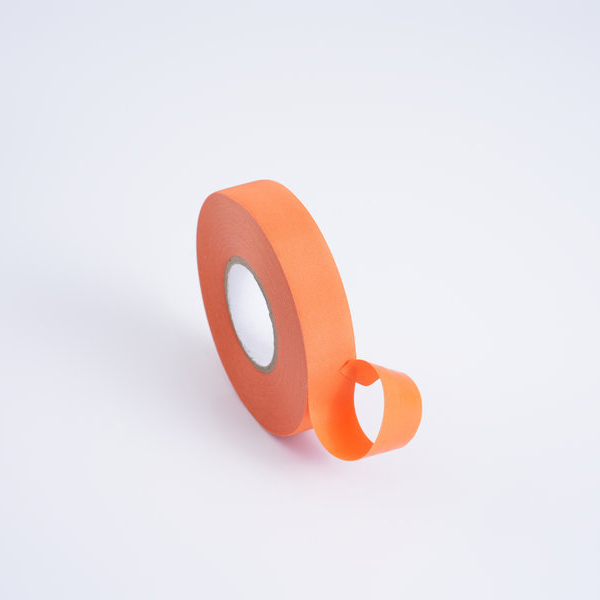 Will a Flame-Retardant Orange Fabric Wire Harness Tape Withstand 150 degrees Under the Hood Without Leaving Residue?
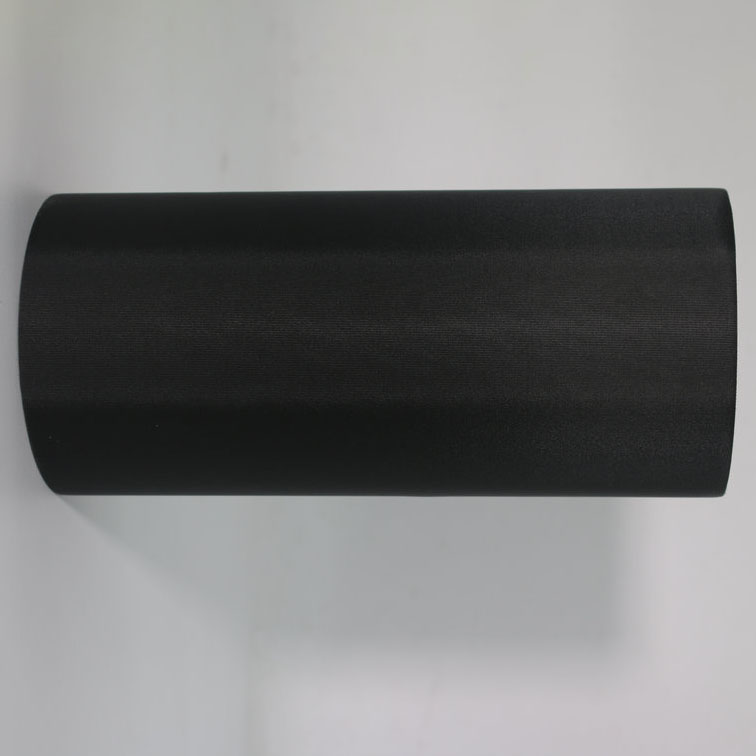 Can a Single Light-Blocking Tape Replace Multiple Shielding Layers in Display Assembly?
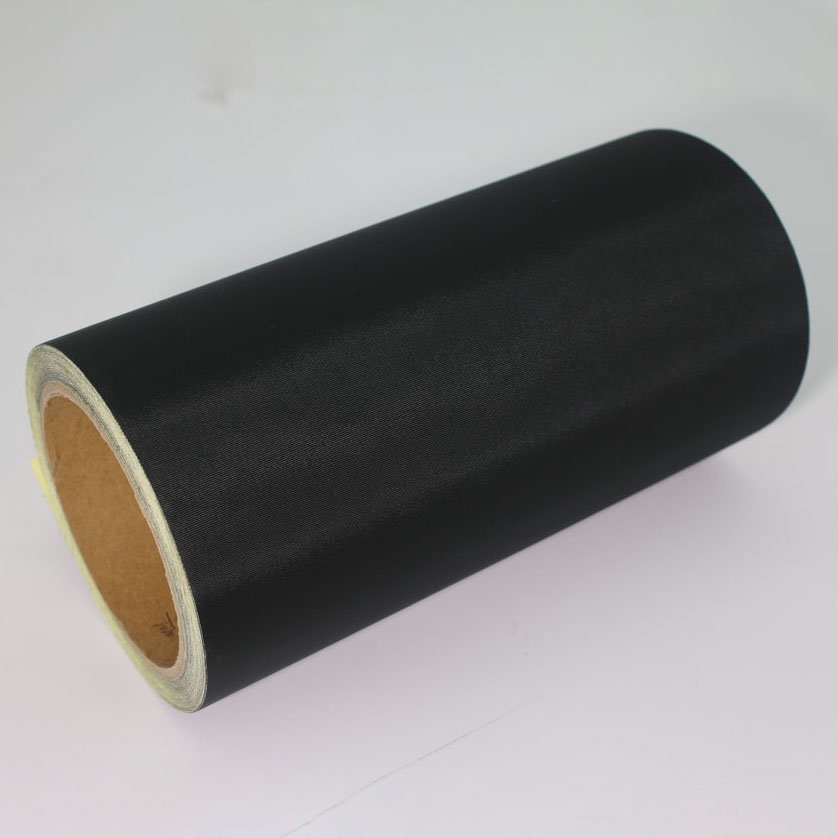 Can a 0.05mm Light Blocking Tape Really Deliver 99.9 percent Blackout for Sensitive Optics?
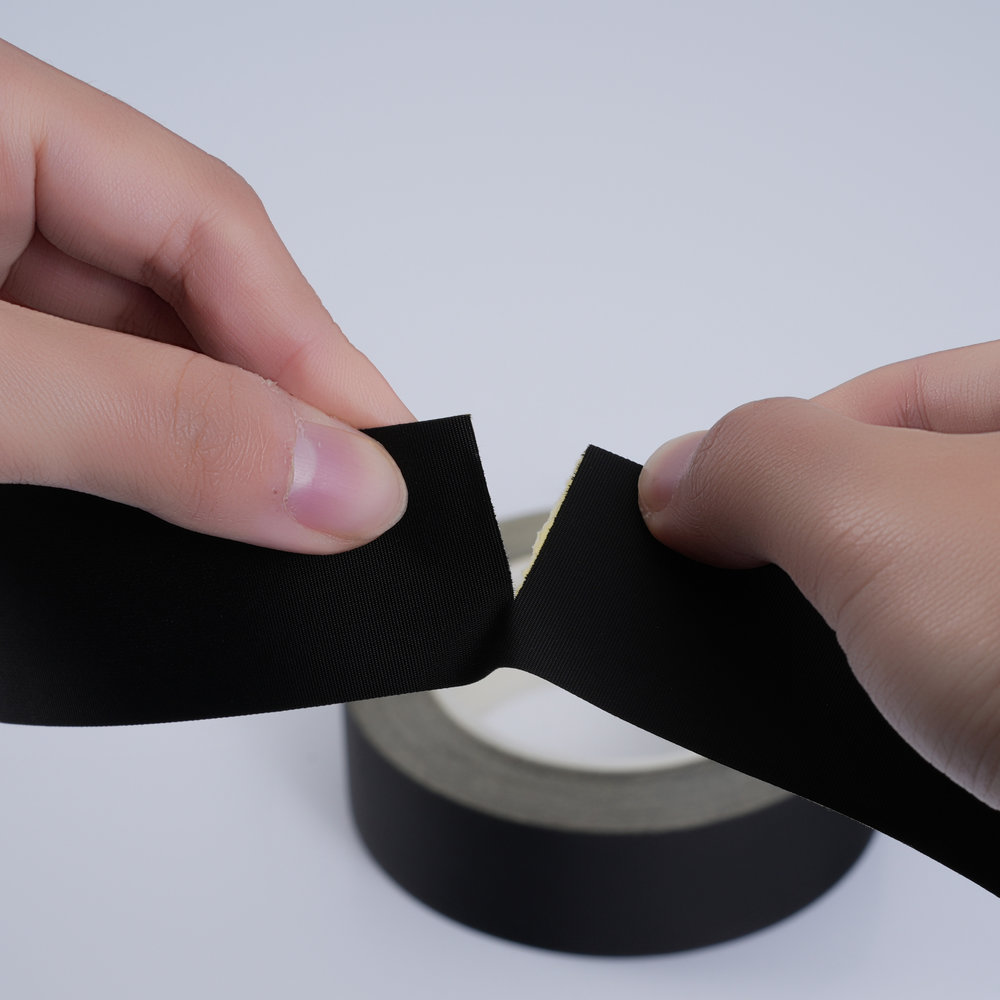 Is Acetate Cloth Tape the Ultimate Flame-Retardant Solution for Electrical Insulation?
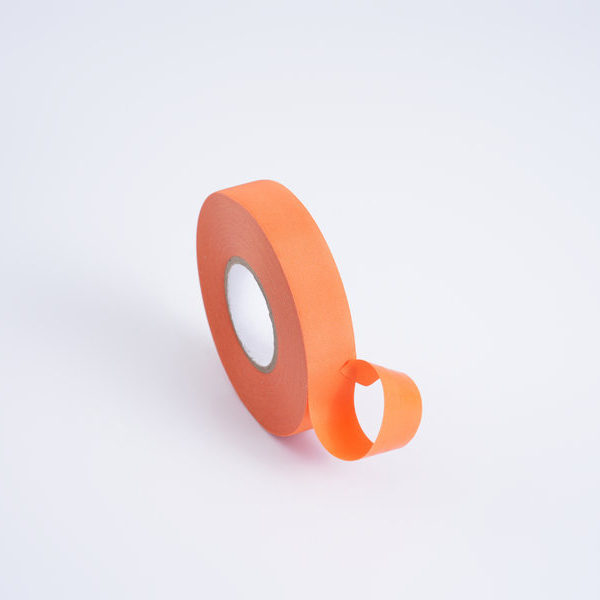 Why High-Temperature Orange Automotive Wire Harness Tape is the Smart Choice for High-Heat Engine Bays
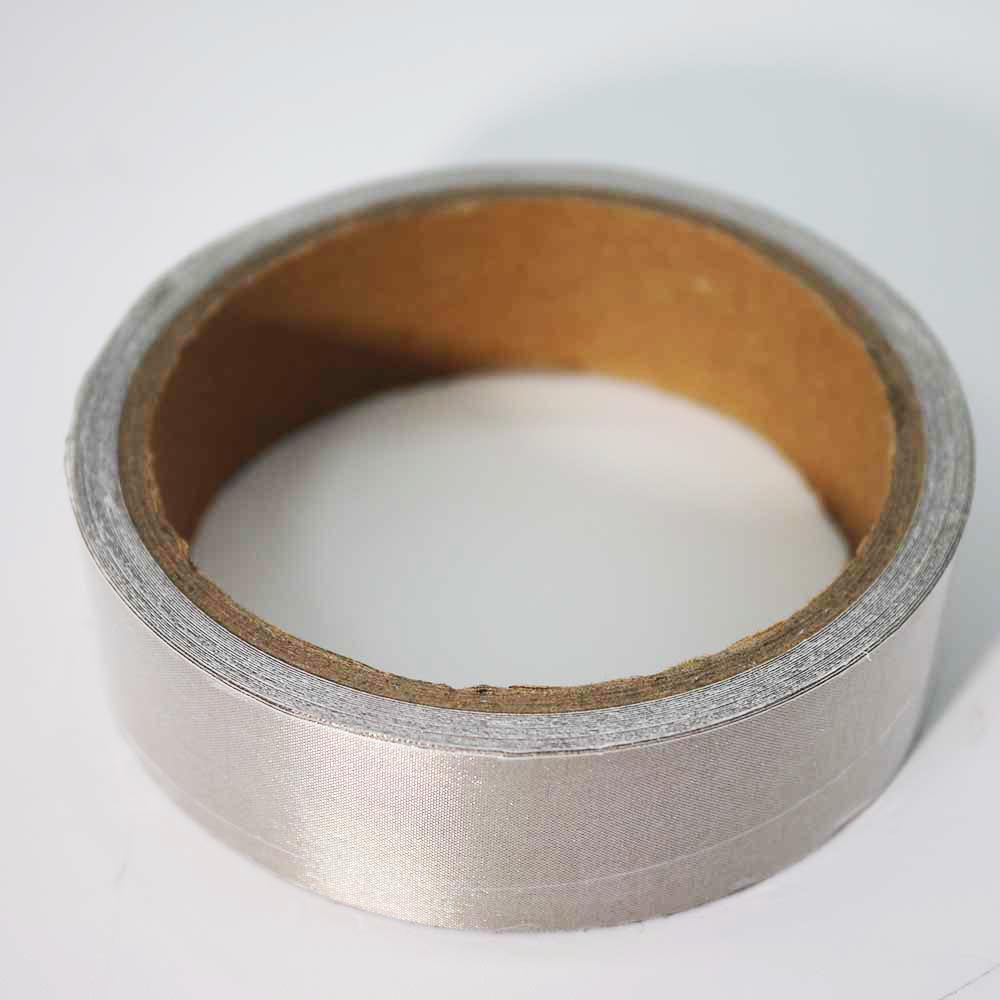 Can Double-Sided Conductive Fabric Tape Replace Traditional EMI Gaskets?
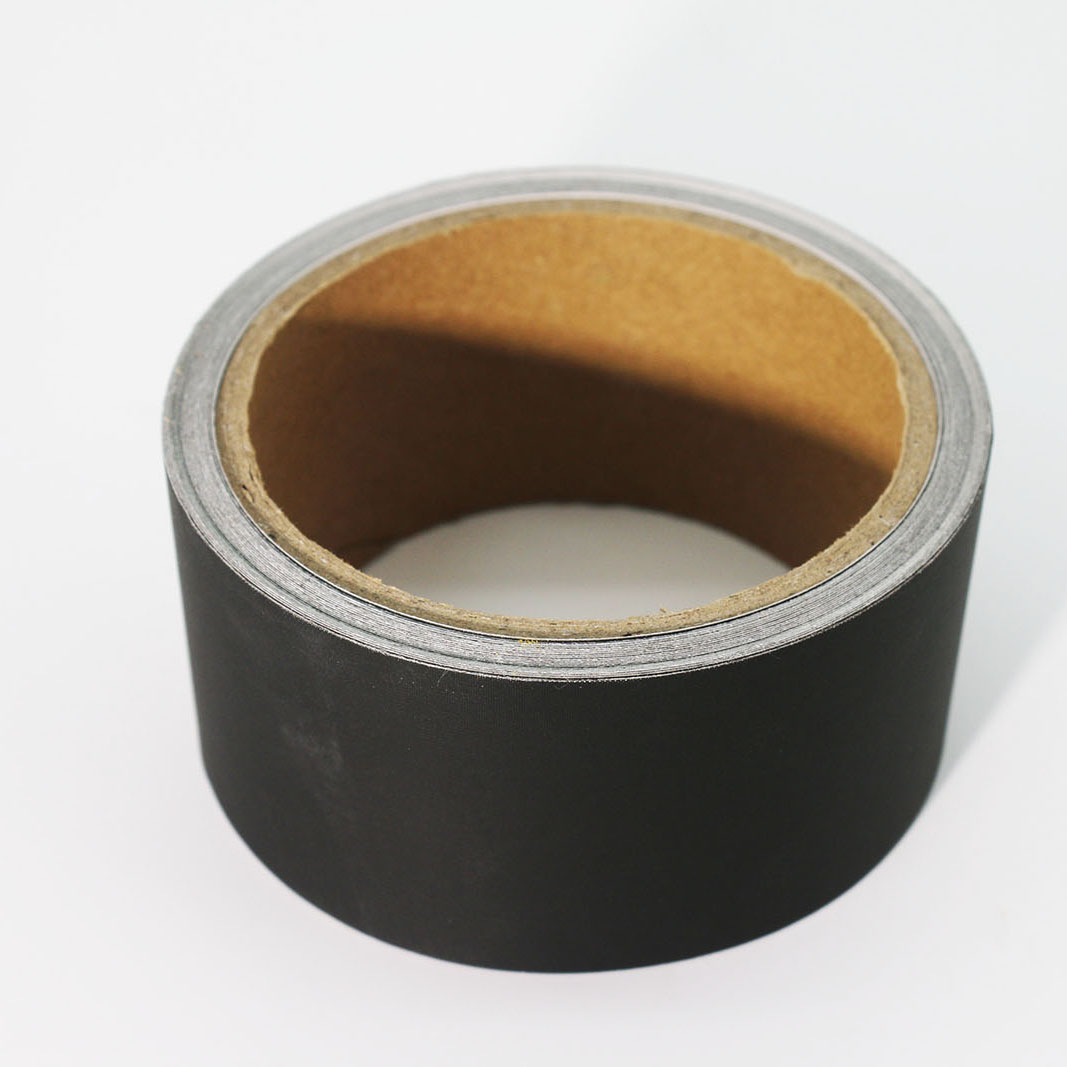 Why Black Conductive Fabric Tape is the Go-To for Light-Sensitive Electronics