
Acetate Cloth Tape vs Nylon Cloth Tape: Which One Fits Your Application Better?
In previous articles, we explored why nylon cloth tape remains a reliable choice for wire bundling, and how printable tape improves wiring identification and maintenance. But many buyers still ask a very practical question:
When should I choose acetate cloth tape instead of nylon cloth tape?
Both tapes are widely used in electronics, appliances, and automotive wiring—but they are not interchangeable. Understanding their differences can help you avoid over-engineering or, worse, using the wrong tape in the wrong place.
1. What Is Acetate Cloth Tape?
Acetate cloth tape is made from acetate fiber cloth coated with a pressure-sensitive adhesive, usually acrylic or rubber-based. It is known for:
-
Good heat resistance
-
Excellent electrical insulation
-
Soft hand feel and flexibility
-
Stable performance in electrical environments
Because of these features, acetate cloth tape is commonly used in transformers, motors, coils, and electronic components.
2. What Is Nylon Cloth Tape?
Nylon cloth tape, on the other hand, is based on woven nylon fabric, offering higher mechanical strength. As discussed in our previous blog, it provides:
-
Strong abrasion resistance
-
High tensile strength
-
Excellent vibration absorption
-
Long-term durability
This makes nylon cloth tape ideal for wire bundling, automotive harnesses, and moving or vibrating environments.
3. Heat Resistance: Which One Performs Better?
Heat resistance is often the first concern for buyers.
-
Acetate cloth tape typically performs better in stable high-temperature electrical environments, such as transformers and coils.
-
Nylon cloth tape handles moderate heat well but truly shines where mechanical stress and vibration are present.
If your application involves continuous heat with little movement, acetate cloth tape may be the better choice.
4. Mechanical Strength and Abrasion Resistance
This is where nylon cloth tape clearly stands out.
-
Nylon cloth tape resists tearing and abrasion extremely well
-
It protects wires from friction, sharp edges, and vibration
-
It maintains integrity over long service periods
Acetate cloth tape is softer and less abrasion-resistant, but that softness is actually beneficial in delicate electronic assemblies, where excessive rigidity could damage components.
5. Electrical Insulation and Safety
Both tapes offer good insulation, but they are often used in slightly different ways:
-
Acetate cloth tape is widely used as inter-layer insulation in transformers and motors
-
Nylon cloth tape is commonly used for outer wrapping and harness protection
In many real-world projects, these two tapes are used together—one inside, one outside.
6. Application Scenarios: How to Choose Correctly
Here’s a simple way to think about it:
Choose acetate cloth tape if your application involves:
-
Transformers or coils
-
Electrical insulation layers
-
Heat-focused environments
-
Compact electronic assemblies
Choose nylon cloth tape if your application involves:
-
Wire bundling and harnessing
-
Automotive or appliance wiring
-
Vibration or movement
-
Long-term mechanical protection
And honestly, many manufacturers don’t choose one or the other—they use both, each where it performs best.
7. Cost, Customization, and Manufacturing Considerations
From a manufacturing perspective, both tapes can be customized in:
-
Width, thickness, and length
-
Color options
-
Adhesive type
Working with a professional manufacturer allows buyers to balance performance and cost instead of guessing. Choosing the right tape at the start often saves more money than switching materials later.
Conclusion
So, which one fits your application better—acetate cloth tape or nylon cloth tape?
The answer depends on heat vs movement, insulation vs protection, and internal vs external use. When chosen correctly, both tapes play essential roles in reliable electrical and electronic systems.
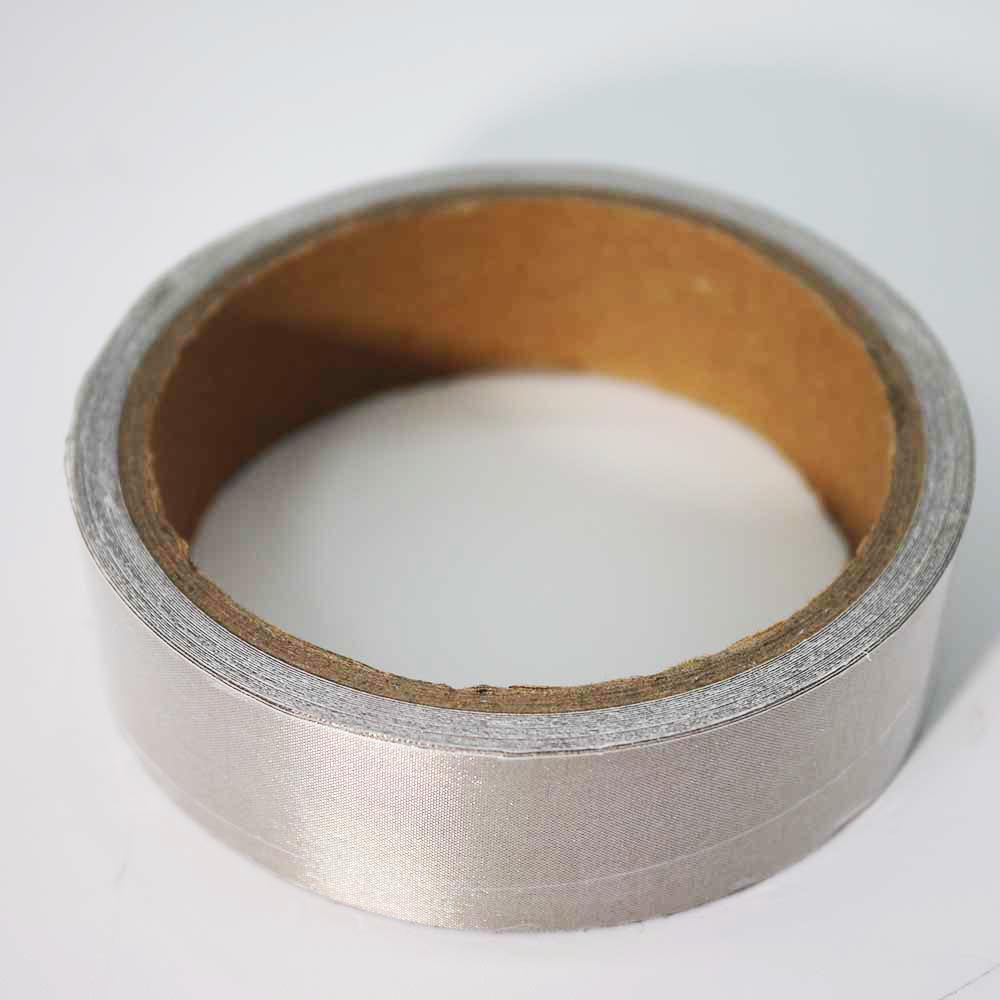
Used together with printable tape for identification and conductive fabric tape for shielding, they form a complete and practical tape solution.
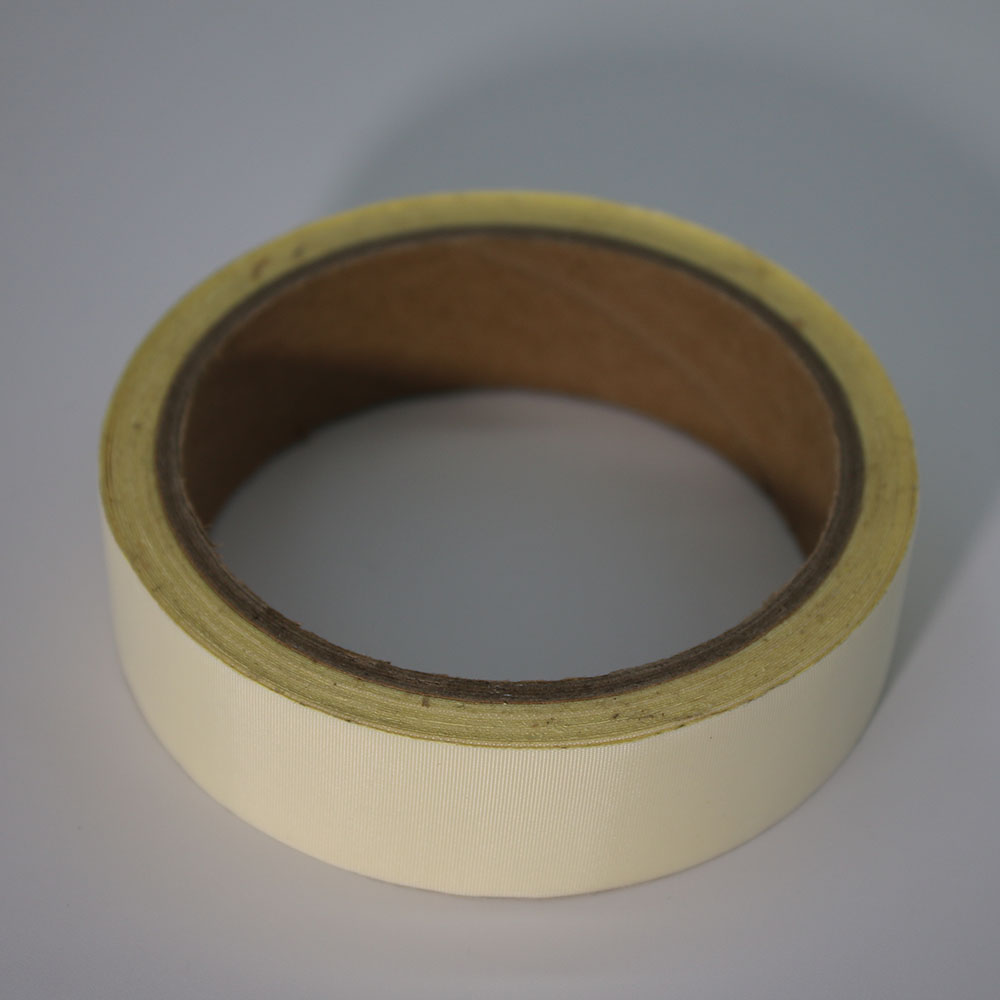 Can a Multi-Layer Nylon Cloth Tape with Optional Aluminum Foil Backing Really Bundle Hot-Engine Wiring and Absorb Minor Vibration in One Wrap
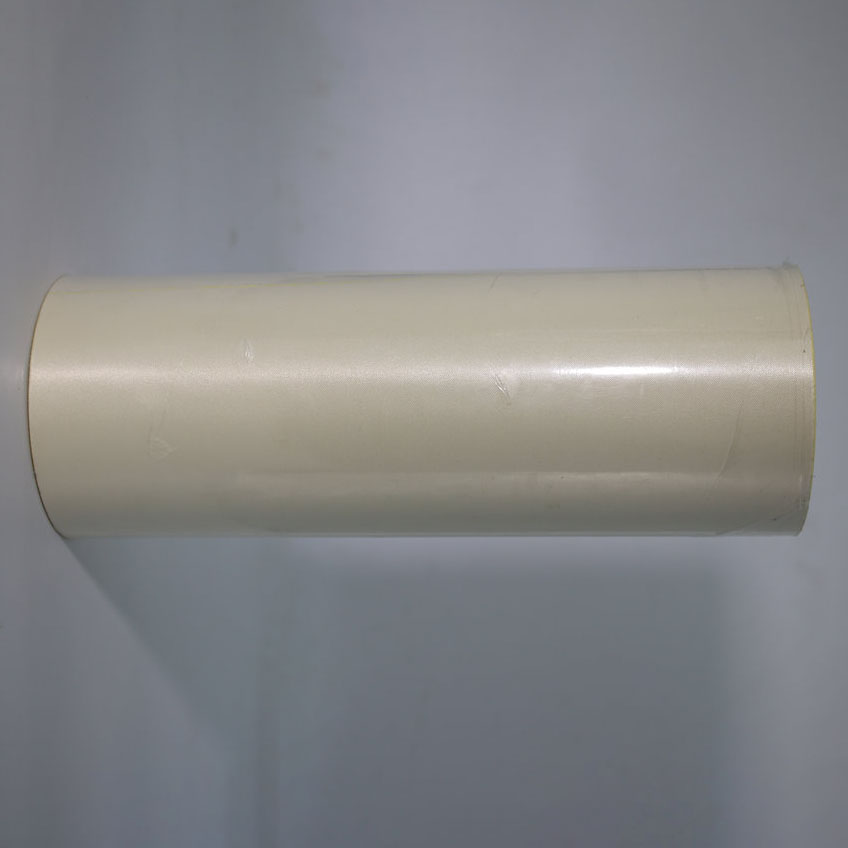 Can a Laser Inkjet and Thermal Transfer Compatible Printable Adhesive Label Tape Really Survive Warehouse Scuffs and Freezer Storage While Staying Scannable
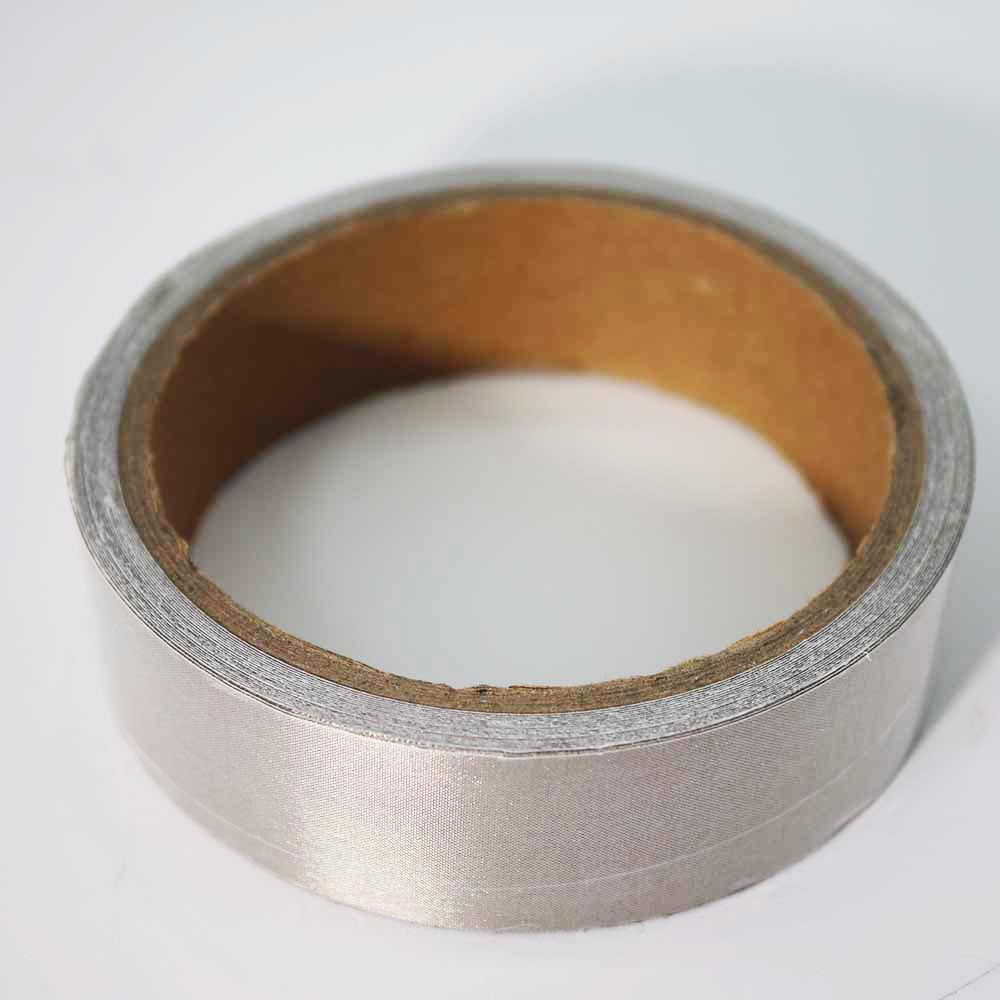 Does Double-Sided Conductive Fabric Tape Actually Replace Traditional EMI Gaskets in Compact Electronics?
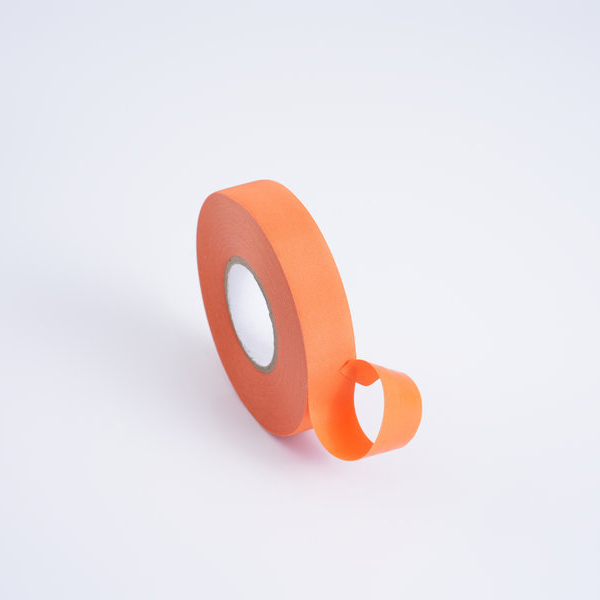 Will a Flame-Retardant Orange Fabric Wire Harness Tape Withstand 150 degrees Under the Hood Without Leaving Residue?
 Can a Single Light-Blocking Tape Replace Multiple Shielding Layers in Display Assembly?
 Can a 0.05mm Light Blocking Tape Really Deliver 99.9 percent Blackout for Sensitive Optics?
 Is Acetate Cloth Tape the Ultimate Flame-Retardant Solution for Electrical Insulation?
 Why High-Temperature Orange Automotive Wire Harness Tape is the Smart Choice for High-Heat Engine Bays
 Can Double-Sided Conductive Fabric Tape Replace Traditional EMI Gaskets?
 Why Black Conductive Fabric Tape is the Go-To for Light-Sensitive Electronics