
Conductive Tape vs Insulating Tape: When Do You Need Both?
When it comes to electrical and electronic projects, many people wonder whether they should use conductive tape or insulating tape. Some engineers think one type of tape is enough, but in reality, there are scenarios where both tapes work together to ensure safety, performance, and longevity.
In our previous posts, we explored heat resistance in tapes and compared conductive cloth tape vs aluminum foil tape. Now, let’s dive into why sometimes using both conductive and insulating tapes is the smartest choice.
Understanding Conductive Tape
Conductive tape is designed to carry or block electrical currents, provide EMI/RFI shielding, and sometimes even aid in grounding. Common applications include:
-
Shielding cables in electronics
-
Covering sensitive circuits in devices
-
Preventing electromagnetic interference in automotive electronics
Conductive tapes often use a cloth or metal foil backing with conductive adhesive. While they excel at conduction and shielding, they cannot protect against accidental short circuits if exposed bare.
Understanding Insulating Tape
Insulating tape, on the other hand, is non-conductive and protects circuits from accidental electrical contact. It:
-
Prevents short circuits
-
Provides electrical isolation
-
Can be heat resistant and flame retardant
Materials commonly used include acetate cloth, PVC, or high-temperature polyimide. While insulating tape is great for safety, it cannot conduct electricity or block EMI.
When Both Are Needed
So, when do you need both conductive and insulating tape?
-
EMI-sensitive circuits inside high-power electronics
-
Conductive tape shields against interference
-
Insulating tape ensures exposed conductive areas don’t cause shorts
-
-
Automotive wire harnesses in engine compartments
-
Conductive tape can manage EMI from sensors and motors
-
Insulating tape protects against vibration, heat, and accidental contact
-
-
Transformers, motors, and power supplies
-
Conductive tape helps maintain grounding and EMI shielding
-
Insulating tape separates layers of windings or protects mounting areas
-
Using both tapes strategically ensures performance, safety, and long-term reliability.
Practical Tips for Using Both Tapes
-
Layering order matters: Apply conductive tape first for shielding, then insulating tape on top for safety.
-
Check temperature ratings: Both tapes should withstand the device’s operating heat.
-
Avoid adhesive conflicts: Make sure the insulating tape sticks well to the conductive tape.
-
Size and width: Use wide enough tape for complete coverage but narrow enough to fit tight spaces.
These simple tips can save a lot of time and troubleshooting down the road.
Benefits of Using Both Together
-
Maximizes EMI protection
-
Prevents short circuits in high-power or sensitive devices
-
Improves durability under heat, vibration, and movement
-
Offers modular maintenance – tapes can be replaced separately
For engineers and technicians, this is a proven approach in electronics assembly, automotive wiring, and industrial equipment.
Conclusion
Conductive tape and insulating tape are not mutually exclusive. In fact, in many applications, using both tapes together is the best practice for safety, reliability, and performance. Understanding when to combine them ensures your devices operate smoothly, last longer, and remain safe under stress.
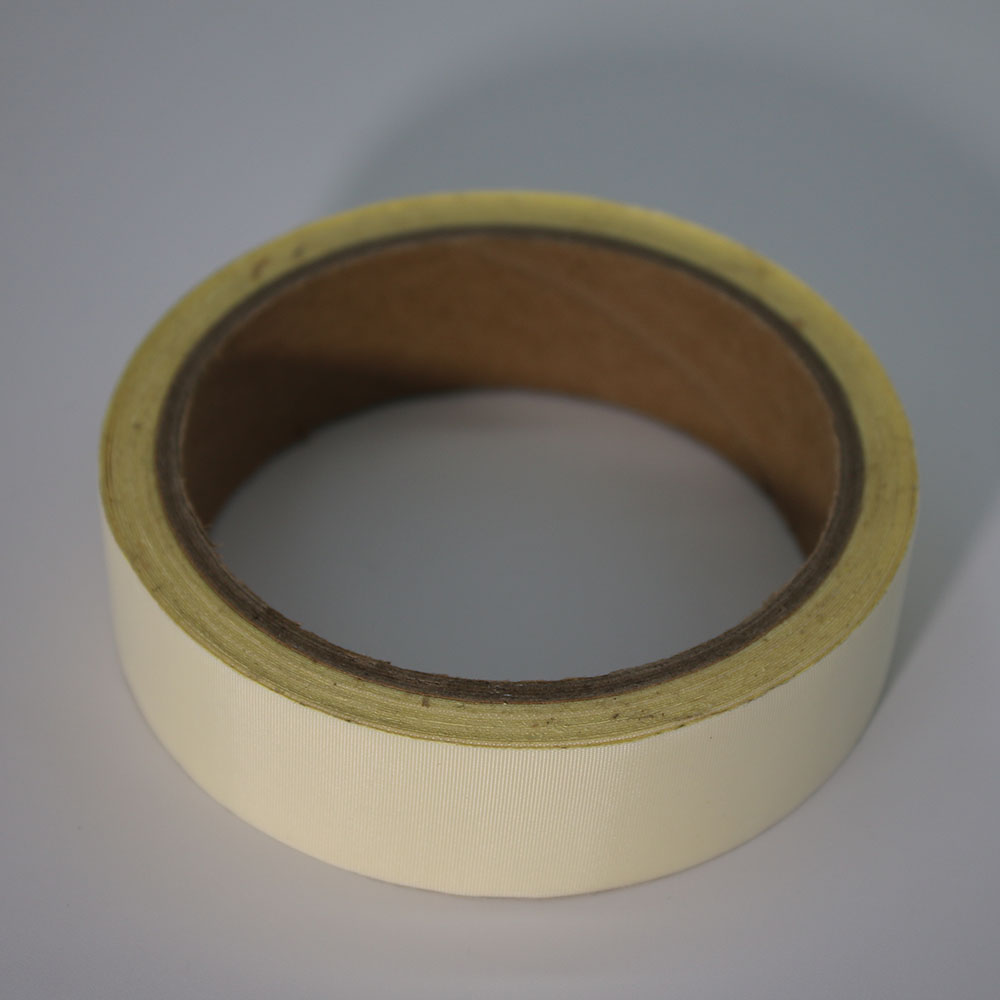 Can a Multi-Layer Nylon Cloth Tape with Optional Aluminum Foil Backing Really Bundle Hot-Engine Wiring and Absorb Minor Vibration in One Wrap
 Can a Laser Inkjet and Thermal Transfer Compatible Printable Adhesive Label Tape Really Survive Warehouse Scuffs and Freezer Storage While Staying Scannable
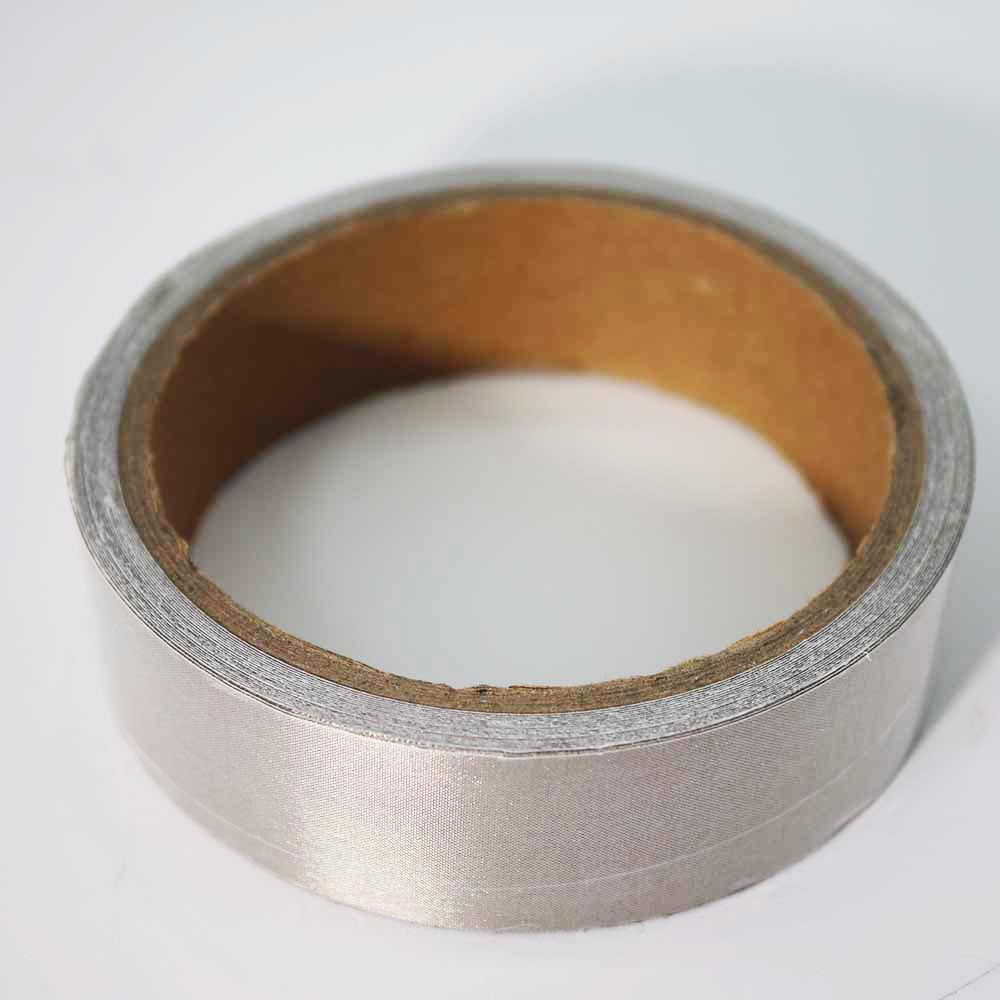 Does Double-Sided Conductive Fabric Tape Actually Replace Traditional EMI Gaskets in Compact Electronics?
 Will a Flame-Retardant Orange Fabric Wire Harness Tape Withstand 150 degrees Under the Hood Without Leaving Residue?
 Can a Single Light-Blocking Tape Replace Multiple Shielding Layers in Display Assembly?
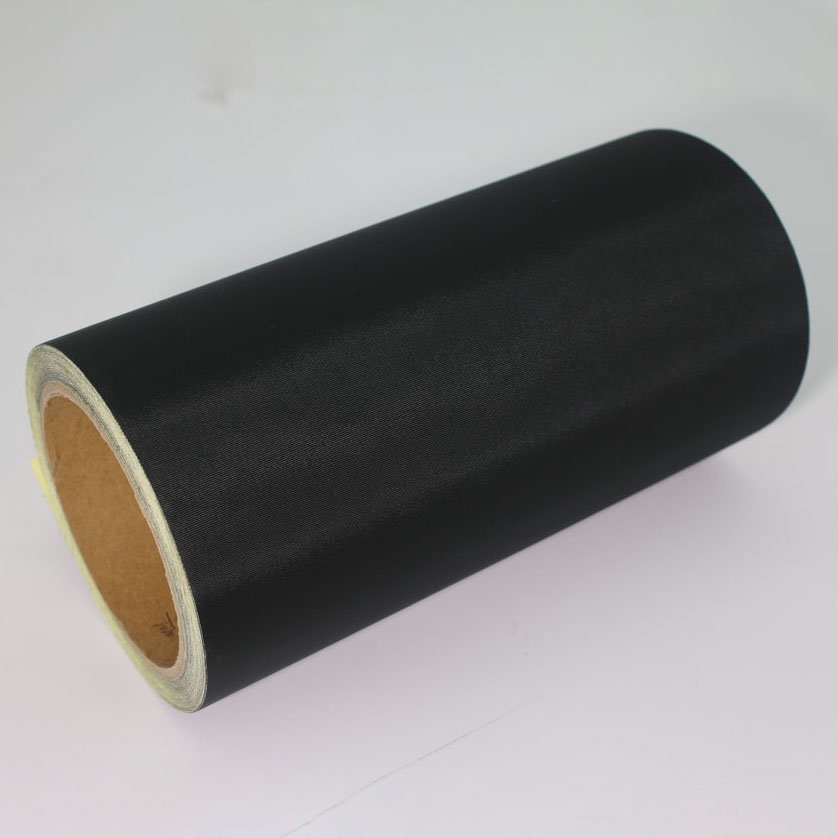 Can a 0.05mm Light Blocking Tape Really Deliver 99.9 percent Blackout for Sensitive Optics?
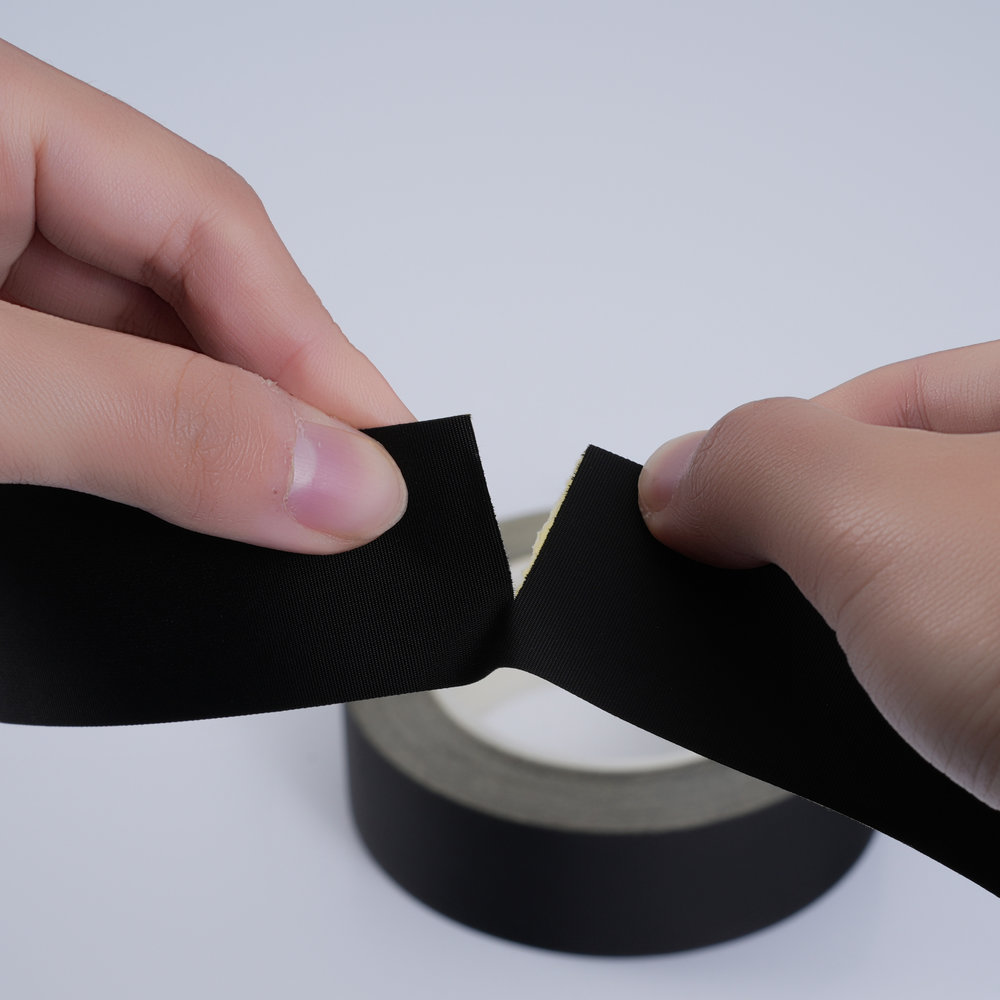 Is Acetate Cloth Tape the Ultimate Flame-Retardant Solution for Electrical Insulation?
 Why High-Temperature Orange Automotive Wire Harness Tape is the Smart Choice for High-Heat Engine Bays
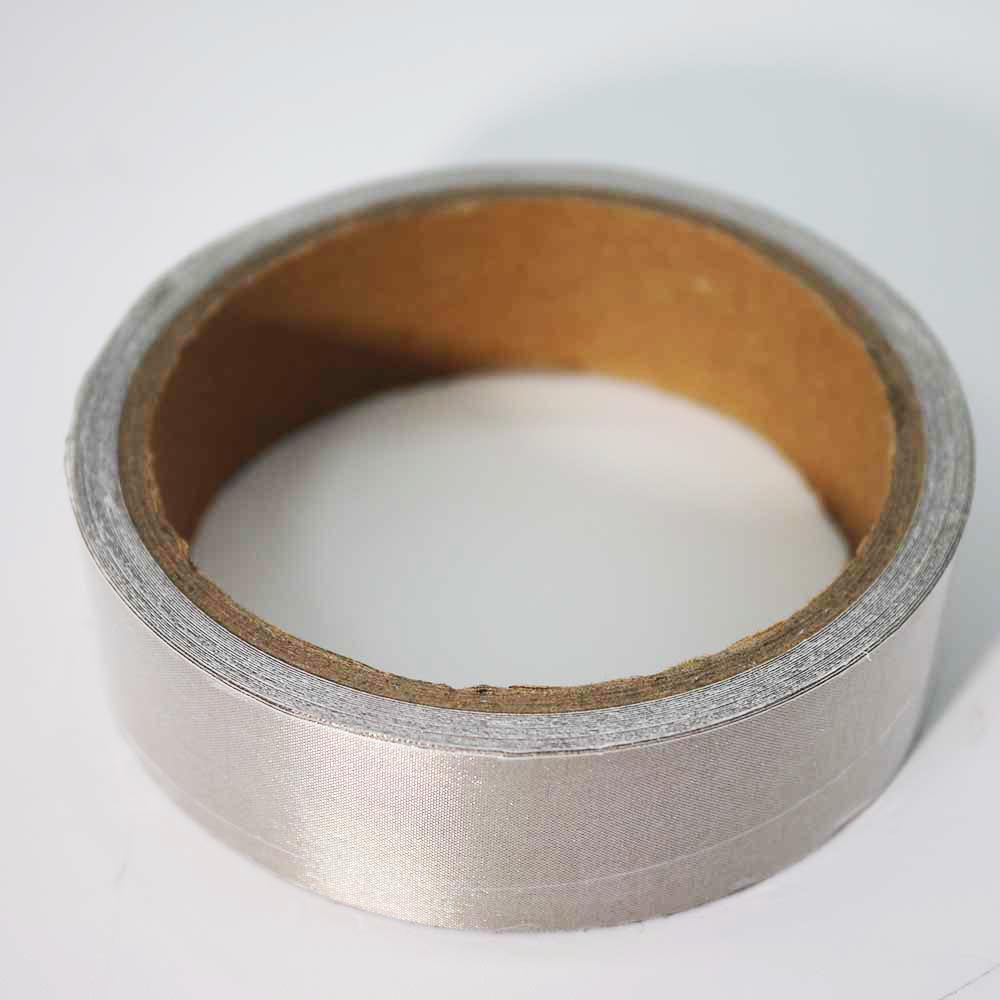 Can Double-Sided Conductive Fabric Tape Replace Traditional EMI Gaskets?
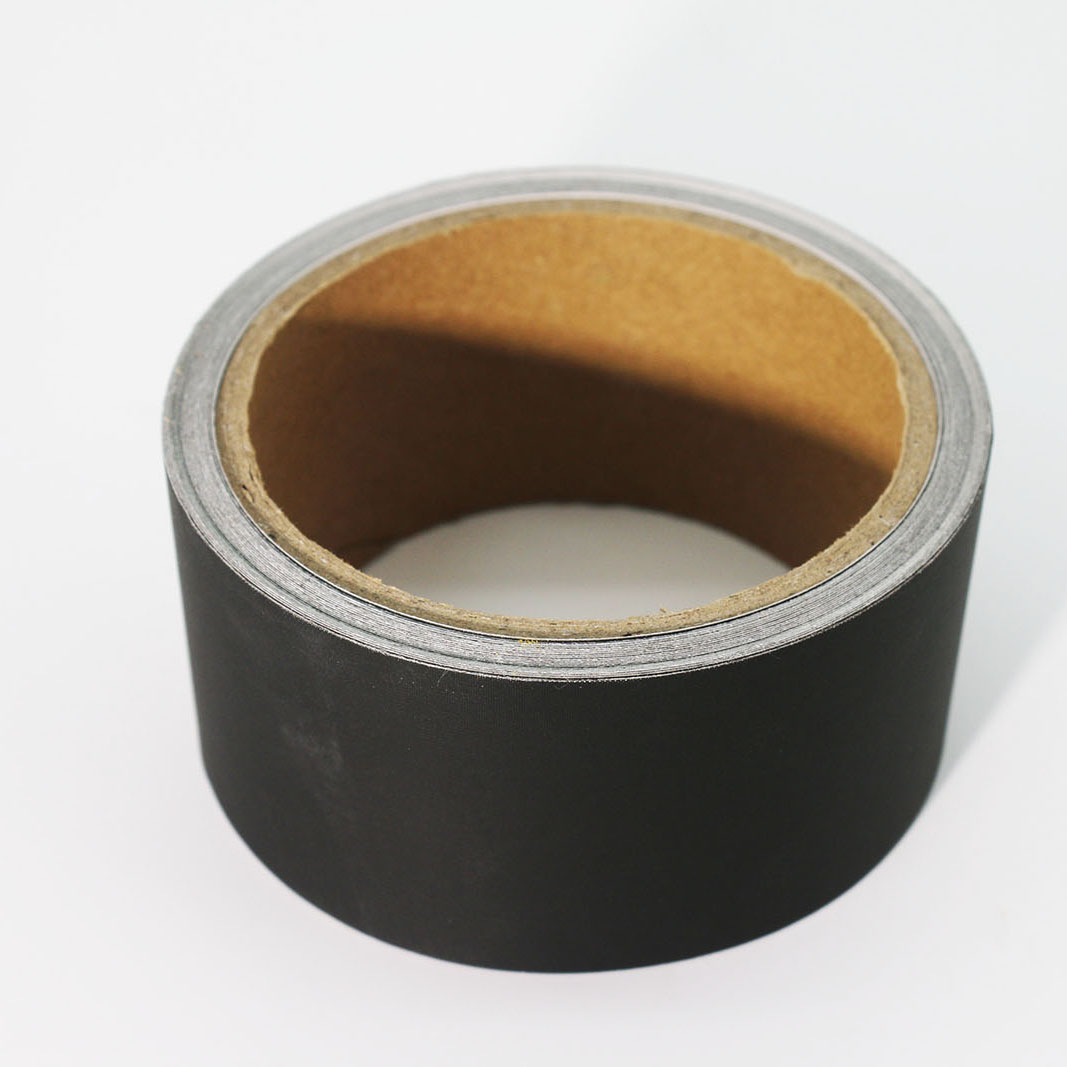 Why Black Conductive Fabric Tape is the Go-To for Light-Sensitive Electronics