
What is Die-Cut Tape and Why It's a Game-Changer for Industrial Applications in the U.S.
If you’ve ever searched for a clean, reliable, and customized adhesive solution for your product assembly, chances are die-cut tape is exactly what you need—but didn’t know it yet. This blog will walk you through the basics of die-cut adhesive tape, its applications, benefits, and what U.S. buyers should keep in mind when sourcing from a Chinese tape supplier.
What Is Die-Cut Tape?
Die-cut tape refers to adhesive tape that has been cut into specific shapes or patterns using precision tools such as steel dies, lasers, or rotary blades. The tape can be processed into squares, circles, custom contours, or multi-layer constructions depending on your requirements.
In simple terms, instead of cutting tape manually or applying full rolls, you get pre-cut pieces that are easy to apply—saving time and reducing waste.
Popular Applications of Die-Cut Tape in the U.S. Market
In the United States, die-cut tapes are widely used across multiple industries:
-
Electronics: sealing, thermal insulation, or EMI shielding of circuit boards
-
Automotive: cable harness wrapping, foam attachment, and sensor insulation
-
Medical Devices: biocompatible tapes for skin contact, labeling, or assembly
-
Consumer Products: LED strips, wearable tech, or product labels
-
Aerospace: lightweight, fire-retardant tapes for component mounting
Because die-cut tapes are highly versatile, they can be used in almost any sector that values speed, precision, and neat application.
Benefits of Using Die-Cut Tape
Here’s why U.S. manufacturers are switching to custom die-cut tape solutions:
-
🔹 Efficiency: No trimming or alignment needed—just peel and stick
-
🔹 Precision Fit: Ensures exact coverage with no excess
-
🔹 Clean Assembly: No mess, no overlapping, no loose edges
-
🔹 Material Savings: Reduces tape waste and increases cost efficiency
-
🔹 Time-Saving: Ideal for high-speed automated production lines
Wanna make your production line smoother? This might just be your thing.
How to Choose the Right Die-Cut Tape Supplier
When sourcing from abroad, especially from China-based die-cut tape manufacturers, it’s crucial to check a few things:
-
✅ Material options (PET, foam, non-woven, copper foil, etc.)
-
✅ Cutting precision tolerance (±0.1mm or better)
-
✅ Adhesive strength (acrylic, rubber, silicone-based)
-
✅ Certifications like UL, RoHS, or ISO
-
✅ Customization capacity for shape, liner, roll size, etc.
At Anhui Yijiayi Technology Co., Ltd., we offer die-cut tape factory direct services, ensuring lower cost and faster lead time.
Common Die-Cut Tape Types Available
Here are some examples of popular die-cut tapes available from Chinese suppliers:
-
PET die-cut tape (transparent, strong)
-
Foam die-cut tape (shock-absorbing)
-
Conductive fabric die-cut tape (EMI shielding)
-
High-temperature silicone die-cut tape
-
Flame-retardant tape for battery and electronics
-
Removable or repositionable adhesive die-cuts
So whatever your application, you’ll probably find a matching spec already—or we can customize one for you.
Why Source Die-Cut Tape from a China Manufacturer?
Let’s be honest, not every buyer wants to spend big with a local converter when China factory direct suppliers offer equal (or better) quality at lower prices. That’s where companies like us step in. With full control over production, we offer:
-
High-volume capacity
-
Quick turnarounds
-
OEM & ODM support
-
Flexible MOQ
And yeah, we know how to meet your drawings, tolerance, or packaging requirements.
Conclusion
Die-cut tape isn’t just tape—it’s precision-engineered adhesive tailored to save time and improve production quality. Whether you're in electronics, automotive, or consumer goods, it's worth considering as part of your assembly or packaging workflow. And if you’re looking for a custom die-cut tape supplier from China, we’re happy to help.
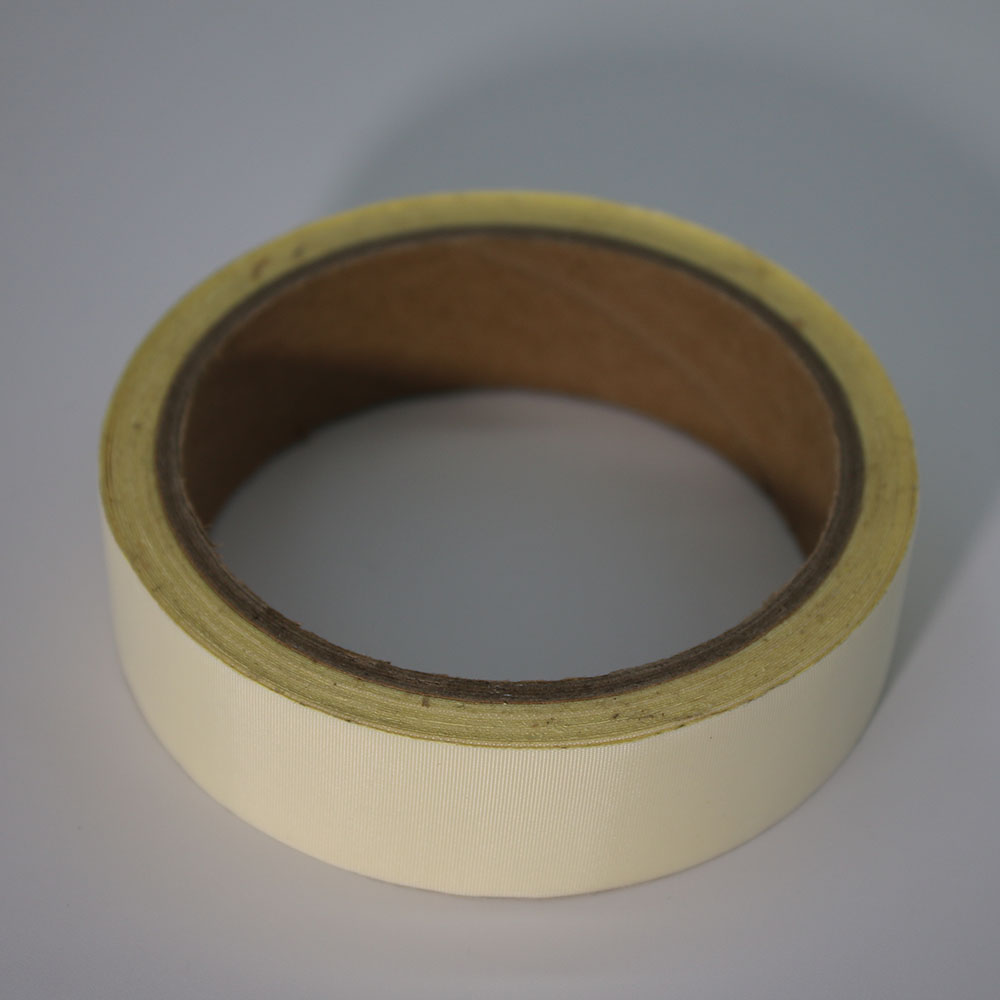 Can a Multi-Layer Nylon Cloth Tape with Optional Aluminum Foil Backing Really Bundle Hot-Engine Wiring and Absorb Minor Vibration in One Wrap
 Can a Laser Inkjet and Thermal Transfer Compatible Printable Adhesive Label Tape Really Survive Warehouse Scuffs and Freezer Storage While Staying Scannable
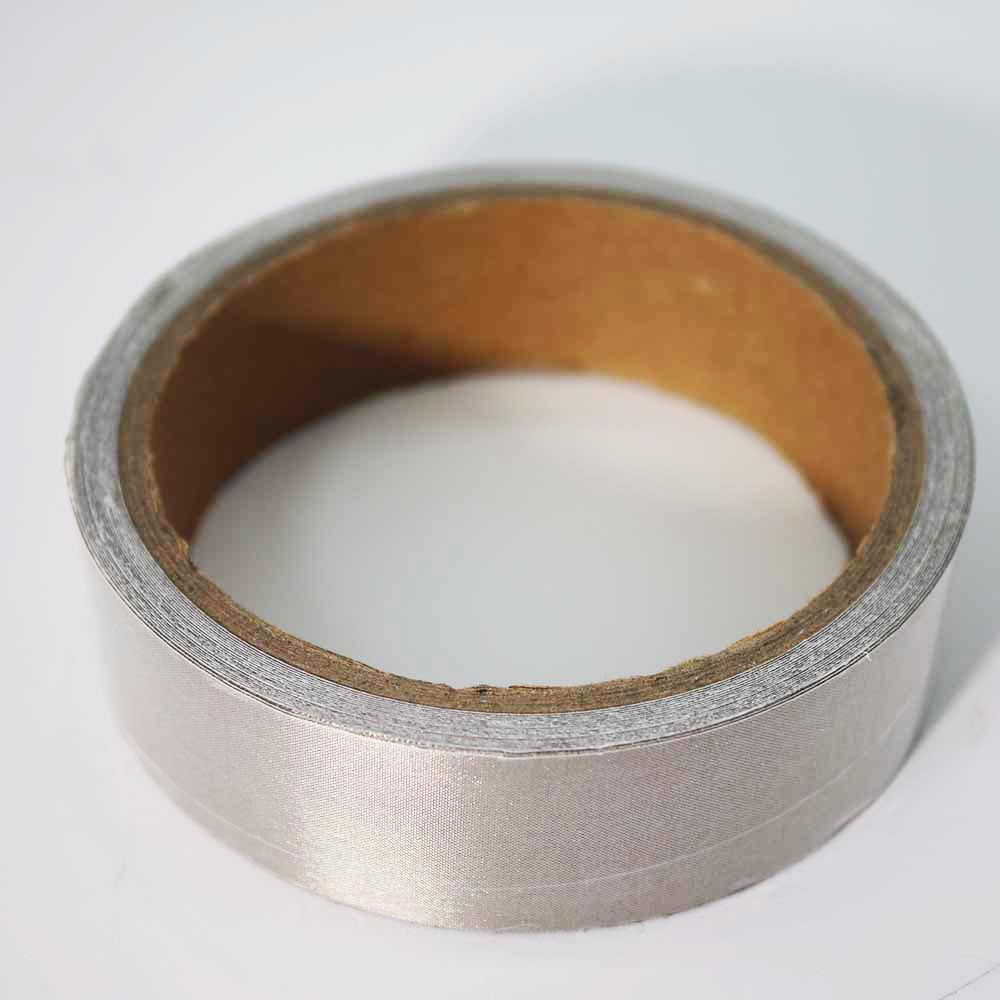 Does Double-Sided Conductive Fabric Tape Actually Replace Traditional EMI Gaskets in Compact Electronics?
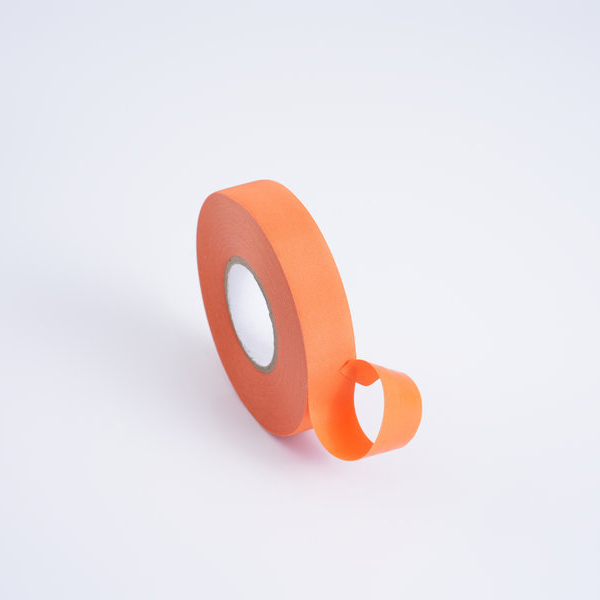 Will a Flame-Retardant Orange Fabric Wire Harness Tape Withstand 150 degrees Under the Hood Without Leaving Residue?
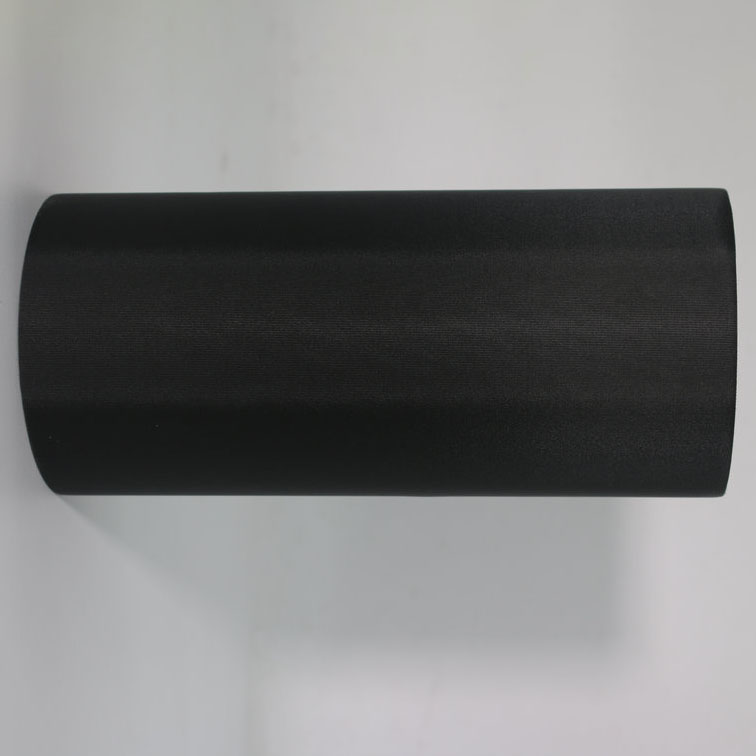 Can a Single Light-Blocking Tape Replace Multiple Shielding Layers in Display Assembly?
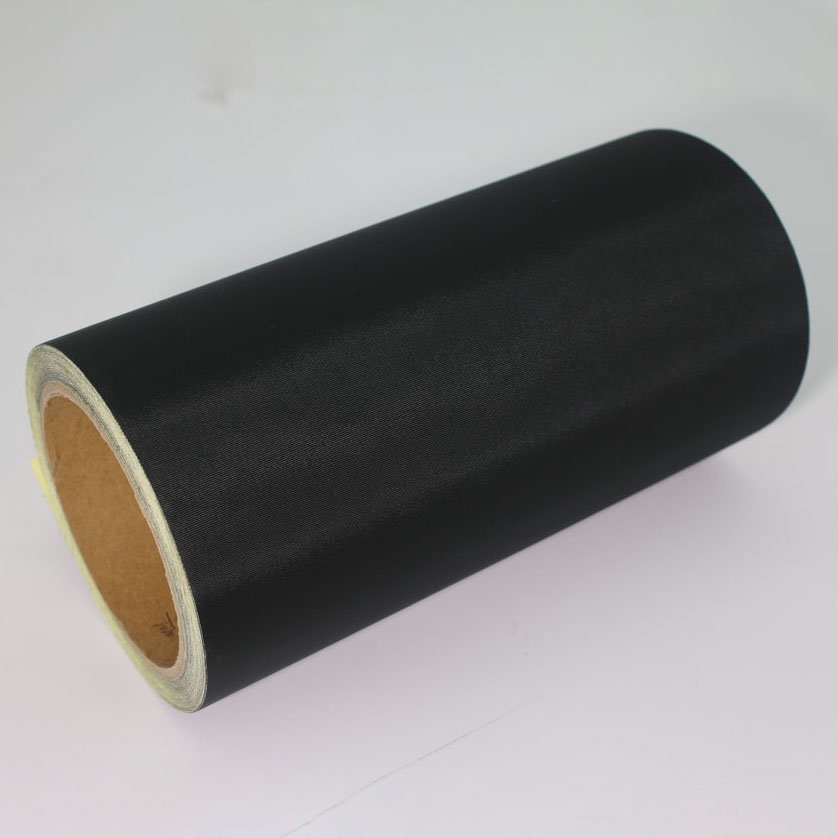 Can a 0.05mm Light Blocking Tape Really Deliver 99.9 percent Blackout for Sensitive Optics?
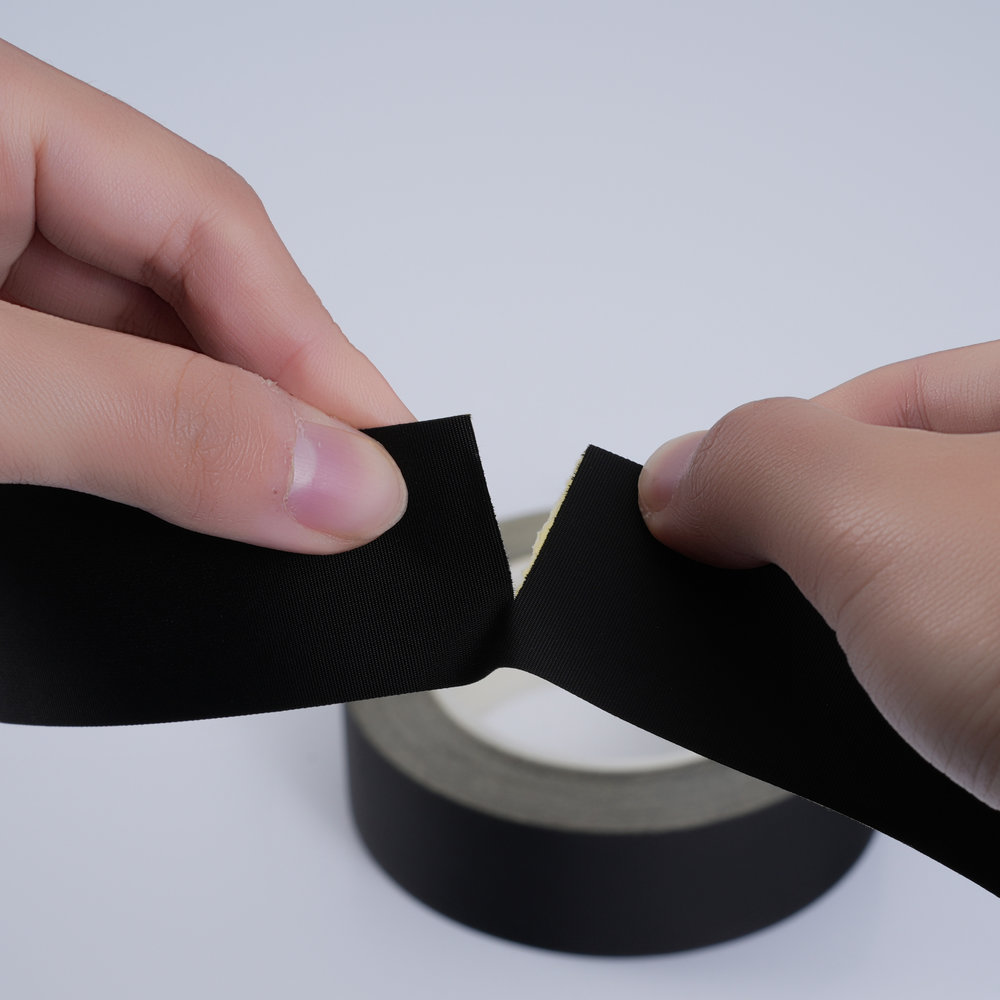 Is Acetate Cloth Tape the Ultimate Flame-Retardant Solution for Electrical Insulation?
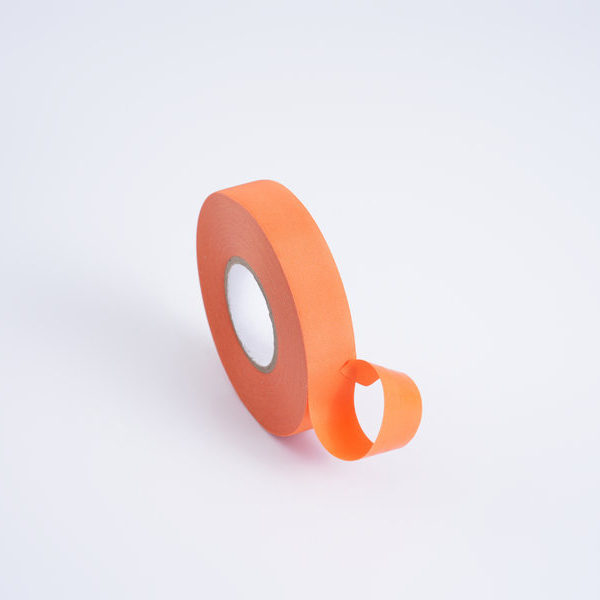 Why High-Temperature Orange Automotive Wire Harness Tape is the Smart Choice for High-Heat Engine Bays
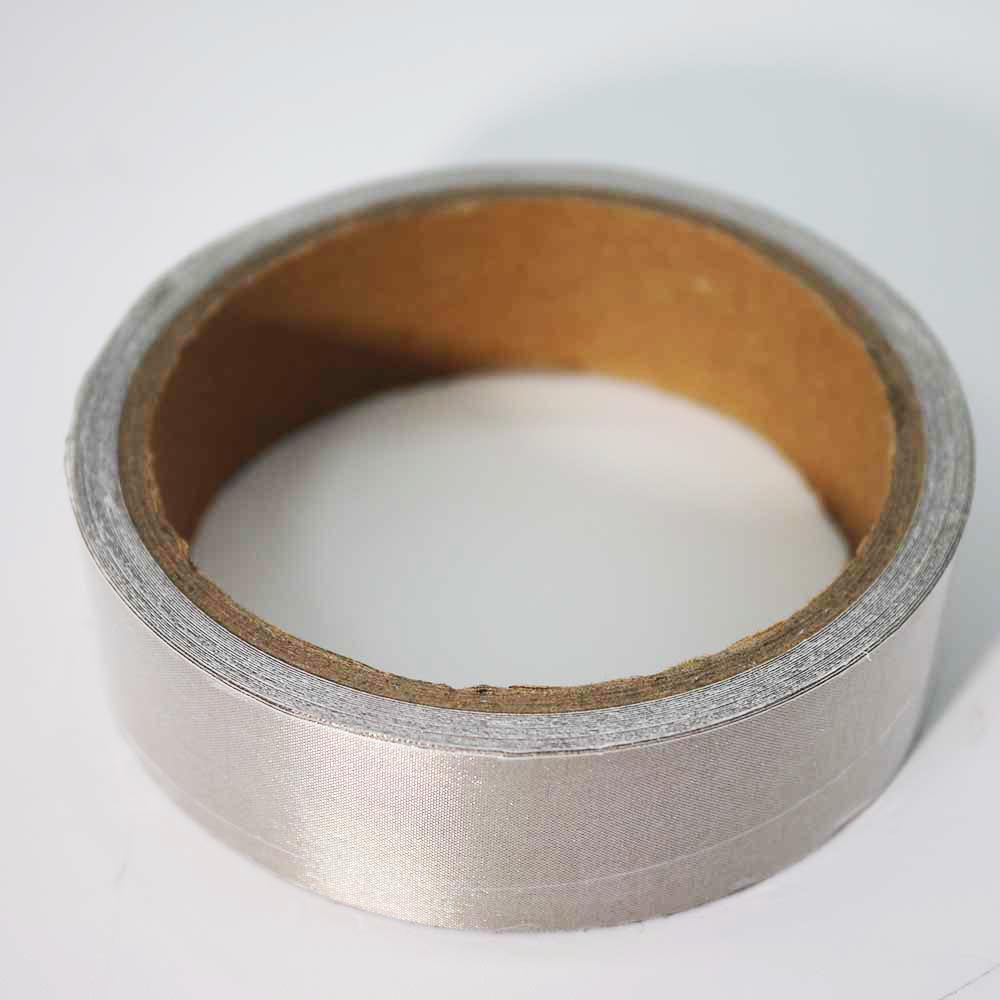 Can Double-Sided Conductive Fabric Tape Replace Traditional EMI Gaskets?
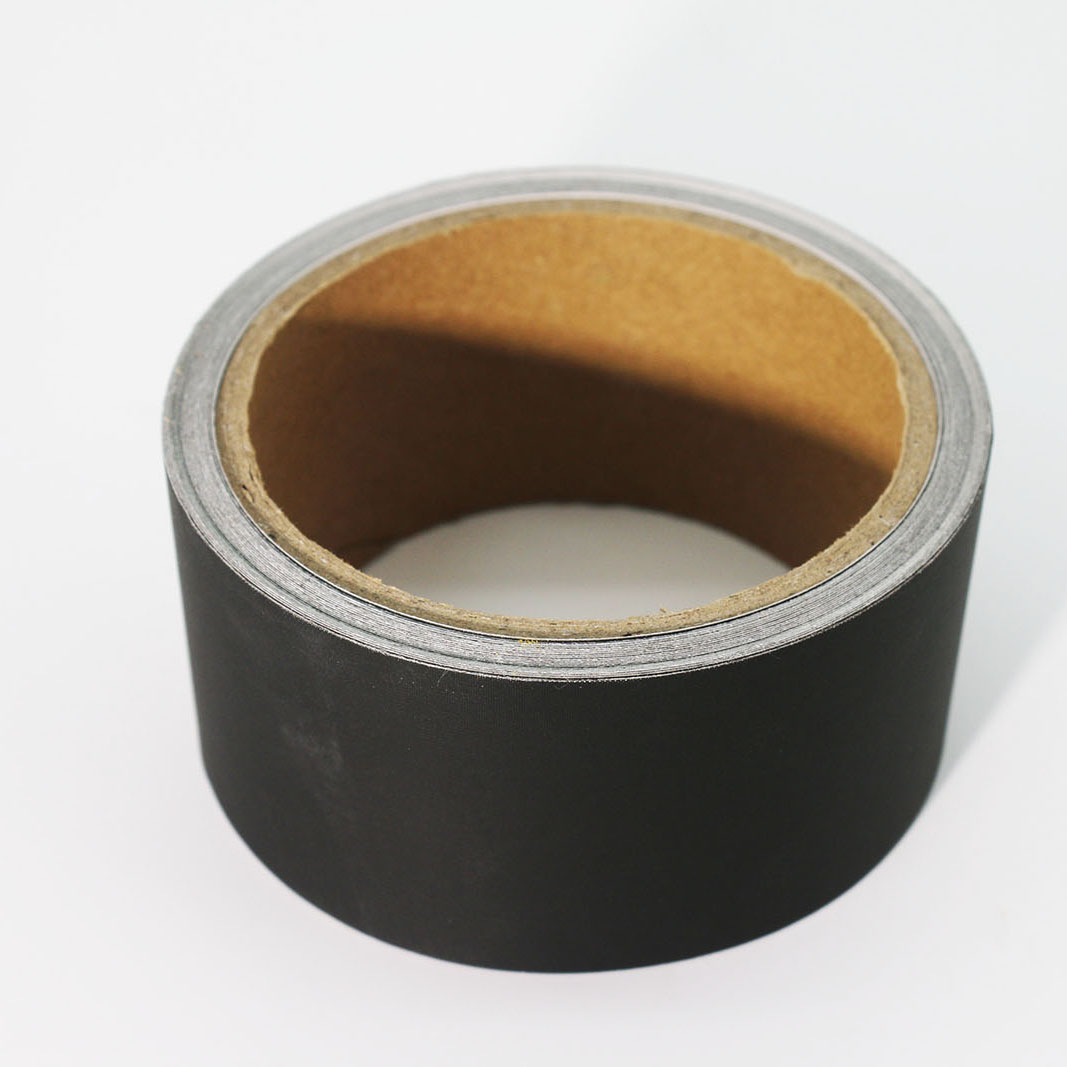 Why Black Conductive Fabric Tape is the Go-To for Light-Sensitive Electronics