
Why Is Automotive Wire Harness Tape Essential for Vehicle Safety and Longevity?
Modern vehicles are more complex than ever. With advanced electronics controlling everything from engine management to infotainment systems, keeping wires organized and protected is crucial. This is where automotive wire harness tape comes in—a simple yet vital solution to ensure safety, reliability, and long-lasting performance. Previously, we explored how conductive fabric tape reduces EMI; now, let’s dive into the automotive side of things.
But why should you really care about wire harness tape? Let’s explore.
1. What Makes Automotive Wire Harness Tape Different?
Unlike regular adhesive tape, automotive wire harness tape is specially designed for the harsh conditions found under the hood and inside vehicle cabins. Its key features include:
-
High temperature resistance (up to 150–200°C)
-
Flame retardancy and insulation properties
-
Superior adhesion to various wire materials
-
Flexibility to wrap around tight corners and complex shapes
And you know what? These tapes are often customized in width, thickness, and color, making them ideal for both OEM assembly and aftermarket repairs.
2. Enhancing Vehicle Safety
One of the main reasons to use automotive wire harness tape is safety. Poorly bundled wires can cause short circuits, fires, or system malfunctions. Wire harness tape helps by:
-
Insulating wires from heat and abrasion
-
Preventing loose connections that could lead to shorts
-
Maintaining organization to reduce stress on connectors
It’s kinda like we discussed in our previous blog about conductive fabric tape: using the right material can make a huge difference in device performance. In vehicles, the stakes are even higher.
3. Protecting Electronics and Reducing Noise
Wire harness tape isn’t just about keeping wires neat. It also helps protect sensitive electronics from interference and wear:
-
Shields wires from vibration-induced damage
-
Works with conductive tapes to reduce electromagnetic interference
-
Minimizes wear and tear from movement and friction
Yep, that’s right—proper taping can actually improve your vehicle’s electronic performance, just like we saw with EMI reduction in electronic devices.
4. Convenience for Assembly and Maintenance
Automotive wire harness tape is designed for easy application, which saves time during assembly and repairs. Key benefits include:
-
Peel-and-stick convenience
-
Conforms to irregular surfaces without tearing
-
Long-lasting adhesion even in hot, humid, or oily environments
5. Tips for Effective Use
To get the most out of your wire harness tape:
-
Clean wires before application for maximum adhesion.
-
Overlap tape layers slightly to improve insulation.
-
Avoid stretching tape excessively to maintain durability.
-
Use colored or labeled tapes for easy identification of circuits.
By following these steps, your vehicle’s wiring remains safe, organized, and reliable for years.
6. Environmentally Friendly Options
Modern automotive wire harness tapes can also be eco-friendly, low VOC, and compliant with automotive industry standards. Choosing high-quality products from reputable suppliers ensures safety, performance, and environmental responsibility.
Automotive wire harness tape is indispensable for vehicle safety, electronic reliability, and long-term durability. When combined with conductive fabric tapes and other industrial tape solutions from Anhui Yijiayi Technology Co., Ltd., it provides a comprehensive, high-quality, and customizable solution for automotive wiring challenges.
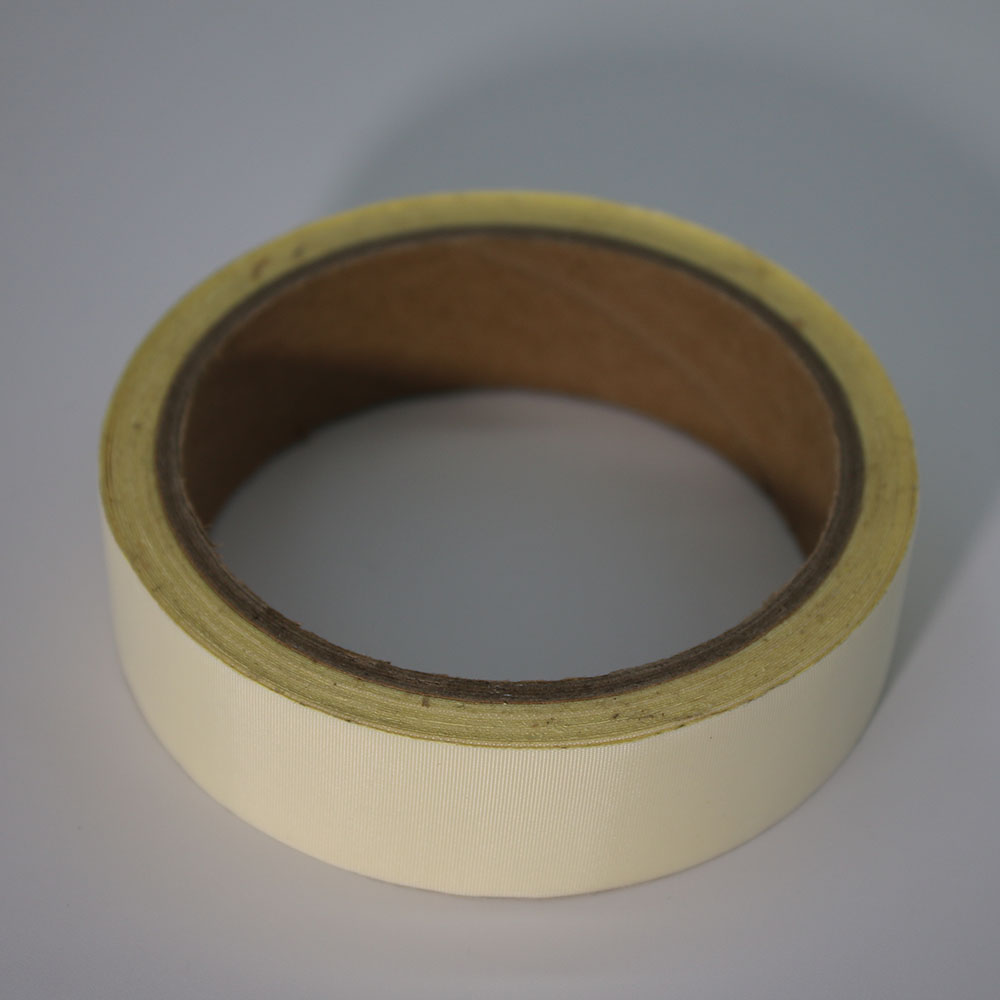 Can a Multi-Layer Nylon Cloth Tape with Optional Aluminum Foil Backing Really Bundle Hot-Engine Wiring and Absorb Minor Vibration in One Wrap
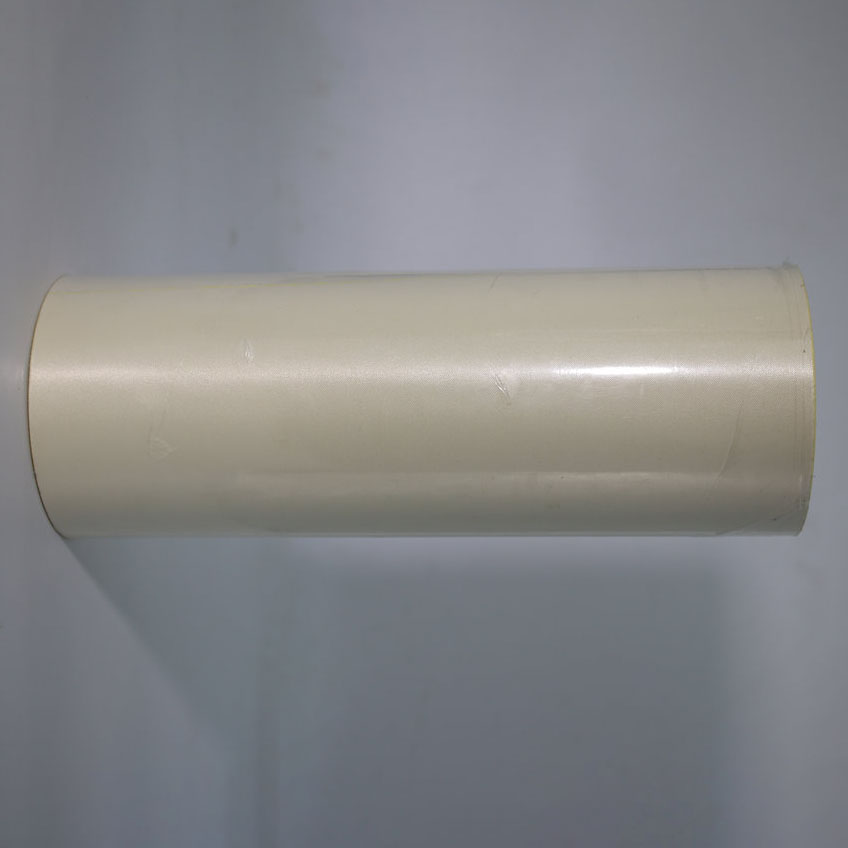 Can a Laser Inkjet and Thermal Transfer Compatible Printable Adhesive Label Tape Really Survive Warehouse Scuffs and Freezer Storage While Staying Scannable
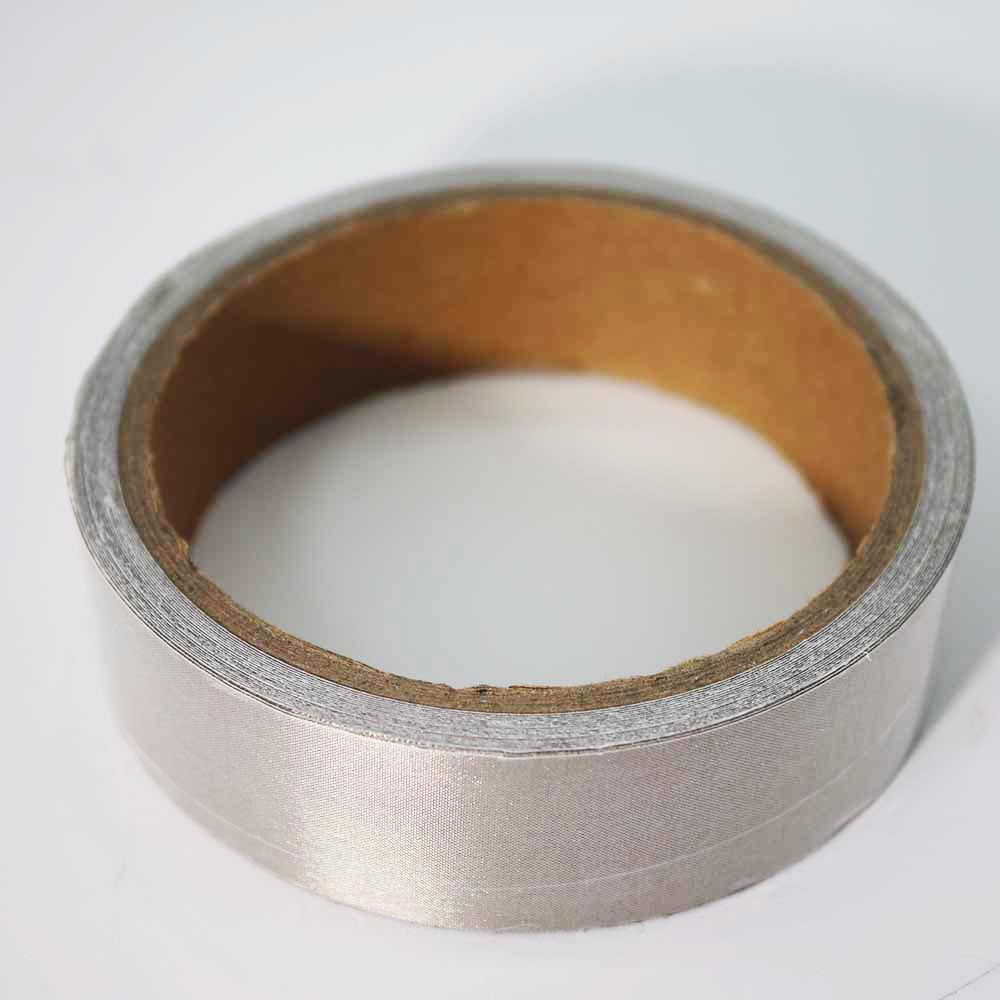 Does Double-Sided Conductive Fabric Tape Actually Replace Traditional EMI Gaskets in Compact Electronics?
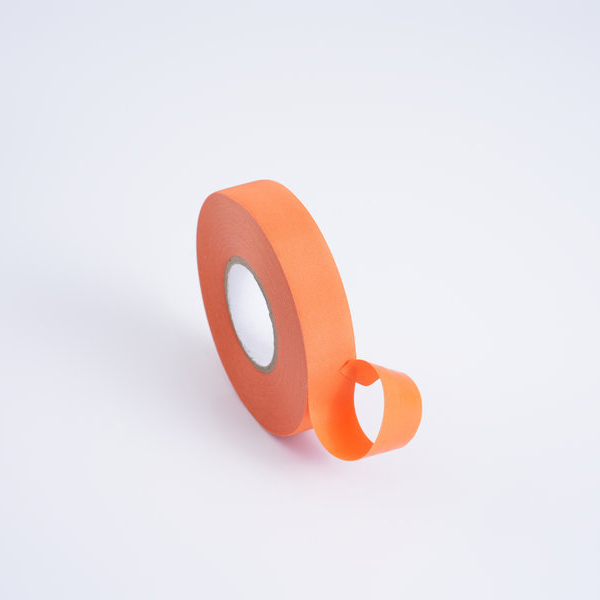 Will a Flame-Retardant Orange Fabric Wire Harness Tape Withstand 150 degrees Under the Hood Without Leaving Residue?
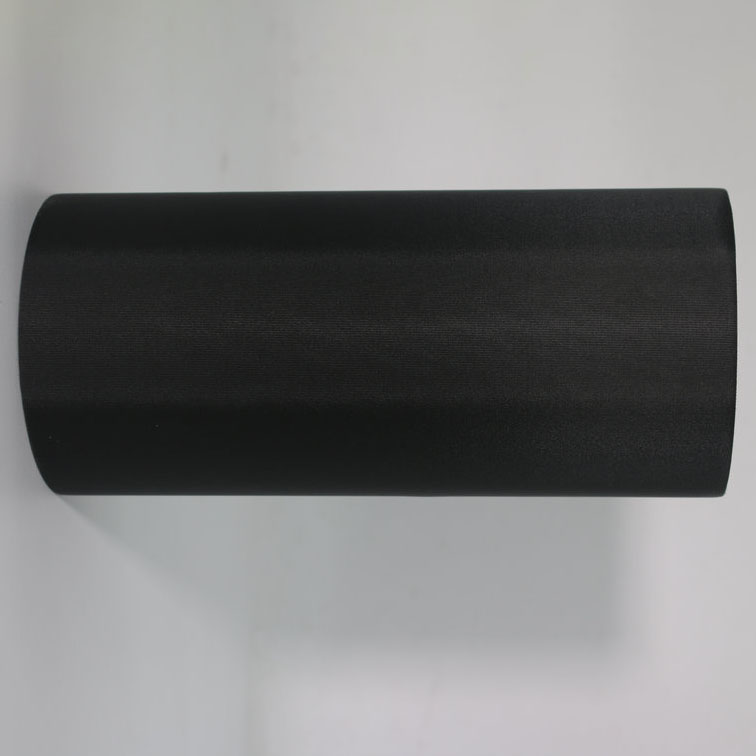 Can a Single Light-Blocking Tape Replace Multiple Shielding Layers in Display Assembly?
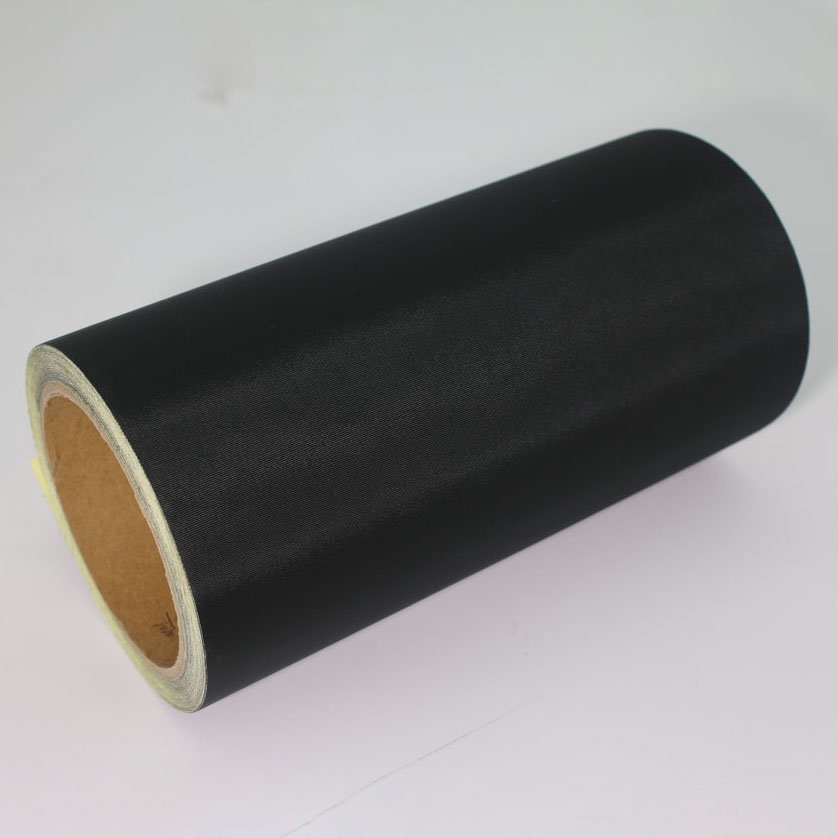 Can a 0.05mm Light Blocking Tape Really Deliver 99.9 percent Blackout for Sensitive Optics?
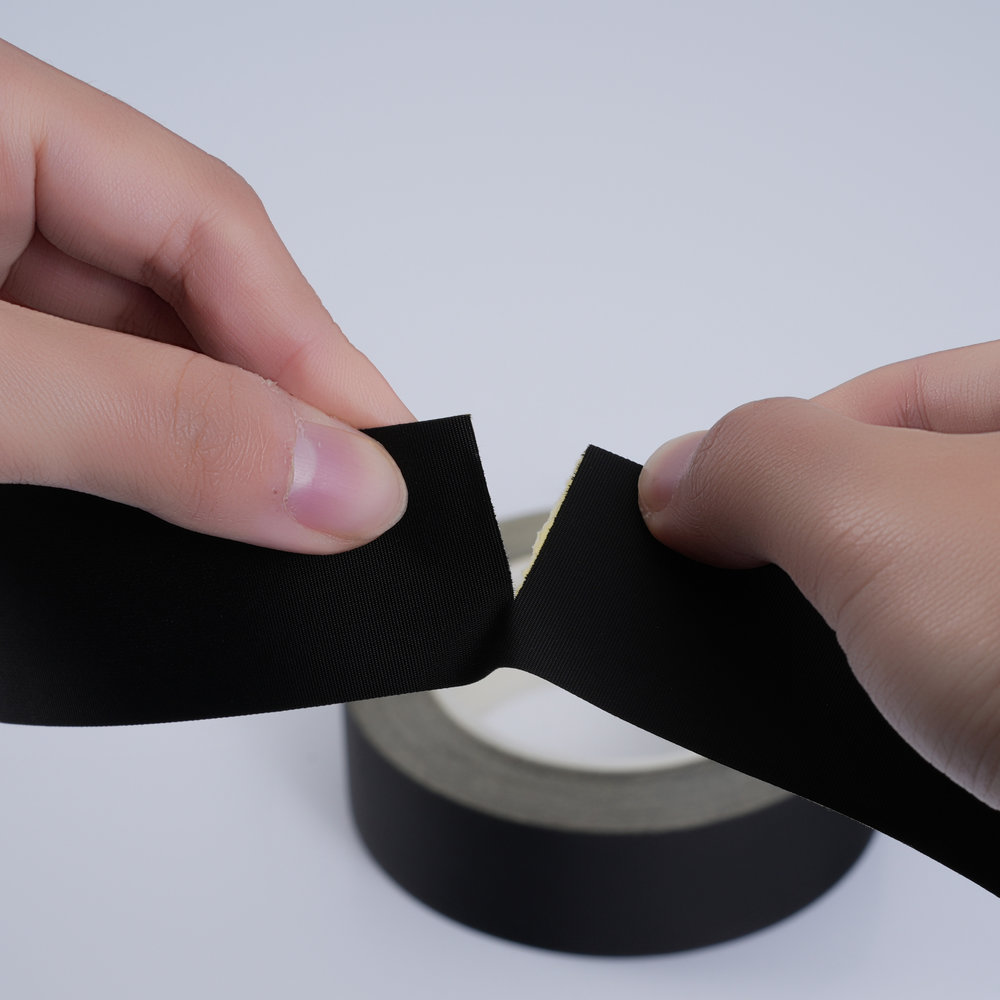 Is Acetate Cloth Tape the Ultimate Flame-Retardant Solution for Electrical Insulation?
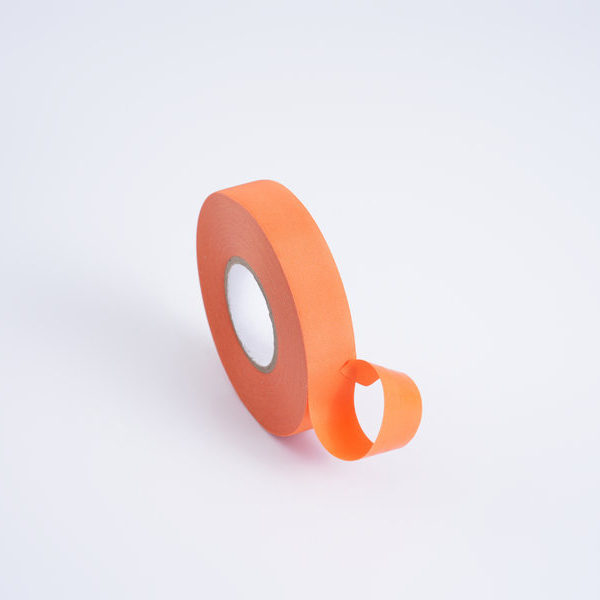 Why High-Temperature Orange Automotive Wire Harness Tape is the Smart Choice for High-Heat Engine Bays
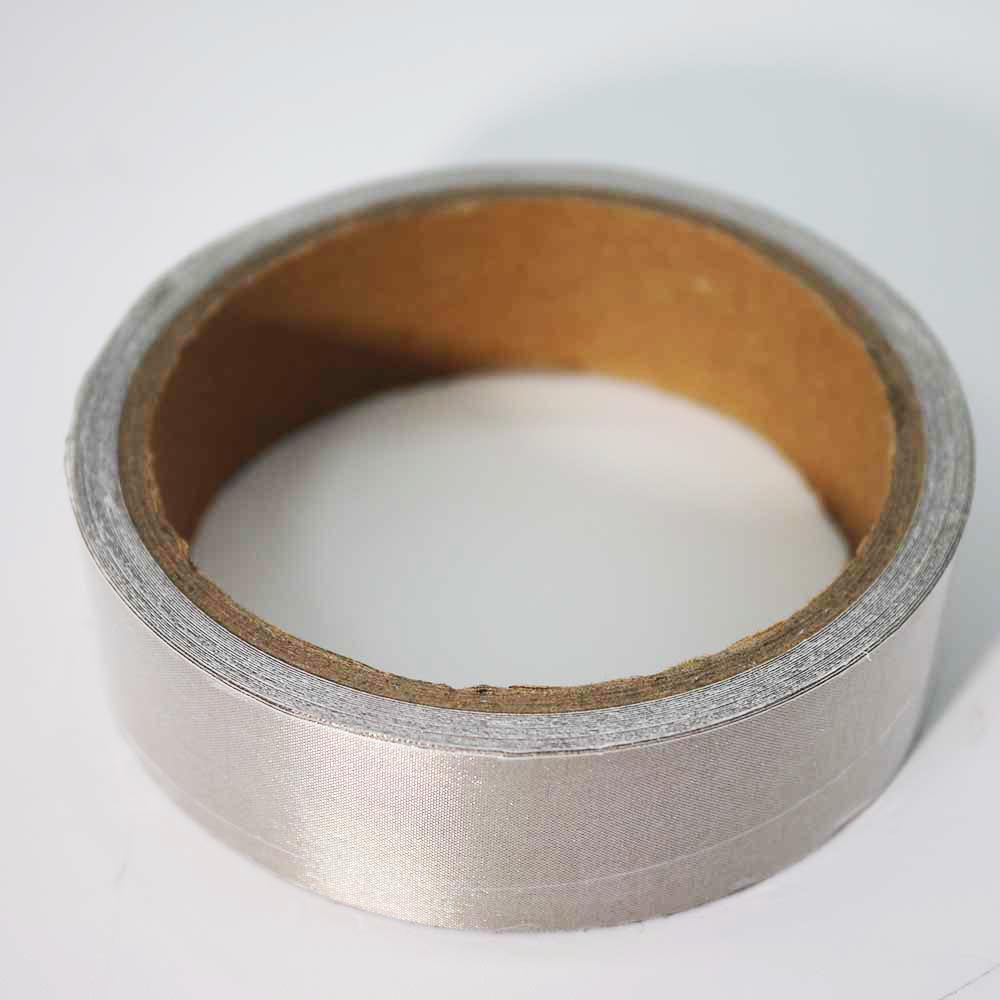 Can Double-Sided Conductive Fabric Tape Replace Traditional EMI Gaskets?
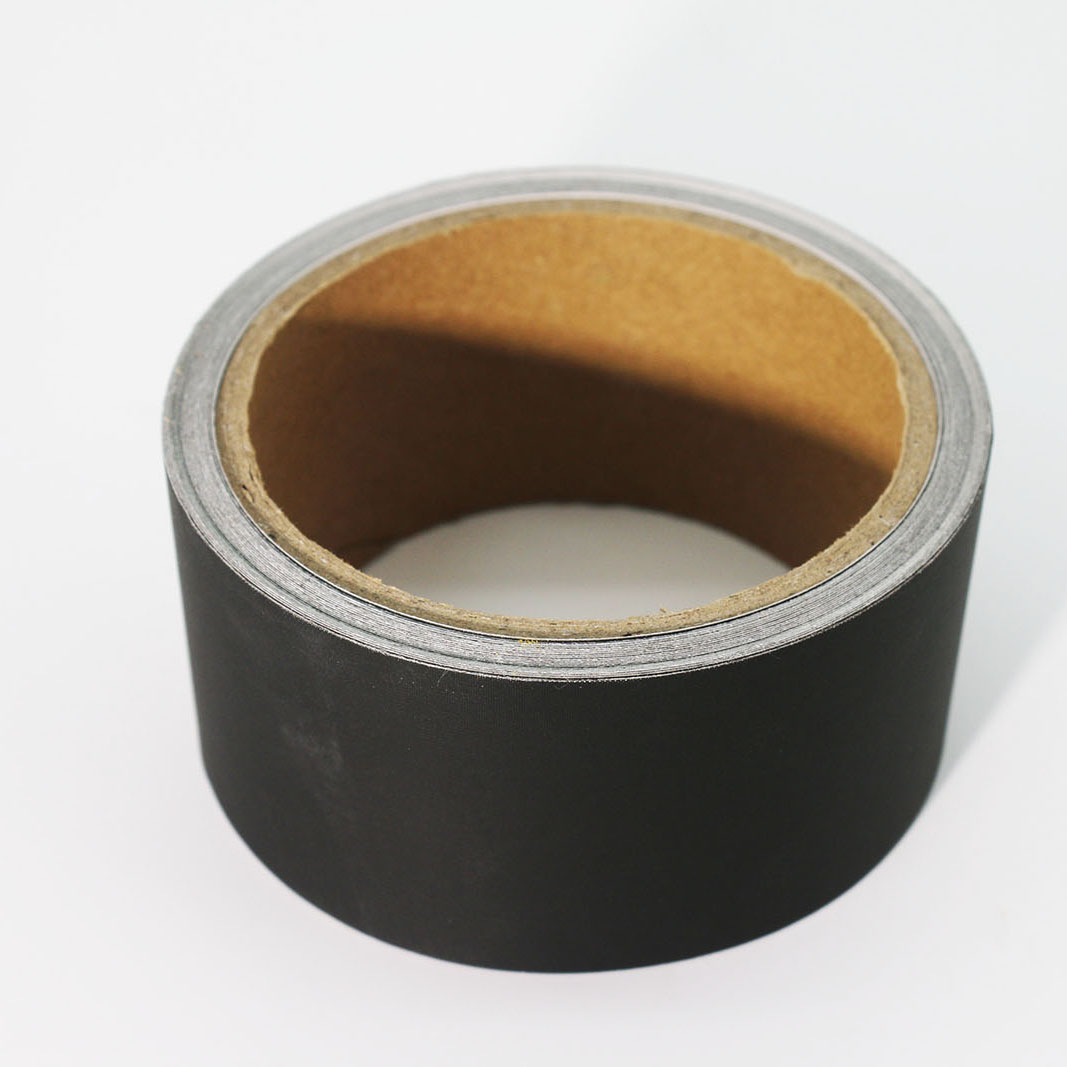 Why Black Conductive Fabric Tape is the Go-To for Light-Sensitive Electronics